|
| Fact Sheet on Pollution
Fun Facts on Pollution for kids | |
| Fun Fact 1 | What is Pollution? Pollution can be described as any substance that is introduced into an environment that can damage or affect quality of life |
|
| Fun Fact 2 | Types of pollution: there are nine recognized types of pollution; air, water, land, radioactive, thermal, noise, light, visual and personal. Some categories of pollution have an impact on a global scale; others affect health and well being in a more localised environment |
|
| Fun Fact 3 | Air pollution is a major problem; it affects every living thing on our planet. Poisonous gases, known as greenhouse gases, are produced through: the burning of fossil fuels (coal, oil, petrol) and the release of natural gasses and methane gasses (typically from animal waste and landfill). The increase of these greenhouse gases into the atmosphere causes earth's temperature to rise; this is called global warming |
|
| Fun Fact 4 | How does global warming affect us? Pollution causes global warming which alters our weather conditions affecting us all. Alterations to our weather patterns has led to major climate related disasters including; cyclones, earthquakes, tsunamis, the melting of glaciers and the destruction of the arctic region |
|
| Fun Fact 5 | Another pollutant associated with climate change is sulphur dioxide which can cause smog to hang over our cities like a dark cloud, or enter the weather system to cause acid rain. Volcanoes were once the main cause of sulphur dioxide being released into the atmosphere - the primary cause of this type of pollution today is people |
|
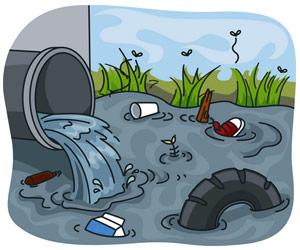
| Fun Fact 6 | What is water pollution? It is the contamination of water at source; seas, oceans, rivers, lake, reservoirs and wells. Water pollution is considered to be the biggest cause of deaths and diseases worldwide. Examples of pollution causes include; chemicals, detergents, food waste, insecticides, gasoline, oil, fertilisers, garbage and sewage bacteria |
|
| Fun Fact 7 | The most polluted rivers in the world are found in areas of Asia; they contain 30% more bacteria from human waste pollution than the global average and contain 20% more lead than the rivers in any other continent. Drinking polluted water contaminated with bacteria can causes serious illness including; cholera, typhoid, and chronic dysentery |
|
| Fun Fact 8 | Land pollution - everybody creates daily refuse, litter and garbage which is being buried in landfill sites globally. The trash rots and produces greenhouse gases adding to global warming, the trash may also contain chemicals which can leak into the ground and pollute the soil |
|
| Fun Fact 9 | What is thermal pollution? The term thermal pollution is used when the temperature of a body of water increases due to human or environmental contamination. The most common cause of thermal pollution is the release of water coolant from power plants, industrial and manufacturing companies. The change in temperature affects the biology of the water body, damaging the environment and species within it |
|
| Fun Fact 10 | What is the Ozone layer? Ozone is a natural gas that is in the lowest atmospheric area close to earth. The Ozone layer protects all living things on Earth from ultraviolet (UV) rays that are released from the Sun. The Ozone layer is deteriorating due to pollution; the burning of fossil fuels, industrial emissions, motor vehicle exhausts, and the release of chemical solvents. If the Ozone deteriorates all living things will suffer lasting damage and destruction |
|
| Fun Fact 11 | What is radioactive pollution? Nuclear energy does not use fossil fuel, so it is a 'clean' energy source; however, radioactive waste must be stored and disposed of carefully. Leaking radioactive waste can contaminate soil and enables radioactive gas and dust to travel through the atmosphere causing significant damage to people and the environment |
|
| Fun Fact 12 | Noise, light and personal pollution are the least recognised types of pollution, yet they can still severely affect the health and well being of humans and animals. Excessive amounts of noise or light can cause sleeping problems and interfere with our concentration. Smoking, alcohol or drug abuse are examples of personal pollution that not only effect the user but the people that surround them too |
|
| Fun Fact 13 | What is a carbon footprint? The amount of carbon dioxide each person is responsible for letting into the atmosphere is called our "carbon footprint". Simple ways to reduce our personal carbon footprint include: recycling as much as we can, walking or cycling instead of using a car, being less wasteful, turning of lights and electrical goods when they are not being used |
|
| Fun Fact 14 | What is The Kyoto Protocol? It is an international framework and agreement on climate change set up by the United Nations (UNFCCC - United Nations Framework Convention on Climate Change); The Kyoto Protocol has set international agreements to collectively fight against pollution and global warming |
|
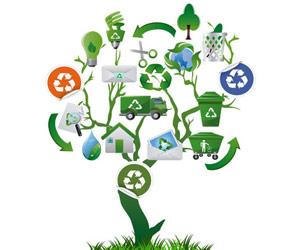
| Fun Fact 15 | Why should we recycle? There are many reasons that we should all recycle including; to cut back on the use of new raw materials, to reduce excessive energy use, to prevent waste of potentially dangerous materials, to reduce harmful air and water pollution and to lower gas emissions that add to global warming |
|
| Fact Sheet on Pollution
Fun Facts on Pollution for kids |
|





 1 062
1 062
 62 454