Узбекистан, Tashkent

СДЕЛАЙТЕ СВОИ УРОКИ ЕЩЁ ЭФФЕКТИВНЕЕ, А ЖИЗНЬ СВОБОДНЕЕ
Благодаря готовым учебным материалам для работы в классе и дистанционно
Скидки до 50 % на комплекты
только до
Готовые ключевые этапы урока всегда будут у вас под рукой
Организационный момент
Проверка знаний
Объяснение материала
Закрепление изученного
Итоги урока
Была в сети 04.07.2021 14:57

Кадырова Диляфруз Зафаровна
Учитель английского языка
39 лет
 463
463
 112 045
Местоположение
Специализация
British Symbols
Категория:
Английский язык
04.07.2021 13:54

Просмотр содержимого документа
«British Symbols»
School # 94 Kadirova Dilafruz Zafarovna
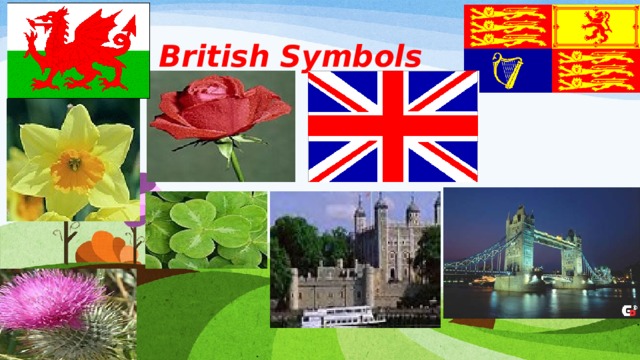
British Symbols
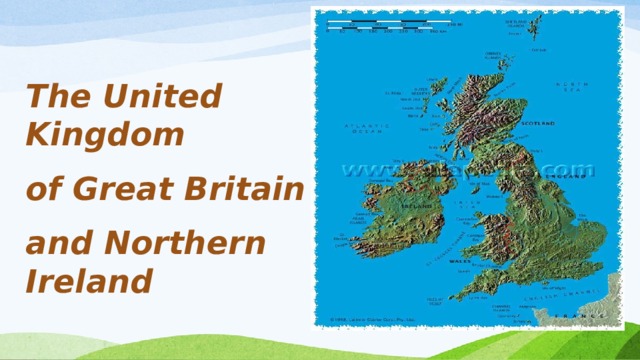
The United Kingdom
of Great Britain
and Northern Ireland
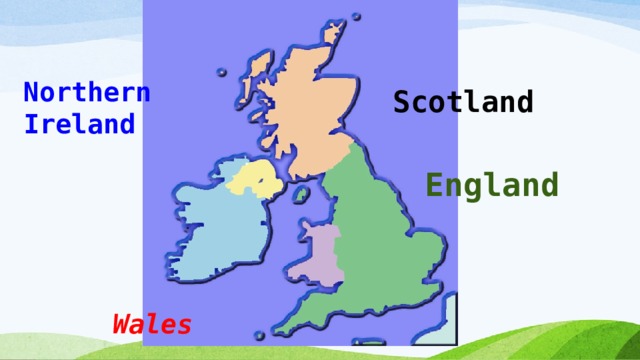
Northern Ireland
Scotland
England
Wales
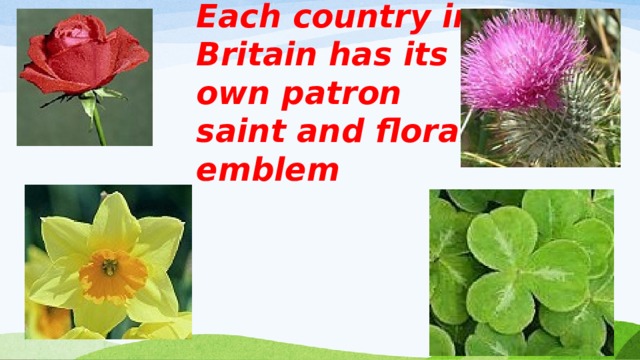
Each country in Britain has its own patron saint and floral emblem
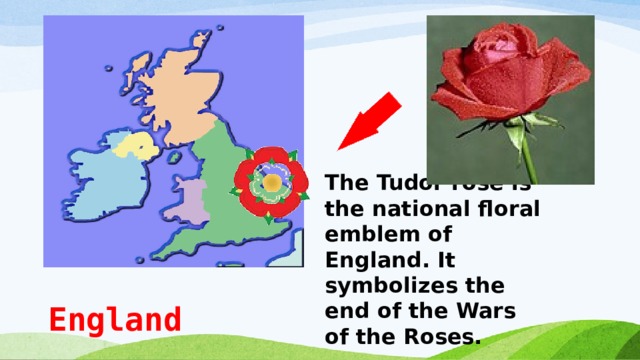
The Tudor rose is the national floral emblem of England. It symbolizes the end of the Wars of the Roses.
England
Scotland
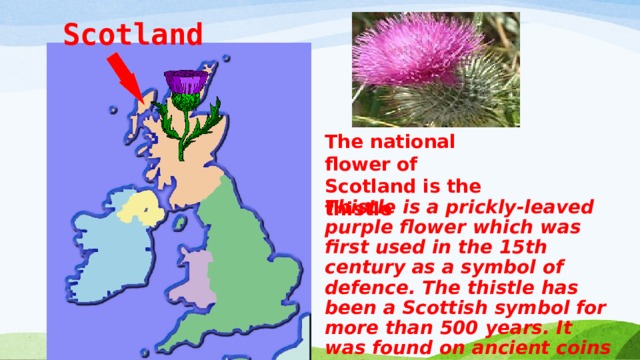
The national flower of Scotland is the thistle
Thistle is a prickly-leaved purple flower which was first used in the 15th century as a symbol of defence. The thistle has been a Scottish symbol for more than 500 years. It was found on ancient coins and coats of arms.
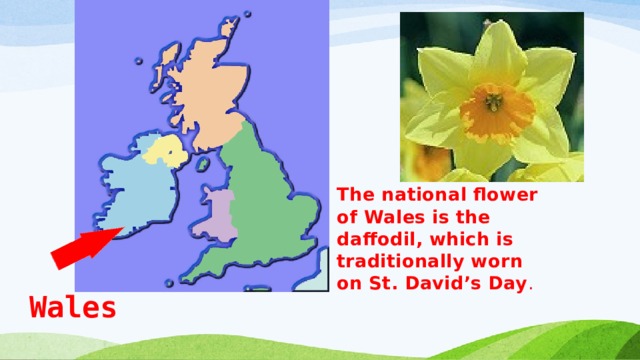
The national flower of Wales is the daffodil, which is traditionally worn on St. David’s Day .
Wales
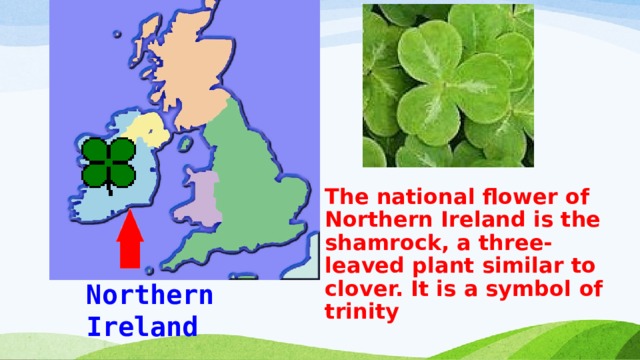
The national flower of Northern Ireland is the shamrock, a three-leaved plant similar to clover. It is a symbol of trinity
Northern Ireland
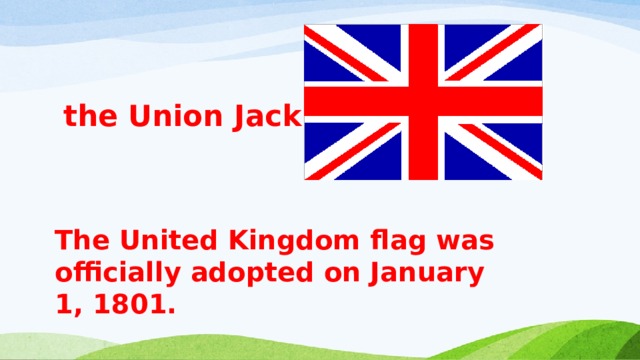
the Union Jack
The United Kingdom flag was officially adopted on January 1, 1801 .
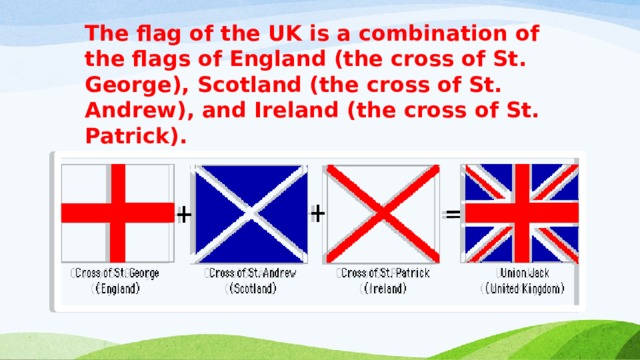
The flag of the UK is a combination of the flags of England (the cross of St. George), Scotland (the cross of St. Andrew), and Ireland (the cross of St. Patrick).
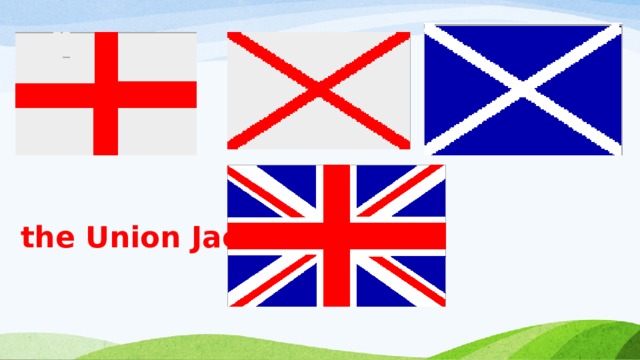
the Union Jack
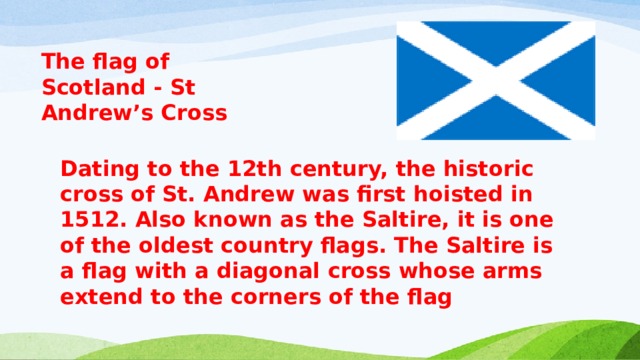
The flag of Scotland - St Andrew’s Cross
Dating to the 12th century, the historic cross of St. Andrew was first hoisted in 1512. Also known as the Saltire, it is one of the oldest country flags. The Saltire is a flag with a diagonal cross whose arms extend to the corners of the flag
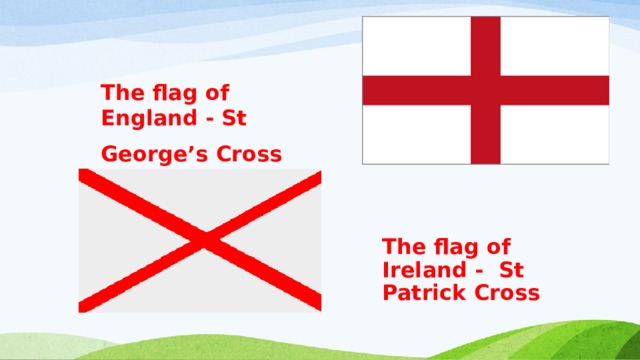
The flag of England - St George’s Cross
The flag of Ireland - St Patrick Cross
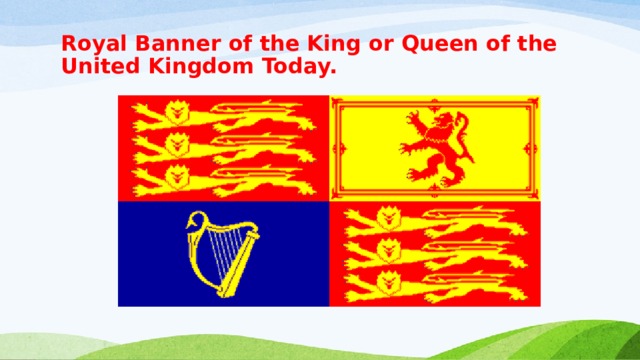
Royal Banner of the King or Queen of the United Kingdom Today.
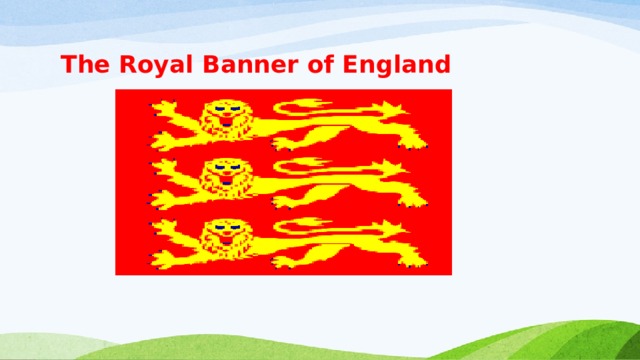
The Royal Banner of England
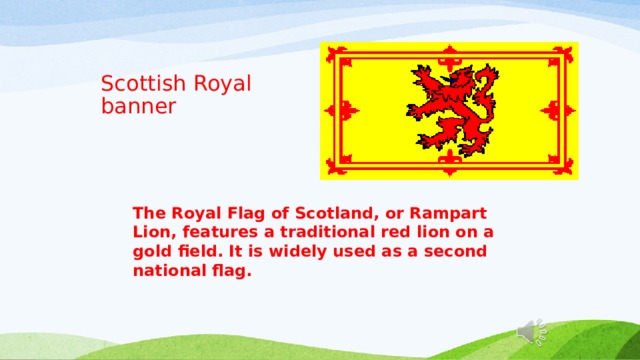
Scottish Royal banner
The Royal Flag of Scotland, or Rampart Lion, features a traditional red lion on a gold field. It is widely used as a second national flag.
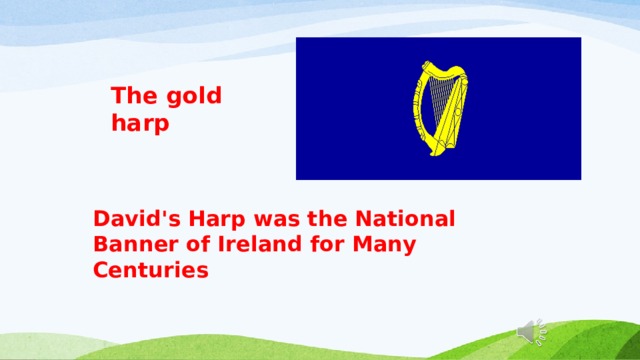
The gold harp
David's Harp was the National Banner of Ireland for Many Centuries
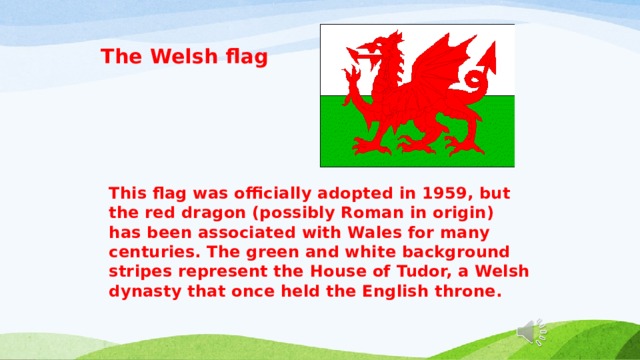
The Welsh flag
This flag was officially adopted in 1959, but the red dragon (possibly Roman in origin) has been associated with Wales for many centuries. The green and white background stripes represent the House of Tudor, a Welsh dynasty that once held the English throne.
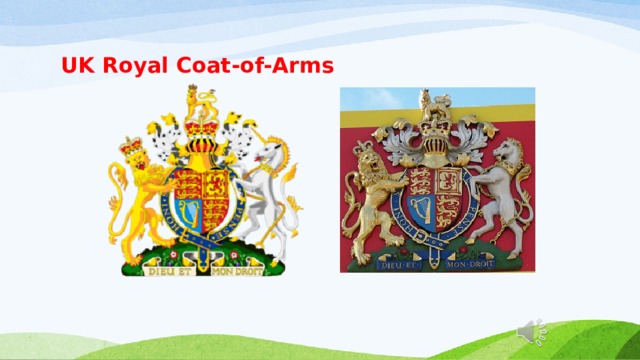
UK Royal Coat-of-Arms
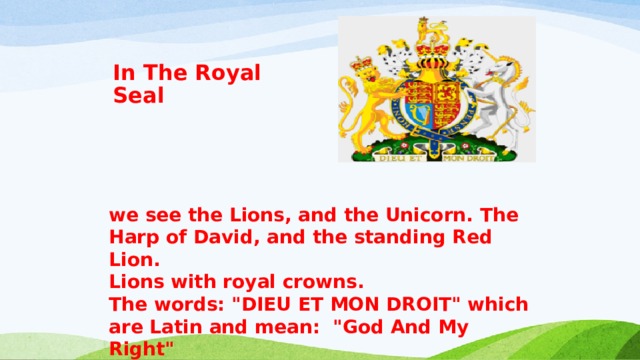
In The Royal Seal
we see the Lions, and the Unicorn. The Harp of David, and the standing Red Lion. Lions with royal crowns. The words: "DIEU ET MON DROIT" which are Latin and mean: "God And My Right"
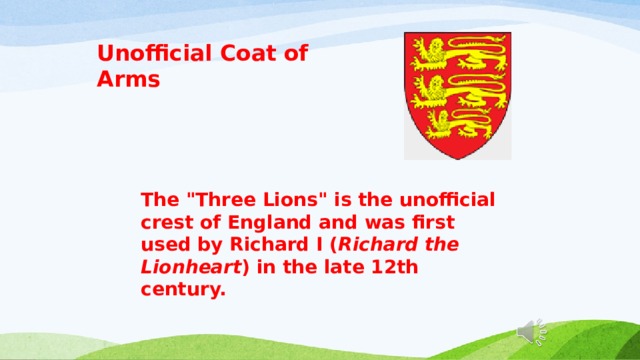
Unofficial Coat of Arms
The "Three Lions" is the unofficial crest of England and was first used by Richard I ( Richard the Lionheart ) in the late 12th century.
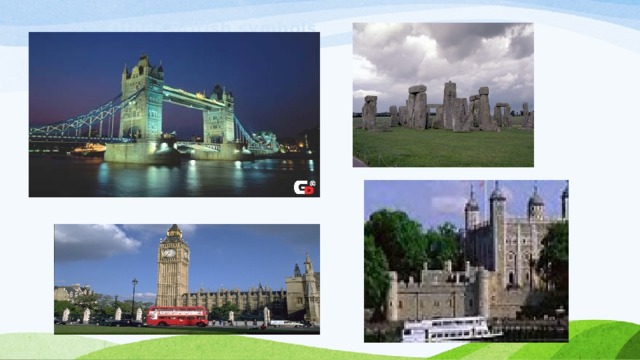
Other British symbols
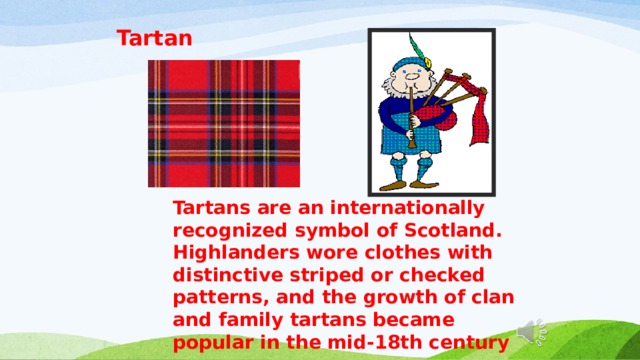
Tartan
Tartans are an internationally recognized symbol of Scotland. Highlanders wore clothes with distinctive striped or checked patterns, and the growth of clan and family tartans became popular in the mid-18th century
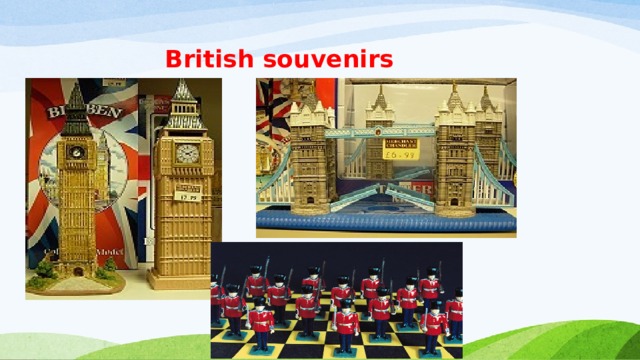
British souvenirs
Schools in Britain
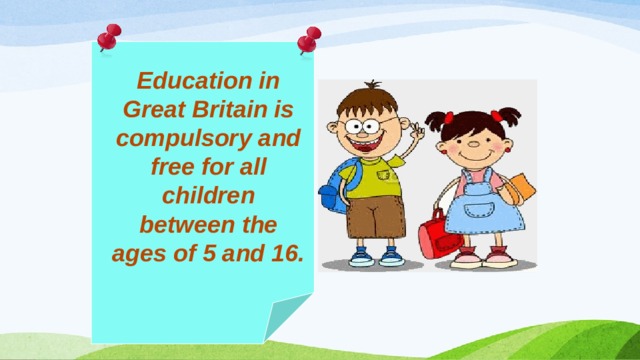
Education in Great Britain is compulsory and free for all children between the ages of 5 and 16.
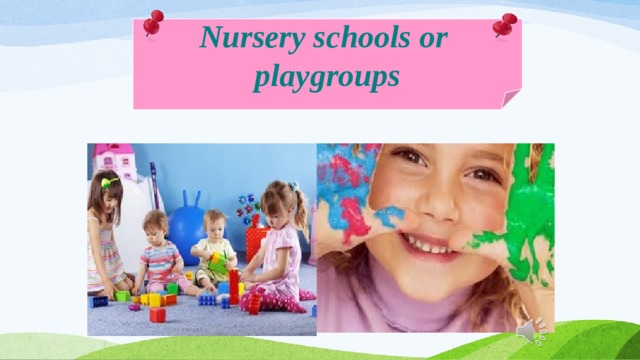
Nursery schools or
playgroups
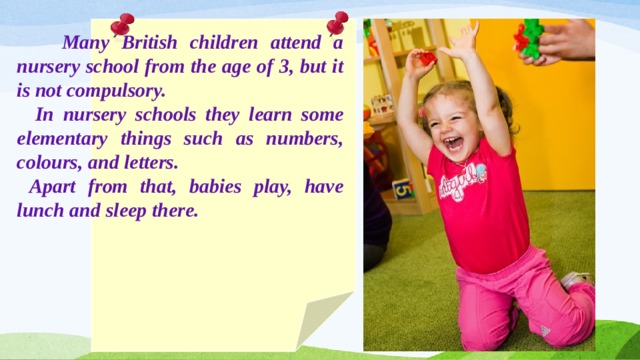
Many British children attend a nursery school from the age of 3, but it is not compulsory.
In nursery schools they learn some elementary things such as numbers, colours, and letters.
Apart from that, babies play, have lunch and sleep there.
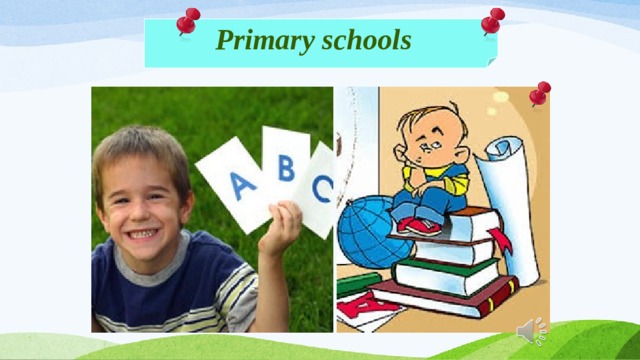
Primary schools
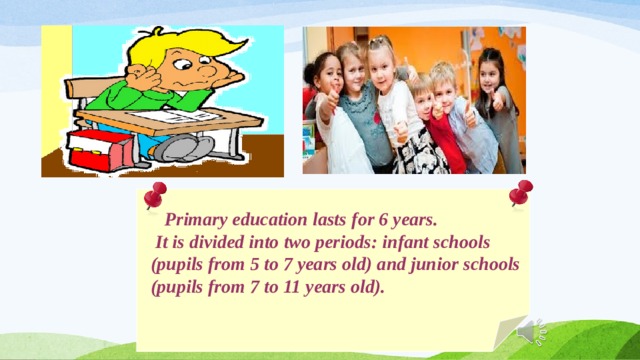
Primary education lasts for 6 years.
It is divided into two periods: infant schools
(pupils from 5 to 7 years old) and junior schools
(pupils from 7 to 11 years old).
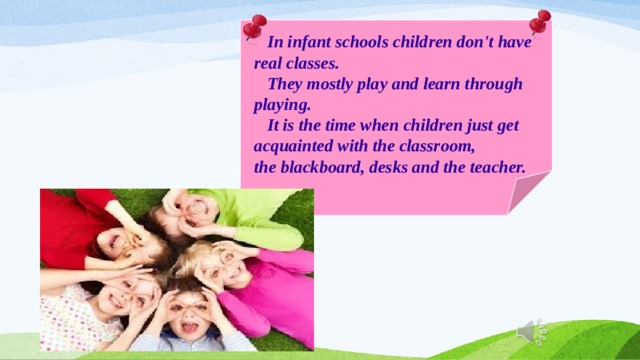
In infant schools children don't have real classes.
They mostly play and learn through playing.
It is the time when children just get acquainted with the classroom,
the blackboard, desks and the teacher.
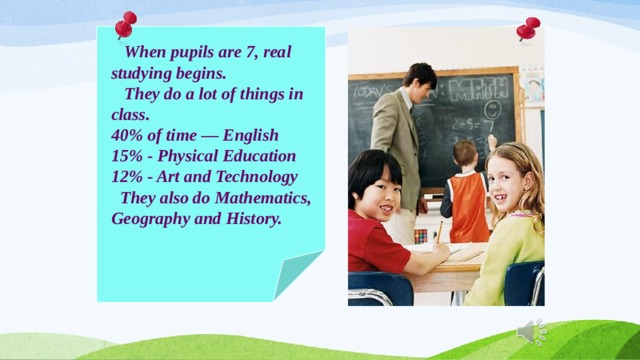
When pupils are 7, real studying begins.
They do a lot of things in class.
40% of time — English
15% - Physical Education
12% - Art and Technology
They also do Mathematics, Geography and History.
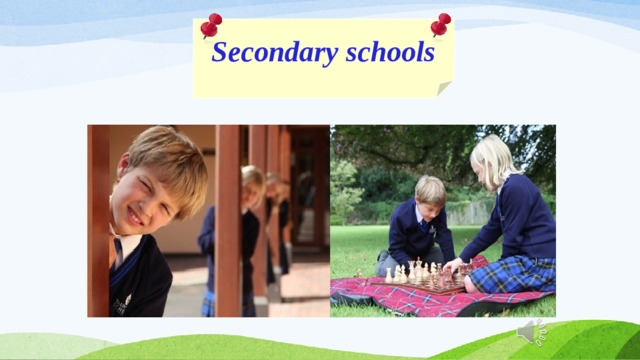
Secondary schools
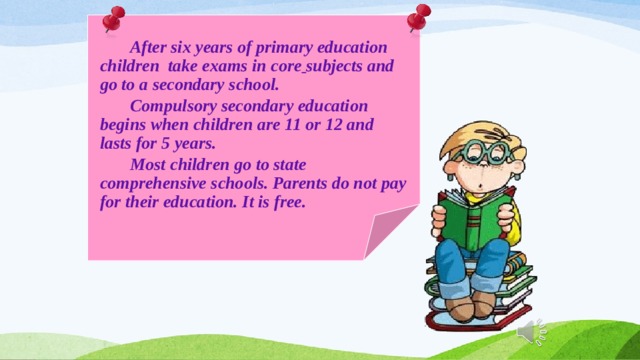
After six years of primary education children take exams in core subjects and go to a secondary school.
Compulsory secondary education begins when children are 11 or 12 and lasts for 5 years.
Most children go to state comprehensive schools. Parents do not pay for their education. It is free.
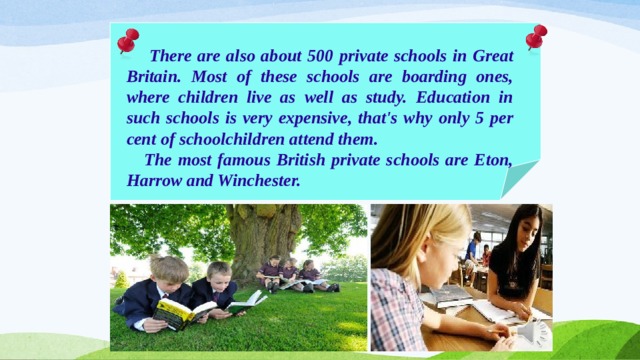
There are also about 500 private schools in Great Britain. Most of these schools are boarding ones, where children live as well as study. Education in such schools is very expensive, that's why only 5 per cent of schoolchildren attend them.
The most famous British private schools are Eton, Harrow and Winchester.
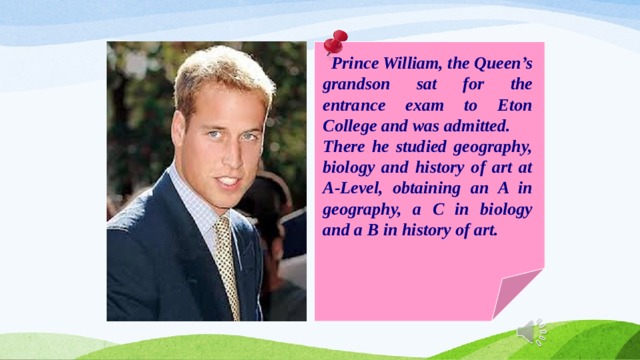
Prince William, the Queen’s grandson sat for the entrance exam to Eton College and was admitted. There he studied geography, biology and history of art at A-Level, obtaining an A in geography, a C in biology and a B in history of art.
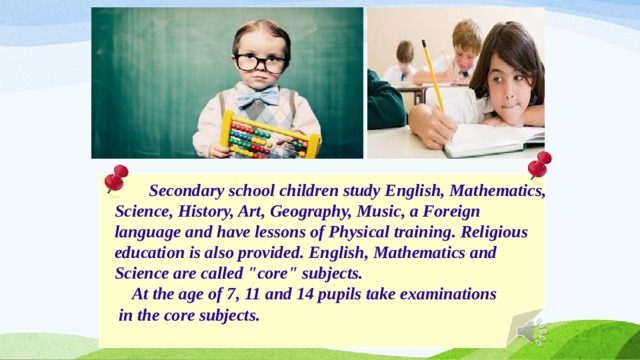
Secondary school children study English, Mathematics,
Science, History, Art, Geography, Music, a Foreign
language and have lessons of Physical training. Religious
education is also provided. English, Mathematics and
Science are called "core" subjects.
At the age of 7, 11 and 14 pupils take examinations
in the core subjects.
After five years of secondary education, pupils take
GCSE (General Certificate of Secondary Education)
examination.
60 % of children leave school and go to colleges
for further education.
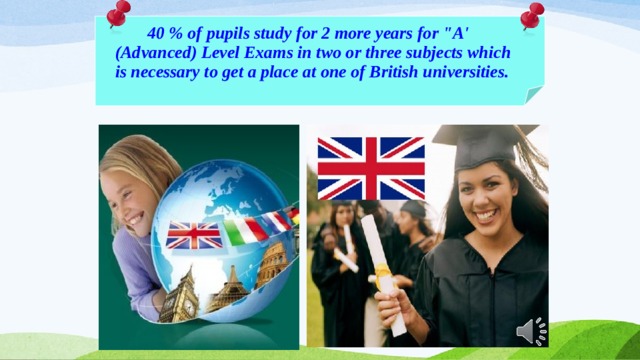
40 % of pupils study for 2 more years for "A' (Advanced) Level Exams in two or three subjects which is necessary to get a place at one of British universities.
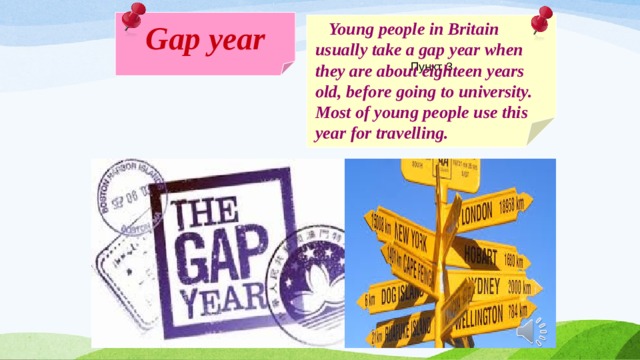
Gap year
Пункт 3
Young people in Britain usually take a gap year when they are about eighteen years old, before going to university. Most of young people use this year for travelling.
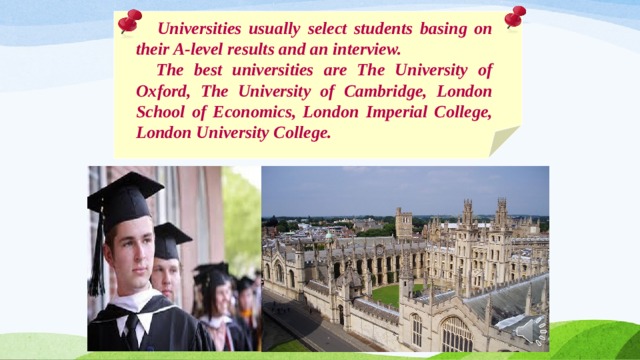
Universities usually select students basing on their A-level results and an interview.
The best universities are The University of Oxford, The University of Cambridge, London School of Economics, London Imperial College, London University College.
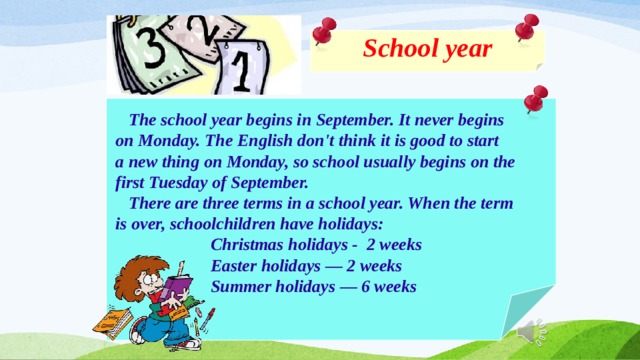
School year
The school year begins in September. It never begins
on Monday. The English don't think it is good to start
a new thing on Monday, so school usually begins on the
first Tuesday of September.
There are three terms in a school year. When the term
is over, schoolchildren have holidays:
Christmas holidays - 2 weeks
Easter holidays — 2 weeks
Summer holidays — 6 weeks
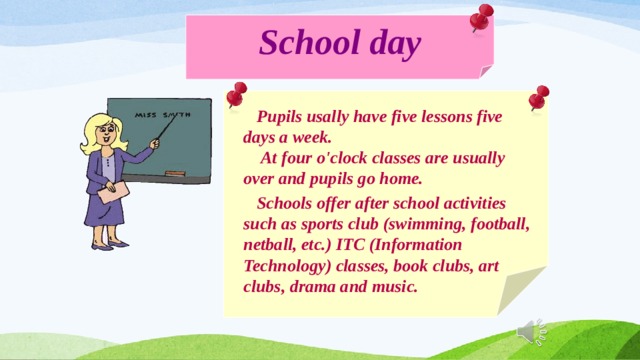
School day
Pupils usally have five lessons five days a week.
At four o'clock classes are usually over and pupils go home.
Schools offer after school activities such as sports club (swimming, football, netball, etc.) ITC (Information Technology) classes, book clubs, art clubs, drama and music.
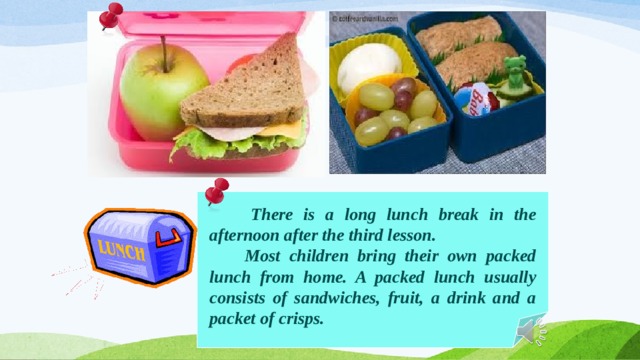
There is a long lunch break in the afternoon after the third lesson.
Most children bring their own packed lunch from home. A packed lunch usually consists of sandwiches, fruit, a drink and a packet of crisps.
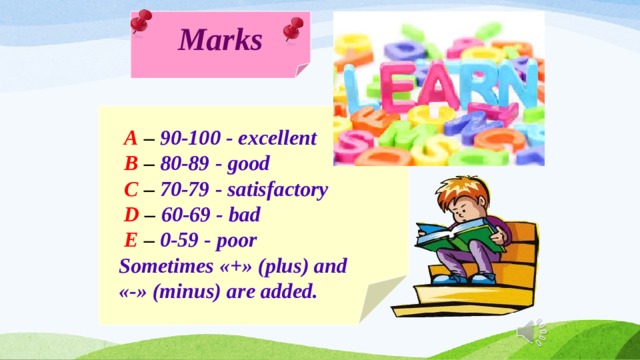
Marks
A – 90-100 - excellent
B – 80-89 - good
C – 70-79 - satisfactory
D – 60-69 - bad
E – 0-59 - poor
Sometimes «+» (plus) and «-» (minus) are added.
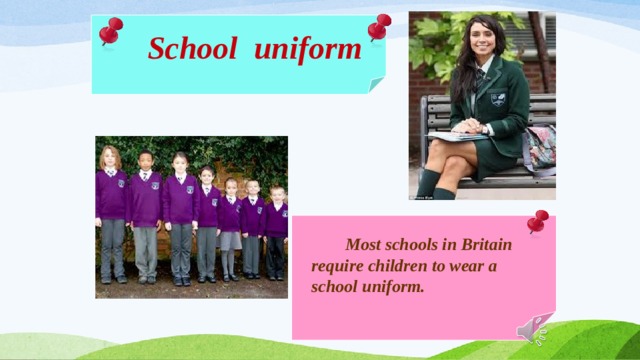
School uniform
Most schools in Britain require children to wear a school uniform.
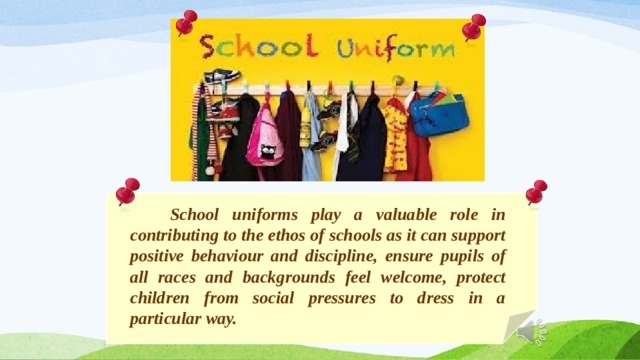
School uniforms play a valuable role in contributing to the ethos of schools as it can support positive behaviour and discipline, ensure pupils of all races and backgrounds feel welcome, protect children from social pressures to dress in a particular way.
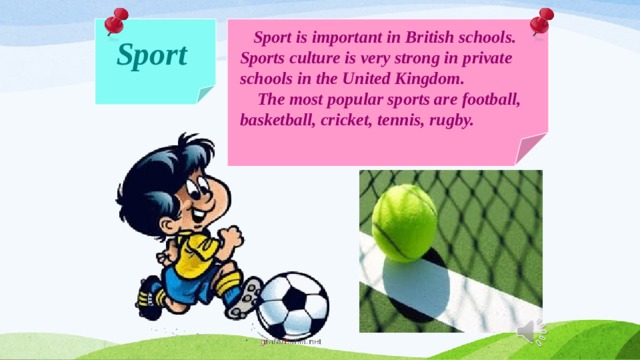
Sport
Sport is important in British schools.
Sports culture is very strong in private schools in the United Kingdom.
The most popular sports are football, basketball, cricket, tennis, rugby.
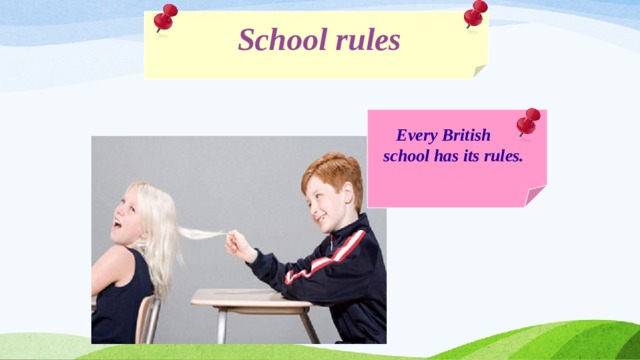
School rules
Every British school has its rules.
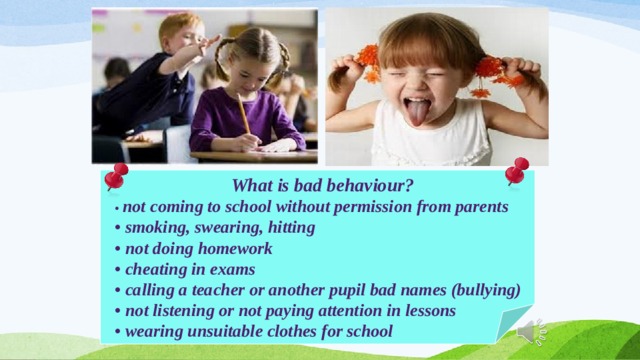
What is bad behaviour?
• not coming to school without permission from parents
• smoking, swearing, hitting
• not doing homework
• cheating in exams
• calling a teacher or another pupil bad names (bullying)
• not listening or not paying attention in lessons
• wearing unsuitable clothes for school
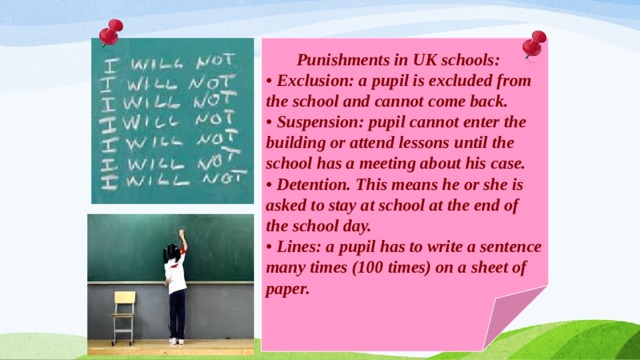
Punishments in UK schools:
• Exclusion: a pupil is excluded from the school and cannot come back.
• Suspension: pupil cannot enter the building or attend lessons until the school has a meeting about his case.
• Detention. This means he or she is asked to stay at school at the end of the school day.
• Lines: a pupil has to write a sentence many times (100 times) on a sheet of paper.
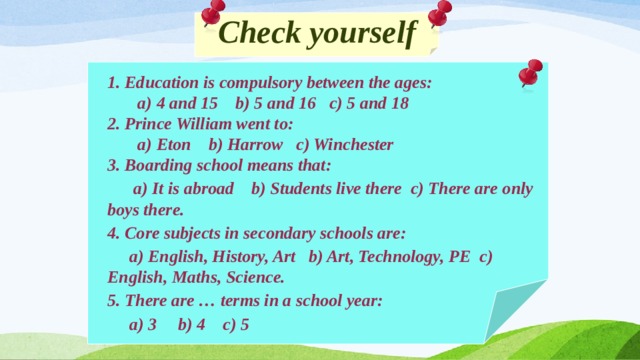
Check yourself
1. Education is compulsory between the ages:
a) 4 and 15 b) 5 and 16 c) 5 and 18
2. Prince William went to:
a) Eton b) Harrow c) Winchester
3. Boarding school means that:
a) It is abroad b) Students live there c) There are only boys there.
4. Core subjects in secondary schools are:
a) English, History, Art b) Art, Technology, PE c) English, Maths, Science.
5. There are … terms in a school year:
a) 3 b) 4 c) 5
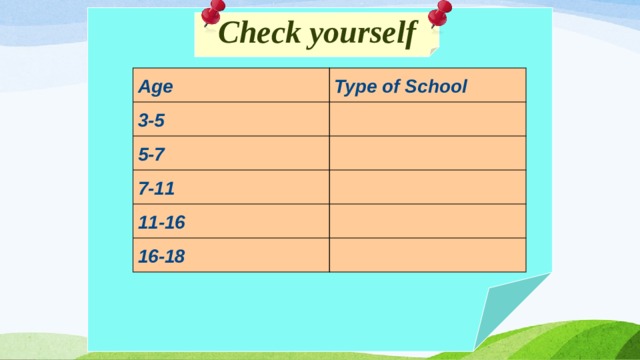
Check yourself
Age
Type of School
3-5
5-7
7-11
11-16
16-18
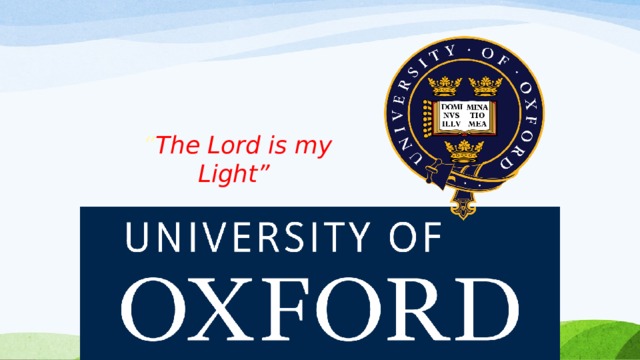
“ The Lord is my Light”
History
Teaching existed since 1096 .
- 1167 English students banned by Henry II from attending the University of Paris settled in Oxford
- 1249 the first college, University College
- 1878 Lady Margaret Hall , the first women's college
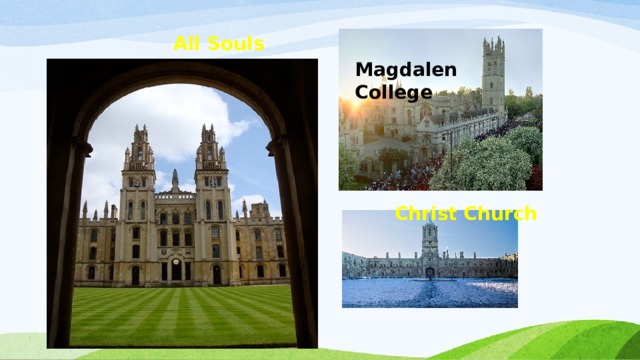
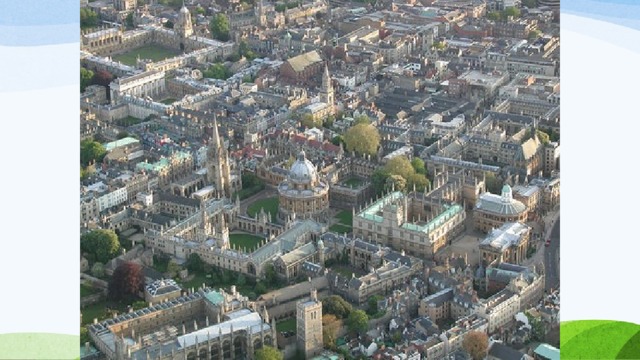
All Souls
Magdalen College
Christ Church
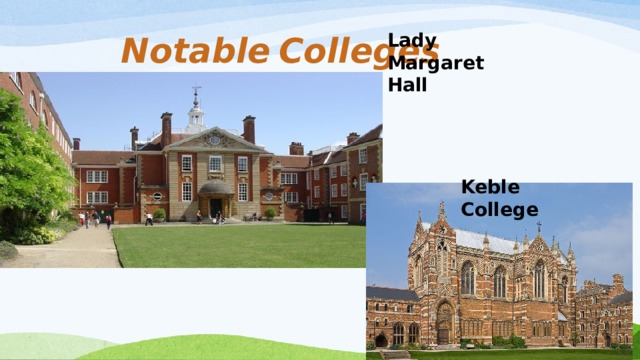
Notable Colleges
Lady Margaret Hall
Keble College
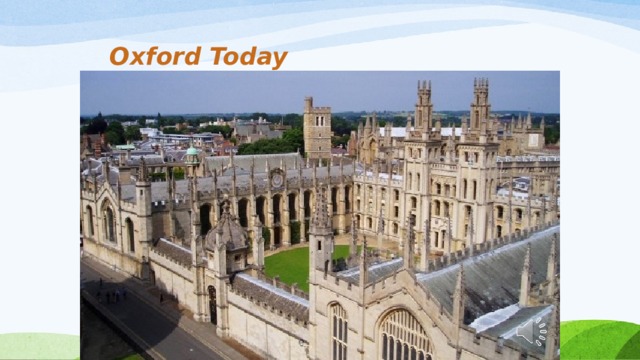
Oxford Today
- Students 20,330
Undergraduates 11,766
Postgraduates 8,701
- Chancellor Lord Patten of Barnes
- Vice-Chancellor Andrew Hamilton
("de facto" head of the University )
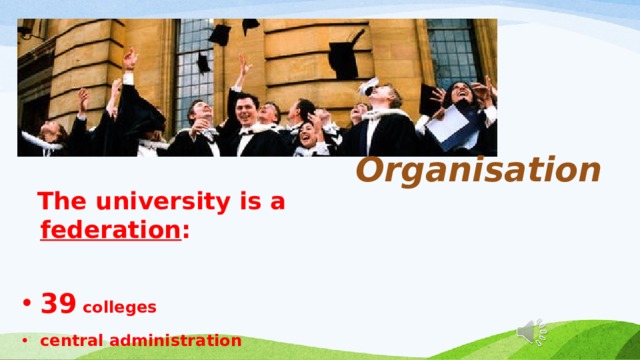
Organisation
The university is a federation :
- 39 colleges
- central administration
- 6 private halls
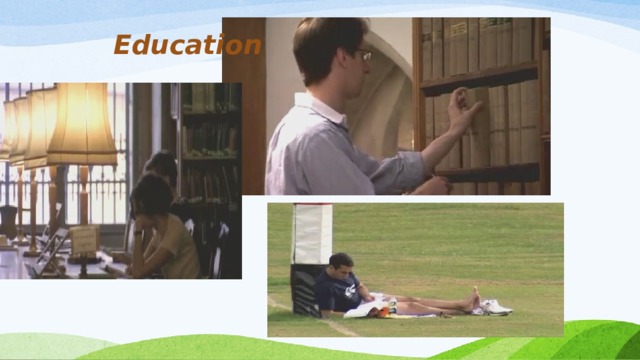
Education
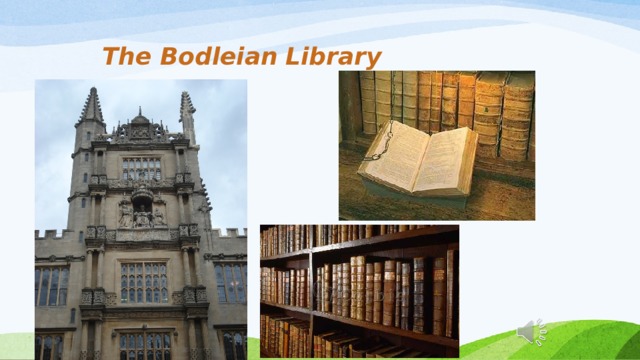
The Bodleian Library
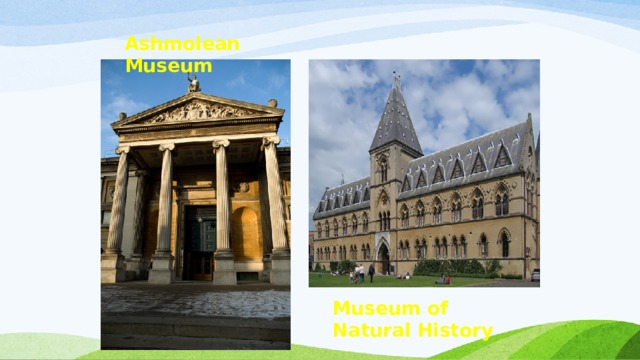
Ashmolean Museum
Museum of Natural History
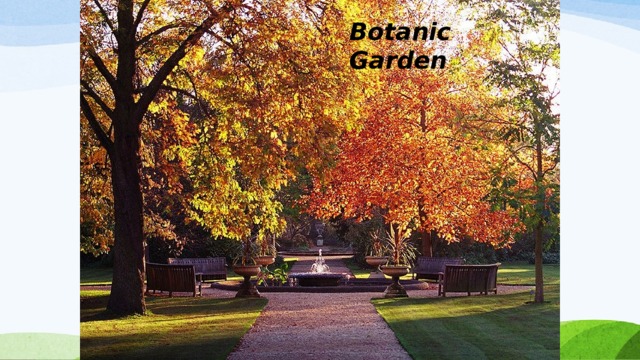
Botanic Garden
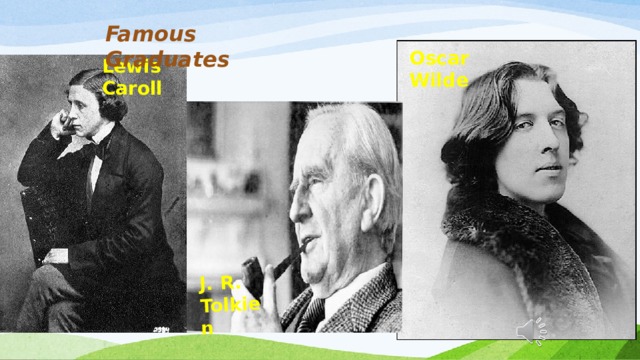
J. R. Tolkien
Famous Graduates
Oscar Wilde
Lewis Caroll
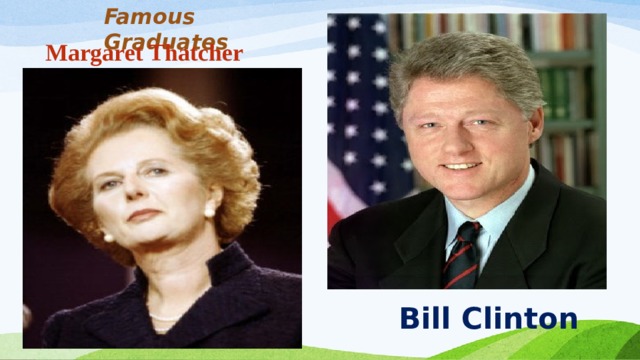
Famous Graduates
Margaret Thatcher
Bill Clinton
Famous Graduates
- 4 British and 8 foreign kings
- 47 Nobel-prize winners
- 25 British Prime Ministers
- 28 foreign presidents and prime ministers
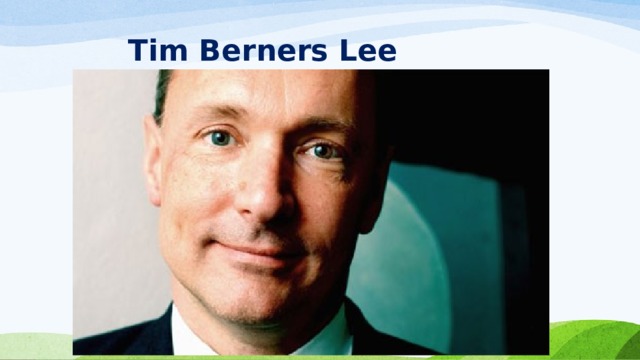
Tim Berners Lee
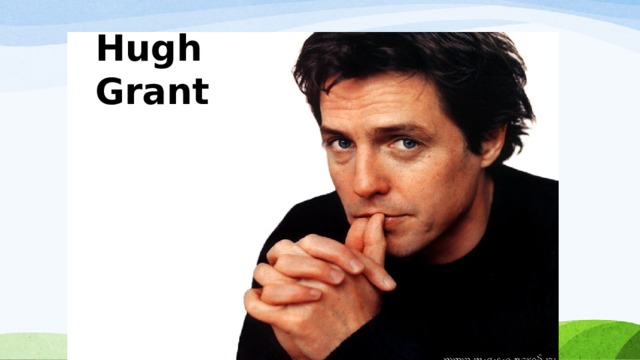
Hugh Grant
Thank you for your attention!!!
Вебинар для учителей

Свидетельство об участии БЕСПЛАТНО!