СДЕЛАЙТЕ СВОИ УРОКИ ЕЩЁ ЭФФЕКТИВНЕЕ, А ЖИЗНЬ СВОБОДНЕЕ

Благодаря готовым учебным материалам для работы в классе и дистанционно

Скидки до 50 % на комплекты
только до

Готовые ключевые этапы урока всегда будут у вас под рукой

Организационный момент

Проверка знаний

Объяснение материала

Закрепление изученного

Итоги урока

Экологические проблемы

Нажмите, чтобы узнать подробности

Урок в 10 классе к учебнику "Spotlight". 

Просмотр содержимого документа
«plan-konspekt_clean_air_at_home»

Урок по теме «Going Green», Spotlight 10, module 2

Clean air at home”

Класс: 10«А»-21.10, «Б»-21.10

Тема урока: Загрязнение воздуха. Чистый воздух дома“Clean air at home

Цели: совершенствовать умения монологических высказываний по теме «Загрязнение воздуха в помещении. Как защитить себя от загрязнителей воздуха внутри помещений?» с высказыванием своих суждений по решению проблемы.

Результаты:

  1. Обучающие:

  • активизировать лексические единицы по теме «Indoor pollution. How to protect yourself from indoor pollutants?»

  • прочитать текст «Clean air at home» с целью извлечения определенной информации, обсудить проблему текста.

  • просмотреть видеоматериал по теме «Indoor pollution. How to protect yourself from indoor pollutants? Понять необходимую информацию, представленную в видеосюжете.

  • совершенствовать умения монологических высказываний по проблеме

  • разработка проекта «Ecology» на тему «Indoor air pollution. What can we do to protect ourselves from indoor pollutants?»

  1. Развивающие:

    • развивать умение извлекать определенную информацию;

    • развивать умение кратко сообщать и обосновывать свой ответ, высказать свои суждения по проблеме;

    • учится лаконично излагать свои суждения по проблеме и способах ее решения в письменной речи.

  2. Воспитательные: воспитывать чувства сопричастности к проблемам сохранения чистоты воздуха, готовности решать связанные с этим проблемы

Оснащение урока: учебник ‘Spotlight 10’ (О.В. Афанасьева, И.В. Михеева, В.Эванс), компьютер, проектор, презентация к уроку, интерактивная доска, видеоматериал, задания на карточках.

Содержание урока

  1. Оргмомент.

T: Good morning, students. I hope you are well today, aren’t you? I propose to watch a video and discuss about it

II. Речевая зарядка. Обсуждение видеоролика.
1. What problem is mentioned in this video?
3. Is it so important to discuss this problem and solve it? Why?

What do you think we are going to discuss today? Right you are.(презентация Clean air at home)


III. Сообщение темы урока.

T: Today we’ll discuss the problems connected with air pollution.

IV. Задачи урокаObjectives(Presentation)

Reading: a text about air pollution at home; skill-reading for specific information
Listening for specific information
Speaking: giving a talk about air pollution
Writing: a draft(проект) .

V. Вопросы по теме с активизацией лексики по теме, необходимой для урока.

Let’s see what you already know:Презентация для урока

We know

We want to know

Now I know

Factories, cars cause air pollution

What else causes air pollution?


So, today at the lesson we’ll try to find out the answer to your question.

  • Vocabulary

Fill in the table with the words below.

Drop litter, cut down the forest, recycle trash, hunt animals, pour toxic wastes, create wild animal’s parks, nuclear power stations and factories, clean up rivers and seas, pollute natural habitat of animals.


Air, water, land pollution


Harm animals

How to save the Earth


Environment

Ecological

In fact

To breath

To last


To drop

Plant

Leaf

Atmosphere

Toxins

Chemicals climate


VI. Чтение. Reading. Clean Air at Home.

Now I’ll give you the time, you look through the text which is given at page 41, listen to the text and then we’ll discuss it.

You are given the tasks. You should choose the right answer:

1. Air pollutants come only from factories and cars.

2. Cleaning products, steam from cooking, sprays don’t pollute the air.

3. Insects, dust mites and mould can live well when doors and windows are closed.

4. People who are allergic to dust suffer from smoke and sprays.

5. Keeping the doors and windows opened, using natural cleaning products reduce indoor air pollution.

T: And now, please answer my questions:

  • What is the danger of using insect sprays?(air can be polluted by using them)

  • What happens if we don’t allow fresh air come into our house?(to reduce dust mites and mould)

  • What should we do to make the air fresh?( we should open the doors and windows 2-3 times a day)

Minimize – reduce to a minimum.
Exhaust fana fan which is used to control the interior environment

Coughing and sneezing – the main symptoms of flue and cold.

Recycle – to send (used newspapers, bottles, cans, ) to a place they are made into something new.

Asthmaa common lung disorder creating breathing difficulties

T: Students, you are given the boxes which can help you to answer the question: What can we do to protect us

Indoor air pollution

What can we do to protect us?


T: And now answer my questions:

  1. What type of air pollution is bad for people having asthma and allergy?

  2. What are the main types of indoor air pollution?

  3. What can we do to protect us?


IX: Заключительная часть, подведение итогов, активизация пройденной лексики

X. Домашнее задание. Homework

T: Write down your homework. You are to write an article «Indoor air pollution. What can we do to protect ourselves from indoor pollutants?»

Our lesson is over, thank you for the lesson. Good bye!


My land’

My native land,

The land of wonders.

Of autumn falls and

Summer thunders.

The greenest hills

And magic lakes,

The tender breeze,

Romantic dales(долы)…

Amazing land!

You give me wings,

You give me strength!


We know

We want to know

Now I know

Factories, cars cause air pollution

What else causes air pollution?


1. Air pollutants come only from factories and cars.

a) True b) False

2. Cleaning products, steam from cooking, sprays don’t pollute the air.

a) True b) False

3. Insects, dust mites and mould can live well when doors and windows are closed.

a) True b) False

4. People who are allergic to dust suffer from smoke and sprays.

a) True b) False

5. Keeping the doors and windows opened, using natural cleaning products reduce indoor air pollution.

a) True b) False

T: And now, please answer my questions:

  • What is the danger of using insect sprays?

  • What happens if we don’t allow fresh air come into our house?

  • What should we do to make the air fresh?


1. Air pollutants come only from factories and cars.

a) True b) False

2. Cleaning products, steam from cooking, sprays don’t pollute the air.

a) True b) False

3. Insects, dust mites and mould can live well when doors and windows are closed.

a) True b) False

4. People who are allergic to dust suffer from smoke and sprays.

a) True b) False

5. Keeping the doors and windows opened, using natural cleaning products reduce indoor air pollution.

a) True b) False

T: And now, please answer my questions:

  • What is the danger of using insect sprays?

  • What happens if we don’t allow fresh air come into our house?

  • What should we do to make the air fresh?


1. If we don’t throw away litter,

1. we won’t damage nature.

2. If we don’t leave litter in the forest,

2. we will reduce pollution

3. If we recycle paper,

3. we won’t cause the pollution.

4. If we don’t throw litter in the river,

4. the air will be cleaner.

5. If we don’t cut down trees,

5. we will help them in winter.

6. If we don’t leave fire in the forest,

6. we won’t cause water pollution.

7. If we don’t pollute forests,

7. birds won’t be disturbed.

8. If don’t damage baby trees,

8. we will protect nature.

9. If we feed birds in winter,

9. animals won’t be disturbed.

10. If we protect nature,

10. we won’t pollute nature

11. If we put litter in the bins,

11. you won’t destroy wildlife.

12. If people don’t paint on the trees,

12. you will reduce pollution.

13. If people plant baby trees,

13. we will reduce using electricity.

14. If we reuse plastic bottles,

14. we will save the world.

15. If we turn off the light when we go out the room,

15. we will reduce land pollution.

16. if you pick up litter,

16. our city will be cleaner.

17. If you make houses for birds,

17. birds won’t leave their homes.


1. If we don’t throw away litter,

1. we won’t damage nature.

2. If we don’t leave litter in the forest,

2. we will reduce pollution

3. If we recycle paper,

3. we won’t cause the pollution.

4. If we don’t throw litter in the river,

4. the air will be cleaner.

5. If we don’t cut down trees,

5. we will help them in winter.

6. If we don’t leave fire in the forest,

6. we won’t cause water pollution.

7. If we don’t pollute forests,

7. birds won’t be disturbed.

8. If don’t damage baby trees,

8. we will protect nature.

9. If we feed birds in winter,

9. animals won’t be disturbed.

10. If we protect nature,

10. we won’t pollute nature

11. If we put litter in the bins,

11. you won’t destroy wildlife.

12. If people don’t paint on the trees,

12. you will reduce pollution.

13. If people plant baby trees,

13. we will reduce using electricity.

14. If we reuse plastic bottles,

14. we will save the world.

15. If we turn off the light when we go out the room,

15. we will reduce land pollution.

16. if you pick up litter,

16. our city will be cleaner.

17. If you make houses for birds,

17. birds won’t leave their homes.


Просмотр содержимого документа
«таблица на начало)»

We know

We wanted to know

Now we know

Factories, cars cause air pollution

What else causes air pollution?


Просмотр содержимого презентации
«clean_air_at_home»
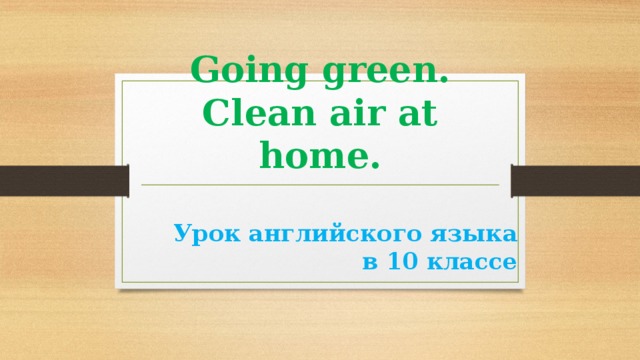
Going green.  Clean air at home. Урок английского языка в 10 классе

Going green. Clean air at home.

Урок английского языка в 10 классе

The International Environmental Organization Type  Non – governmental organization Founded 1971 Vancouver, British Columbia, Canada Location Amsterdam, Netherlands Area served Worldwide Focus Environmentalism, peace Method Direct action, lobbying, research, innovation Members 2.86 million (2008)

The International Environmental Organization

Type Non – governmental organization

Founded 1971 Vancouver, British Columbia, Canada

Location Amsterdam, Netherlands

Area served Worldwide

Focus Environmentalism, peace

Method Direct action, lobbying, research, innovation

Members 2.86 million (2008)

Water pollution

Water pollution

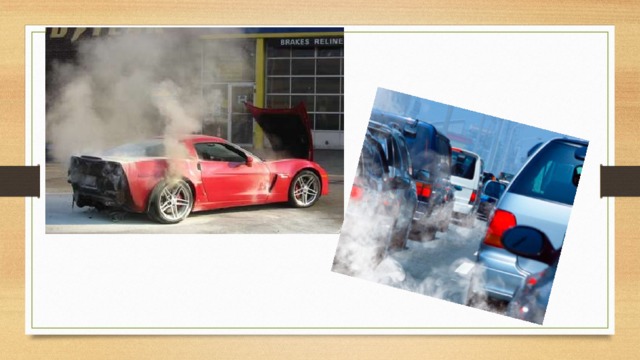
Air pollution

Air pollution

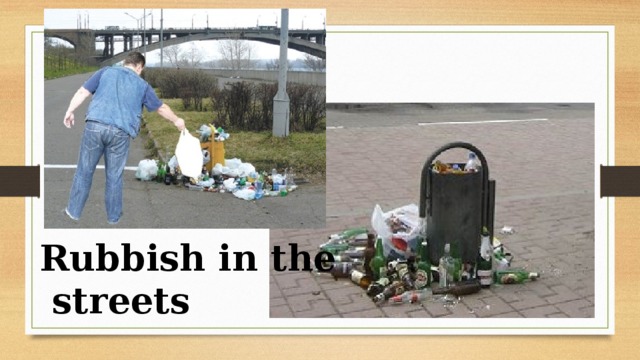
Rubbish in the  streets
Rubbish in the

streets

The first five books of the Bible When God created  the first man he took him and led him round all the trees of the Garden of Eden and  said to  him: look at my works, how beautiful they  are! Take care that you do not corrupt(портить)  and destroy my universe, for if you destroy it no one  will repair it after you!

The first five books of the Bible

When God created the first man he took

him and led him round all the trees of the

Garden of Eden and said to him: look at

my works, how beautiful they are! Take

care that you do not corrupt(портить) and destroy

my universe, for if you destroy it no one

will repair it after you!

The results of human activity 1 Carbon dioxide 2 It is formed from the combustion of all kinds of fuel. The increase of its existence in atmosphere leads to increase of its temperature. This is the way how we have ecological consequences. Carbon monoxide 3 It is formed from the incomplete combustion of fuel. It can break the thermal balance of atmosphere. Sulphur dioxide 4 5 Nitric oxides It is in smoke of the industrial enterprises. It causes respiratory diseases and a bronchitis in newborns. Smog is formed with them and caused respiratory diseases. Phosphates 6 There are many of them in fertilizers. They pollute rivers and lakes. Mercury 7 It is one of the most dangerous polluter. It harmfully operates on our nervous system Oil  It leads to the great ecological consequences: destruction of organisms, fishes, mammals.

The results of human activity

1

Carbon dioxide

2

It is formed from the combustion of all kinds of fuel. The increase of its existence in atmosphere leads to increase of its temperature. This is the way how we have ecological consequences.

Carbon monoxide

3

It is formed from the incomplete combustion of fuel. It can break the thermal balance of atmosphere.

Sulphur dioxide

4

5

Nitric oxides

It is in smoke of the industrial enterprises.

It causes respiratory diseases and a bronchitis in newborns. Smog is formed with them and caused respiratory diseases.

Phosphates

6

There are many of them in fertilizers. They pollute rivers and lakes.

Mercury

7

It is one of the most dangerous polluter. It harmfully operates on our nervous system

Oil

It leads to the great ecological consequences: destruction of organisms, fishes, mammals.

Reduce air pollution Clean the house

Reduce air pollution

Clean the house

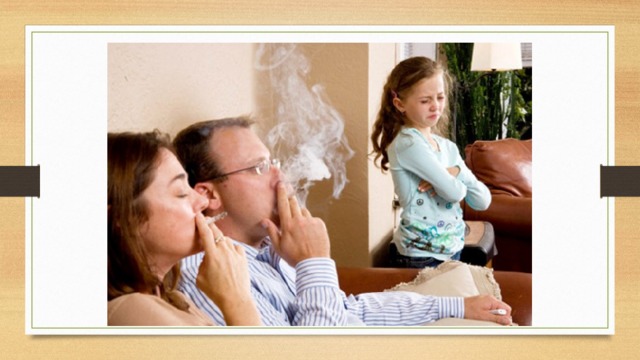
We know We want to know Now I know Factories, cars cause air pollution What else causes air pollution ? We cause air pollution using cleaning products; dust, paint, insect sprays, cigarette smoke, steam from cooking.

We know

We want to know

Now I know

Factories, cars cause air pollution

What else causes air pollution ?

We cause air pollution using cleaning products; dust, paint, insect sprays, cigarette smoke, steam from cooking.

The plan of the lesson: Revise the vocabulary of the topic. Work with the text in our book for specific information. 3. Do the quiz to find out how clean and safe  you keep the air inside the house. 4. Make a project how to solve  the problems of environment

The plan of the lesson:

  • Revise the vocabulary of the topic.
  • Work with the text in our book

for specific information.

3. Do the quiz to find out how clean and safe

you keep the air inside the house.

4. Make a project how to solve

the problems of environment