Кыргызстан, Кыргызстан Ош Ноокат

СДЕЛАЙТЕ СВОИ УРОКИ ЕЩЁ ЭФФЕКТИВНЕЕ, А ЖИЗНЬ СВОБОДНЕЕ
Благодаря готовым учебным материалам для работы в классе и дистанционно
Скидки до 50 % на комплекты
только до
Готовые ключевые этапы урока всегда будут у вас под рукой
Организационный момент
Проверка знаний
Объяснение материала
Закрепление изученного
Итоги урока

Была в сети 09.08.2020 06:18

Курсанбек кызы Минура Курсанбек
Учительница английского языка
 189
189
 178 204
Местоположение
Специализация
Favourites.Favourites
Категория:
Английский язык
24.07.2020 12:53

Просмотр содержимого документа
«Favourites.Favourites»
English lesson
Form:5th
Time:45minutes
Teacher:Minura Kursanbek kyzy
Theme:Favourites
 FAVOURITES
The objectives of the lesson:
to develop students ' search skills
to teach students to ask questions about wesaw, etc.
students of the rules of education and the use of possessive adjectives.
Exercise 1
The teacher holds the book open, says "Cover the dialogue" and shows the students that
they should cover the dialogue with their hand or notebook.The teacher draws the students 'attention to the photo of the boy and says:" This is David.How old is he? Where's he from?" Students make suggestions. At this stage, the teacher accepts the ideas without confirming or denying the information.The teacher says: "Listen and read the interview with David and check your ideas". Students they read and listen to the dialogue and find answers to questions.The teacher asks students to compare answers in pairs, and then checks the task.
1. Look at the picture. How old is the boy? Where
do you think heis from?
Listen or read. Check your ideas.
Interviewer = I; David D
I: Hello, David. Can I ask you somequestions?
D: Yes, sure.
I: How old are you?
D; I'm 11 and I'm a schoolboy.
I: Where are you from, David?
D: I'm from London, the capital of Great Britain.
I: Is this your first trip abroad?
D: Yes. I'm an exchange student... And...I'm really happy!
I: What's your favourite sport?
D: I like...
Exercise 2
a) the Teacher draws students ' attention to the words in the frame, Asks students to read
their chorus and tests the students ' understanding of words. At the same time, the teacher can use the car- tinky given in the exercise. The teacher may also ask students to give examples of words for each category: "give examples of movies. Give me examples of animals, etc."The teacher says: "David talks about his favorite things. Match the words with examples."One or two examples should be made with all students together to demonstrate the task.
b) Students work in pairs and compare their responses. The teacher then asks individual students to read their answers for the entire class. Students check their answers.
Answer: a) sports; b) movies; C) drinking; d) food; d) writer; e) animal; g) actor; h) singer
2. a) Complete the table about David's favourite things. Use the words in the box.
| film | actor | animal | food |
| sport | writer | drink | singer |
a) sport: football, cycling
b) __________ : Shrek, KungFu Panda
c) __________ : orange juice
d) ___________ : pizza and chocolate
e) ____________ : J. K. Rowling
f) ___________ : dogs
g) ____________ :Tom Cruise
h) ___________ : 50 Cent
b) Compare with a partner. Listen and check.
Exercise 3
a) the Teacher draws students ' attention to the words in the frame. The teacher reads the words; the students repeat the words in chorus after the teacher. The teacher draws the attention of students to the table and demonstrates the task. The teacher says, " horses. Could it be a movie? Is that a drink? " etc.When students say "horses are animals", the teacher shows that the word "horses" is written in the last column-animals. The teacher can demonstrate the completion of the task again, using the next word. Then the students work independently.The teacher asks students to compare responses in pairs and then checks the exercise.
Answer:
Actor: Jackie Chan, Brad Pitt; Singer: Beyonce,
Film: Star Wars, Twilight
Writer: Chyngyz Aitmatov, Jack London
Food: pasta, yoghurt
Drink: Coke, tea
Sport: football, skiing
Animal: horses, cats
b) the Teacher asks students to add their own examples for each category.
3. a) Complete the table with the words from the box.
| horses | football | Beyonce | Jackie Chan |
| pasta | tea | Star Wars | Brad Pitt |
| Timati | Chyngyz Aitmatov | cats | Twighlight |
| yoghurt | skiing | Jack London | Coke |
| Film | Drink | Actor | Writer | Sport | Singer | Food | Animal |
|
|
|
|
|
|
|
|
|
b) Add your favourite things to the table above
Exercise 4
The teacher says: "I'm a journalist. What question can I ask if I want to know what your favorite is is there a movie? Students should answer: "what is your favorite movie? The teacher says: "what may I ask if I want to know what your favorite drink is? What question can I ask if I want to know who is your favorite actor? " etc. The teacher helps students create questions for each of them categories and practices pronunciation and intonation in each question by asking students say each question several times in chorus.
The teacher draws the attention of students to the descending tone in questions, on the difference between interrogative pronouns, that and Who, "what is","who is".
The teacher demonstrates the task by asking a few questions to a strong student. Then students work in pairs and ask questions to each other. At the end of the assignment, separate students tell the class that they have learned about their interlocutor; in doing so, they must use possessive adjectives (possessive adjectives). For example, her favorite drink it's cocaine. His favorite animal is a dog.
4 W weork in pairs. Ask your partner about his or her favourite thing Use Who... to ask about people and What... to ask about things.
Who's your favourite writer? Chyngyz Aitmatov. And what is your favourite film?
Exercise 5
Before performing the exercise, the teacher reminds students about possessive adjectives. This can be done in the following way. The teacher writes a sentence on the blackboard"
I at (teacher's name)", highlighting the pronoun " I "in a different color or emphasizing it, teacher addresses one of the students: "you are (the student's name)" and writes the sentence to on the Board, highlighting the pronoun "you". Following the same pattern, he, she, it, We are they. It is very important to involve students at this stage to build sentences, as this will allow them to remember and repeat the previous one material.
The teacher introduces a grammatical term for the highlighted pronouns and says: "they pronouns are used.
Teacher then returns to the first sentence written on the blackboard: "I am and writes the second option " my name is ( ... )", highlighting the adjective "mu". Following the description in the above procedure, the teacher, with the active help of students, writes sentences on the blackboard
with "yours, his, hers, hers, Ours" - theirs. For students to better understand the meaning of possessive adjectives the teacher can give other examples. For example, " I-a the teacher is my job as a teacher, we are students - this is our class."
The teacher introduces a grammatical term for highlighted possessive adjectives and says, " these are possessive adjectives."
The teacher draws students ' attention to a rule in the textbook. Students write in notebook corresponding forms of pronouns and possessive adjectives.
To fix the grammatical material, you can play the following game. Teacher calls a pronoun or adjective. Students should say the appropriate a form based on the principle of "pronoun-adjective, adjective-pronoun". Teacher it can also organize in pairs, where students test each other.
Then students perform exercise N5. They work independently and fill in omission in possessive sentences.
Answer:
a)My
b)your
c)his
e)our
f)their
5. Complete the sentences with my, your, his, her, our, and their.
Example: I'm English. My family is from England.
a) I'm a schoolboy.________favourite subjects are Maths and English.
b) You're in class 5B. This is ______classroom.
c) He's a doctor._______name's Dan.
d) She's your friend. What's _______name?
e) We study at an international school.______students are from different countries.
f) They're new students.__________names are Akyl and Bakyt.
Exercise 6
Students rewrite sentences in a notebook, inserting the correct form of the draw-
adjectives.
Answer:
My name is Ben. (2) My mother is Sue, and (3) my father is Tom. We're American, but (4) our family is from Mexico and (5) our surname is Lopez. I have a sister. (5) Her name is Julie. Julie is married and has two children. (6) Their names are Richard and Stephen. (7) Her husband is very good. (8) His job is very interesting. He's a pilot. What about you? Can you tell me about (9) your family?
6. Complete the text with my, your, his, her, our, and their.
(1) My name is Ben. (2)____mother is Sue and
(3)_______father is Tom. We're American, but
(4)_____family is from Mexico and (5)surname is Lopez. I've got a sister. (5)_____name is Julie. Julie is married and she has got two children.
(6)_____names are Richardand Stephen.
(7)____husband is very good.
(8)____job is very interesting. He's a pilot. What about you? Can you tell me about
(9)_______family?




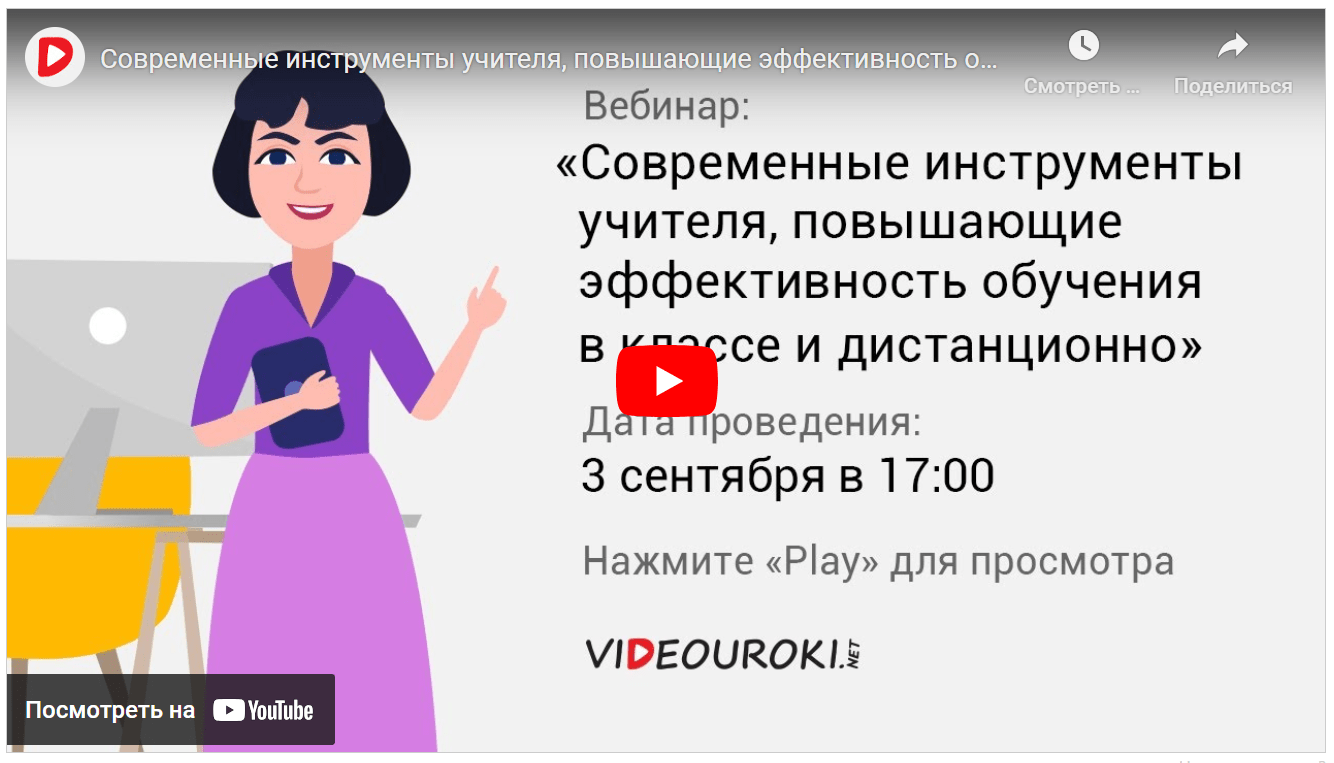
Вебинар для учителей
Свидетельство об участии БЕСПЛАТНО!