Қазақстан, Қызылорда

СДЕЛАЙТЕ СВОИ УРОКИ ЕЩЁ ЭФФЕКТИВНЕЕ, А ЖИЗНЬ СВОБОДНЕЕ
Благодаря готовым учебным материалам для работы в классе и дистанционно
Скидки до 50 % на комплекты
только до
Готовые ключевые этапы урока всегда будут у вас под рукой
Организационный момент
Проверка знаний
Объяснение материала
Закрепление изученного
Итоги урока
Была в сети 04.11.2017 18:09

Қуандықова Асылзат Абдуллақызы
Учительница
31 год
 1 683
1 683
 42 091
Местоположение
Food and drink. 1 grade. lesson plan
Категория:
Английский язык
04.11.2017 14:40

Просмотр содержимого документа
«Food and drink. 1 grade. lesson plan»
| LESSON1: Unit7. Food and drink Things I like | School: | |||||||
| Date: | Teacher name:
| |||||||
| CLASS:1 | Number present: | absent: | ||||||
| Learning objectives(s) that this lesson is contributing to | 1.L4 recognise with support short basic questions about what something is 1.S1 make basic personal statements about people, objects and classroom routines. 1.S2 ask questions basic exchanges about people, objects and classroom routines. 1.S5 use words in short exchanges 1.R4 use the alphabet to place the first letters of word in alphabetical order
| |||||||
| Lesson objectives | All learners will be able to: | |||||||
| ||||||||
| Most learners will be able to: | ||||||||
| ||||||||
| Some learners will be able to: | ||||||||
| ||||||||
| Assessment criteria | Researching about food and drink and preparing fact files.
| |||||||
| Language objective | - | |||||||
| Values links | Universal Labor Society | |||||||
| Previous learning | Vocabulary relating to food and animals | |||||||
| Plan | ||||||||
| Planned timings | Planned activities (replace the notes below with your planned activities) | Resources | ||||||
| 10 minutes
| I. ORGANIZATION MOMENT Greeting Phonetic drill [i:]-sweet,tea,meat,cheese [i]-biscuit,tin,chips,Christmas [ai]-pie, kind, like,knife [ei]-cake,plate,table
II. WARM UP ACTIVITY Warm up activity. T should divide Ls into 2 groups using two pictures with food and drink
(Banana, milk, cheese, egg, chicken, juice, ) Our new theme is "Food and Drink"
III. Introducing with new words. Chorus drilling IV. Game “slowly, slowly” Teacher gives the picture and cover, then she opens the picture slowly, slowly. Learners should find what picture is it?
|
PPT
| ||||||
| Middle
5minutes
10minutes 5 minutes 5 minutes
| V.DEMONSTRATION Introducing new material What`s missing? Here the teacher sticks pictures on the board and make them repeat. Then the teacher asks them to close their eyes and take away one card. Here they should find the missing picture. Tomato, lemon, carrot, orange, tea, chicken, potatoes. Magic eyes. There are some pictures on the board.The teacher asks the pupils to repeat quickly and take away the first picture. And again the teacher makes them name the pictures. Then teacher takes away the second picture and they should again name the pictures. Sweet, water, sandwich, sugar, biscuit, juice, butter.
Flashcard riddles. There are some pictures on the board. The teacher describes any fruit and pupils should guess the word. It is circle and red.(Tomatoes ) It is yellow. Monkeys like it. (Banana) It is delicious. Its colour may be red, green and yellow.(Apple) It is circle and white. (Egg) It lives in the water. Most of you like to eat it.( Fish) It is white. We usually get it from a cow.(Milk)
VI.TEACHING STRUCTURES “I LIKE/ I DON’T LIKE” Closed questions : Do you like an apple? Do you like an orange? Do you like a tomato? Do you like a banana? Open questions: What is your favourite food? What is your favourite fruit? What is your favourite drink?
VII. Sing the song “I like and I don’t like”
Teacher drills pronunciation of the words correctly. Once they repeat after the T, then they repeat individually.
VIII Group work. Task: Match the pictures with the words juice
banana
chicken
eggs
milk
cheese
IX. Speaking (FA) Before starting the activity Teacher will show Learners how to do it. Call a student to go to the board. There will be all the cards in a box or in a basket. L will take one card and say the sentence: I like …./ I don’t like… For example: I like ice cream. I don’t like cheese. (differentiation) Teacher keeps the conversation by asking questions: Is it yummy or yucky?
Peer assessment: others listen when somebody says a sentence and corrects or helps to say. Choose one more able student to assess others by giving a sticker. But the teacher makes the final decision
X. Game. “Fruit Rope Jump” Task: to remember new words. Teacher takes a length of rope, and lays it across the floor at one end of the classroom. On one side places the 6 pictures of fruit and the box. Students line up on the other side of the rope. Model: “(Student’s name), put the (apple) in the box”. Run up to the rope, jump over the rope (say “Jump!) select the correct fruit and put it in the box.
|
PPT
Box Pictures of fruit
Pictures of Fruit rope
| ||||||
| End 5mins | XI.Conclusion Students should answer the questions: What is this? What is it? Do you like banana? Do you like coke? etc. What is the English for алма?
Now students I want to give you one more task . Here you should find the names of the food and drinks. Then you must divide them into three columns such as fruit, vegetables and other.
Teacher gives the comments about pupils’ work and awards pupils. Reflection with smilics
“Excellent” ` “Very well” “Good” |
| ||||||
| Additional information | ||||||||
| Differentiation – how do you plan to give more support? How do you plan to challenge the more able learners? | Assessment – how are you planning to check learners’ learning? | Cross-curricular links | ||||||
|
| PT Knowledge of the world | ||||||
| Reflection Were the lesson objectives/learning objectives realistic? What did the learners learn today? What was the learning atmosphere like? Did my planned differentiation work well? Did I stick to timings? What changes did I make from my plan and why?
| Use the space below to reflect on your lesson. Answer the most relevant questions from the box on the left about your lesson.
| |||||||
|
| ||||||||
| Summary evaluation What two things went really well (consider both teaching and learning)? 1: 2: What two things would have improved the lesson (consider both teaching and learning)? 1: form of working (group and pair work) 2: What have I learned from this lesson about the class or individuals that will inform my next lesson?
| ||||||||
 Banana
 Eggs
Eggs Cheese
 Juice
Juice Milk
Milk Chicken


 Discription


 Learners can match the pictures with words.


Вебинар для учителей
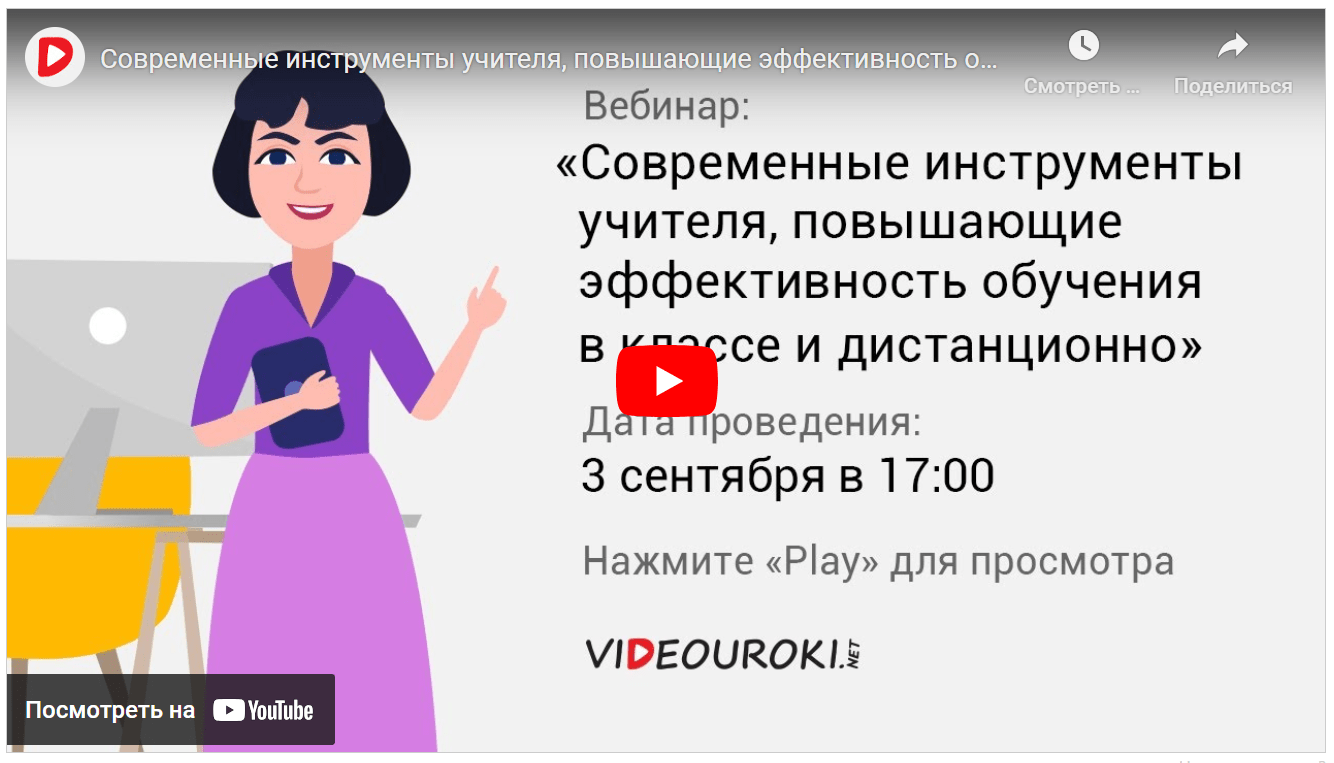
Свидетельство об участии БЕСПЛАТНО!