

Казахстан, Тараз

СДЕЛАЙТЕ СВОИ УРОКИ ЕЩЁ ЭФФЕКТИВНЕЕ, А ЖИЗНЬ СВОБОДНЕЕ
Благодаря готовым учебным материалам для работы в классе и дистанционно
Скидки до 50 % на комплекты
только до
Готовые ключевые этапы урока всегда будут у вас под рукой
Организационный момент
Проверка знаний
Объяснение материала
Закрепление изученного
Итоги урока

Была в сети 20.05.2017 04:46

Беймбетова Гаухар Рысбаевна
учитель английского языка
 381
381
 126 944
Местоположение
Специализация
Food for thought for 10th grade
Категория:
Английский язык
04.02.2017 12:21

Просмотр содержимого документа
«Документ Microsoft Word»
AKKOL SECONDARY SCHOOL

The theme:
Food for thought
Done by : Teacher of English at
secondary school Akkol
Beimbetova Gaukhar
Village Akkol
2016-2017
Күні : 18.11.2016
Сыныбы : 10 сынып
Сабақтың тақырыбы: Тағам түрлері
Сабақтың мақсаты: Оқушыларды “food for thought” тақырыбымен
таныстыру. Жаңа сөздер тақырыптық сөздермен
жұмыс жасап сөздік қорын молайту, жаңа
мәтінмен жұмыс істеу.
Міндеттері:
білімділік:оқушылардың оқу қабілеттерін, білім-білік, таным ерекшеліктерін арттыру
Дамытушылық: оқушылардың сөйлеу тілін дамыту
Тәрбиелік: оқушылардың бір-бірінің ойларын тыңдай, сыйлай білуге үйрету
Күтілетін нәтиже: оқушылардың өзге елдердің мәдениеті , ұлттық тағамдары жайлы ағылшын тілінде өз ойын , алған білімдерін еркін жеткізе алуы
Сабақ көрнекілігі: оқулық, магнитті тақта, презентация, өлең мәтіні
Сабақ түрі: дәстүрлі
Сабақ типі: жаңа білімді меңгерту
Байланысы: қазақ тілі, биология, география
Сабақ әдісі: түсіндіру, сұрақ-жауап
Сабақ барысы:
I. Ұйымдастыру
А) Good morning, children! – how are you today?- ok, thank you. Sit down, please.
- who is absent? Do you feel like working?
B) Who wants to tell me, what is the date today?
- what day is it today?, day of the week?
II. Үй жұмысын тексеру. Exercise 12, page 63
I`ll ask some words from vocabulary, for instance: what is the weather like today?- is it sunny today? Is it misty today? Is it snowy today? What kind of words about the weather you know?
III. Сабақтың тақырыбымен, мақсаттарымен таныстыру.
Our theme in our lesson is “Food for thought”.
IV. Жаңа сабақ
Exercise 1. complete the diagramme.
Unhealthy food
Speaking. Exercise 2. Discuss the following questions in small groups.
Are you healthy?
Do you eat things that are good for you?
Do you think about your diet?
Do you ever eat too much/too little?
Do you take vitamins?
Exercise 3. Read the letter to a teenage magazine.
I`m writing about the weight problem I had. I always weigh seven stone. And I wanted to stay that way. But a year ago I put on weight. Half a stone to be precise. I was worrying about my weight. I started to exercise madly and to cut down seriously on the amount of food that I ate.
Exercise 4. Read the Mary`s letter again. Make a list of criticisms and suggestions , like this: She shouldn`t have worried about putting on a little weight.
V. Exercise 5. In a small group discuss what methods of losing weight you can suggest.

Exercise 6. Read the text. Check the meanings of the new words in your dictionary.

VI. Exercise 7. Look through the text again and find the words of food that you think are unusual.
For instance: urchins, ,
Are they eaten in Kazakhstan?
Have you ever tried any of them?
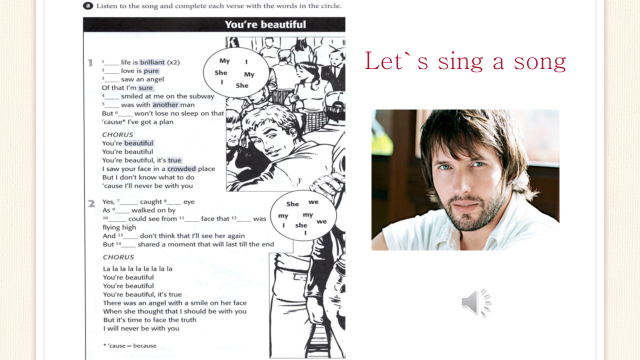
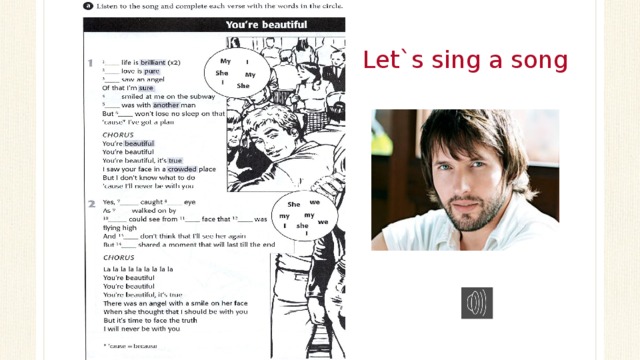
Ok, children, listen take a brake and listen to a song of James Blunt “You are Beautiful”
VII. Қорытынды : өтілген жаңа сабақты қорытындылау, оқушыларды бағалау

VIII. Үйге тапсырма: exercise 8, to complete the table.
Тексерілді:
Просмотр содержимого презентации
«FOOD FOR THOUGHT»

FOOD FOR THOUGHT
(ТАҒАМ ТҮРЛЕРІ)

SPEAKING
- Are you healthy?
- Do you eat things that are good for you?
- Do you think about your diet?
- Do you ever eat too much/too little?
- Do you take vitamins?

ACTIVE VOCABULARY
- Delicacy ['delikәsi] – деликатес, жеңсік
- Celebration [seli'breiSәn]– тойлау, мейрамдау
- Rare [rea`]- сирек
- Nest [ nest] - ұя
- Urchins [`ә:tSin] – теңіз кірпісі
- Locust ['lәukәst]– шегіртке
- Snail [sneil] - ұлу
- Tribe [traib] – тайпа
- Tarantula [ta'rәentjula] – бүйі
- Seaweed ['si:wi:d] - балдыр
- Eel [ i: l]- жыланбалық
- Squid [skwid] – кальмар
- Octopus [‘oktәpәs]- сегізаяқ

Read the text
There are over 200 different countries in the world. Often, a single country contains many cultures.
Since earliest times, people al over the world have considered certain dishes to be delicacies - special food which they eat during festivals and celebrations. But a delicacy in one country may seem very unpleasant to someone from a completely different culture.
Chinese make a very rare expensive soup out of the nest of a particular kind of bird. In Japan sea urchins are popular dish. Aborigines in Australia eat locusts, the French and Spain enjoy eating snails. There`s even a tribe in Central America who eat tarantulas` eggs.
So, why is the idea of eating insects or snails, or spider`s eggs more unpleasant than the idea of eating fish and chicken? It`s all question of culture and tradition. For example, the Japanese eat seaweed, but most of them find the cheese disgusting. In Thailand snakes are a delicacy. The British people wouldn`t eat snakes, but eels are a traditional food. A lot of British people don`t like the idea of eating squid, octopus or snails, but in the most other European countries, these are normal foods.
Let`s sing a song

Country
Food
China
locust
France
Central America
snake
Japan
Europe
eel
Exercise 8, page 65.
- Complete the table





Вебинар для учителей

Свидетельство об участии БЕСПЛАТНО!



