СДЕЛАЙТЕ СВОИ УРОКИ ЕЩЁ ЭФФЕКТИВНЕЕ, А ЖИЗНЬ СВОБОДНЕЕ

Благодаря готовым учебным материалам для работы в классе и дистанционно

Скидки до 50 % на комплекты
только до

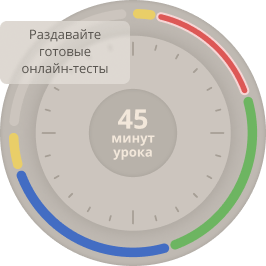
Готовые ключевые этапы урока всегда будут у вас под рукой

Организационный момент

Проверка знаний

Объяснение материала

Закрепление изученного

Итоги урока
GLOSSARY of term notions for PBL

Нажмите, чтобы узнать подробности

GLOSSARY of term notions for PBL using lectures (1-2)

Просмотр содержимого документа
«GLOSSARY of term notions for PBL»
GLOSSARY

Acquaint - to cause to come to know personally.

Authentic assessment - evaluating by asking for the behavior the learning is intended to produce.

Build or invent - to design and/or create something that has never been made before.

Coherence - the quality or state of cohering, especially a logical, orderly, and aesthetically consistent relationship of parts.

Communication skills - the ability to convey information to another effectively and efficiently.

Collaborative - produced by or involving two or more parties working together.

Creativity - the use of imagination or original ideas to create something.

Critical thinking - productive thinking – not only challenging ideas but producing them – coming to conclusions about issues.

Cross-cultural understanding - the ability to recognize differences in traditions and habits among people of different ethnics, religions, localities, regions, and countries or nations.

Challenge or destroy - (the situation of being faced with) something that needs great mental or physical effort in order to be done successfully and therefore tests a person's ability.

Digital age skills - the knowledge and skills that students need to know and be able to do by the time they graduate from secondary school.

Dismiss - to decide that something or someone is not important and not worth considering.

Essential question - the principal component of designing inquiry-based learning; an open-ended question that sparks students interest and allow for multiple answers.

Feedback - the return of a portion of the output of a process or system to the input, especially when used to maintain performance or to control a system or process.

Figure out - a written or printed symbol representing something other than a letter, especially a number.

Innovation - a new idea or method, or the use of new ideas and methods.

Learning motivation - a driving force or drive to perform an

activity of learning.

Lifelong learning - the "ongoing, voluntary, and self-motivated" pursuit of knowledge for either personal or professional reasons.

Open-ended – question that typically will not have a single, final, and correct answer.

Persuade or convince - to make someone do or believe something by giving them a good reason to do it or by talking to that person and making them believe it.

Predict - to state, tell about, or make known in advance, especially on the basis of special knowledge.

Project - a carefully planned piece of work to get information about something, to build something, to improve something.

Project-Based Learning (PBL) - an innovative, systematic teaching method that promotes student engagement through deep investigations of complex questions.

Provocative - causing thought about interesting subjects.

Real world - the practical world as opposed to the academic world.

Social responsibility -is an ethical framework and suggests that an entity, be it an organization or individual, has an obligation to act for the benefit of society at large.

The 21st century skills - a set of abilities that students need to develop in order to succeed in the information age.

Visualization or visualisation - is any technique for creating images, diagrams, or animations to communicate a message.

Wonder - the emotion aroused by something awe-inspiring, astounding, or surprising.