Россия, санкт-петербург


СДЕЛАЙТЕ СВОИ УРОКИ ЕЩЁ ЭФФЕКТИВНЕЕ, А ЖИЗНЬ СВОБОДНЕЕ
Благодаря готовым учебным материалам для работы в классе и дистанционно
Скидки до 50 % на комплекты
только до
Готовые ключевые этапы урока всегда будут у вас под рукой
Организационный момент
Проверка знаний
Объяснение материала
Закрепление изученного
Итоги урока

Была в сети 13.04.2026 10:47

Савчиц Марина Анатольевна
English teacher and instructor
47 лет
 479
479
 109 494
Местоположение
Специализация
Healthy relationships
Категория:
Английский язык
08.01.2025 16:51

Просмотр содержимого документа
«Healthy relationships»
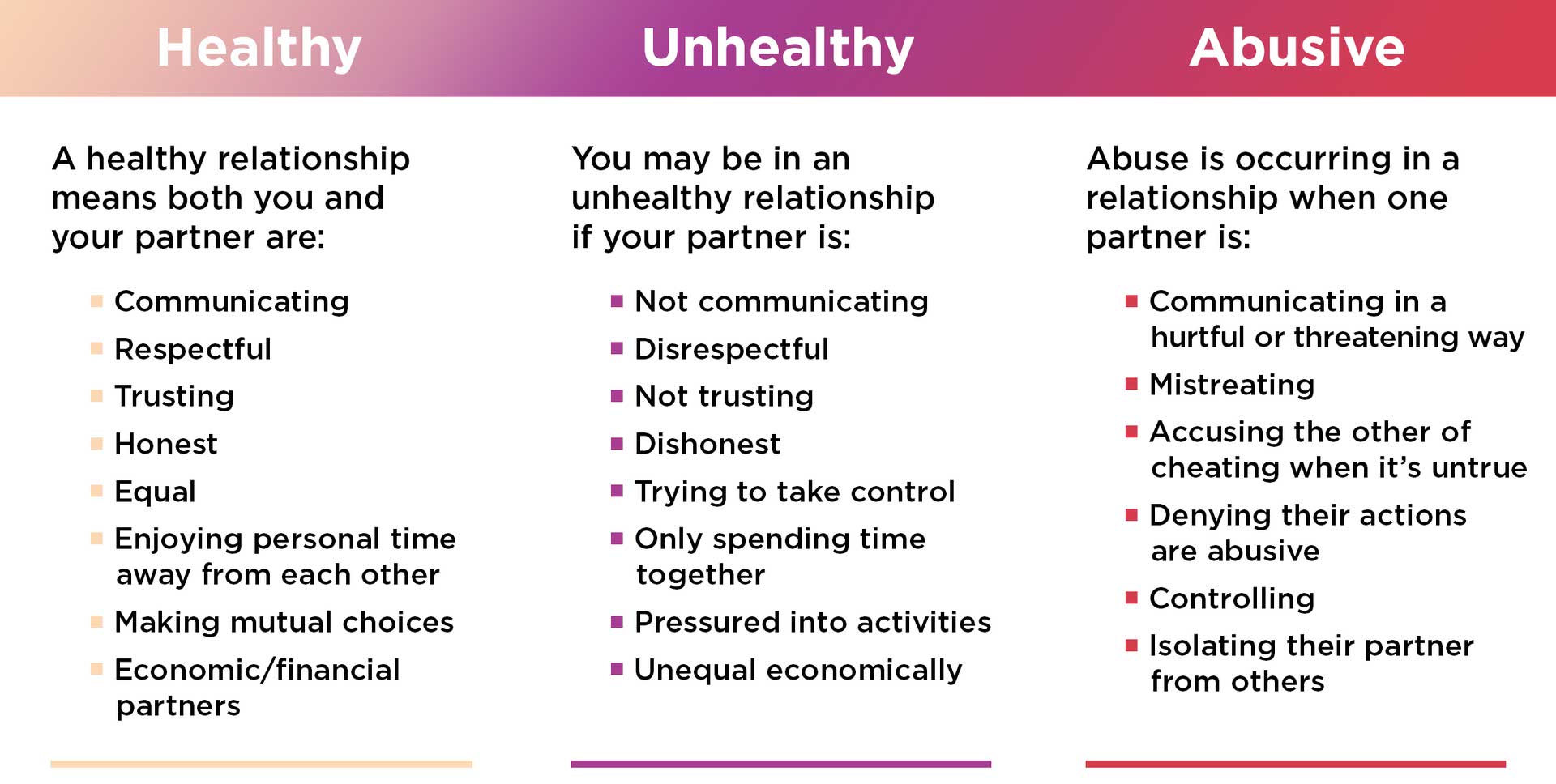
Relationships
| Relationships |
| The concept of "relationship" encompasses a wide range of connections between individuals, from familial bonds to romantic entanglements. While the term often conjures images of romantic love, it extends far beyond that, encompassing friendships, professional connections, and even the complex dynamics between family members. These relationships, regardless of their nature, play a crucial role in shaping our lives, influencing our well-being, and contributing to our overall sense of belonging.
The foundation of healthy relationships, whether romantic or platonic, lies in open and honest communication. This involves expressing your needs and desires, actively listening to your partner's perspective, and finding common ground despite differences. It also entails acknowledging and addressing conflicts in a respectful manner, without resorting to fear or intimidation. A healthy relationship fosters a sense of emotional security, allowing individuals to express themselves freely without fear of judgment or retaliation.
Beyond communication, healthy relationships require a commitment to mutual growth and support. This means encouraging each other's personal development, celebrating successes, and offering a shoulder to lean on during challenging times. It also involves recognizing that relationships are not static entities but rather dynamic processes that evolve over time. As individuals change and grow, so too must the relationship adapt to accommodate these changes.
While romantic relationships often take center stage, the importance of platonic connections should not be underestimated. Friendships provide a vital source of support, companionship, and shared experiences. They offer a safe space to be vulnerable, to share joys and sorrows, and to navigate the complexities of life. Strong friendships can contribute to a sense of belonging, reduce feelings of loneliness, and enhance overall well-being.
The ability to form healthy relationships is not innate but rather a learned skill. Early childhood experiences with caregivers play a significant role in shaping our patterns of relating to others. While these early experiences are not deterministic, they can influence our expectations, communication styles, and overall approach to relationships. However, it is never too late to learn and grow in this area, developing the skills and understanding necessary to build fulfilling and meaningful connections.
|
| Reading Summary |
| Healthy relationships, regardless of their type, are built on open communication, mutual respect, and a commitment to growth and support. These connections play a crucial role in shaping our lives, influencing our well-being, and contributing to our sense of belonging. While early experiences can influence our relationship patterns, the ability to form healthy relationships is a learned skill that can be developed throughout life. |
Vocabulary
| Term | Definition | Example Sentence |
| encompasses (verb) | To include or contain as a part of a larger whole; to cover or embrace completely. | The new curriculum encompasses a wide range of subjects, from history and literature to science and mathematics. |
| dynamics (noun) | The forces or factors that influence the behavior of a system or process; the way in which different elements interact and change over time. | The dynamics of the family changed significantly after the birth of their first child. |
| platonic (adjective) | Characterized by a close relationship of mutual affection and respect, but without sexual attraction or romantic involvement. | Their relationship was purely platonic, a deep friendship built on shared interests and values. |
| intimidation (noun) | The act of making someone afraid or timid; the use of threats or force to make someone do something. | The bully's intimidation tactics created a climate of fear in the schoolyard. |
| deterministic (adjective) | Relating to or characterized by determinism, the belief that all events are predetermined and inevitable. | Some people believe that our personalities are deterministic, shaped entirely by our genes and upbringing. |
Multiple Choice Questions
| Question #1 | Question #2 | Question #3 |
| Based on the passage, what nuanced inference can be made about the nature of healthy relationships? | Which piece of textual evidence from the passage most convincingly supports the author's assertion that the ability to form healthy relationships is a learned skill? | How does the author's use of the phrase "dynamic processes" in the third paragraph contribute to the understanding of healthy relationships? |
| A. Healthy relationships are characterized by a constant state of harmony and agreement. B. Healthy relationships require open communication, mutual growth, and a willingness to adapt to change. C. Healthy relationships are primarily based on romantic love and passionate connection. D. Healthy relationships are solely defined by the absence of conflict and disagreements. | A. These relationships, regardless of their nature, play a crucial role in shaping our lives, influencing our well-being, and contributing to our overall sense of belonging. B. Early childhood experiences with caregivers play a significant role in shaping our patterns of relating to others. C. While these early experiences are not deterministic, they can influence our expectations, communication styles, and overall approach to relationships. D. It is never too late to learn and grow in this area, developing the skills and understanding necessary to build fulfilling and meaningful connections. | A. It emphasizes the importance of maintaining a consistent and unchanging dynamic in relationships. B. It highlights the need for relationships to evolve and adapt over time. C. It suggests that healthy relationships are characterized by constant conflict and change. D. It implies that relationships are inherently unstable and prone to breakdown. |
| Question #4 | Question #5 | Question #6 |
| The author uses the phrase "safe space" to describe the role of friendships. What does this phrase suggest about the importance of platonic connections? | What is the primary argument presented by the author regarding the nature of healthy relationships? | Which of the following statements best reflects the author's perspective on the role of early childhood experiences in shaping relationships? |
| A. Friendships provide a place for individuals to express their vulnerabilities without judgment. B. Friendships are primarily focused on shared activities and interests. C. Friendships are characterized by a lack of emotional depth and intimacy. D. Friendships are primarily based on superficial interactions and shared experiences. | A. Healthy relationships are primarily based on romantic love and passionate connection. B. Healthy relationships are characterized by a constant state of harmony and agreement. C. Healthy relationships require open communication, mutual growth, and a willingness to adapt to change. D. Healthy relationships are solely defined by the absence of conflict and disagreements. | A. Early childhood experiences are deterministic and permanently shape our relationship patterns. B. Early childhood experiences have no influence on our ability to form healthy relationships. C. Early childhood experiences can influence our expectations and communication styles, but they are not the sole determinant of our relationship skills. D. Early childhood experiences are the most significant factor in determining the success of our relationships. |
Short Answer Questions
| Question #1 | Which passage from the text most directly underpins the opinion that healthy relationships require a commitment to mutual growth and support? |
|
__________________________________________________________________________________________________________________________________________________________________________________________________________________________________________________________________________________________________________________________________________________________________________________ | |
| Question #2 | In what ways does the author construct their argument regarding the importance of communication in healthy relationships throughout the text? |
|
__________________________________________________________________________________________________________________________________________________________________________________________________________________________________________________________________________________________________________________________________________________________________________________ | |
| Question #3 | The author uses the phrase "dynamic processes" to describe healthy relationships. Analyze how this phrase contributes to the overall message of the text about the nature of relationships. |
|
__________________________________________________________________________________________________________________________________________________________________________________________________________________________________________________________________________________________________________________________________________________________________________________ | |
| Question #4 | How does the author's use of the phrase "safe space" in the fifth paragraph enhance the reader's understanding of the importance of platonic connections? |
|
__________________________________________________________________________________________________________________________________________________________________________________________________________________________________________________________________________________________________________________________________________________________________________________ | |
| Question #5 | What is the overarching theme or central thesis of the passage? |
|
__________________________________________________________________________________________________________________________________________________________________________________________________________________________________________________________________________________________________________________________________________________________________________________ | |
| Question #6 | Identify a quotation from the passage that epitomizes the overarching theme or central idea. |
|
__________________________________________________________________________________________________________________________________________________________________________________________________________________________________________________________________________________________________________________________________________________________________________________ | |
Open Ended Questions
| Question #1 | The text emphasizes the importance of open and honest communication in healthy relationships. Reflect on your own communication style in relationships. How effectively do you express your needs and listen to others? Are there areas where you could improve your communication skills? |
|
__________________________________________________________________________________________________________________________________________________________________________________________________________________________________________________________________________________________________________________________________________________________________________________ | |
| Question #2 | The text highlights the dynamic nature of relationships, emphasizing the need for adaptation and growth. Consider a significant relationship in your life. How has this relationship evolved over time? What challenges have you faced, and how have you adapted to these changes? |
|
__________________________________________________________________________________________________________________________________________________________________________________________________________________________________________________________________________________________________________________________________________________________________________________ | |
| Question #3 | The text explores the impact of early childhood experiences on our ability to form healthy relationships. Reflect on your own upbringing and how it may have shaped your expectations and patterns of relating to others. How can you use this understanding to build more fulfilling relationships in the future? |
|
__________________________________________________________________________________________________________________________________________________________________________________________________________________________________________________________________________________________________________________________________________________________________________________ | |
This Diffit resource was created by Marina Savchits








Вебинар для учителей

Свидетельство об участии БЕСПЛАТНО!