Россия, Тюмень

СДЕЛАЙТЕ СВОИ УРОКИ ЕЩЁ ЭФФЕКТИВНЕЕ, А ЖИЗНЬ СВОБОДНЕЕ
Благодаря готовым учебным материалам для работы в классе и дистанционно
Скидки до 50 % на комплекты
только до
Готовые ключевые этапы урока всегда будут у вас под рукой
Организационный момент
Проверка знаний
Объяснение материала
Закрепление изученного
Итоги урока
Был в сети 20.04.2026 03:33

Макаров Андрей Дмитриевич
преподаватель истории
63 года
 2 911
2 911
 23 597
Местоположение
Специализация
История Тюменской области
Категория:
Английский язык
05.11.2025 19:04

Просмотр содержимого документа
«История Тюменской области»
History Tyumen Region
автор Макаров А.Д., преподаватель МПК, ТИУ
Тюмень, 2018-1025
The first people in Tyumen Region appeared in the eighth millennium BC (Before Christ) |kraɪst|.
The Conquest of Western Siberia
In 1563, Kuchum became the Khan of Siberia.
He stopped paying tribute to the Russian tsar.
The Stroganovs recruited a group of Cossacks to protect their properties.
In 1581, Cossacks led by Yermak Timofeyevich went to Siberia.
Ermak (Yermak) conquered Chimgi-Tura , the former capital of Siberian Tatars.
In 1582, Yermak Timofeyevich defeated Kuchum and captured |ˈkæptʃəd| his capital, Kashlyk Кашлык.
The death of Ermak
On the night of August 5-6, 1585, there was a battle on the Vagai Вагай River.
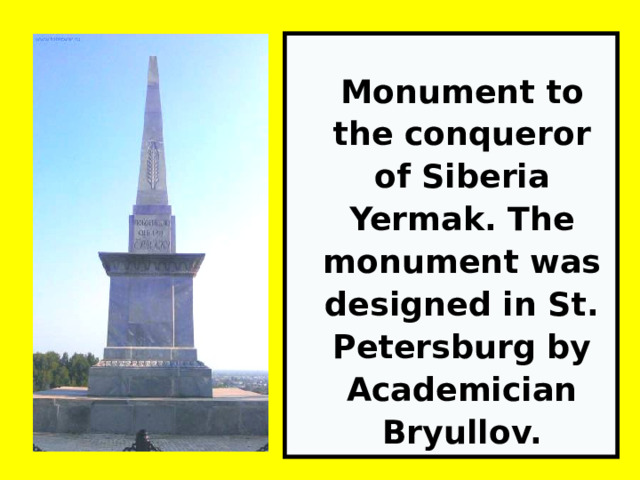
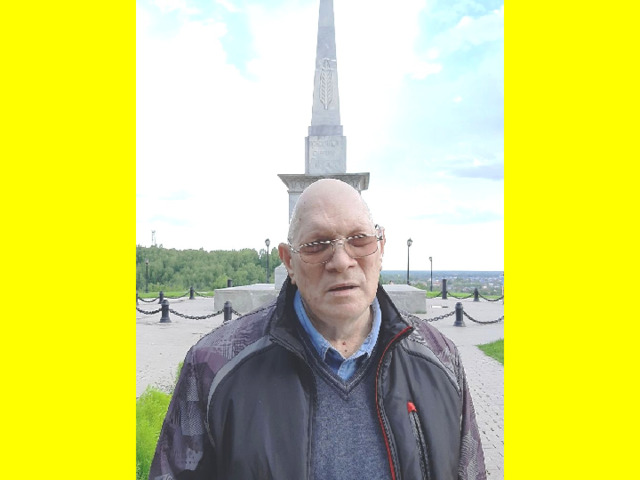
Monument to the conqueror of Siberia Yermak. The monument was designed in St. Petersburg by Academician Bryullov.
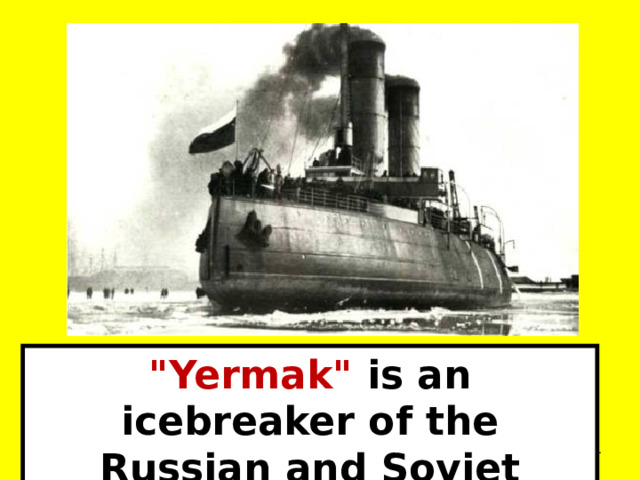
"Yermak" is an icebreaker of the Russian and Soviet fleets.
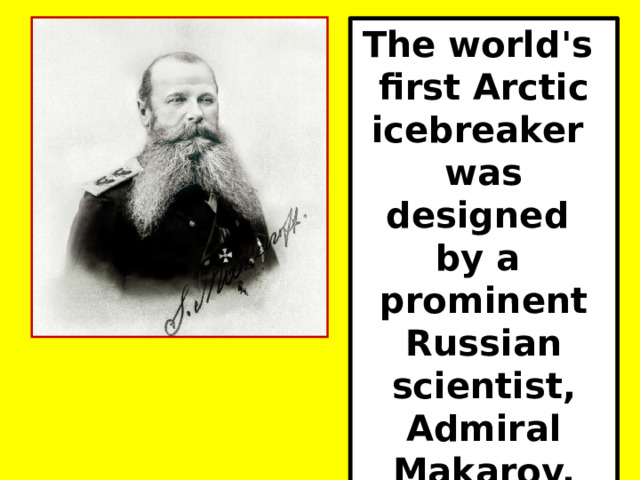
The world's
first Arctic icebreaker
was designed
by a
prominent Russian scientist, Admiral Makarov.
It was opened in 1839 in Tobolsk. The monument, which is 16 meters high, resembles an obelisk in shape.
The Siberian march of Yermak (1581-1585) is the beginning of the Russian conquest of Siberia.
Exploration of Siberia
Following the Cossacks, merchants, servicemen, and peasants торговые и служилые люди, крестьяне went to Siberia.
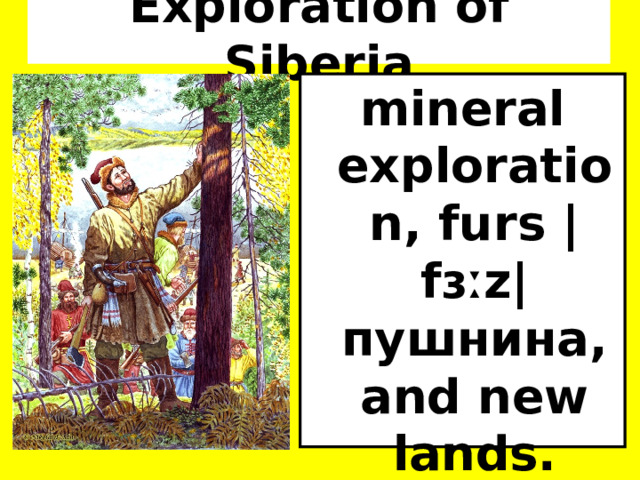
Exploration of Siberia
mineral exploration, furs |fɜːz| пушнина, and new lands.
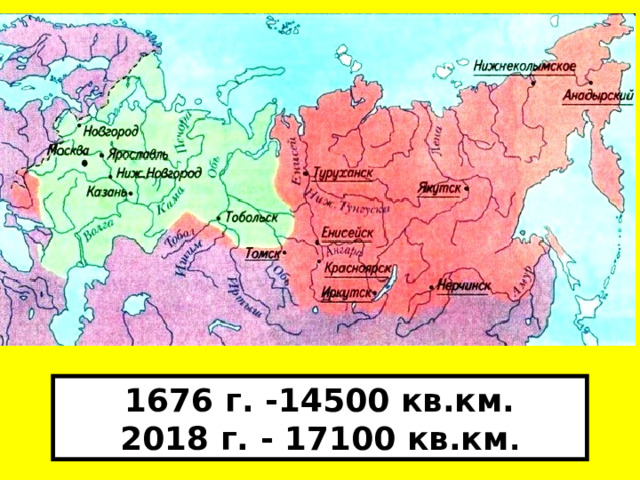
1676 г. -14500 кв.км.
2018 г. - 17100 кв.км .
Tyumen is the first Russian settlement in Siberia.
Tyumen was founded in 1586 on the site of the Siberian Tatar town of Chimgi-Tura by the order the Russian tsar |zɑː| Feodor Ioanovich.

Moscow voevodas
Vasily Sukin and Ivan Myasnoi (Myasnoy)
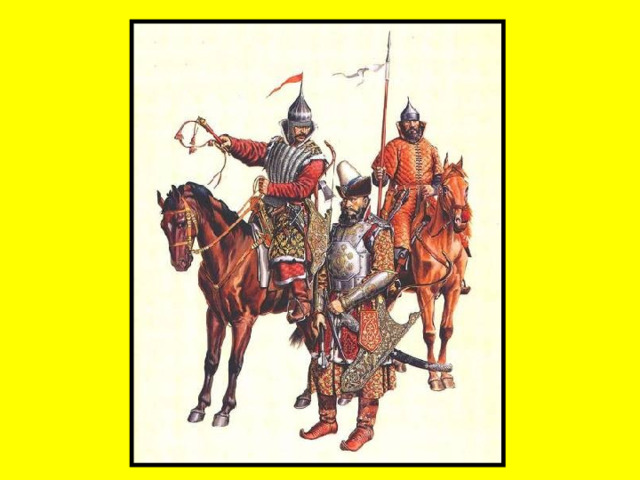
The first citizens of Tyumen were Streltsy and Cossacks.
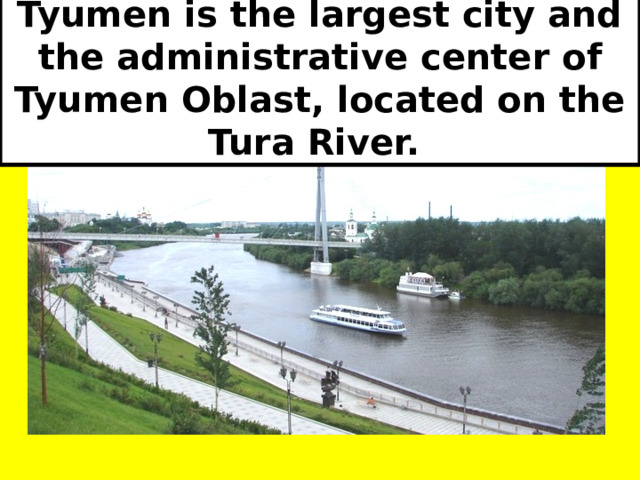
Tyumen is the largest city and the administrative center of Tyumen Oblast, located on the Tura River.
Tyumen was a transfer site for exiles |ˈeksaɪlz| and prisoners.
![The first Siberian exile was Bell from Uglich (Углич). (319 kg). [ˈkɪləgræm]](https://fsd.multiurok.ru/html/2025/11/05/s_690b7516ee756/img23.jpg)
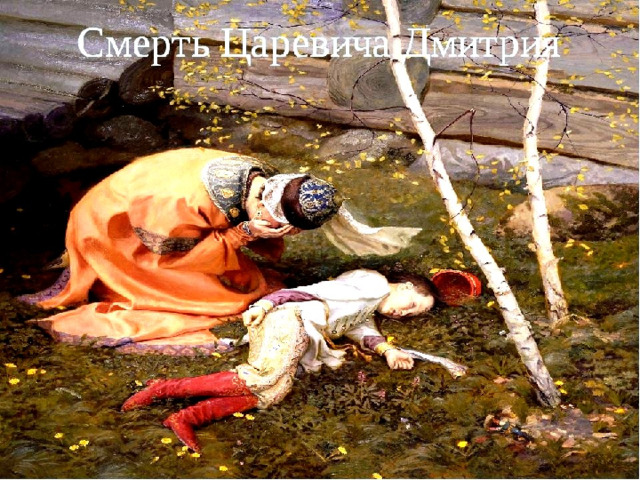
The first Siberian exile was Bell from Uglich (Углич).
(319 kg). [ˈkɪləgræm]
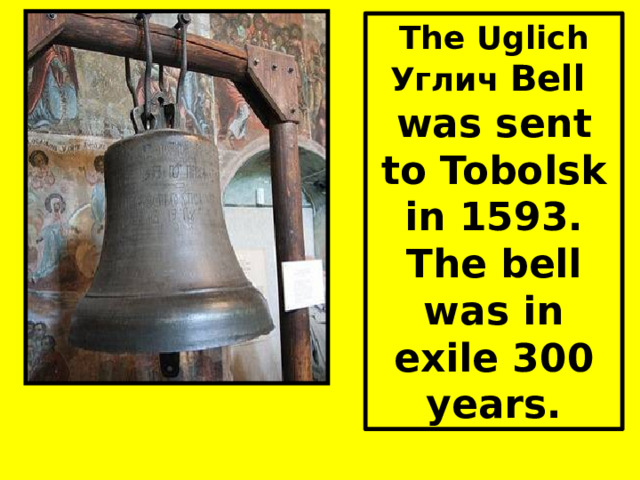
The Uglich
Углич Bell
was sent to Tobolsk in 1593. The bell was in exile 300 years.
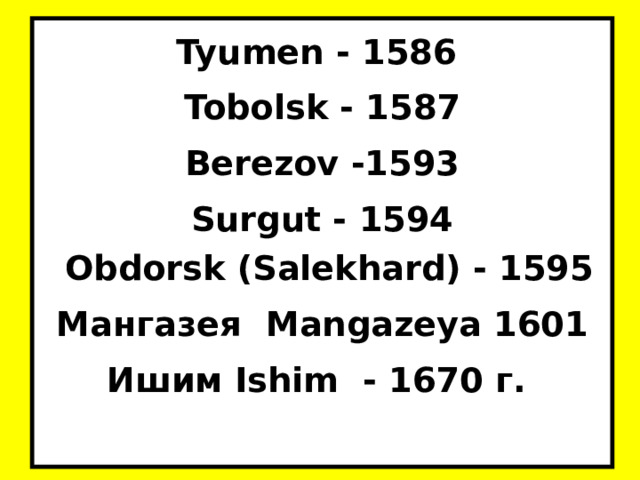
Tyumen - 1586
Tobolsk - 1587
Berezov -1593
Surgut - 1594 Obdorsk (Salekhard) - 1595
Мангазея Mangazeya 1601
Ишим Ishim - 1670 г.
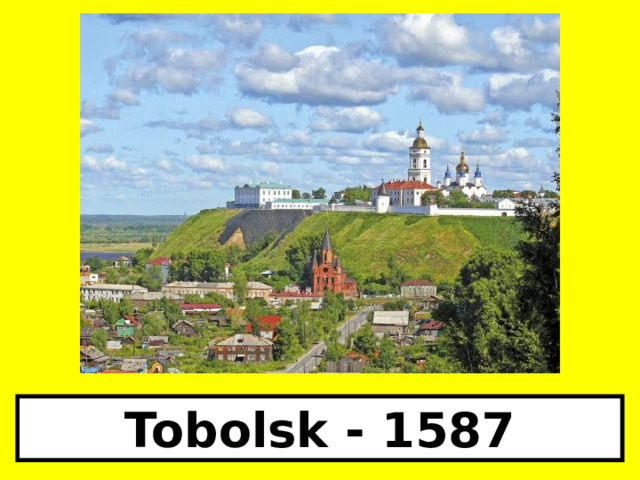
Tobolsk - 1587
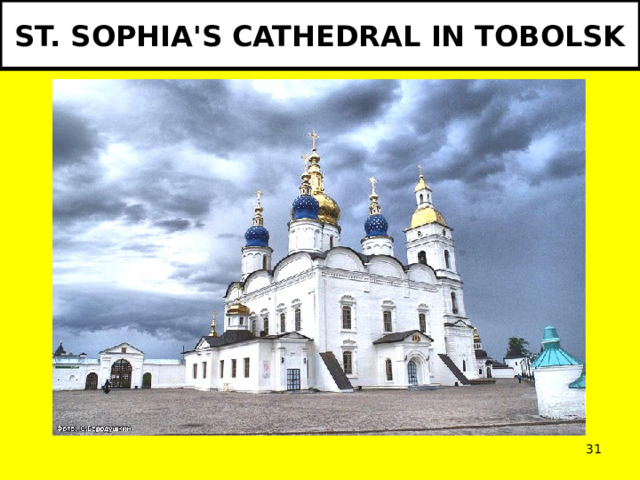
ST. SOPHIA'S CATHEDRAL IN TOBOLSK
![В Bell Tower of the Tobolsk Kremlin. Height [haɪt] – 75 m.](https://fsd.multiurok.ru/html/2025/11/05/s_690b7516ee756/img31.jpg)
В Bell Tower of the Tobolsk Kremlin. Height [haɪt]
– 75 m.
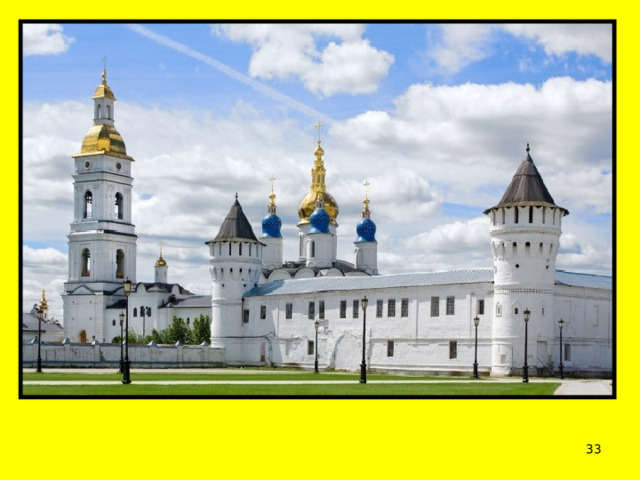
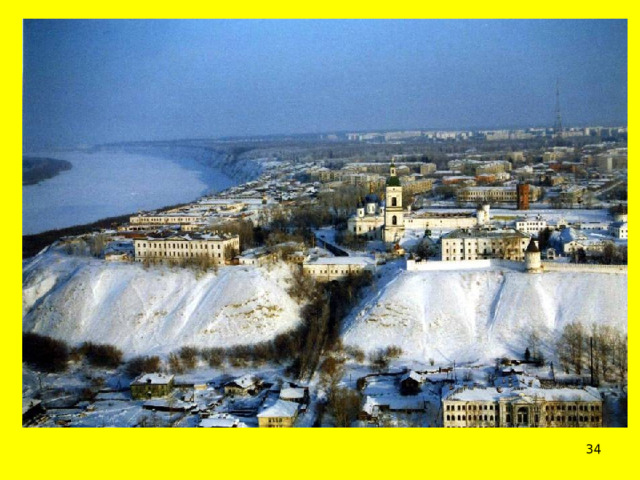
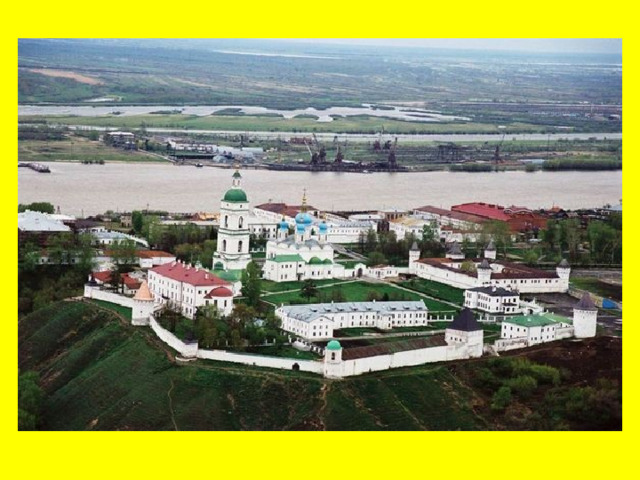
The Tobolsk Kremlin is the only Kremlin in all of Siberia.
Tobolsk and China
In 1618, the Tobolsk governor воевода sent a Cossack embassy |ˈembəsɪ| to China to establish diplomatic relations.
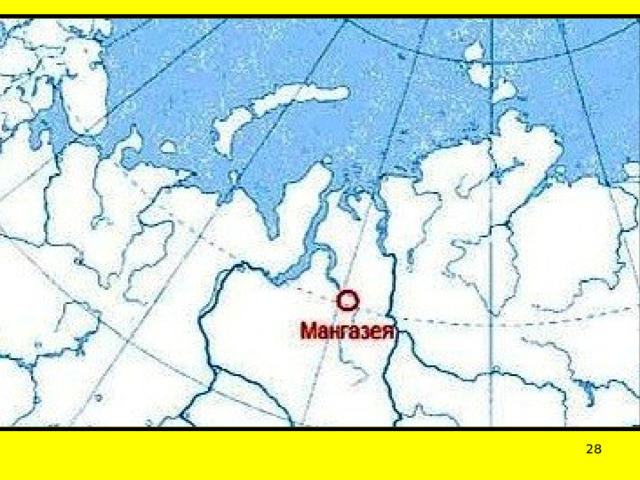
Мангазея, 1601-1672
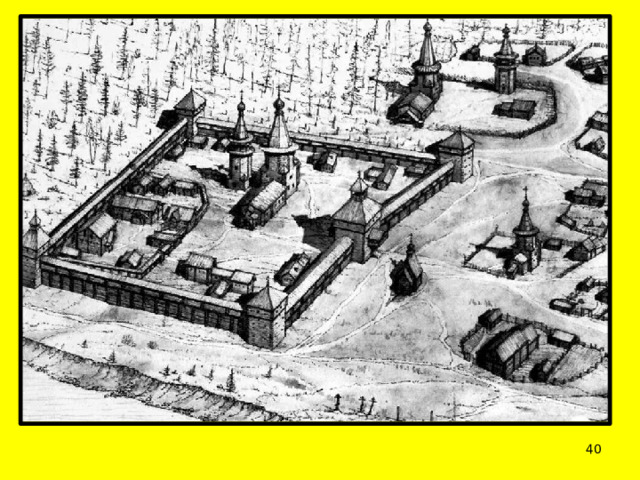
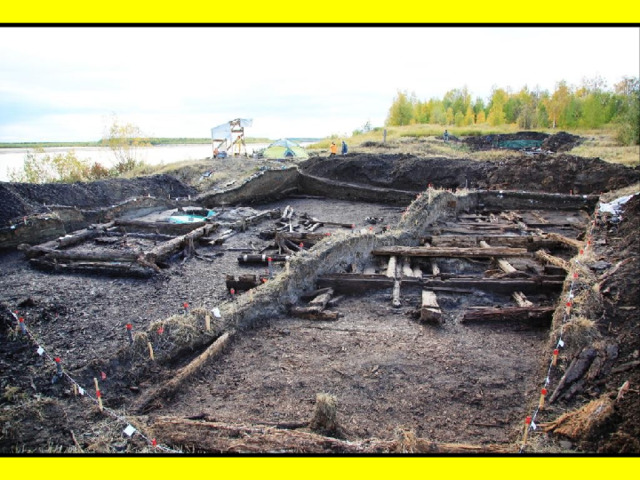
- Mangazeya is the first Russian polar city in Siberia.
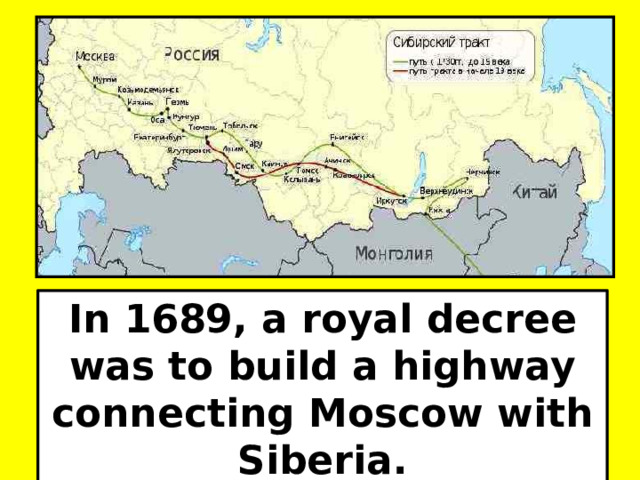
In 1689, a royal decree was to build a highway connecting Moscow with Siberia.
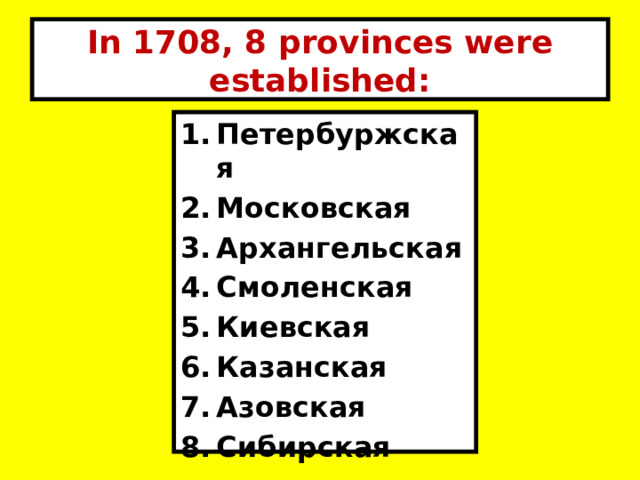
In 1708, 8 provinces were established:
- Петербуржская
- Московская
- Архангельская
- Смоленская
- Киевская
- Казанская
- Азовская
- Сибирская
![The Siberian Governorate [ˈgʌvənəreɪt] existed before the 1782 reform. The center of the governorate was the city of Tobolsk. The Tobolsk Governorate existed until 1919.](https://fsd.multiurok.ru/html/2025/11/05/s_690b7516ee756/img43.jpg)
The Siberian Governorate [ˈgʌvənəreɪt] existed before the 1782 reform. The center of the governorate was the city of Tobolsk. The Tobolsk Governorate existed until 1919.
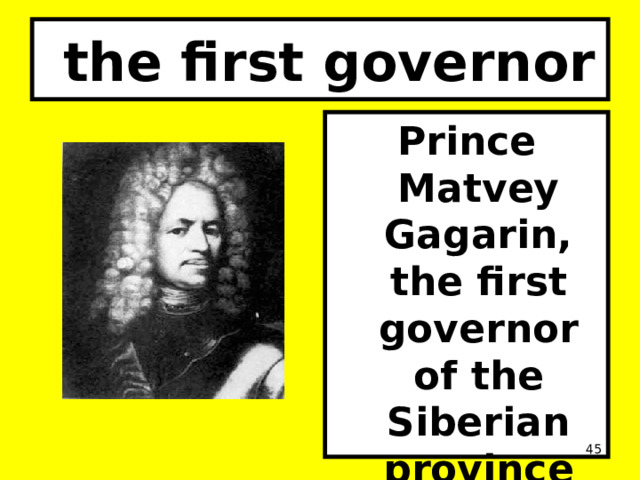
the first governor
Prince Matvey Gagarin, the first governor of the Siberian province (1711-1719).
![Alexander II [ælɪgˈzɑːndər] the future Emperor in Tyumen](https://fsd.multiurok.ru/html/2025/11/05/s_690b7516ee756/img45.jpg)
Alexander II [ælɪgˈzɑːndər] the future Emperor in Tyumen
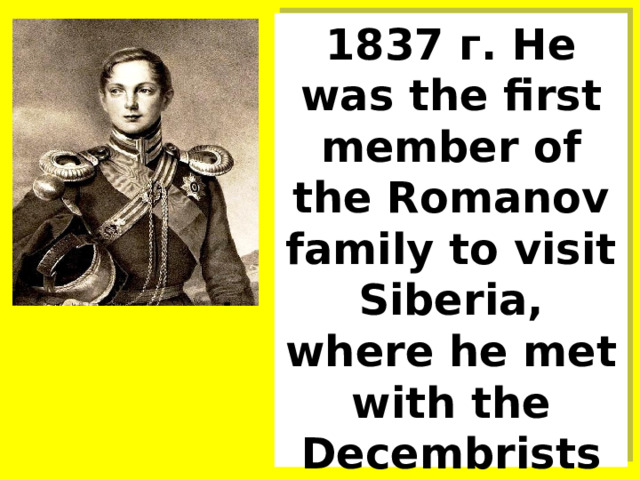
1837 г. He was the first member of the Romanov family to visit Siberia, where he met with the Decembrists in Tobolsk.
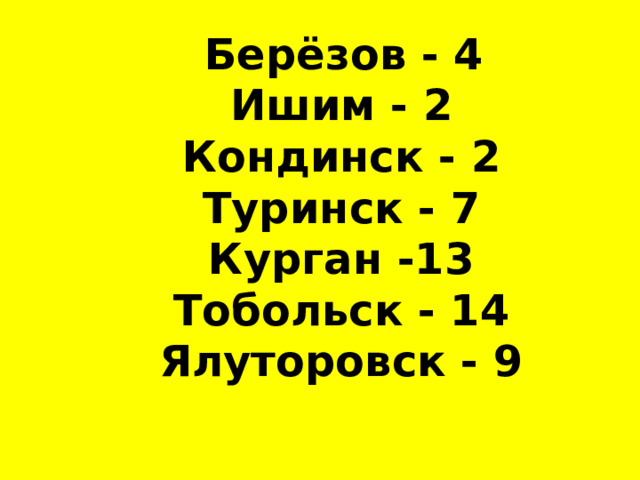
Берёзов - 4
Ишим - 2
Кондинск - 2
Туринск - 7
Курган -13
Тобольск - 14
Ялуторовск - 9
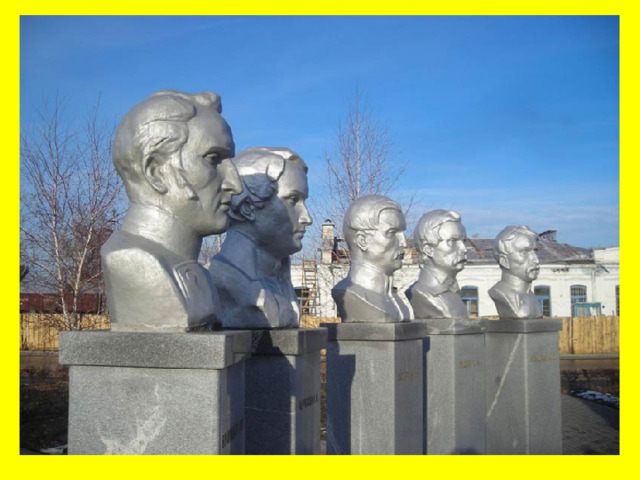
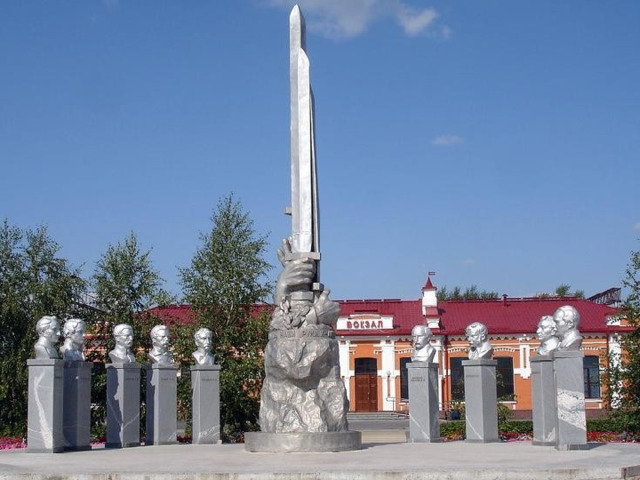
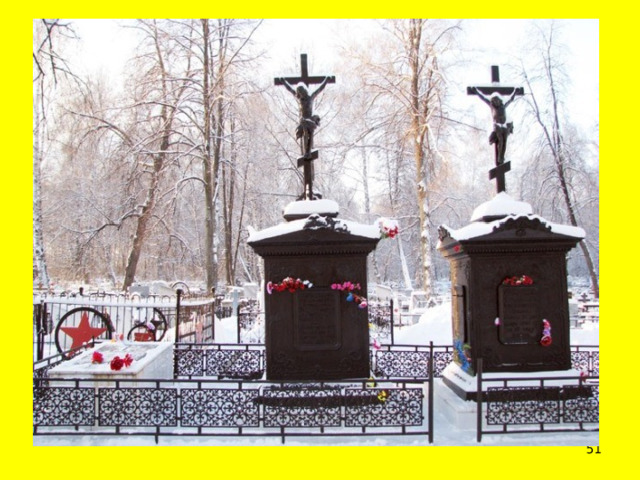
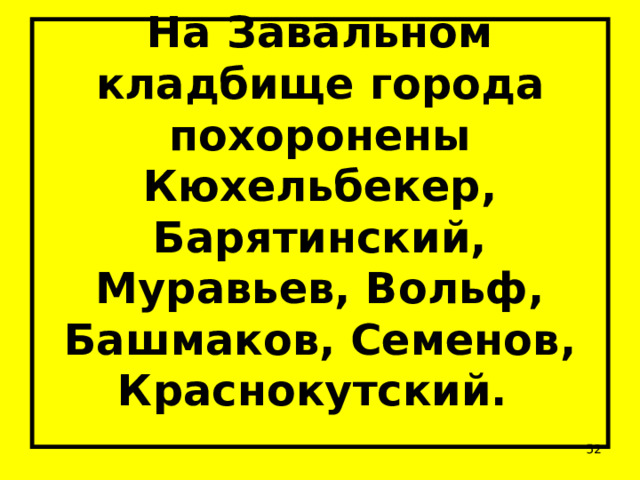
На Завальном кладбище города похоронены Кюхельбекер, Барятинский, Муравьев, Вольф, Башмаков, Семенов, Краснокутский.
Kukhelbeker, Baryatinsky, Muravyov, Wolf, Bashmakov, Semyonov, and Krasnokutsky are buried in the city's Zavalnoye Cemetery.
In Tyumen
- The future Emperor visited Tyumen, Tobolsk, Yalutorovsk, and Kurgan.
- In Tyumen he stayed at the mayor's house.
В Тюмени
Blagoveshchenskaya Благовещенская Street
became Tsarskaya Street.
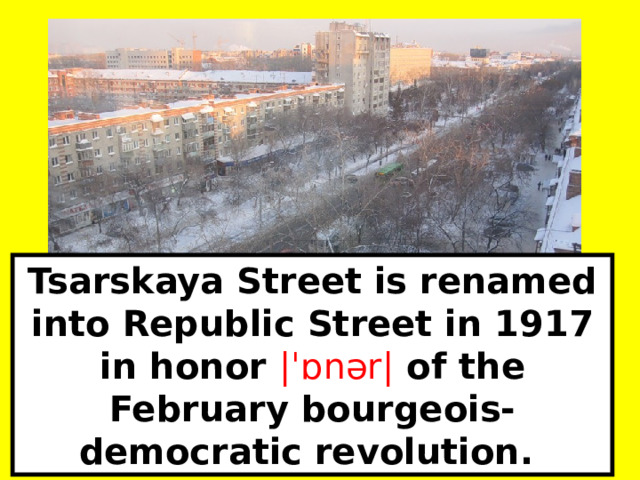
Tsarskaya Street is renamed into Republic Street in 1917 in honor |ˈɒnər| of the February bourgeois-democratic revolution.
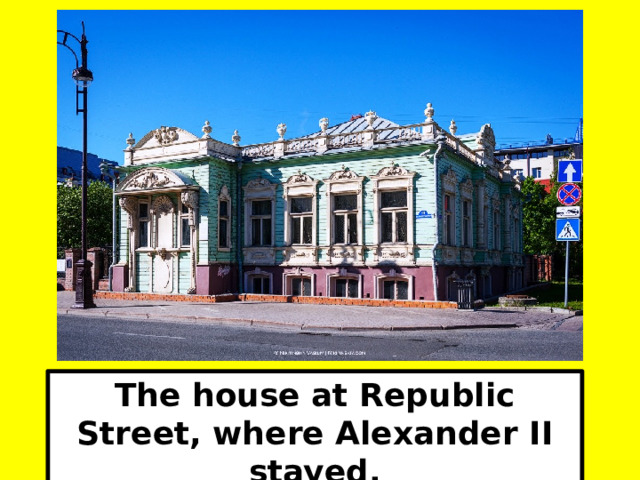
The house at Republic Street, where Alexander II stayed.
|ˈseɪvjə|
|ˈseɪvjə|
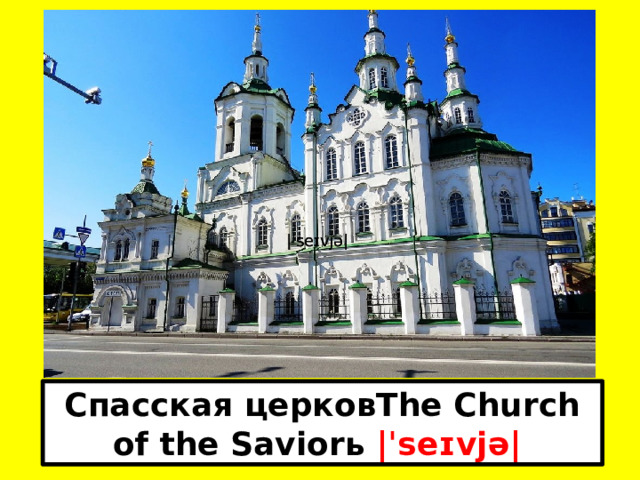
Спасская церковThe Church of the Saviorь |ˈseɪvjə|
![real schools[ skuːlz] |ˈseɪvjə| |ˈseɪvjə|](https://fsd.multiurok.ru/html/2025/11/05/s_690b7516ee756/img58.jpg)
real schools[ skuːlz]
|ˈseɪvjə|
|ˈseɪvjə|
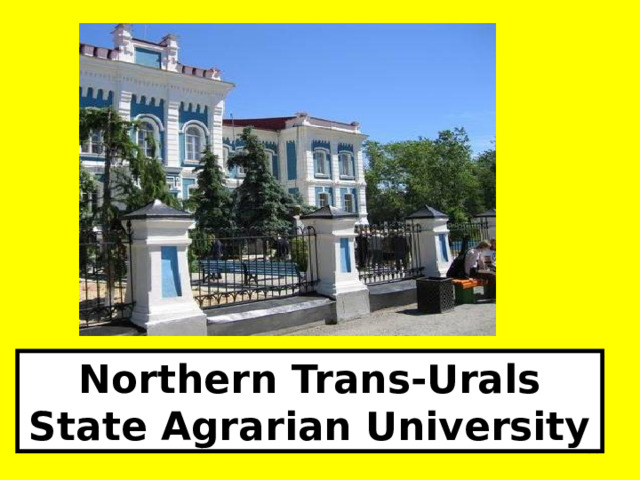
Northern Trans-Urals State Agrarian University
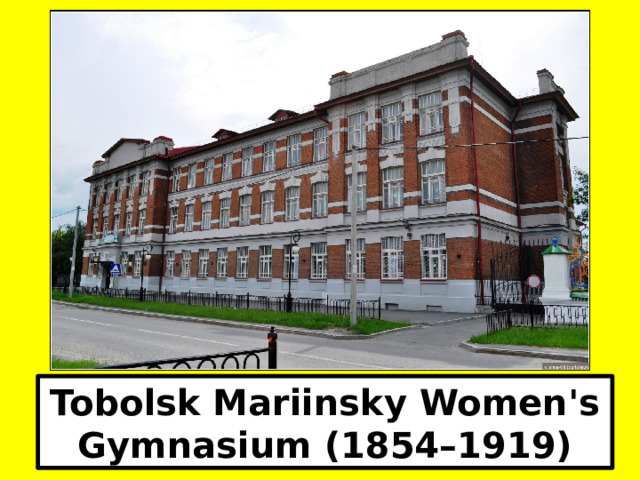
Tobolsk Mariinsky Women's Gymnasium (1854–1919)
The pardon of the Decembrists
1856, on the day of his coronation, Alexander II pardoned all alive the Decembrists (55 people).
Alexander II restored title to the children of Trubetskoy, Obolensky, and Volkonsky, who were born in Siberia.
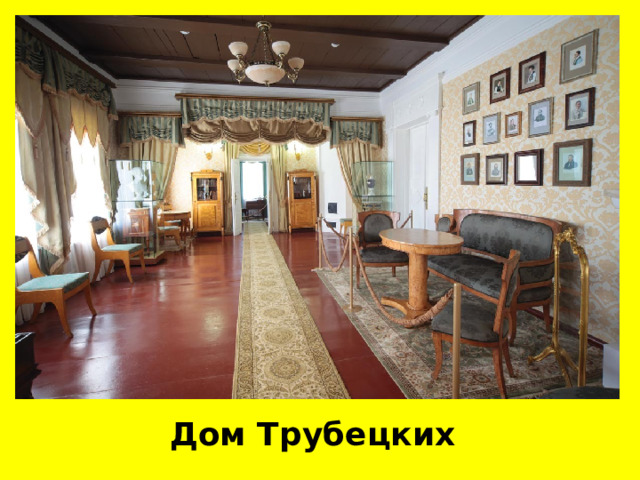
Дом Трубецких
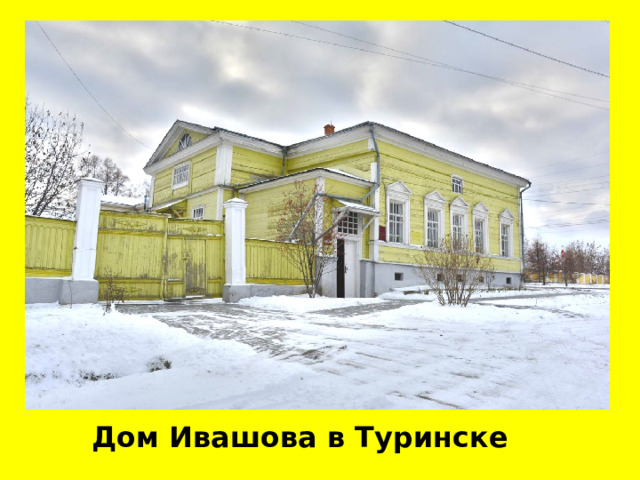
Дом Ивашова в Туринске
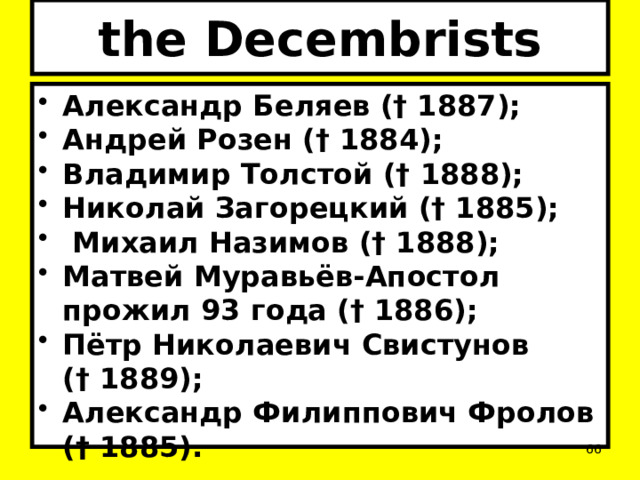
the Decembrists
- Александр Беляев († 1887);
- Андрей Розен († 1884);
- Владимир Толстой († 1888);
- Николай Загорецкий († 1885);
- Михаил Назимов († 1888);
- Матвей Муравьёв-Апостол прожил 93 года († 1886);
- Пётр Николаевич Свистунов († 1889);
- Александр Филиппович Фролов († 1885).
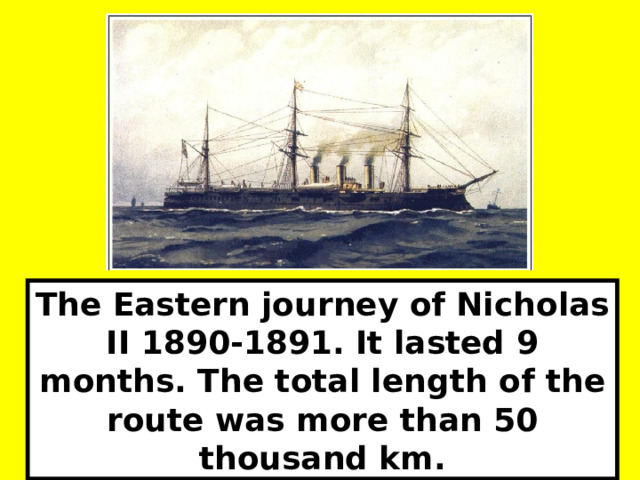
The Eastern journey of Nicholas II 1890-1891. It lasted 9 months. The total length of the route was more than 50 thousand km.
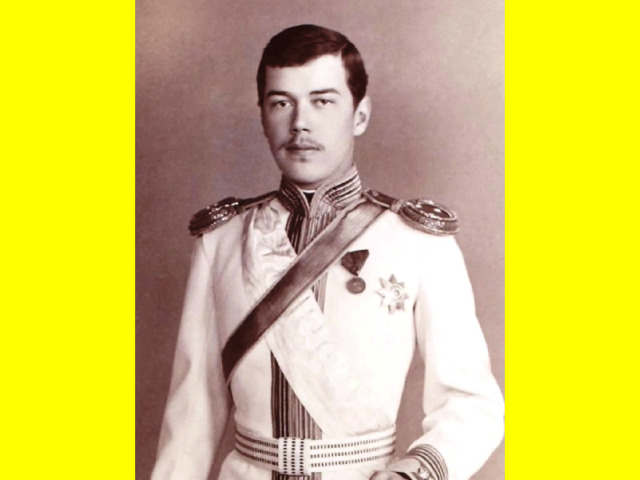
Nicholas was joined by his cousin, Prince George of Greece.
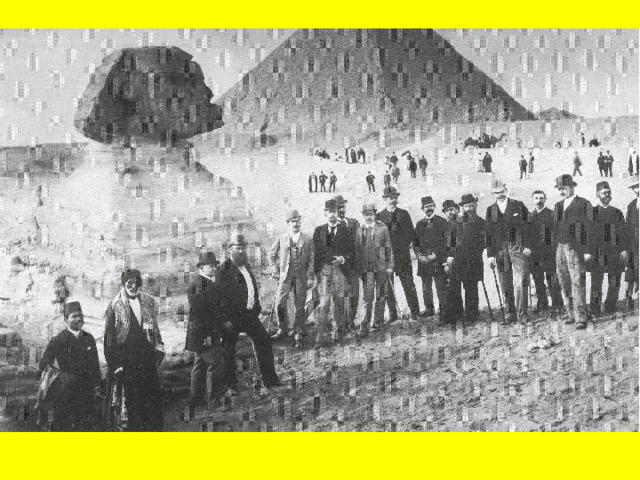
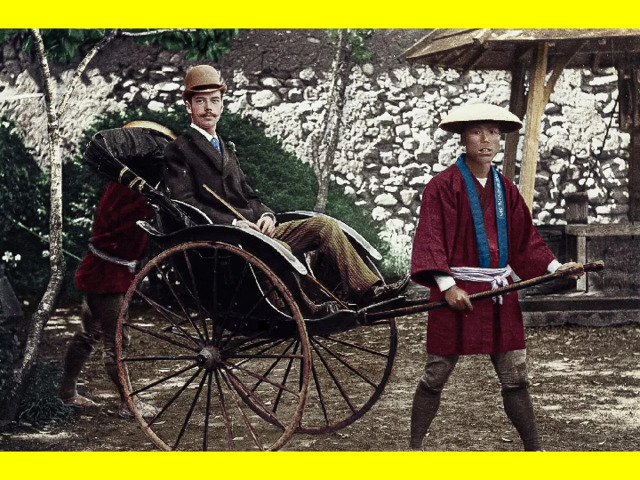
The heir to the throne was attacked by a Japanese police officer, Tsuda Sanzo Цуда Сандзо , in Kyoto. He managed to deliver two blows. Nicholas was 22 years old.
He traveled by land and rivers through Ussuriysk, Khabarovsk, Blagoveshchensk, Nerchinsk, Chita, Irkutsk, Krasnoyarsk, Tomsk, Surgut, Самарово (Khanty-Mansiysk), Tobolsk, Petropavlovsk, Tara, Omsk, Uralsk and Orenburg.
On August 14, 1917, Nicholas II was exiled to Tobolsk with his family.
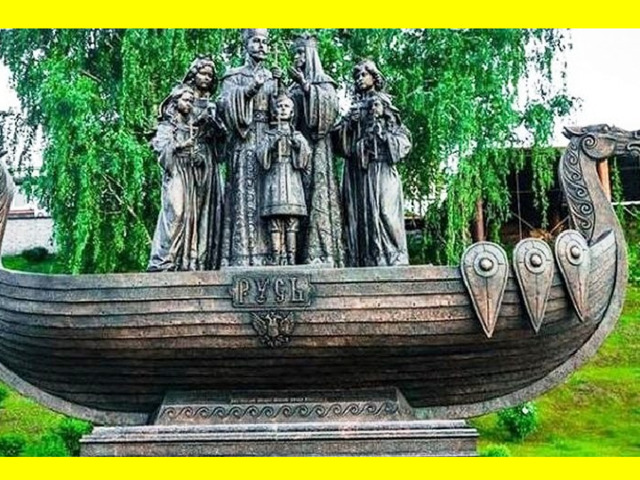
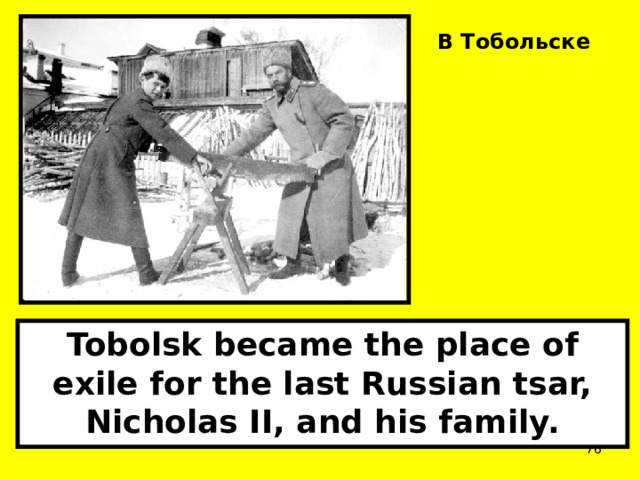
В Тобольске
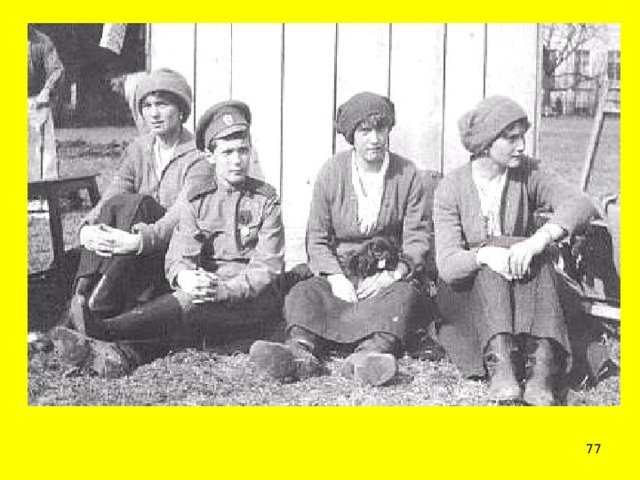
Tobolsk became the place of exile for the last Russian tsar, Nicholas II, and his family.
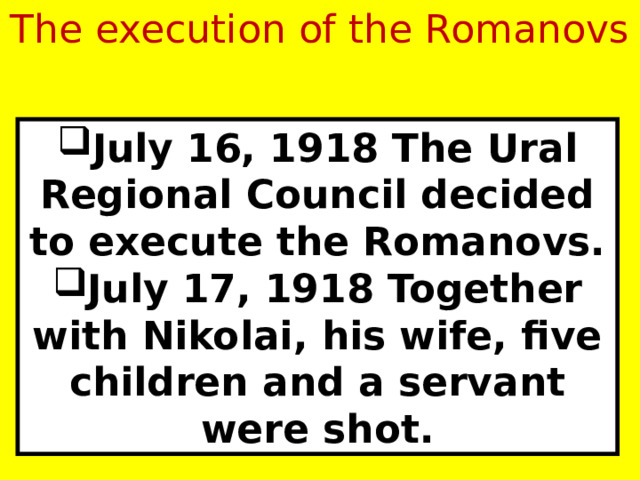
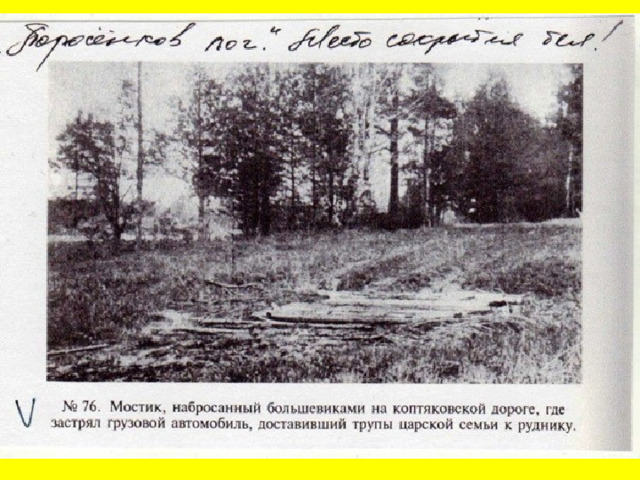
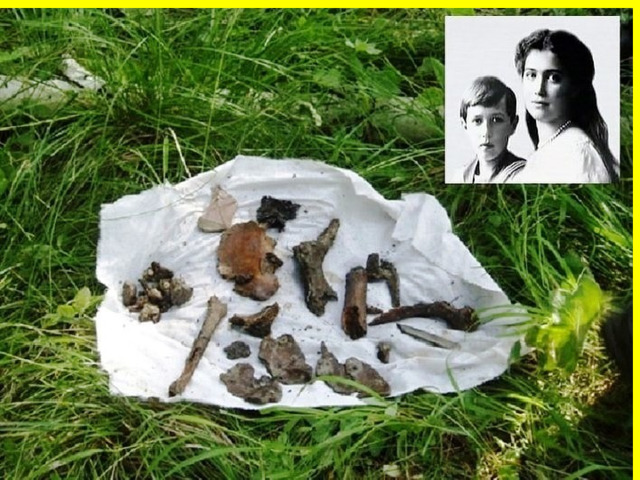
The execution of the Romanovs
- July 16, 1918 The Ural Regional Council decided to execute the Romanovs.
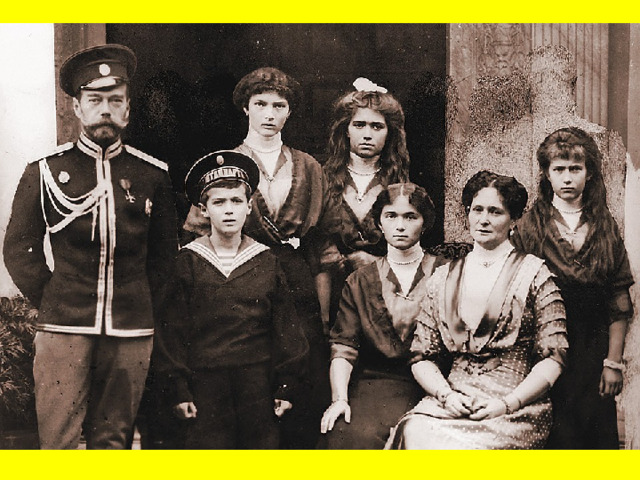
- July 17, 1918 Together with Nikolai, his wife, five children and a servant were shot.
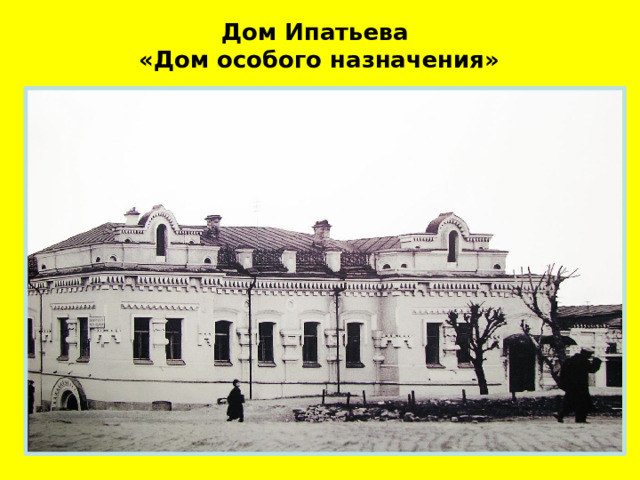
Дом Ипатьева «Дом особого назначения»
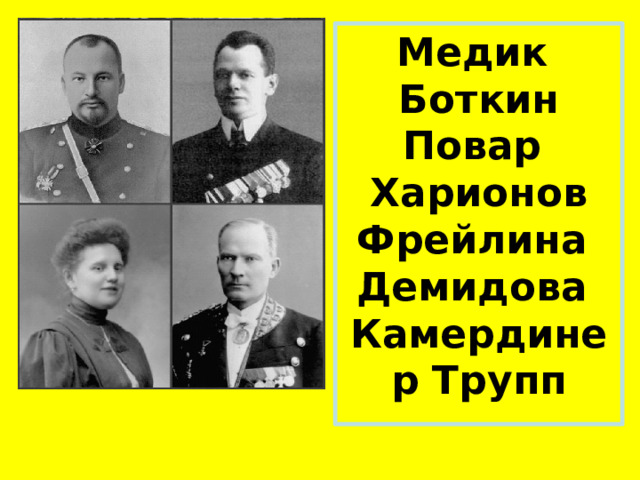
Медик
Боткин
Повар
Харионов
Фрейлина
Демидова
Камердинер Трупп
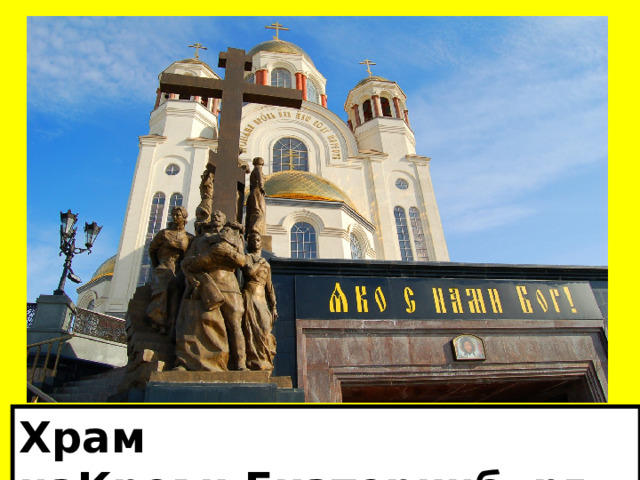
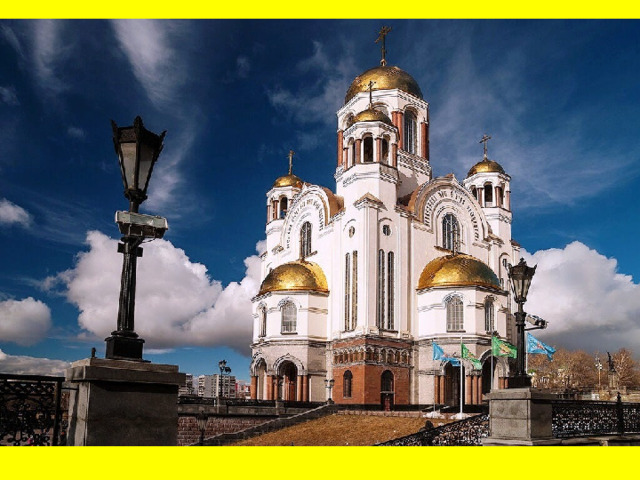
Храм наКрови,Екатеринбург
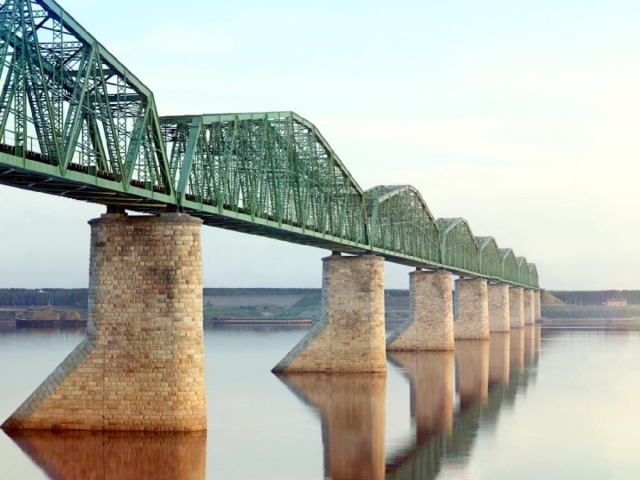
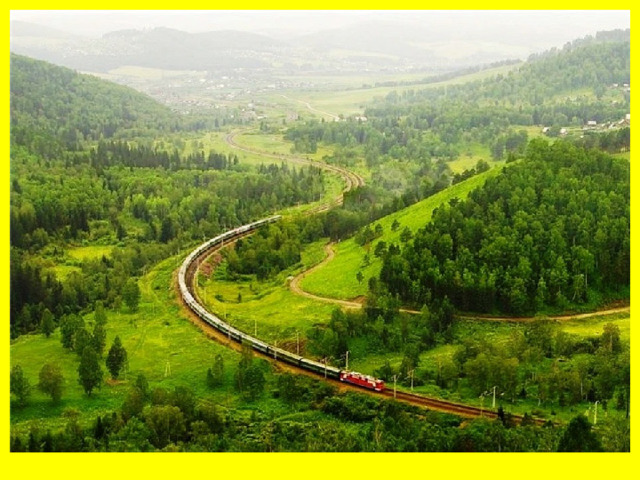
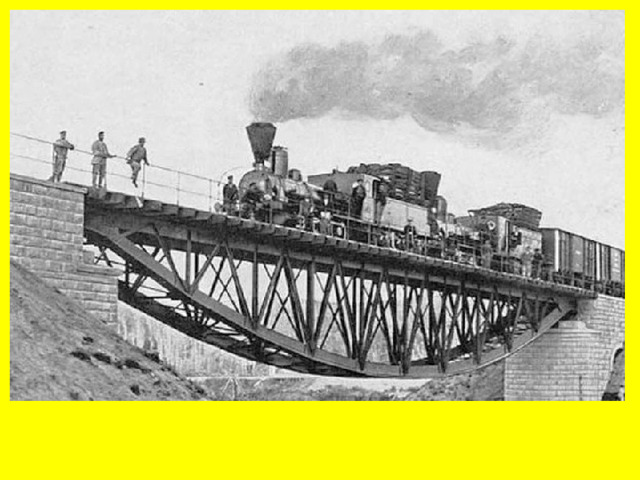
The Trans-Siberian Railway
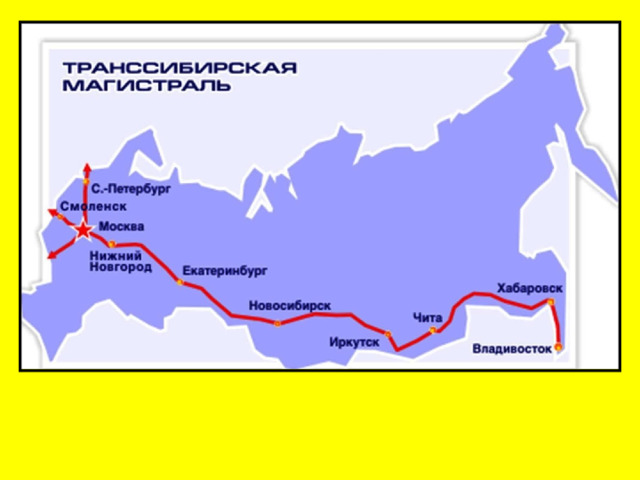
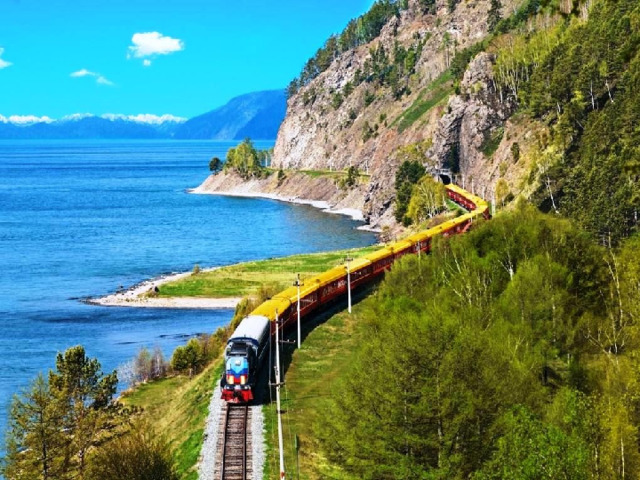
The Trans-Siberian Railway is the longest railway in the world.
It is 9,288.2 km long.
It took 25 years to build.
Establishment of Soviet power in Tyumen
On February 22-23, 1918, 500 Red Guards arrived in Tyumen from Perm, Yekaterinburg, and Omsk.
Soviet power in Tyumen
- Power was transferred to the Tyumen Soviet.
- Its chairman was G.P. Permyakov, a Tyumen Bolshevik and worker.
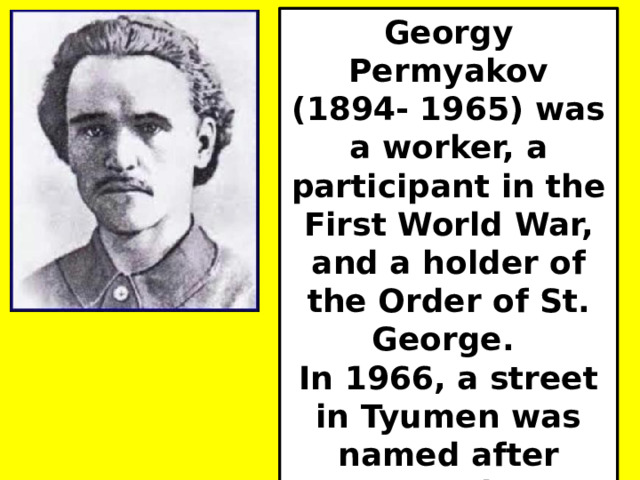
Georgy Permyakov (1894- 1965) was a worker, a participant in the First World War, and a holder of the Order of St. George.
In 1966, a street in Tyumen was named after Permyakov.
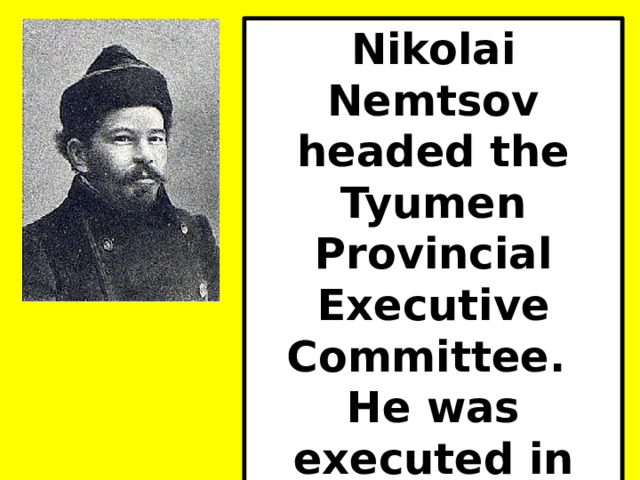
Nikolai Nemtsov headed the Tyumen Provincial Executive Committee.
He was executed in 1937.
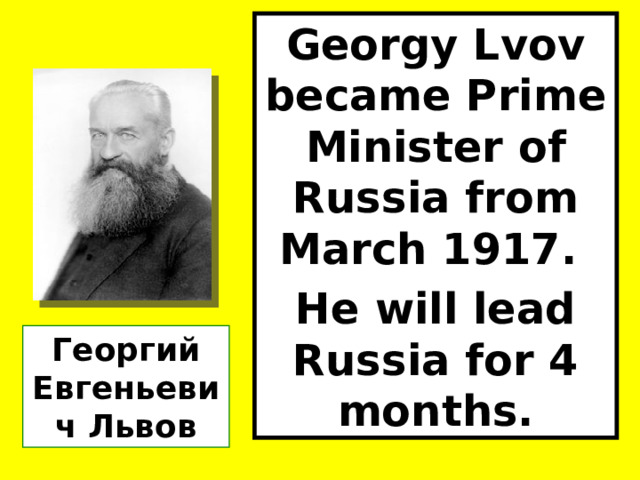
Georgy Lvov became Prime Minister of Russia from March 1917.
He will lead Russia for 4 months.
Георгий Евгеньевич Львов
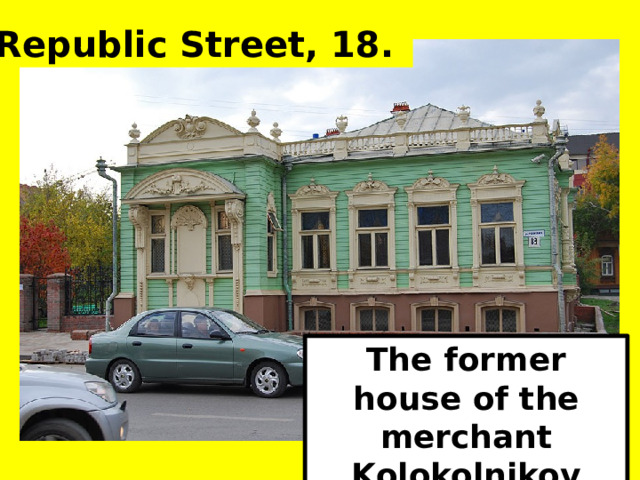
Republic Street, 18.
The former house of the merchant Kolokolnikov
After the October Revolution, Lvov lived in Tyumen, where he was arrested in February 1918, from Omsk he left for the United States. He died on March 6, 1925 in Paris.
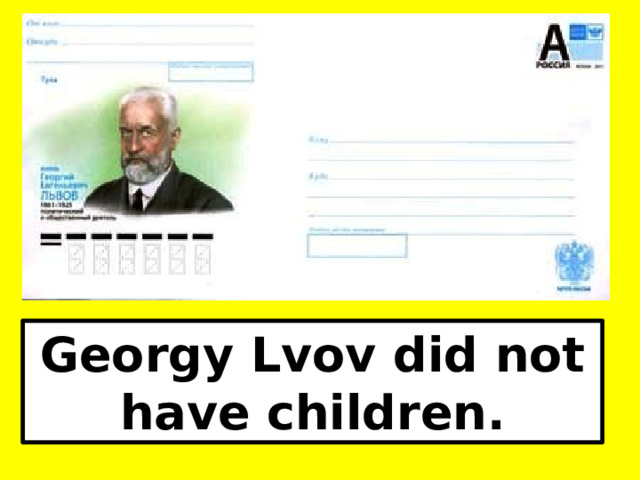
Georgy Lvov did not have children.
White Guards Tyumen
- On July 20, 1918, the Bolsheviks decided to leave the city Tyumen.
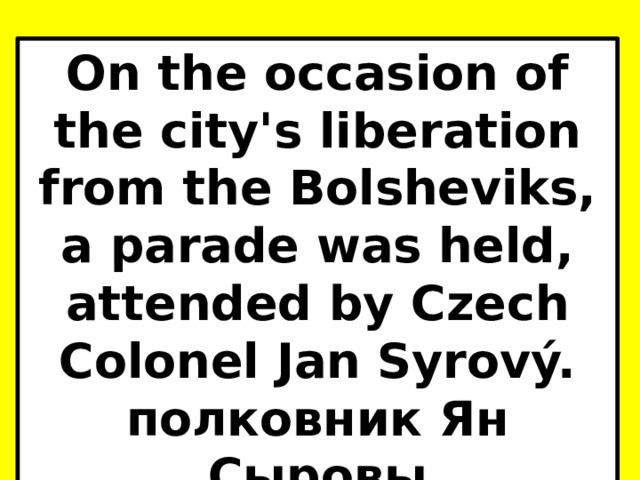
On the occasion of the city's liberation from the Bolsheviks, a parade was held, attended by Czech Colonel Jan Syrový.
полковник Ян Сыровы

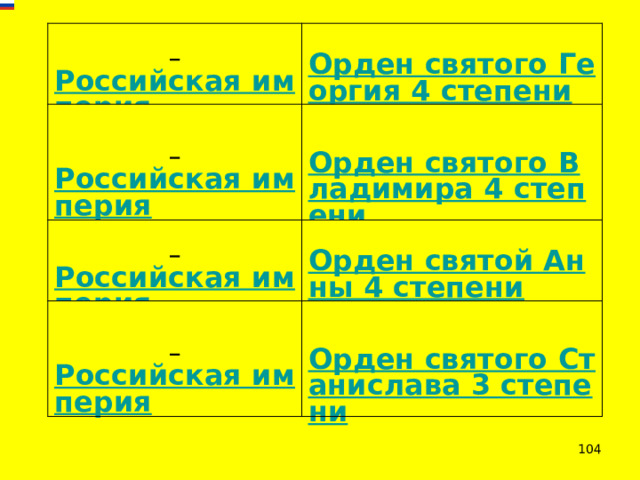
Российская империя
Российская империя
Российская империя
Российская империя
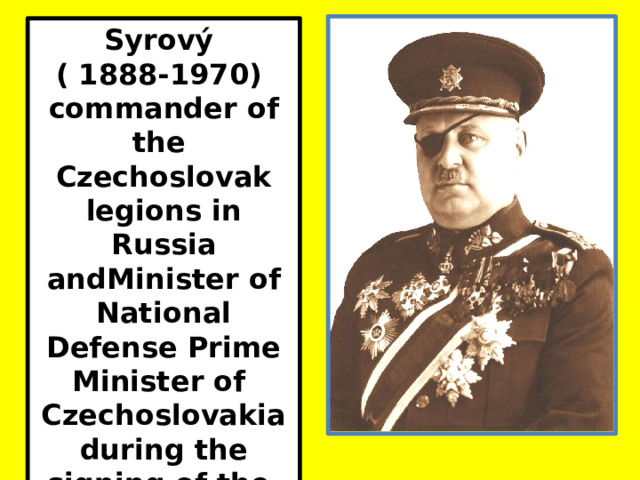
Syrový
( 1888-1970)
commander of the
Czechoslovak legions in Russia andMinister of National Defense Prime Minister of
Czechoslovakia during the signing of the
Munich Agreement
in 1938.
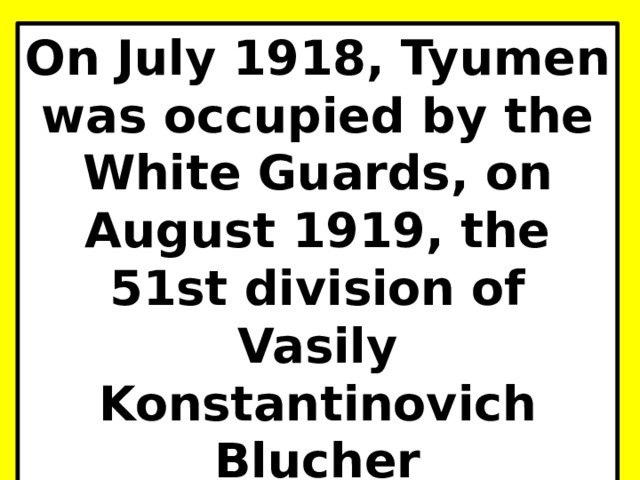
On July 1918, Tyumen was occupied by the White Guards, on August 1919, the 51st division of
Vasily Konstantinovich Blucher
entered the city.
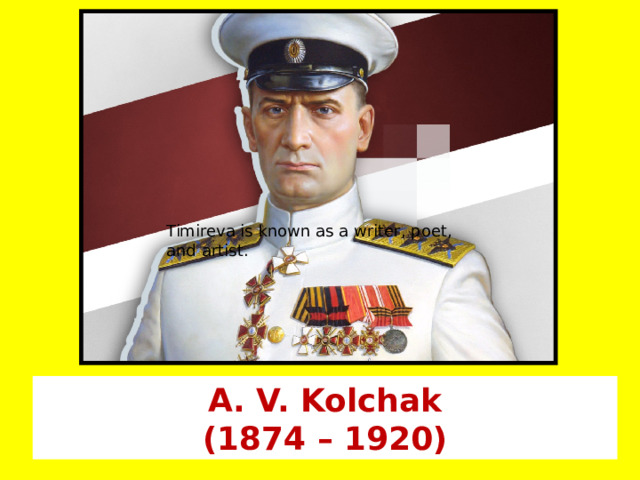
Timireva is known as a writer, poet, and artist.
A. V. Kolchak
(1874 – 1920)

Анна Тимирёва (Книппер), возлюбленная Колчака
Anna Timiryova (Knipper)
19893-1977
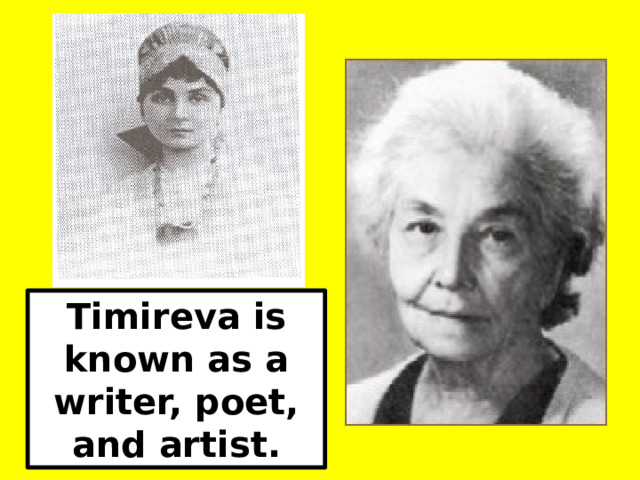
Timireva is known as a writer, poet, and artist.
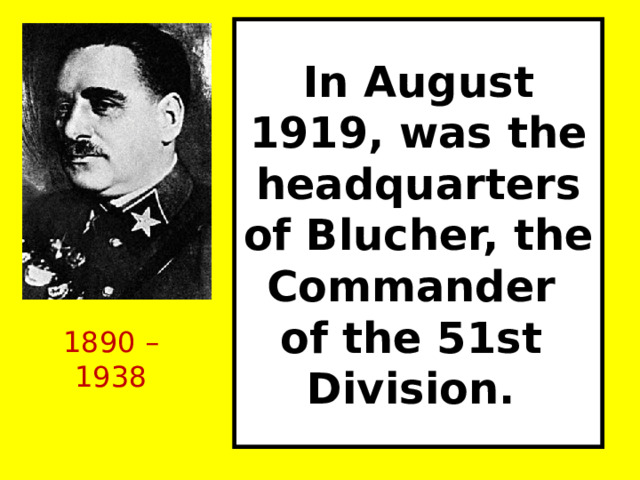
In August 1919, was the headquarters of Blucher, the Commander of the 51st Division.
1890 – 1938
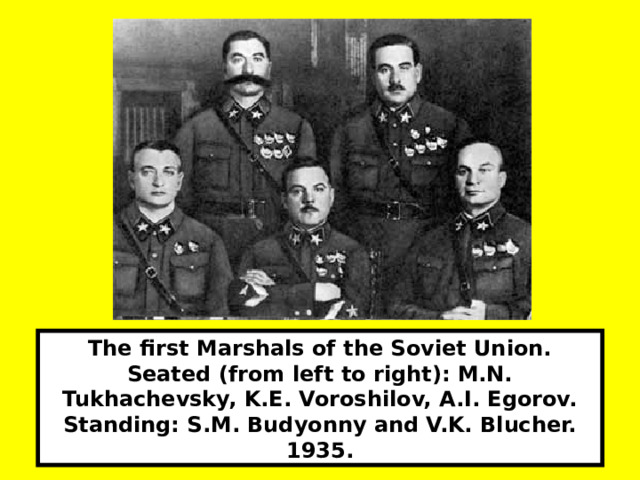
The first Marshals of the Soviet Union.
Seated (from left to right): M.N. Tukhachevsky, K.E. Voroshilov, A.I. Egorov. Standing: S.M. Budyonny and V.K. Blucher. 1935.
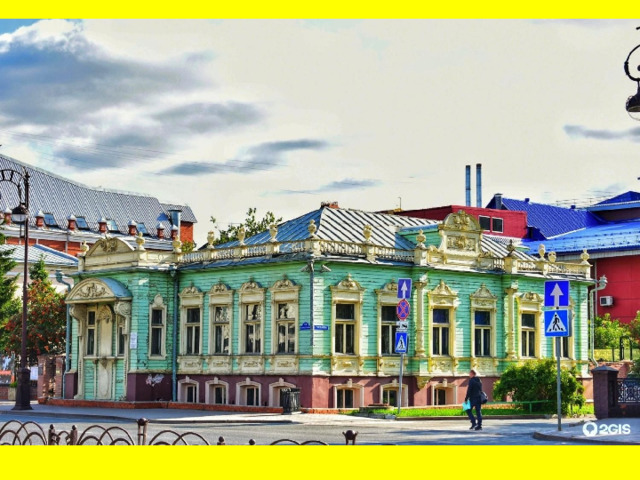
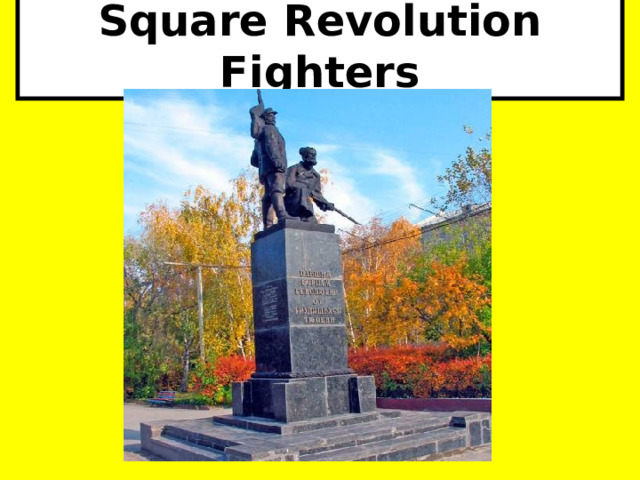
Square Revolution Fighters

During the Civil War the soldiers of the Red Army were buried on this square.
After that, the square was called Square Revolution Fighters.
In 1940-1943, the West Siberian Geological Trust was established.

During the Great Patriotic War Lenin's body was
taken by rail to Tyumen from Moscow. 1939 - 80 тыс.
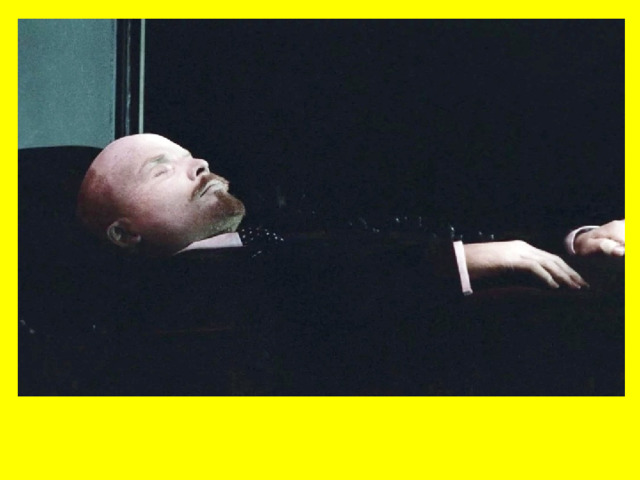
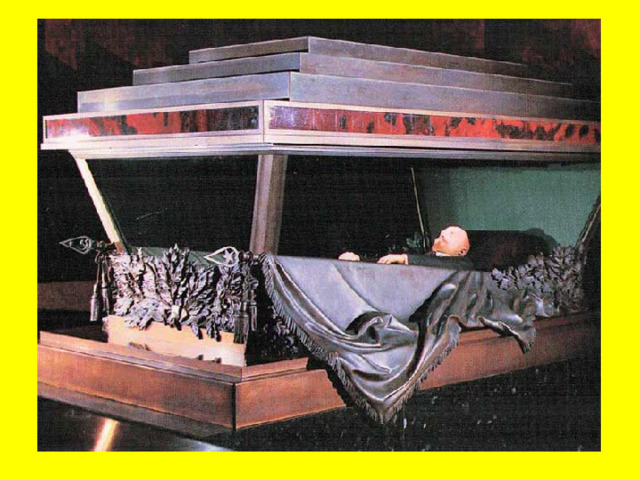
In 1944 Tyumen became the administrative center of Tyumen Oblast.

In 1947-1953 the railway road “Salekhard - Igarka”.

Igarka is a city in Krasnoyarsk Territory of Russia.
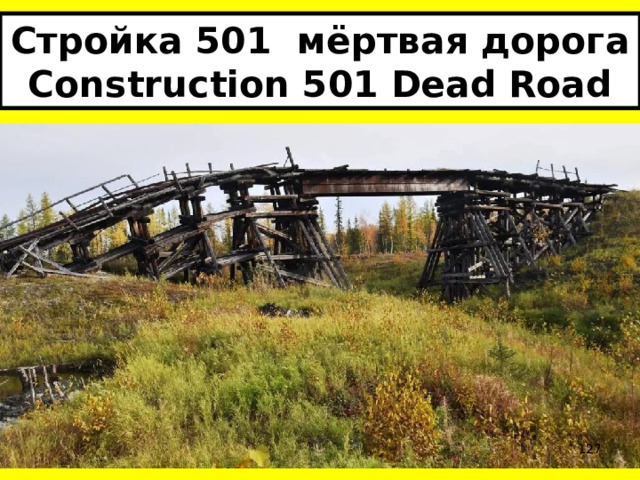
Стройка 501 мёртвая дорога Construction 501 Dead Road
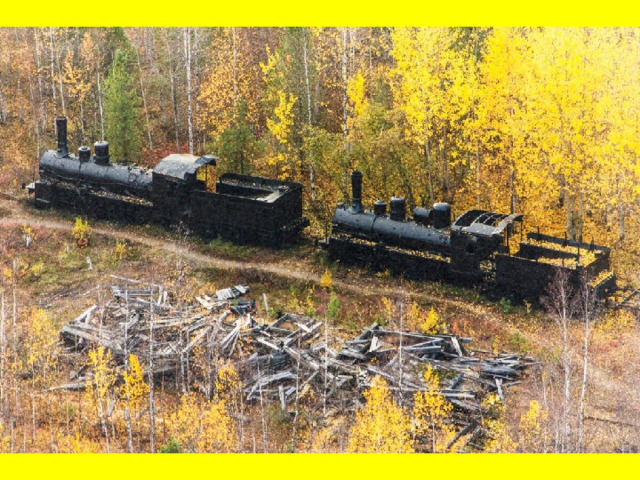
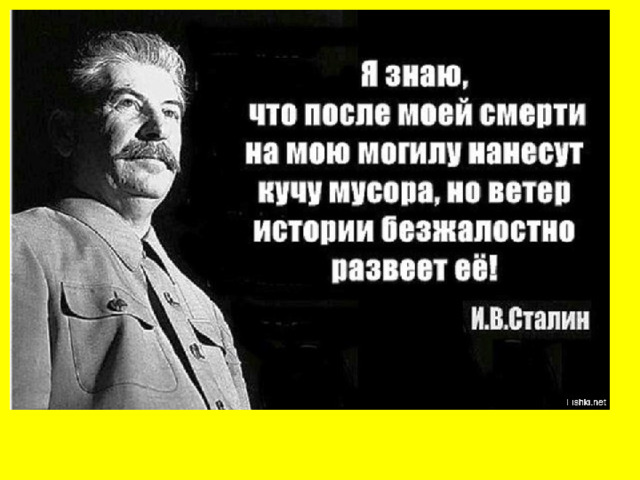

The Kyshtym Кыштым accident on September 29, 1957
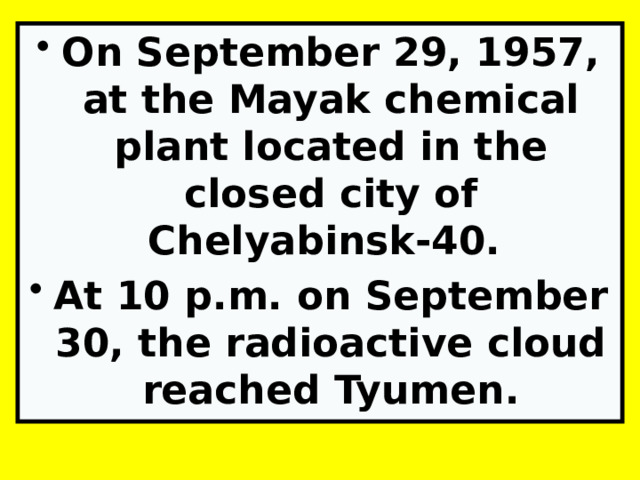
- On September 29, 1957, at the Mayak chemical plant located in the closed city of Chelyabinsk-40.
- At 10 p.m. on September 30, the radioactive cloud reached Tyumen.
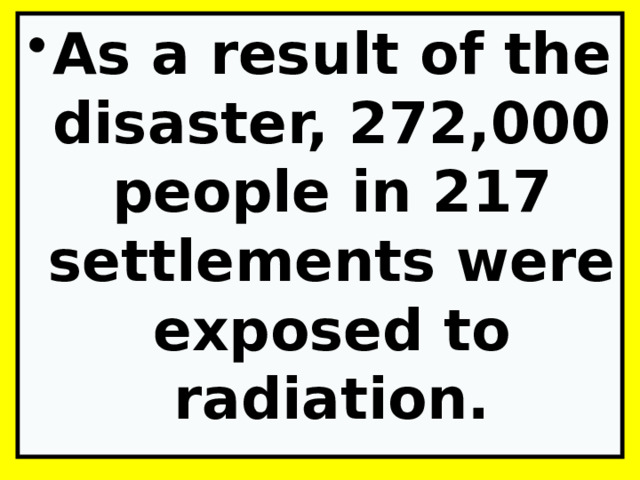
- As a result of the disaster, 272,000 people in 217 settlements were exposed to radiation.
![Peaceful nuclear explosions [ˈnjuːklɪə explosions]](https://fsd.multiurok.ru/html/2025/11/05/s_690b7516ee756/img132.jpg)
Peaceful nuclear explosions
[ˈnjuːklɪə explosions]

1. «Тавда». «Тавда». "Tavda". 64 km northeast of Tyumen, 06.10.1967, 15 km from the village of Chugunayevo, at a depth of approximately 172 meters.
2. «Кратон-1». "Kraton-1". near the village of Igrim, 17 October 1978, depth 593 m.
3. «Кимберлит-1». Kimberlite-1. Lempino, 150 km southeast of Khanty-Mansiysk, October 4, 1979, depth 837 m.
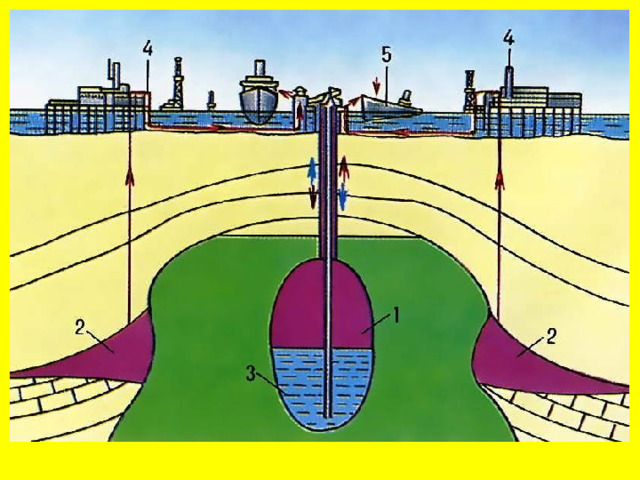
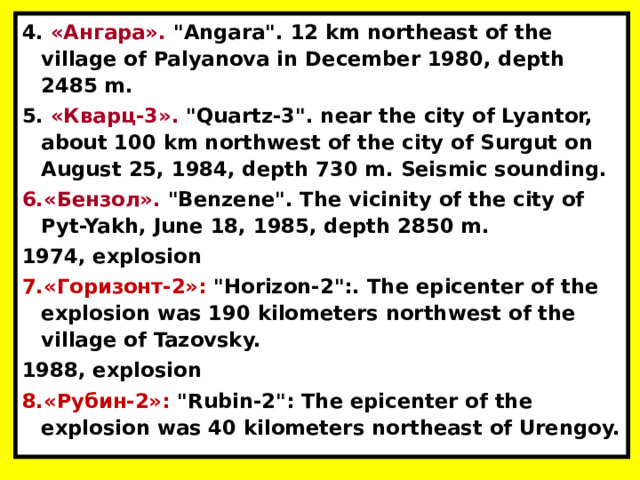
4. «Ангара». "Angara". 12 km northeast of the village of Palyanova in December 1980, depth 2485 m.
5. «Кварц-3». "Quartz-3". near the city of Lyantor, about 100 km northwest of the city of Surgut on August 25, 1984, depth 730 m. Seismic sounding.
6.«Бензол». "Benzene". The vicinity of the city of Pyt-Yakh, June 18, 1985, depth 2850 m.
1974, explosion
7.«Горизонт-2»: "Horizon-2":. The epicenter of the explosion was 190 kilometers northwest of the village of Tazovsky.
1988, explosion
8.«Рубин-2»: "Rubin-2": The epicenter of the explosion was 40 kilometers northeast of Urengoy.
Nizhne-Obskaya Hydroelectric power station is an unrealized project
In 1954 The First Secretary of the regional committee F.S. Goryachev Ф.С. Горячев wrote a letter to the Central Committee of the CPSU.

The 1958 project called for the construction of a hydroelectric power plant on the Ob River, 130 km south of Salekhard.

With a dam height of 42 meters, the world's largest reservoir was created, covering an area of 120,000 square kilometers (four times larger than Lake Baikal or Lake Aral).
![On September 21, 1953, a gas fountain [ˈfaʊntɪn] near the village of Berezovo.](https://fsd.multiurok.ru/html/2025/11/05/s_690b7516ee756/img140.jpg)
On September 21, 1953, a gas fountain [ˈfaʊntɪn] near the village of Berezovo.

Drilling master Melik-Karamov.
This was the first exploration well in the region with a depth |dep θ| of 2000 m.
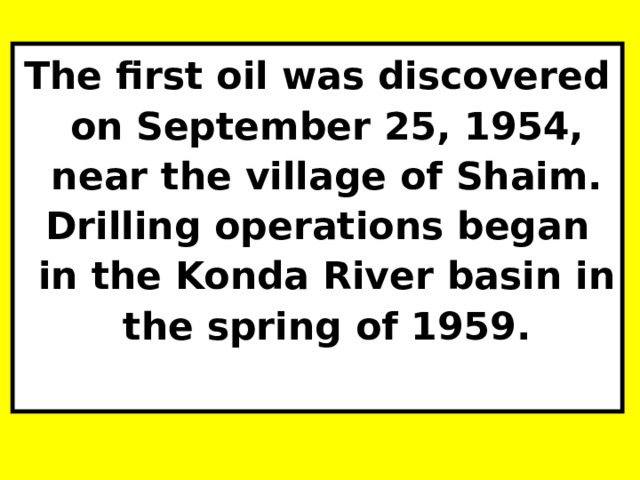
The first oil was discovered on September 25, 1954, near the village of Shaim.
Drilling operations began in the Konda River basin in the spring of 1959.
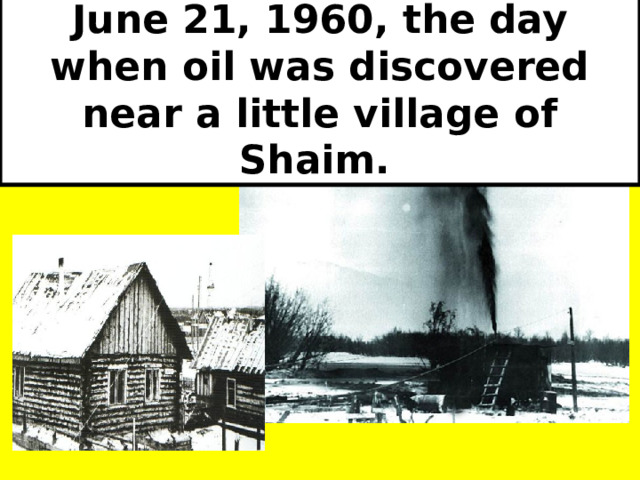
June 21, 1960, the day when oil was discovered near a little village of Shaim.
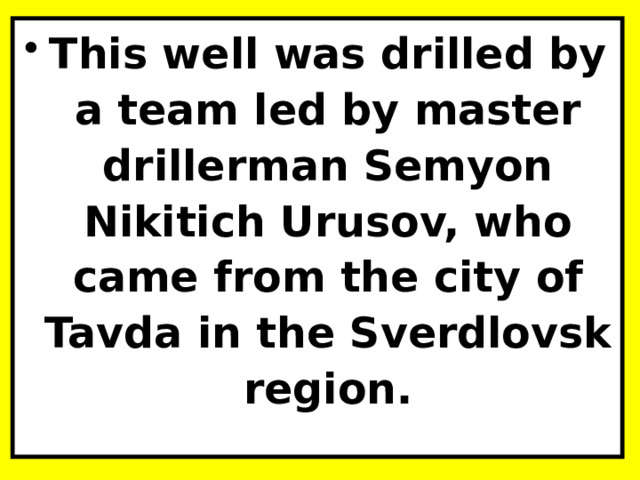
- This well was drilled by a team led by master drillerman Semyon Nikitich Urusov, who came from the city of Tavda in the Sverdlovsk region.
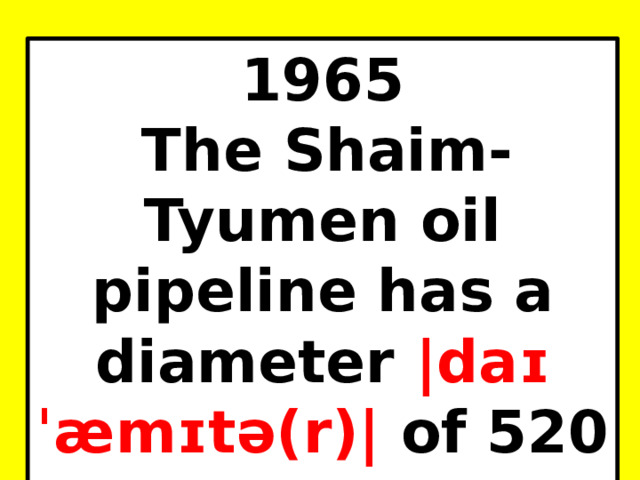
1965
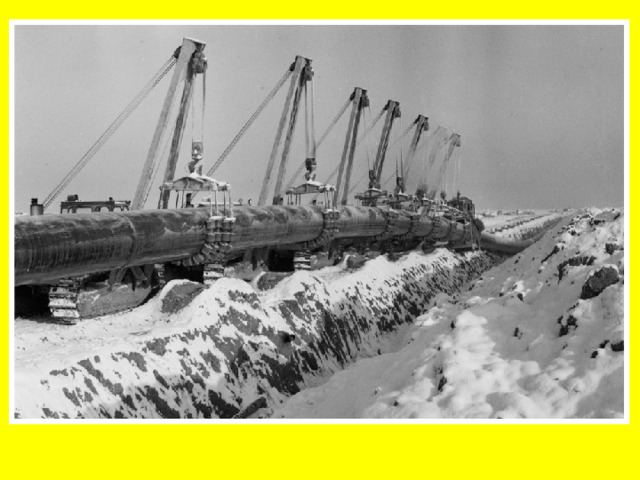
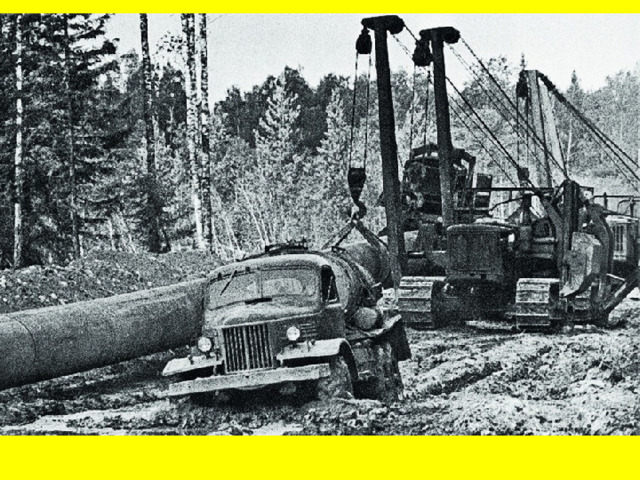
The Shaim-Tyumen oil pipeline has a diameter |daɪˈæmɪtə(r)| of 520 mm.
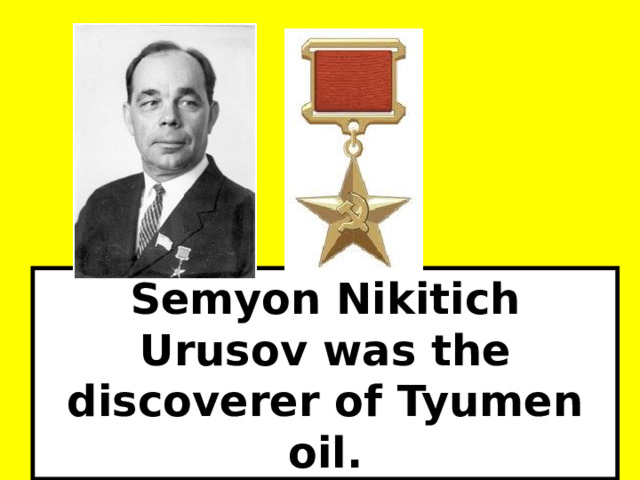
Semyon Nikitich Urusov was the discoverer of Tyumen oil.
Semyon Nikitich Urusov graduated Tyumen Professional training school in 1957. The training school will become our college.
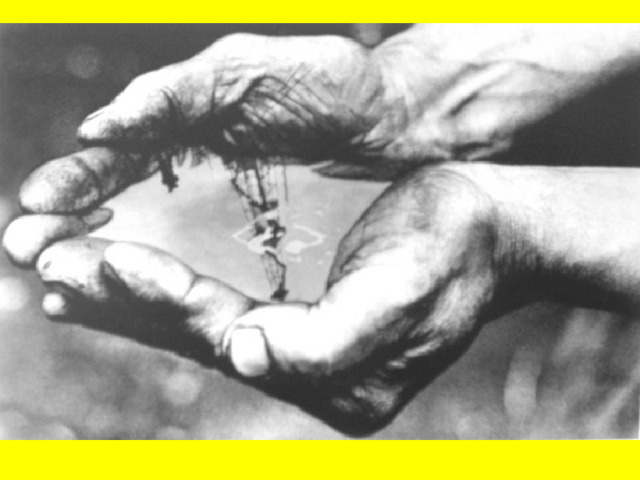
By 1965, 29 oil and 26 gas fields had been discovered.
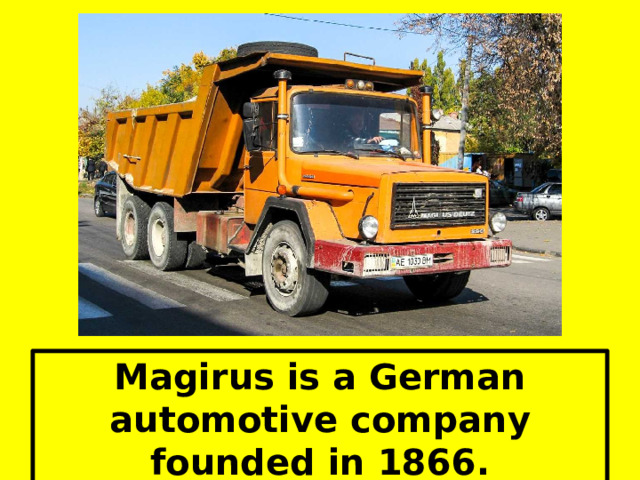
Magirus is a German automotive company founded in 1866.
Западно-Сибирский ТЭК
In 1969, the Central Committee of the Communist Party of the Soviet Union and the Council of Ministers of the USSR adopted a special decision on the development of the oil and gas industry.
Западно-Сибирский ТЭК
in 1965, the Tyumen Region produced 1.0 million tons of oil, in 1970 – 28 million tons, in 1975 – more than 141 million tons, and in 1985 – 193.5 million tons.
Западно-Сибирский ТПК
In 1974, the region became the leading oil producer in the USSR.
In 1977, the Tyumen Region became the leading gas producer in the country.
Западно-Сибирский ТПК
In 1980, the Siberian began producing 1 million tons of oil and 1 billion cubic meters of gas per day.
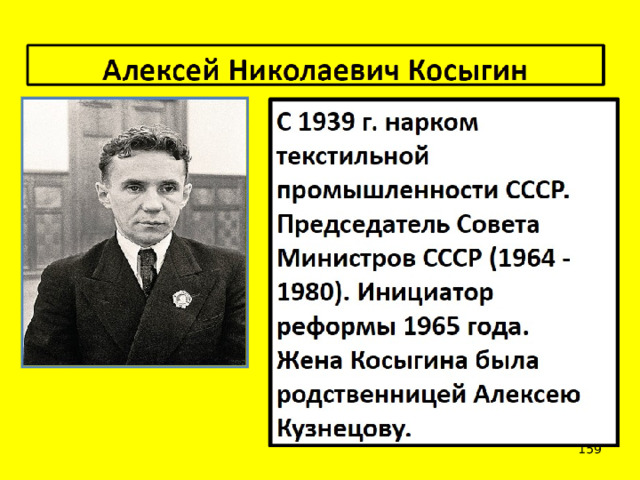
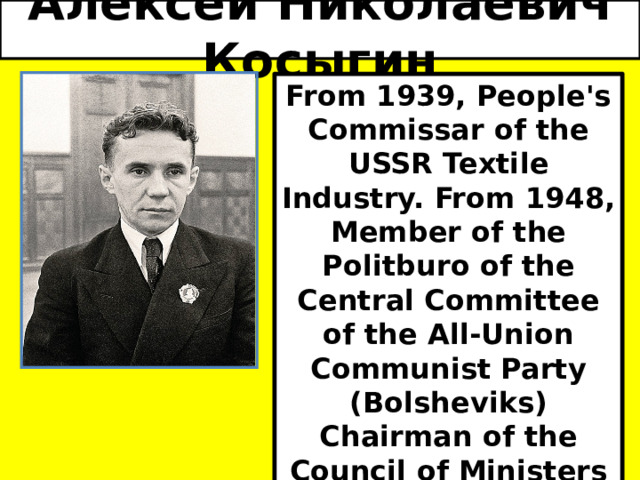
Алексей Николаевич Косыгин
From 1939, People's Commissar of the USSR Textile Industry. From 1948, Member of the Politburo of the Central Committee of the All-Union Communist Party (Bolsheviks) Chairman of the Council of Ministers of the USSR (1964 - 1980). Initiator of the 1965 reform.

Байбаков 1955-1957, 1965-1985

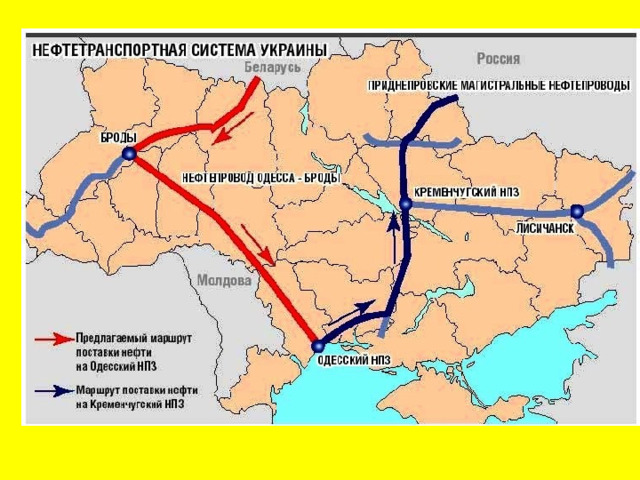
Druzhba Oil Pipeline
Druzhba is the world's largest oil pipelines.
It was built in the 1960s to transport oil in Hungary, Czechoslovakia, Poland, and the GDR.
The system includes 9,000 km of pipelines.

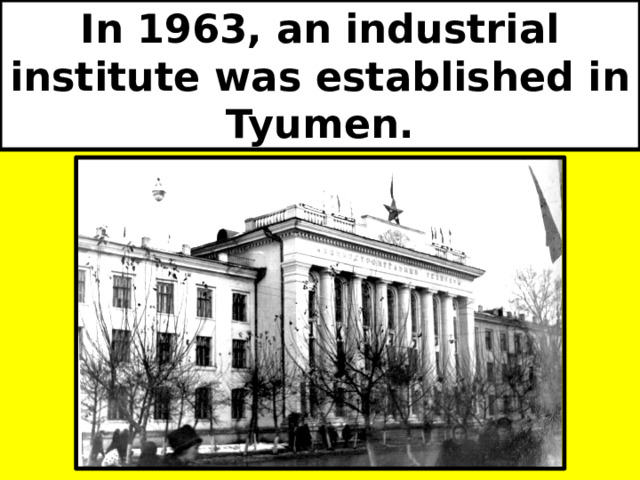
In 1963, an industrial institute was established in Tyumen.
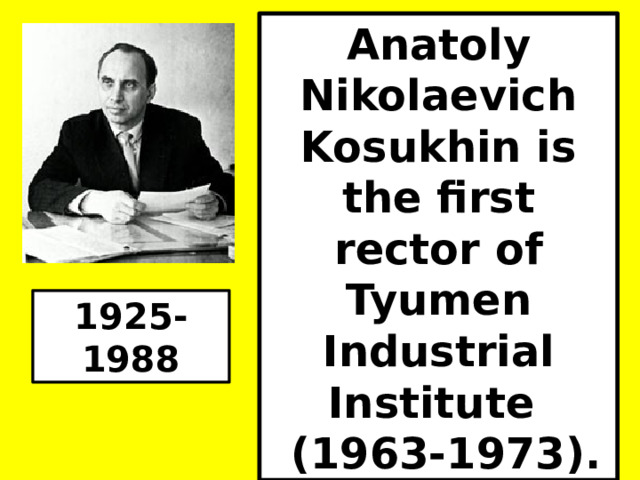
Anatoly Nikolaevich Kosukhin is the first rector of Tyumen Industrial Institute
(1963-1973).
1925-1988
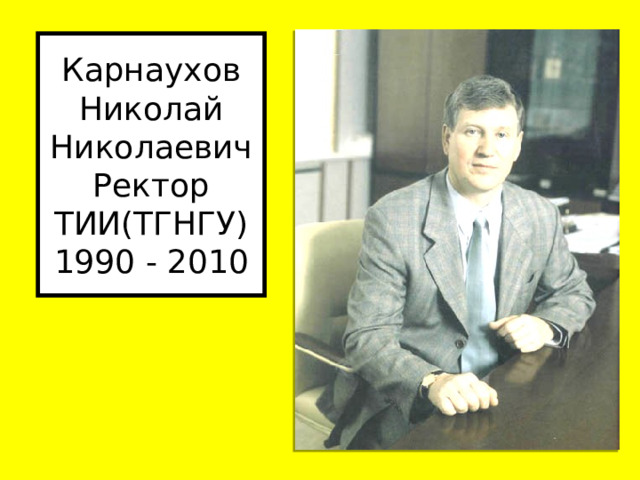
Карнаухов Николай Николаевич Ректор ТИИ(ТГНГУ) 1990 - 2010
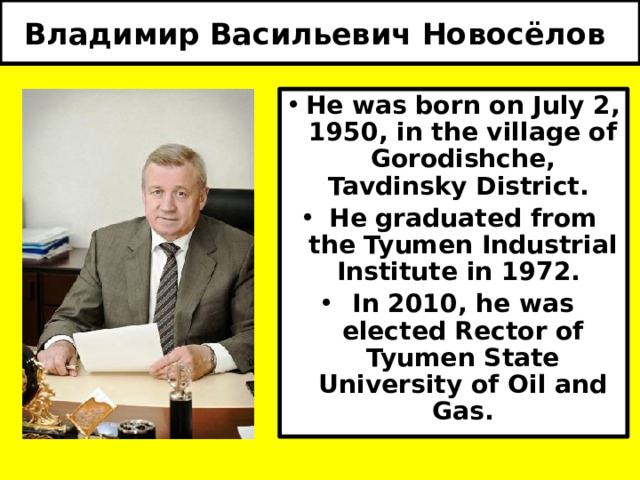
Владимир Васильевич Новосёлов
- He was born on July 2, 1950, in the village of Gorodishche, Tavdinsky District.
- He graduated from the Tyumen Industrial Institute in 1972.
- In 2010, he was elected Rector of Tyumen State University of Oil and Gas.

Nikolai Karnaukhov was born in 1953, Bogandinskaya station, Tyumen District) is a Doctor of Technical Sciences.
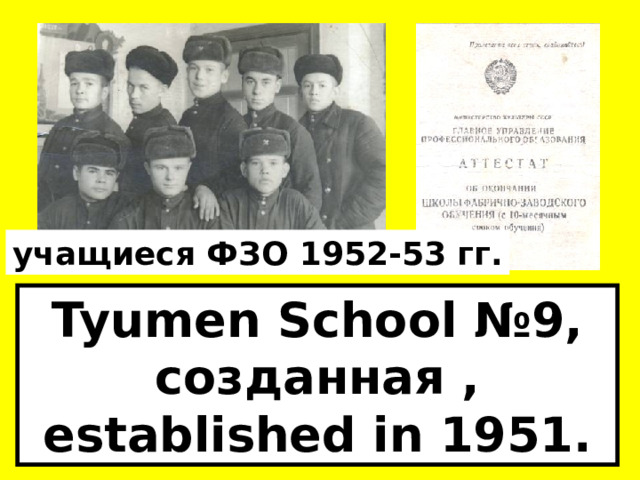
учащиеся ФЗО 1952-53 гг.
Tyumen School №9, созданная , established in 1951.
1952, the first class of rotary drilling workers was graduated. Valery Ladoshko was the first director of the school.
In 1959, the technical school No. 9 was reorganized into technical school No. 3.
In May 1975, it was transformed into technical school No. 7.

College Directors
- 1951 -1957 – Ладошко Валерий Ильич
- 1959-1978 - Шевченко Вера Александровна
- 1978 - 1980 - Лемешко Адольф Васильевич
- 1980 - 1983 - Нуждин Александр Спиридонович
- 1984-2003 -Низамов Раиль Сираевич
- 2003 – 2010 - Омельченко Игорь Николаевич
- 2010- 2013 - Ларченко Ирина Николаевна
- 2013-2018 - Жанна Викторовна Арушанян

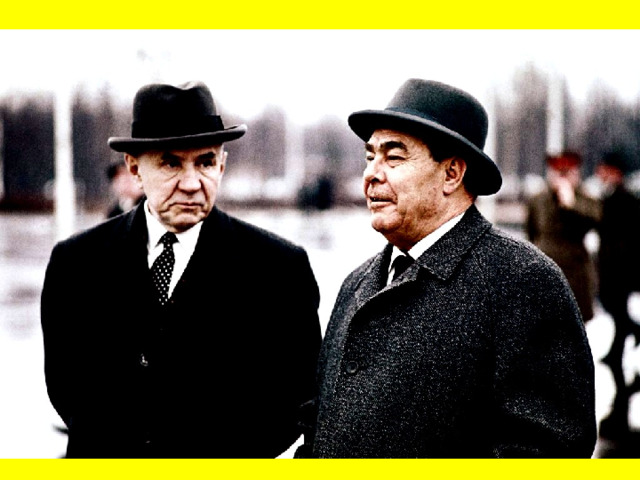
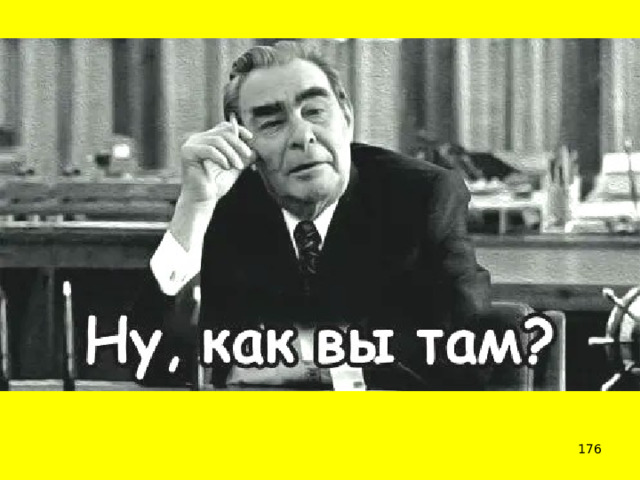
In 1978, Leonid Brezhnev, General Secretary of the Central Committee of the Communist Party of the Soviet Union, visited Tyumen.
14 cities have been built in the Tyumen North (Nizhnevartovsk, Kogalym, Nadym, Noyabrsk, Novy Urengoy, Nefteyugansk, Urai, and Megion, and 20 urban-type settlements.
Bogandinsky brigade of the Strategic Missile Forces
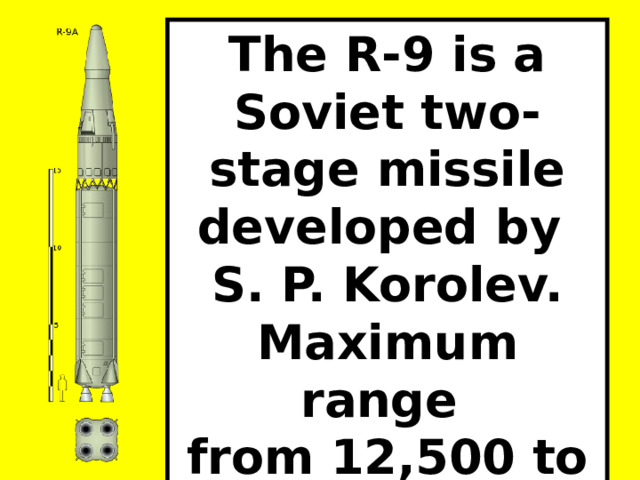
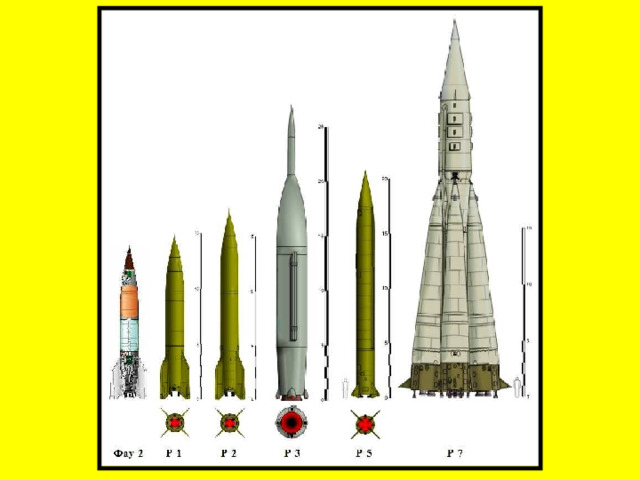
The R-9 is a Soviet two-stage missile developed by
S. P. Korolev.
Maximum range
from 12,500 to 16,000 km

![The Tyumen Region was awarded the Order of Lenin (June 9, 1967). Tyumen – Order of the October Revolution, Tobolsk and Ishim – Order of the Badge of Honor [bæʤ ɒv ˈɒnə].](https://fsd.multiurok.ru/html/2025/11/05/s_690b7516ee756/img182.jpg)
The Tyumen Region was awarded the Order of Lenin (June 9, 1967).
Tyumen – Order of the October Revolution, Tobolsk and Ishim – Order of the Badge of Honor [bæʤ ɒv ˈɒnə].
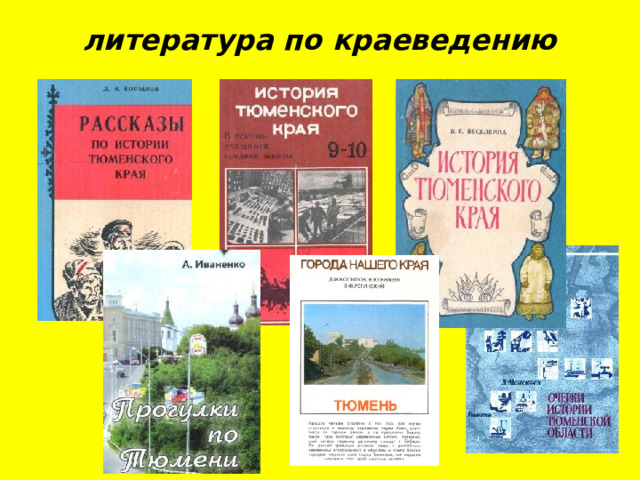
литература по краеведению
Вебинар для учителей
Свидетельство об участии БЕСПЛАТНО!