Киргизия, Kazarman


СДЕЛАЙТЕ СВОИ УРОКИ ЕЩЁ ЭФФЕКТИВНЕЕ, А ЖИЗНЬ СВОБОДНЕЕ
Благодаря готовым учебным материалам для работы в классе и дистанционно
Скидки до 50 % на комплекты
только до
Готовые ключевые этапы урока всегда будут у вас под рукой
Организационный момент
Проверка знаний
Объяснение материала
Закрепление изученного
Итоги урока

Была в сети 18.05.2026 14:01

Мухамбетова Мыскал Мухамбетовна
Учительница английского языка
33 года
 609
609
 94 517
Местоположение
Специализация
Oceans 11th grade
Категория:
Английский язык
22.01.2025 12:18

Просмотр содержимого документа
«Oceans 11th grade»
Theme : Oceans
Objectives : Students will be able to read and answer the question about oceans.
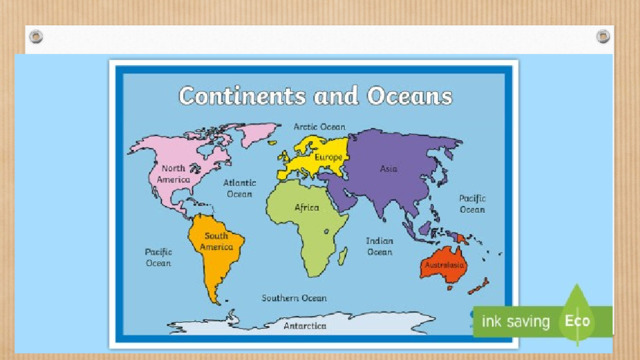
How many oceans do we have? Do you know the names of oceans? Where is it situated? Do you know interesting facts about oceans?
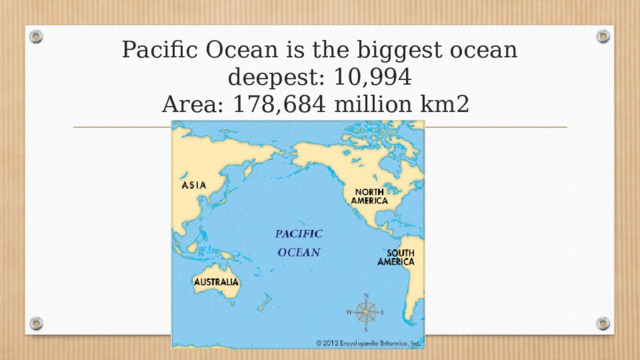
Pacific Ocean is the biggest ocean deepest: 10,994 Area: 178,684 million km2
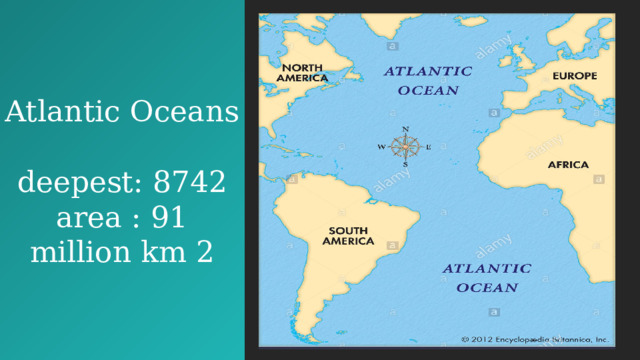
Atlantic Oceans deepest: 8742 area : 91 million km 2
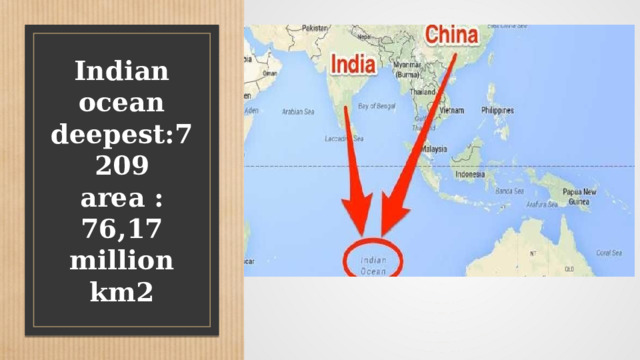
Indian ocean deepest:7209 area : 76,17 million km2
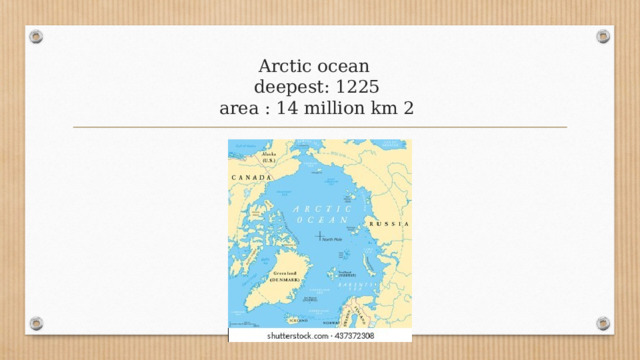
Arctic ocean deepest: 1225 area : 14 million km 2
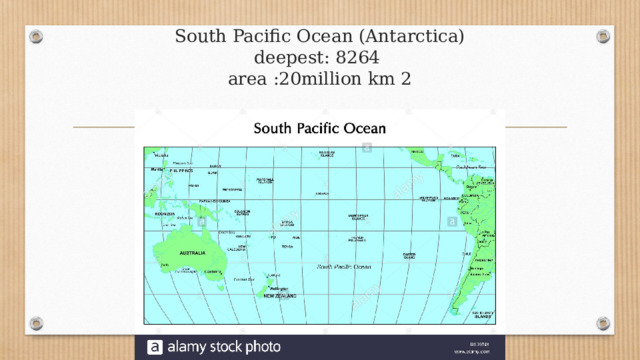
South Pacific Ocean (Antarctica) deepest: 8264 area :20million km 2
An oceans is a huge body of salt body.Oceans cover nearly 71% of the Earth’s surface. They contain almost 98% all of the water on Earth. There is one world ocean, but it is divided into five main areas: the Pacific , the Atlantic , the Indian , the Arctic , and the Southern , or Antarctic. Together, they can be seen as one world ocean because they have no real borders, and water flows freely between them. Smaller parts of these oceans are called seas, gulfs, and bays.
Ocean water is salty. The saltiness comes from a chemical substance called sodium chloride, which is dissolved in the water. (The salt that people eat is sodium chloride in the form of crystals.) Winds and other forces cause ocean water to be constantly in motion. Large amounts of ocean water move around Earth in patterns called currents. Ocean currents may be warm or cold. Warm currents tend to bring warm weather and rain to nearby land. Cold currents tend to cause a dry climate. The Gulf Stream is a warm current that runs north along the eastern coast of the United States. Winds also cause ocean water to move in waves. Steady, powerful winds cause big waves. Gentle breezes create ripples.

Living things inhabit all levels of Earth’s oceans. Ocean plants grow fairly close to the water’s surface because they need sunlight to stay alive. Sunlight penetrates the water to only about 656 feet (200 meters). The largest ocean animal is the blue whale . No larger animal has ever lived on Earth. The tiniest animals are a form of plankton called zooplankton. Hundreds of thousands of other types of animal also live in the ocean. Those include clams , crabs , squid , dolphins , and many different kinds of fish .
The world’s oceans are important to life on Earth. Oceans are a great source of food for people around the world. They also provide minerals, oil, and natural gas. Phytoplankton and algae create much of the world’s oxygen. People pollute oceans by dumping poisonous waste and garbage into them. Ocean pollution reduces oxygen in the water and harms ocean life. Overfishing and oil spills harm ocean life as well.
Gulfs,bays- булундар dissolve-ээруу,растворятся currents –агымдар ripples – толкундар clams-малюска squid-кальмары blue wale-синий кит

Thank you for your attantions!
proverka@example.com








Вебинар для учителей

Свидетельство об участии БЕСПЛАТНО!