Россия, Рязань

СДЕЛАЙТЕ СВОИ УРОКИ ЕЩЁ ЭФФЕКТИВНЕЕ, А ЖИЗНЬ СВОБОДНЕЕ
Благодаря готовым учебным материалам для работы в классе и дистанционно
Скидки до 50 % на комплекты
только до
Готовые ключевые этапы урока всегда будут у вас под рукой
Организационный момент
Проверка знаний
Объяснение материала
Закрепление изученного
Итоги урока
Была в сети 26.05.2020 21:08

Карайон Алевтина Владимировна
Учитель английского языка
34 года
 420
420
 118 648
Местоположение
Специализация
План урока по теме "Внешность"
Категория:
Английский язык
06.09.2018 20:29

Просмотр содержимого документа
«План урока по теме "Внешность"»
План урока.
Учитель: Карайон Алевтина Владимировна
Тема Appearance(Внешность)
Цели урока:
Практическая – Научить студентов использовать новые слова по теме в речи; построение монологов и диалогов.
Воспитательная – монологи и высказывания, основанные на личностно-ориентированном подходе, умении слушать и уважать мнение других собеседников.
Развивающая – пополняется словарный запас, формируются навыки в построении высказываний, новая информация способствует высокому развитию личности.
Средства обучения: презентация, работа в парах, монологи и диалоги
Методическая литература и ресурсы: Интернет, изученный материал предыдущих курсов.
Ход урока: этап1: учитель называет тему и цель урока. Затем читает эпиграф к уроку (из презентации).
Этап2: Учитель знакомит студентов с новыми словами по теме, вместе переводят и делаю задание1.
Этап3: Студенты учатся применять изученные ими только что слова на практике. Они описывают человека, используя эти слова, таким образом, происходит произвольное запоминание слов.
Этап3: предполагает построение монологов и диалогов, то есть учитель использует коммуникативный метод на ин яз.
Этап4: В заключении учитель просит студентов обменяться впечатлениями об изученном материале, ответив на вопросы (в конце плана).
Plan of the lesson
The aim of the lesson is to teach students to describe one’s appearance.
Task1: listen and read aloud after the teacher.
moustache, chin, shoulder, lip, chest, jaw…
sharp, short, wavy, dark, tall…
straight hair, wrinkled forehead, brown eyes…
tense, look, smile, worn-out skin, etc.
Translate the words consulting with a dictionary.
Comments. Students are given new words about the given theme. They repeat these words after the teacher; then students check the unknown words in their dictionaries. The teacher observes correct pronunciation.
Task2: Look at the pictures and describe a person (face, eyes, nose, chin, lips, etc.). Use the words in the 1st task.
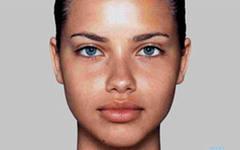


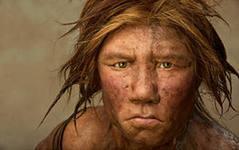


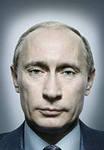
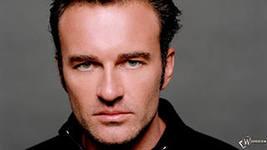
Comments. A student may choose 3-4 pictures. The teacher observes correct pronunciation, grammar, intention, use of words.
Task3: Describe yourself, your relatives and any celebrity.
| I am | a fair-haired | man | With side-whiskers |
| My father is | a dark-haired | lady | With long/short bang |
| Nicole Kidman | a brown-haired | blonde | With clean-shaven face |
| Etc. | … | … | …. |
Comments. Students are given the table with patterns. They should build sentences matching these words in the columns. The teacher’s main task is to observe correct usage of words, pronunciation and intonation.
Task4: Read and answer the questions. (5-10)
1) When you look at yourself in the mirror, do you think of getting older?
2) What figures of your face do you like?
3) What would you want to change in your appearance?
4) Why do people need to look in the mirror?
5) etc.
Add 3 questions of your own. Work in pairs to discuss the points.
Comments. The teacher listens to each pair and corrects the mistakes.
Task 5: Read the words and choose those which belong to the theme of appearance.
Gullible, sensible, good-looking, delicately built, dangerous, low forehead, noisy, freckled face, etc.
Describe one’s appearance, using the words on the theme.
Comments. The teacher’ task is the same.
Task6: Describe any person of your class. Let the rest guess who it is.
Comments. Each student does this task. The teacher may ask 4-5 students. Other students listen attentively and try to guess who is. The important thing is to create communication in the target language. Students use the learned words in a relevant situation.
Task7: To make a conclusion the teacher asks students the following questions: What was new for you? What did you like? Students may use the following phrases: It was interested for me; I’m surprised at, etc. Doing this task, students stand in a circle. The teacher stands in the circle too. It creates a real communicative situation. Students share opinions and emotions expressing personal understanding by choosing the most relevant target words.
- I can describe how people look like (people’s face)
- It’s easy for me now to describe people’s mood
- I can say a few words about…
Комплекты видеоуроков для учителей

Скачать
© 2018, Карайон Алевтина Владимировна 398 3
Похожие файлы
Вебинар для учителей

Свидетельство об участии БЕСПЛАТНО!