

Россия, Воронеж

СДЕЛАЙТЕ СВОИ УРОКИ ЕЩЁ ЭФФЕКТИВНЕЕ, А ЖИЗНЬ СВОБОДНЕЕ
Благодаря готовым учебным материалам для работы в классе и дистанционно
Скидки до 50 % на комплекты
только до
Готовые ключевые этапы урока всегда будут у вас под рукой
Организационный момент
Проверка знаний
Объяснение материала
Закрепление изученного
Итоги урока
Была в сети 12.10.2020 16:33

Селивёрстова Лидия Ивановна
учитель английского языка
 257
257
 155 801
Местоположение
Специализация
Презентация "English-speaking countries. Wales".
Категория:
Английский язык
20.09.2020 17:50

Просмотр содержимого документа
«Презентация "English-speaking countries. Wales".»
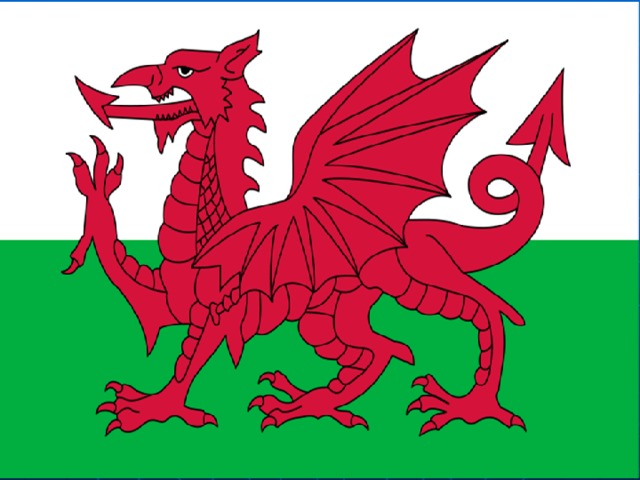

- The Flag of Wales incorporates the red dragon ( Y Ddraig Goch ) of Prince Cadwalader along with the Tudor colours of green and white. It was used by Henry VII at the Battle of Bosworth in 1485 after which it was carried in state to St. Paul's Cathedral. The red dragon was then included in the Tudor royal arms to signify their Welsh descent. It was officially recognised as the Welsh national flag in 1959. The British Union Flag incorporates the flags of Scotland, Ireland and England, but has no Welsh representation. Technically it is represented by the flag of England, as the Laws in Wales act of 1535 annexed Wales to England, following the 13th-century conquest.

- The daffodil and the leek are also symbols of Wales. The origins of the leek can be traced to the 16th century, while the daffodil became popular in the 19th century, encouraged by David Lloyd-George. This is attributed to confusion of the Welsh for leek, cenhinen , and that for daffodil, cenhinen Bedr or St. Peter's leek. A report in 1916 gave preference to the leek, which has appeared on British pound coins.
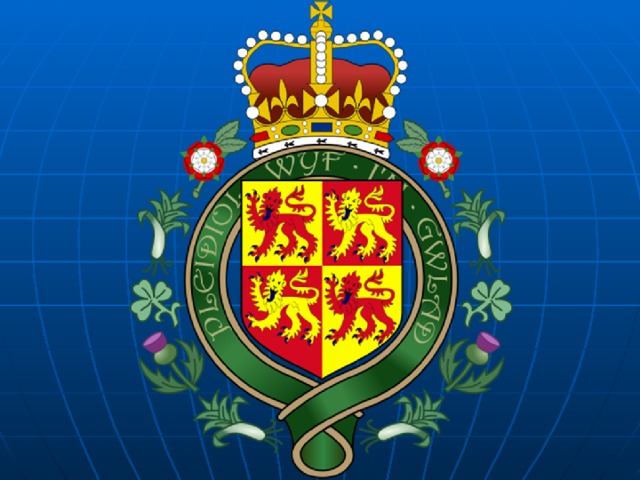

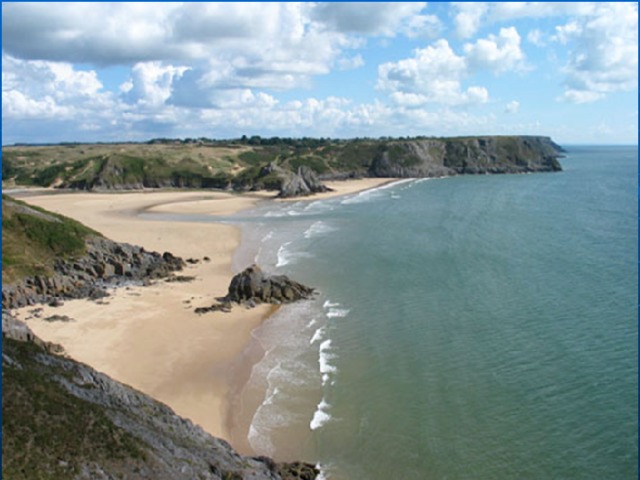
Wales pronounced is a country that is part of the United Kingdom and the island of Britain, bordered by England to its east and the Atlantic Ocean and Irish Sea to its west. It has a population of three million, and a total area of 20,779 km2 (8,023 sq mi). Wales has over 1,200 km (746 mi) of coastline, including its offshore islands; the largest, Anglesey ( Ynys Môn ), is also the largest island in the Irish Sea. Generally mountainous, its highest mountains are in the north and central areas, especially in Snowdonia ( Eryri ), which contains Slowdown ( Yr Wyddfa ), its highest peak.
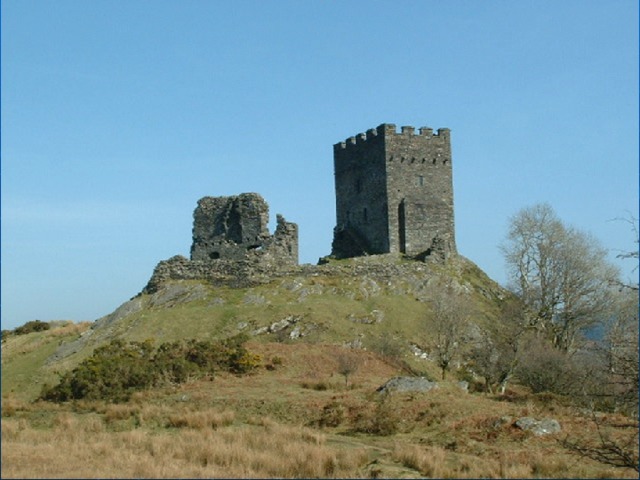

Land’s language
- The Welsh Language Act 1993 and the Government of Wales Act 1998 provide that the English and Welsh languages be treated on a basis of equality. English is spoken by almost all people in Wales and is the de facto main language. Code-switching is common in all parts of Wales and is known by various terms, though none is recognised by professional linguists. "Wenglish" is the Welsh English language dialect. It has been influenced significantly by Welsh grammar and includes words derived from Welsh. According to John Davies, Wenglish has "been the object of far greater prejudice than anything suffered by Welsh".Northern and western Wales retain many areas where Welsh is spoken as a first language by the majority of the population, and English learnt as a second language.

Wales – mountain’s land
- is a generally mountainous country on the western side of central southern Great Britain. It is about 274 km (170 mi) north–south and 97 km (60 mi) east–west. The oft-quoted 'size of Wales' is about 20,779 km2 (8,023 sq mi). Wales is bordered by England to the east and by sea in all other directions: the Irish Sea ( Môr Iwerddon ) to the north and west, St George's Channel ( Sianel San Siôr ) and the Celtic Sea ( Y Môr Celtaidd ) to the southwest and the Bristol Channel ( Môr Hafren ) to the south. Altogether, Wales has over 1,180 km (733 mi) of coastline. Over 50 islands lie off the Welsh mainland; the largest being Anglesey ( Ynys Môn ), in the northwest.

The Prince of Wales'
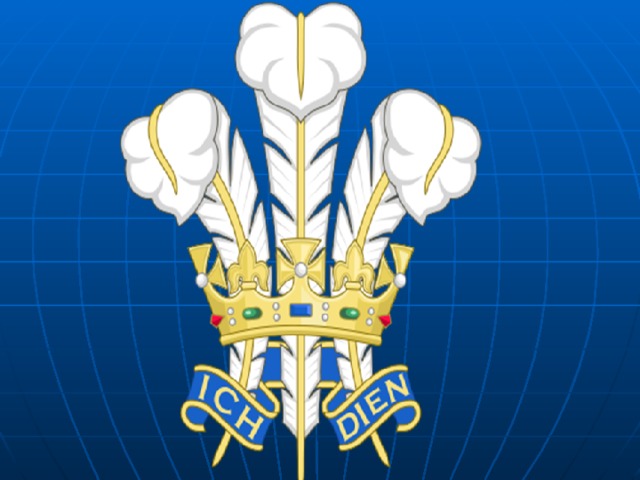
- The Prince of Wales' heraldic badge is sometimes used to symbolize Wales. The badge, known as the Prince of Wales's feathers, consists of three white feathers emerging from a gold coronet. A ribbon below the coronet bears the German motto Ich dien (I serve). Several Welsh representative teams, including the Welsh rugby union, and Welsh regiments in the British Army (the Royal Welsh, for example) use the badge, or a stylised version of it. However, its use is controversial and rejected by some as a symbol of the British monarchy, rather than of Wales.

National team
- " Hen Wlad fy Nhadau " (English: Land of My Fathers ) is the National Anthem of Wales, and is played at events such as football or rugby matches involving the Wales national team as well as the opening of the Welsh Assembly and other official occasions


Вебинар для учителей

Свидетельство об участии БЕСПЛАТНО!



