Россия, Тавда

СДЕЛАЙТЕ СВОИ УРОКИ ЕЩЁ ЭФФЕКТИВНЕЕ, А ЖИЗНЬ СВОБОДНЕЕ
Благодаря готовым учебным материалам для работы в классе и дистанционно
Скидки до 50 % на комплекты
только до
Готовые ключевые этапы урока всегда будут у вас под рукой
Организационный момент
Проверка знаний
Объяснение материала
Закрепление изученного
Итоги урока

Была в сети 10.04.2026 07:46
Гогохия Софико Гурамовна
учитель английского языка
36 лет
 973
973
 67 263
Местоположение
Специализация
Презентация по теме Eco-Helpers
Категория:
Английский язык
02.06.2020 16:57

Просмотр содержимого документа
«Презентация по теме Eco-Helpers»

«Eco-helpers»
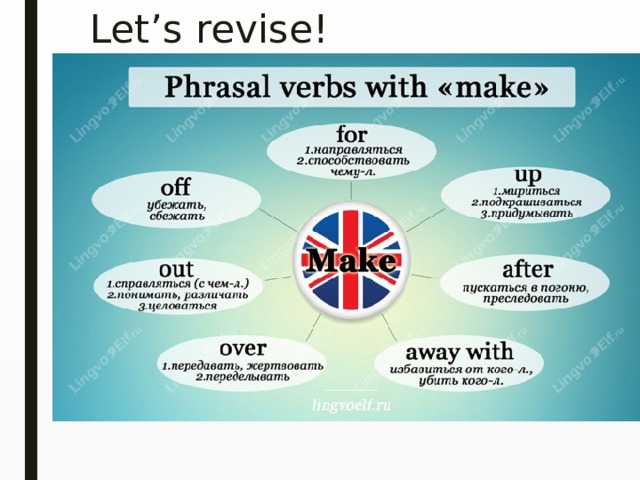
Let’s revise!
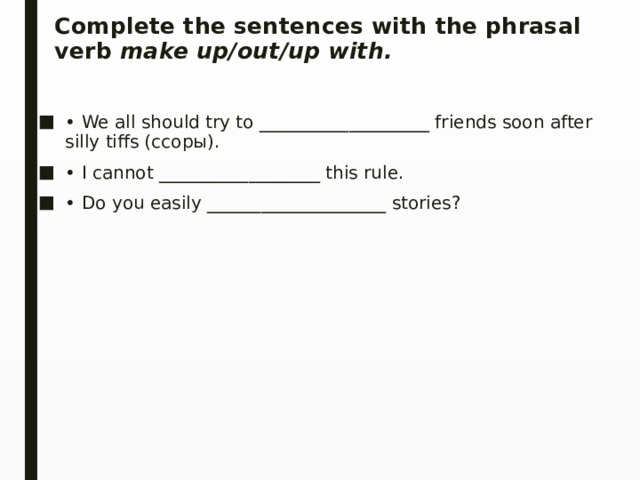
Complete the sentences with the phrasal verb make up/out/up with.
- • We all should try to ___________________ friends soon after silly tiffs (ссоры).
- • I cannot __________________ this rule.
- • Do you easily ____________________ stories?
Eco-helpers
Unit 8 b
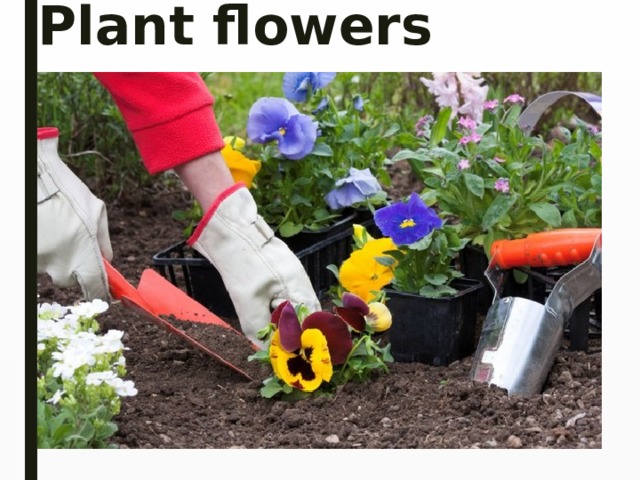
Plant flowers
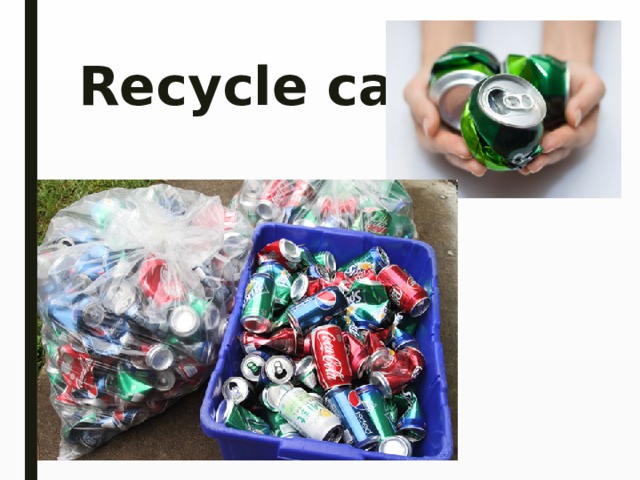
Recycle cans
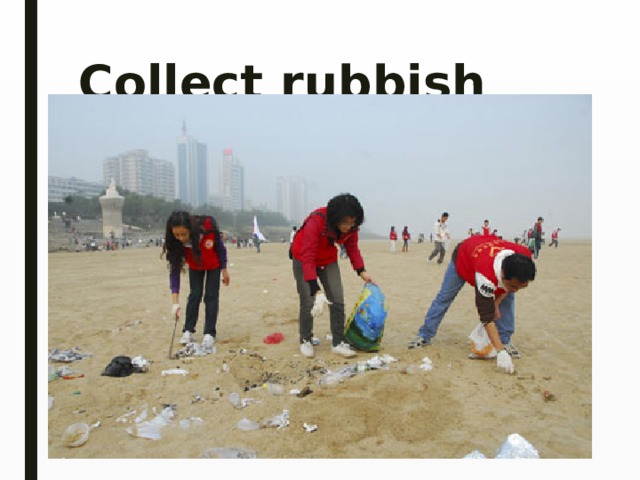
Collect rubbish
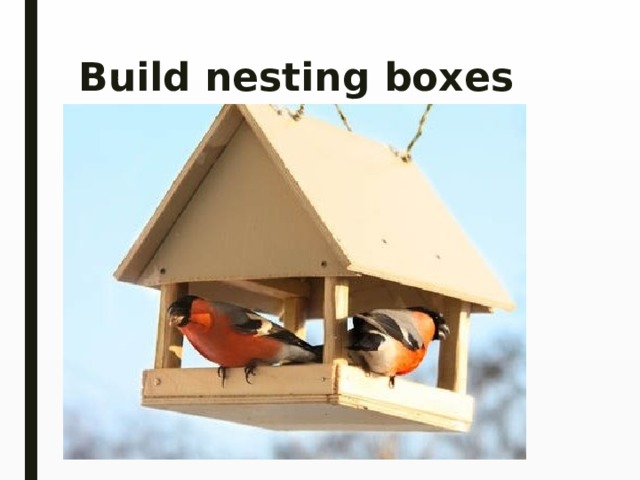
Build nesting boxes
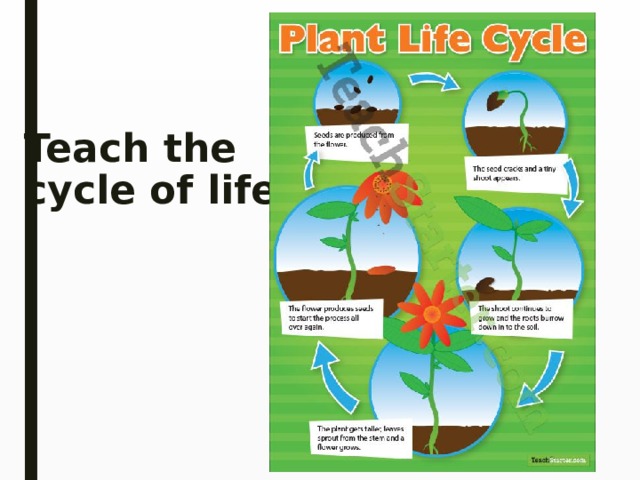
Teach the cycle of life
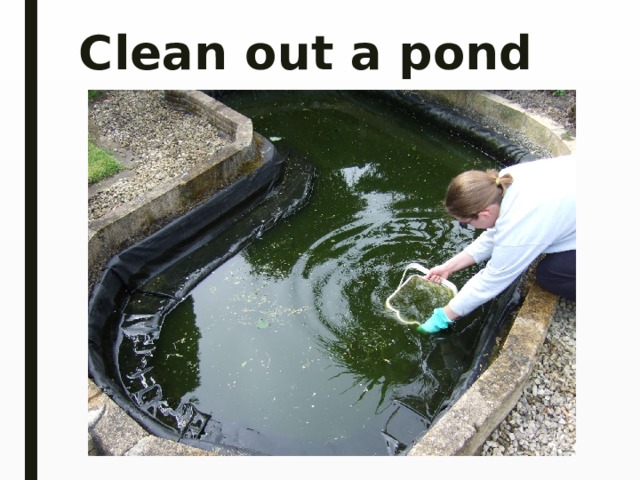
Clean out a pond

Read a book about ecology
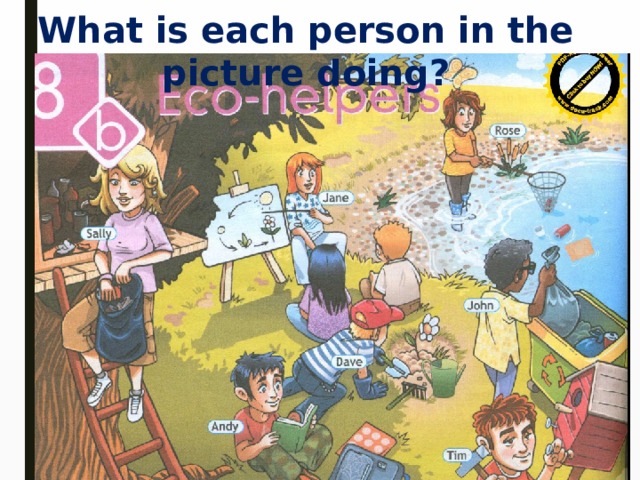
What is each person in the picture doing?
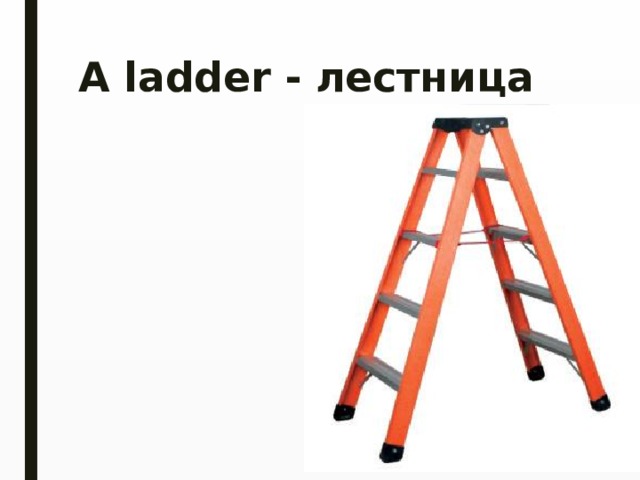
A ladder - лестница
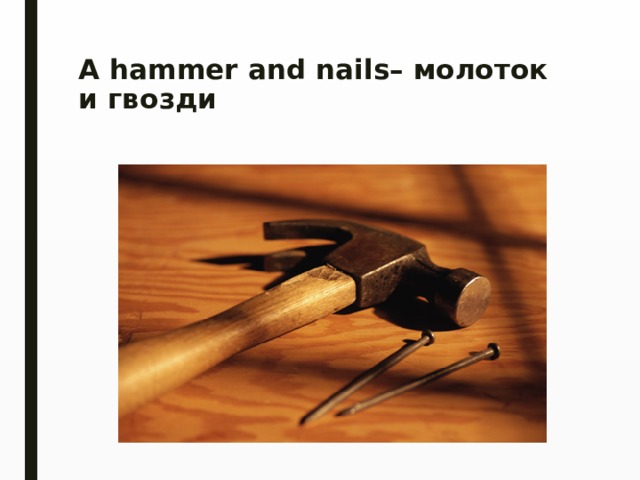
A hammer and nails– молоток и гвозди
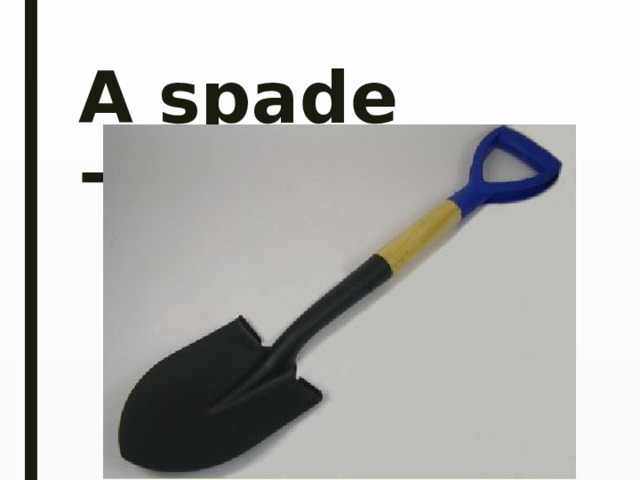
A spade -лопата
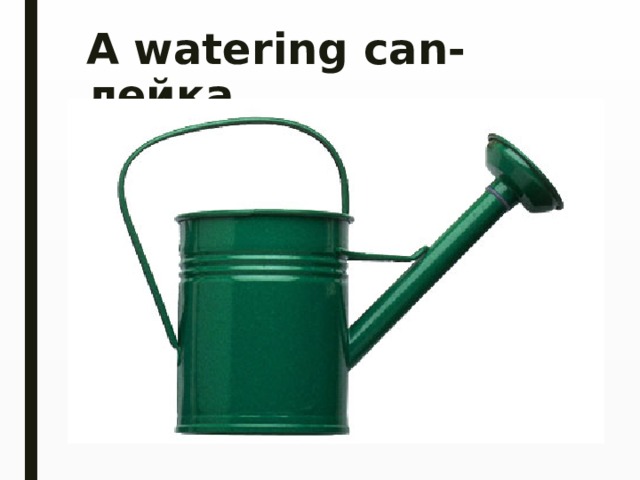
A watering can- лейка
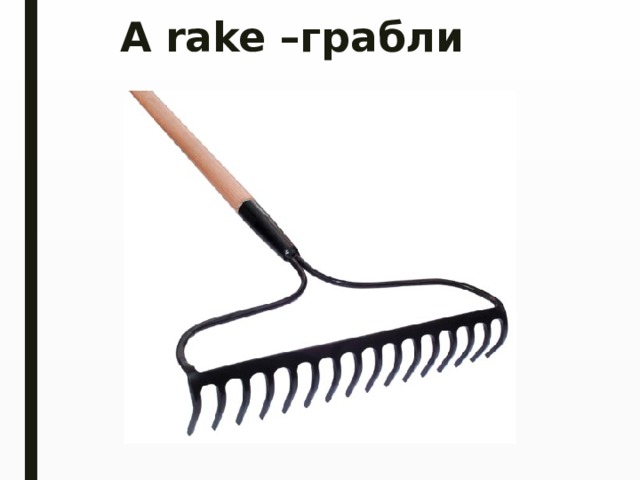
A rake –грабли
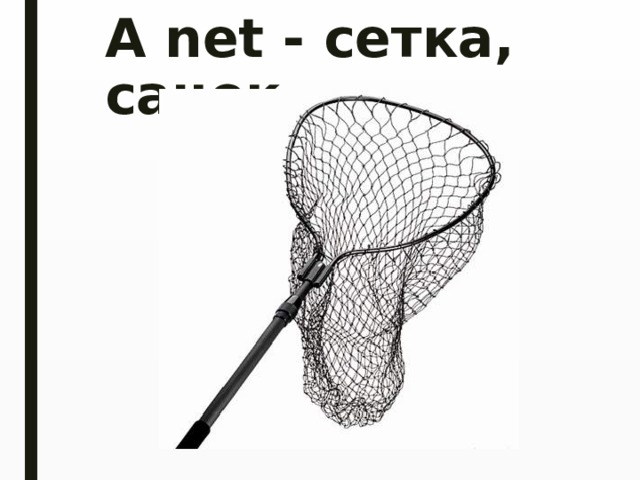
A net - сетка, сачок
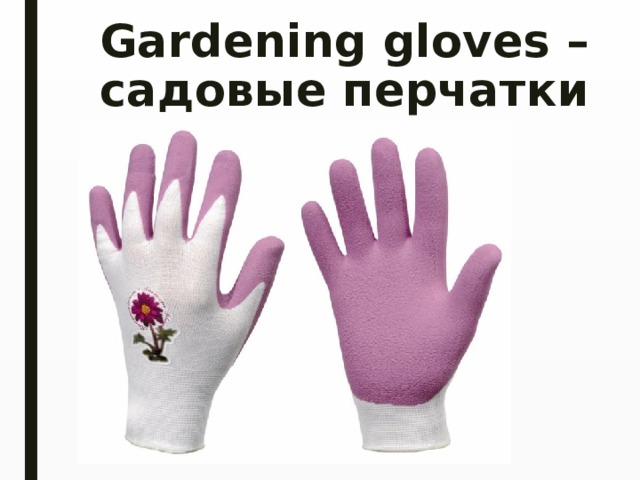
Gardening gloves – садовые перчатки
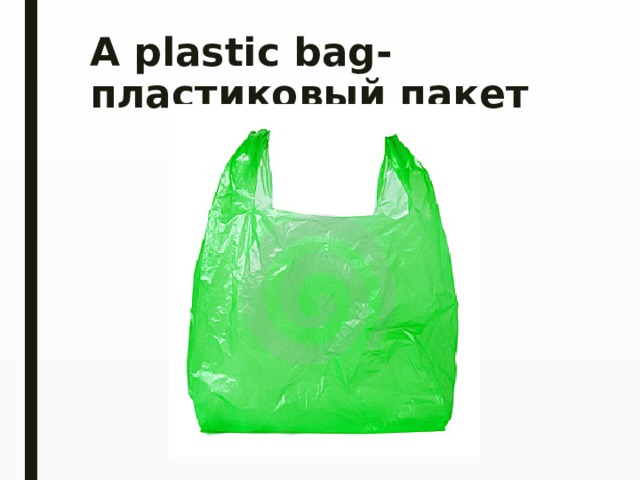
A plastic bag- пластиковый пакет
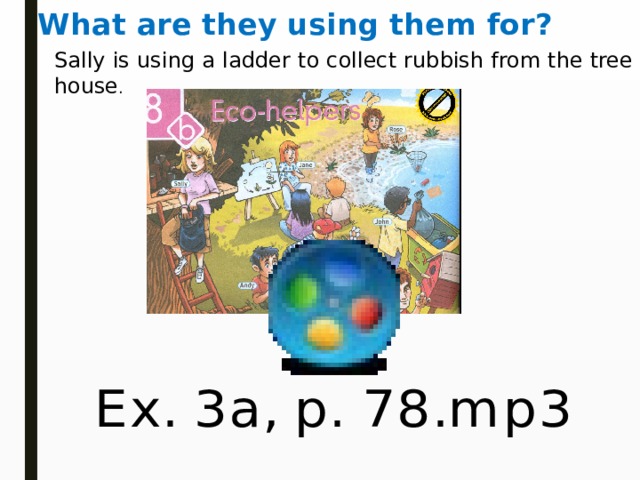
What are they using them for?
Sally is using a ladder to collect rubbish from the tree house .
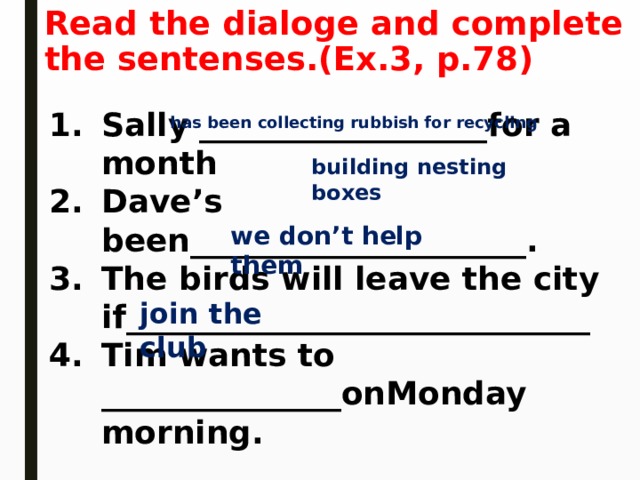
Read the dialoge and complete the sentenses.(Ex.3, p.78)
- Sally __________________for a month
- Dave’s been_____________________.
- The birds will leave the city if_____________________________
- Tim wants to _______________onMonday morning.
has been collecting rubbish for recycling
building nesting boxes
we don’t help them
join the club
![It is my dream to _______ in New York. We are _______ for London on April 5. ___________ is not all cakes and ale. I like watching _______ commentaries. He ___________ for work at 7 am. I don’t know where she ____________ . She _________ everything till the last minute. Fill in with live, life, leave and live [laiv].](https://static.multiurok.ru/multiurok/html/2020/06/02/s_5ed65a915b87f/img22.jpg)
- It is my dream to _______ in New York.
- We are _______ for London on April 5.
- ___________ is not all cakes and ale.
- I like watching _______ commentaries.
- He ___________ for work at 7 am.
- I don’t know where she ____________ .
- She _________ everything till the last minute.
Fill in with live, life, leave and live [laiv].
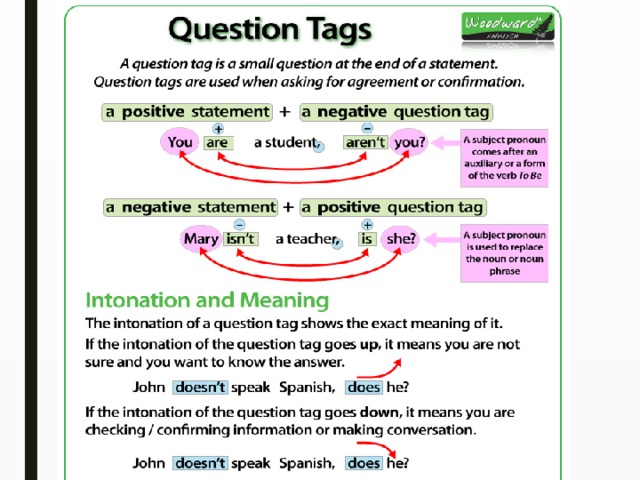
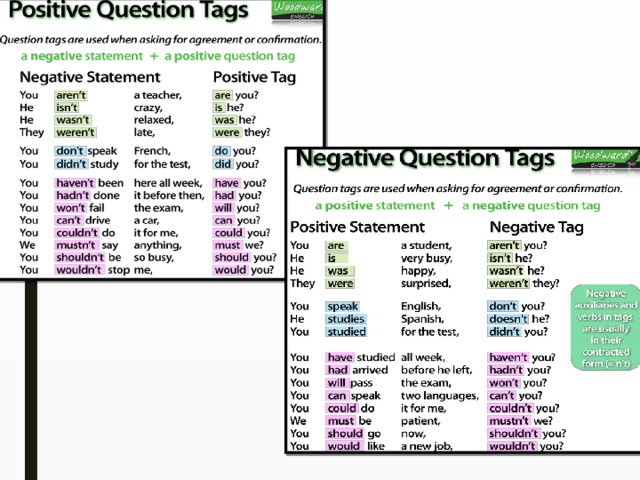
exceptions
1. «I am» «aren't I?»
- I am right, aren’t I?
- I am playing well, aren’t I?
2. Idioms
- My parents have dinner in the cafe, don’t they? (выражение «to have dinner — обедать» имеет переносное, т. е. идиоматическое значение)
- I have a good idea, don’t I? (Выражение «to have an idea» имеет значение «прийти в голову»)
- They had a lot of time last year, didn’t they? (Выражение «to have time» означает «располагать временем»)
3. С наречиями never, rarely, seldom, hardly, barely и отрицательными местоимениями nothing, nowhere, none, nobody вопрос-хвостик всегда положительный :
- - She could hardly go, could she? - Она едва может идти, не так ли?
- - He found nobody, did he? - Он никого не нашел, не так ли?
4. После everyone, someone, anyone, no one в хвостике используется they
- Someone should do that, shouldn't they? - Кто-то должен это сделать, не так ли?
5. С Let's в первой части предложения образуется вопрос shall we ? (приглашение)
- Let's go to the party, shall we? - Давайте пойдем на вечеринку, а?
6. С Let us в первой части употребляется will you ? (получение разрешения)
- Let us go to the party will you?- Разрешите нам пойти на вечеринку, а?
7. Если первая часть разделительного вопроса представляет собой повелительное наклонение, то краткий вопрос будет will you? В утвердительной форме повелительного наклонения можно использовать и won’t you?
Lend me some money, will you?
Don’t shout at me, will you?
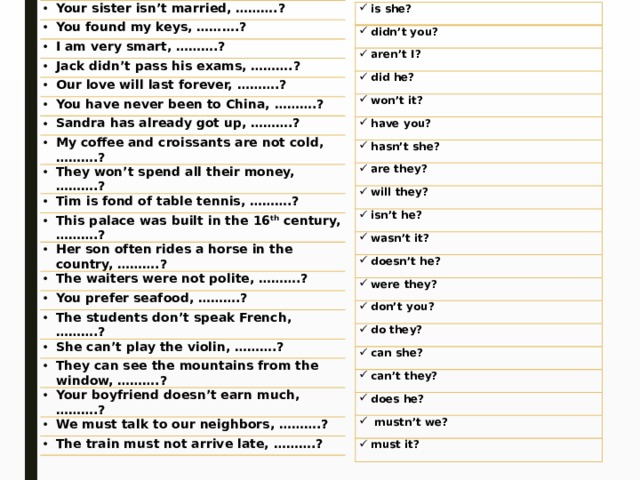
- Your sister isn’t married, ……….?
- You found my keys, ……….?
- I am very smart, ……….?
- Jack didn’t pass his exams, ……….?
- Our love will last forever, ……….?
- You have never been to China, ……….?
- Sandra has already got up, ……….?
- My coffee and croissants are not cold, ……….?
- They won’t spend all their money, ……….?
- Tim is fond of table tennis, ……….?
- This palace was built in the 16 th century, ……….?
- Her son often rides a horse in the country, ……….?
- The waiters were not polite, ……….?
- You prefer seafood, ……….?
- The students don’t speak French, ……….?
- She can’t play the violin, ……….?
- They can see the mountains from the window, ……….?
- Your boyfriend doesn’t earn much, ……….?
- We must talk to our neighbors, ……….?
- The train must not arrive late, ……….?
- is she?
- didn’t you?
- aren’t I?
- did he?
- won’t it?
- have you?
- hasn’t she?
- are they?
- will they?
- isn’t he?
- wasn’t it?
- doesn’t he?
- were they?
- don’t you?
- do they?
- can she?
- can’t they?
- does he?
- mustn’t we?
- must it?
Вебинар для учителей
Свидетельство об участии БЕСПЛАТНО!