


Россия, Ижевск


СДЕЛАЙТЕ СВОИ УРОКИ ЕЩЁ ЭФФЕКТИВНЕЕ, А ЖИЗНЬ СВОБОДНЕЕ
Благодаря готовым учебным материалам для работы в классе и дистанционно
Скидки до 50 % на комплекты
только до
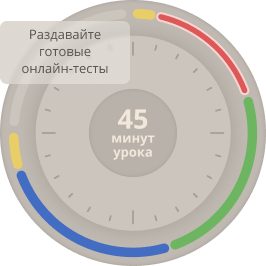
Готовые ключевые этапы урока всегда будут у вас под рукой
Организационный момент
Проверка знаний
Объяснение материала
Закрепление изученного
Итоги урока
Была в сети 21.11.2025 12:49

Каткова Светлана Витальевна
Преподаватель по предметам "Основы проектной деятельности", "Английский язык", "Французский язык"
45 лет
 86 102
 203
203 
Местоположение
Специализация
Презентация "Walk in cpu"
Категория:
Английский язык
14.04.2018 10:34

Просмотр содержимого документа
«Презентация "Walk in cpu"»

Walk in cpu
KUZNETSOV RUSLAN

Content
- 3. What is cpu?
- 4. Characteristics cpu
- 5. Some history
- 6. The most popular processors
- 7. The main functions of any processor are as follows

what is Cpu?
- Сentral Processing Unit - an electronic unit or an integrated circuit (microprocessor) that executes machine instructions (program code), the main part of the hardware of the computer or the programmable logic controller. Sometimes called a microprocessor or simply a processor.

characteristics cpu
- clock speed, performance, power consumption, the norms of the lithographic process used in production (for microprocessors) and architecture.

Some history
- Early CPUs were created in the form of unique components for unique, and even unique, computer systems. Later, from an expensive way to design processors designed to perform one single or several highly specialized programs, computer manufacturers switched to serial manufacturing of typical classes of multipurpose processor devices. The trend towards standardization of computer components was born in the era of rapid development of semiconductor elements, mainframes and mini-computers, and with the advent of integrated circuits it became even more popular. The creation of microcircuits allowed to increase the complexity of the CPU even more, while reducing their physical size.

- The most popular processors
- Today are manufactured by Intel, AMD and IBM.
- Most of the processors currently used are Intel-compatible, that is, they have a set of instructions and programming interfaces that are similar to those used in Intel's processors.

The main functions of any processor are as follows:
1) sampling (reading) of executable commands;
2) input (reading) of data from memory or UVB;
3) output (write) the data into memory or UVB;
4) processing of data (operands), including arithmetic operations on them;
5) memory addressing, i.e., specifying the memory address with which the exchange will be performed;
6) interrupt processing and direct memory access (DMA) mode.
The most important characteristic of the processor is the bit capacity. The bit rate is the system speed. The bit rate is the permissible complexity of the system. The number of control lines determines the variety of exchange modes and the efficiency of processor exchange with other devices of the system.

fulfilled, student group 31-T Kuznetsov Ruslan Sergeevich

Вебинар для учителей

Свидетельство об участии БЕСПЛАТНО!



