Россия, Калининград
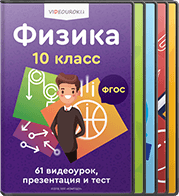

СДЕЛАЙТЕ СВОИ УРОКИ ЕЩЁ ЭФФЕКТИВНЕЕ, А ЖИЗНЬ СВОБОДНЕЕ
Благодаря готовым учебным материалам для работы в классе и дистанционно
Скидки до 50 % на комплекты
только до
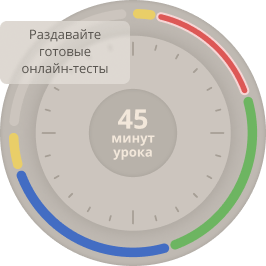
Готовые ключевые этапы урока всегда будут у вас под рукой
Организационный момент
Проверка знаний
Объяснение материала
Закрепление изученного
Итоги урока
Была в сети 30.11.2024 16:28

Богомазова Виктория Денисовна
Учитель китайского языка
23 года
 48
48
 253 608
Местоположение
Procedure-sheet
Категория:
Английский язык
28.11.2024 20:07

Просмотр содержимого документа
«Procedure-sheet»
The Procedure Sheet
| Stages and Stage Aims | Mins | Inter-action | Procedure What is happening? Comment on: set up, activity and feedback for each stage | Trainer Observations & Recommendations Trainees do NOT complete this column |
| Lead-in
To generate interest in the topic of the lesson | 5 mins | T-SS SS-T | Set-up: Teacher asks students: “What do you think how life has changed in the last 100 years?”
Sts on task: Students think about the question and share their ideas.
Whole class feedback
|
|
| Prediction task
To encourage Ss to predict content of the text | 3 mins | T-SS SS - SS SS-T |
Set-up: Teacher asks students: “Think about washing, keeping cool and entertainment 100 years ago and give your feedback.” Teacher divides students into two groups of 3-4 people.
Sts on task: Students discuss the question in groups and share their ideas. Teacher writes down their ideas on the board.
Whole class feedback
|
|
| Pre teach vocabulary
To pre-teach key vocabulary needed to help students to complete the reading task | 5 mins |
T –SS SS -T S-T | Set-up: we pre-teach the vocabulary that will be important for understanding of the text and doing exercise 2. Teacher shows the example sentences and pictures on the board. Then elicits the meaning of the words in bold. If there’re problems, teacher explains the meaning and drills the words with students. Then, teacher checks if students understood the words with CCQ. List of the words: enormously (B2), exist (B1), cool down (B2), entertainment (B1), performance (B1)
Sts on task: Answer the questions from teacher and repeate the words.
Whole class feedback/ Each student feedback.
|
|
|
Reading for gist To encourage Ss to read for gist
| 7 mins | T –SS SS -T | Set-up: Teacher asks students to read the text. Gives them 5 mins to do it. Then they compare their predictions with the information from text to see if they were right. After that Teacher asks a question: “Is people’s life 100 years ago harder than nowadays? Why?”
Sts on task: Students discuss the question in groups and share their ideas.
Whole class feedback |
|
| Reading for specific information To practise reading for specific information
| 5 mins | T – SS SS –SS SS - T | Set-up: Teacher asks students to do exercise 2 in their Student’s books individually. Then compare their answers in pairs. After that teacher nominates each student at a time to answer one of the questions. Teacher corrects if needed.
Sts on task: Students do the task individually and then compare their answers in pairs.
Feedback |
|
| Reading for detailed comprehension
To practise reading for detailed comprehension
| 5 mins | T – SS SS –SS SS - T | Set-up: Teacher handouts students some sheets with multiple choice tasks and encourage students to do it in pairs. Then they check their answers together.
Sts on task: Students do the task in pairs and then check their answers together.
Feedback |
|
| Post teach vocabulary
To post-teach useful vocabulary from the text with higher level. | 5 mins | T – SS SS - T | Set-up: After reading teacher askes if the students found these words in the text. Then, the teacher asks students about other words and their meanings. If students struggle, teacher shows thrse words in example sentences and asks students again. If they don't answer again, teacher explains the meaning and drills the words with students. Then, teacher asks CCQ to elict the answers from students. List of words: time-consuming (C1), tap (B1), average (B2). Sts on task: Students answer the teacher’s questions, do the drilling exercise.
Whole class feedback. |
|
| Follow up
To develop oral fluency by providing an opportunity to react to the text; To personalise the topic
| 5 mins | T – SS SS –SS SS - T | Set-up: Teacher asks students to do exercise 3a in their Student’s book.
Sts on task: Students are divided into two groups of 3-4 people and discuss the following questions: Imagine you could go back to life a hundred years ago. What things would you like about it? What would you miss from your life now? Why?
Whole feedback |
|
| Delayed error correction To provide language feedback on task NB. Provide feedback on content of task before focusing on errors. | 5 mins | T – SS
| Set-up: Teacher provides students with feedback on the content of the task and then corrects most frequent mistakes.
Sts on task: listen and make notes if needed.
Feedback |
|
Page 1 of 1

Вебинар для учителей

Свидетельство об участии БЕСПЛАТНО!