Россия, Ртищево

СДЕЛАЙТЕ СВОИ УРОКИ ЕЩЁ ЭФФЕКТИВНЕЕ, А ЖИЗНЬ СВОБОДНЕЕ
Благодаря готовым учебным материалам для работы в классе и дистанционно
Скидки до 50 % на комплекты
только до
Готовые ключевые этапы урока всегда будут у вас под рукой
Организационный момент
Проверка знаний
Объяснение материала
Закрепление изученного
Итоги урока

Была в сети 29.06.2023 18:15
Шафина Мария Петровна
учитель английского языка
 2 389
2 389
 29 299
Местоположение
Специализация
Russian Traditions.
Категория:
Английский язык
28.06.2021 15:04

Просмотр содержимого документа
«Russian Traditions.»
Муниципальное автономное общеобразовательное учреждение
«Средняя общеобразовательная школа № 8
г.Ртищево Саратовской области»
(МАОУ «СОШ №8 г. РТИЩЕВО САРАТОВСКОЙ ОБЛАСТИ)
«Russian Traditions»
(подготовила учитель английского языка Шафина М.П.)
________________________________
2020 г.
Пояснительная записка
Модернизация образования подразумевает обновление и его содержания. В связи с этим особое внимание уделяется созданию условий для развития творческого личностного потенциала учащихся и расширения возможностей углубленного образования, в том числе и языкового.
Данная методическая разработка направлена на расширение знаний учащихся о традициях, обычаях и о культуре России, направлена на развитие навыков устной речи на английском языке и предназначается для учащихся среднего и старшего школьного возраста, изучающих английский язык.
Материал способствует более глубокому изучению базового курса английского языка, а также служит для внутрипрофильной дифференциации и построения индивидуального образовательного пути.
(составлено на базе учебного пособия по культурологии
«Дух России»(«The Spirit of Russia», A.P.Vaks),
рекомендованное Комитетом по образованию г. Санкт-Петербурга.)
___________________________________
Russian people have many rites(обряды), but we will discuss only some of them.
The main ritesare: the House-Warming(Новоселье), the Wedding (свадьба), and the Birth of a Child (рождениеребенка).
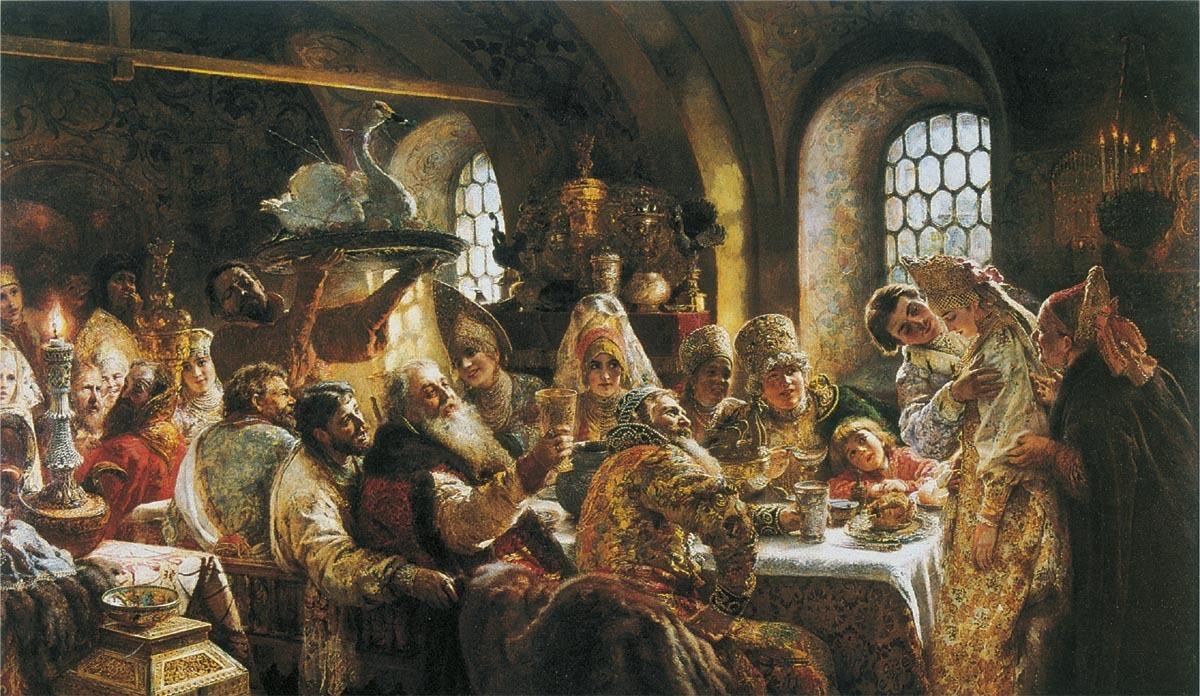
The Russian Wedding
Weddings were usually held in autumn (in October) and in winter before Lent (Великийпост), up to Shrovetide (Масленица).The whole ritual of the Russian Wedding can be divided into three parts: the period before the wedding, the wedding, and the period after the wedding.
The parents of the bridegroom visit the parents of the bride (невеста) and have a talk.
The pre-wedding period usually ended in devichnic (девичник) or the bridegroom’s (жених) party. The participants of the party were: Druzhka («дружка»-свидетельжениха), tysyatsky («тысяцкий»-уважаемыйчеловек) and other relatives. The bridegroom will not get the bride unless he pays ransom (выкуп) for her.
The newly-weds (новобрачные) have to kiss in public when their guests propose a toast and cry “Gorko!”. This means that they would like the newly-weds to kiss, and they pretend they can’t drink the wine without sweetening it with the kiss.
According to the Russian tradition, the bride must cry even if she loves her bridegroom. Russian wedding laments (причитание) are very poetic. The bride and the bridegroom ride to church in separate carriages. After the marriage ceremony in church, the newly-weds go home in one carriage. The parents of the newly-weds meet them at home with bread and salt and an icon, and they bless (благословлять) the newly-weds.

Welcome!
House-Warming
Moving to a new house is accompanied by special rituals. People used to make a cat be the first to enter the house, because they believed they would die very soon if someone was the first to enter a new house. A House-Warming party is celebrated when they move into the new flat. The guests bring presents to the owners of a flat.
The Birth of a Child
In old Russia, a woman from a village gave birth to her child in a banya. The young parents choose the Godfather (крёстный) and the Godmother (крёстная). The children would call their God-parents: “kryostny” and “kryostnaya”. Parents giving names to their children preferred the names of the Saints (Святые) on whose days their children were born.
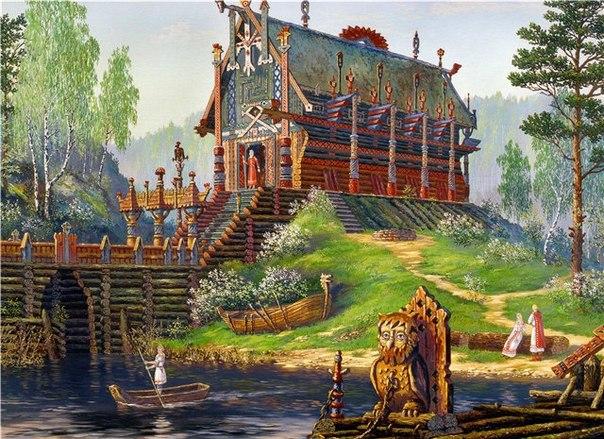
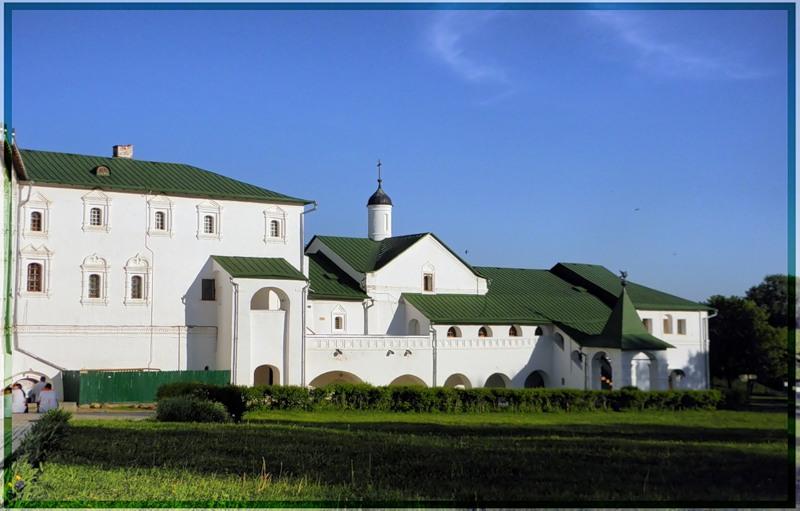
Russian Home
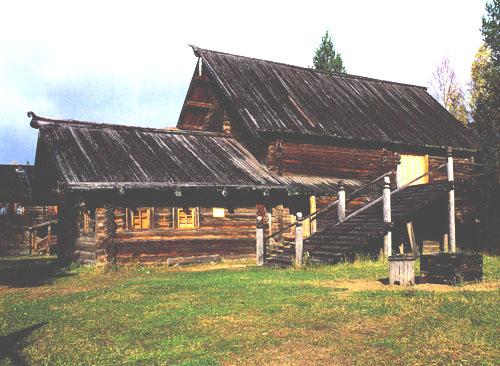
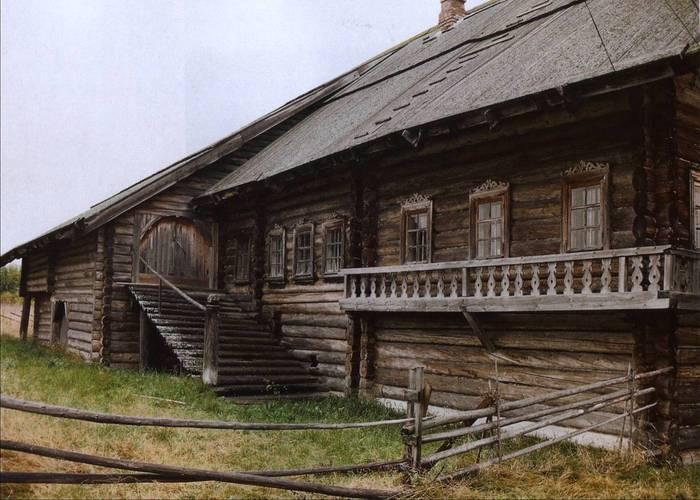
The first Russian Houses (the peasant’s house was called “izba”;the houses for rich people were called “terem” or “polaty”) were built of wood. The Russians used only pine-trees and larch-trees for building their houses. They didn’t use nails for building the houses. The most important article of each Russian house was a stove. The stove was used for a lot of things: cooking food, baking bread, heating the house, sleeping (because there was a special place over the fire-chamber for sleeping). The “Russian” stove was a large structure, from floor to ceiling, and was the centre of home life. In every house there was a “red corner” with icons and with a table near it.The windows facing the street were always richly decorated with carvings. Every house had a richly decorated porch. The porch of the house showed the hospitality of the owner and his wealth. There was a tradition: several generations of a family lived together.
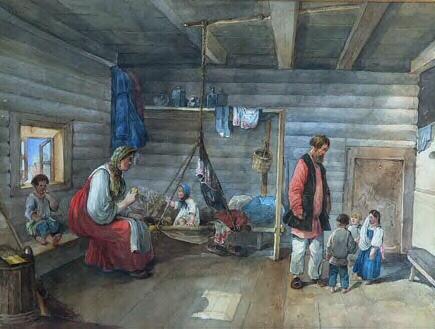
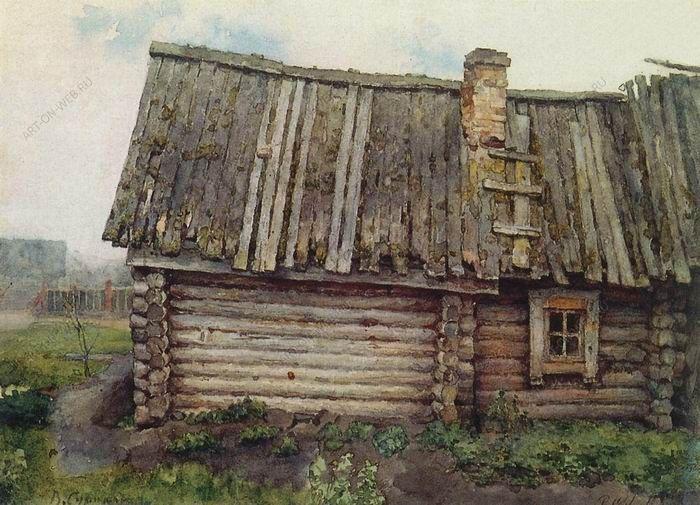
Poor people lived in small wooden houses, but rich people lived in big wooden houses, and later in stone houses, sometimes two-storied and large.
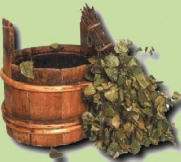 Russian Baths
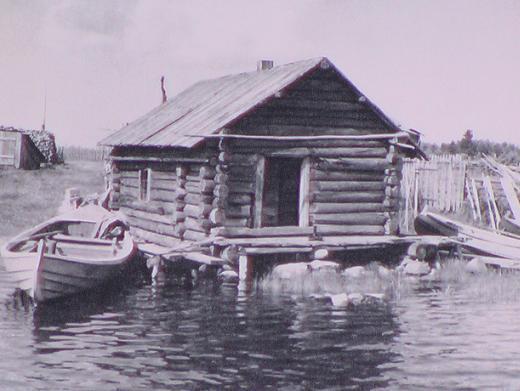
Russian people like the steam bath. If you visit Russian Baths, you will understand the Russian soul and mentality. In old Russia, baths were put on bank of the river or lake, near the water. Visiting Russian baths is a ritual, a great occasion. What do you need for it? Good steam, a good venik, a lot of time, and a good mood.
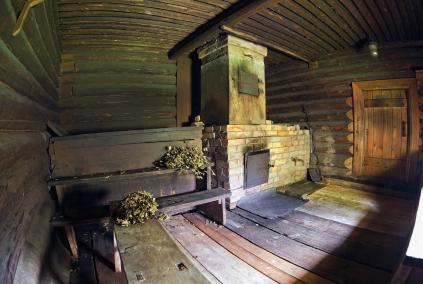
We have state public baths and bath-houses in private homes. The bathhouse in a private house is comprised of two sections: a dressing room and a steam room. Everything in the Bath is made of wood. The main part of the Russian bathhouse is a stone stove with a cauldron for the water and a special hollow where cobblestones are piled. The venik is the main attribute of the Russian bath. Usually veniks are made of birch or oak twigs. People use veniks for massage (they thrash one another with it during their washing). They say Russian Baths are very useful for health. After having a bath, people like to have a rest and to drink kvasor hot tea. Some people even run out of the bath and swim in a nearby river or lake, or in winter they rub themselves with snow. After returning to the steam room, they steam again. There is a special smell in the bath (because of twigs).
What do people say after the bath?-Light Steam!
Russian Costumes
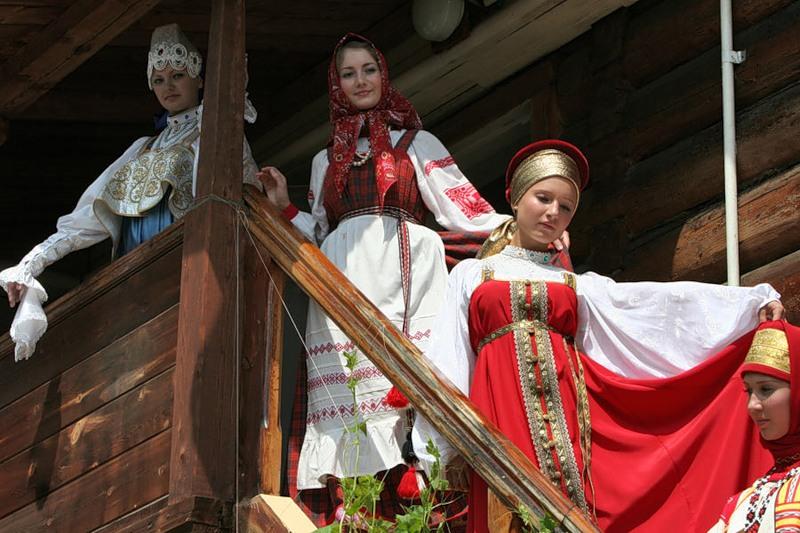
Clothes can tell us about the people who wear them: about their class, their rank, their job, their country. Now one can see traditional Russian costumes in museums or during Russian village holidays.
Sewn over hundred years ago, the costumes have been kept as familyheirlooms (фамильнаявещь) by a number of generations of villagers. Some folklore ensembles use Russian costumes for their performance. The costume showed the differentiation between people of different social positions. Their costumes reveal their conception of the world and their way of life. The Russian costume was richly decorated, and specific cloth and colours were used. Each region had its own kind of costume.
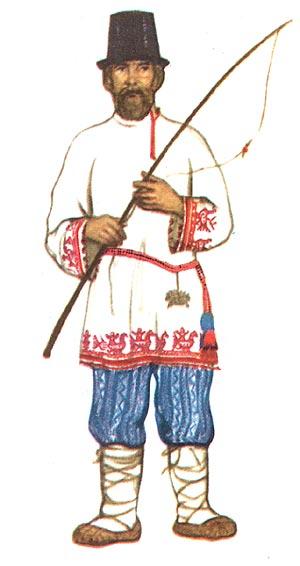
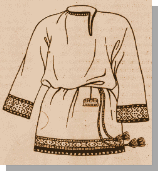
The men’s costumes include: a shirt with a slanted cut to the collar (скосымразрезомворот), narrow pants(штаны), belts, hats and boots.
The women’s costumes include: a long-sleeved shirt, a sarafan, a short jacket (called “dushegreya”), a kokoshnik (head-dress) and short boots.
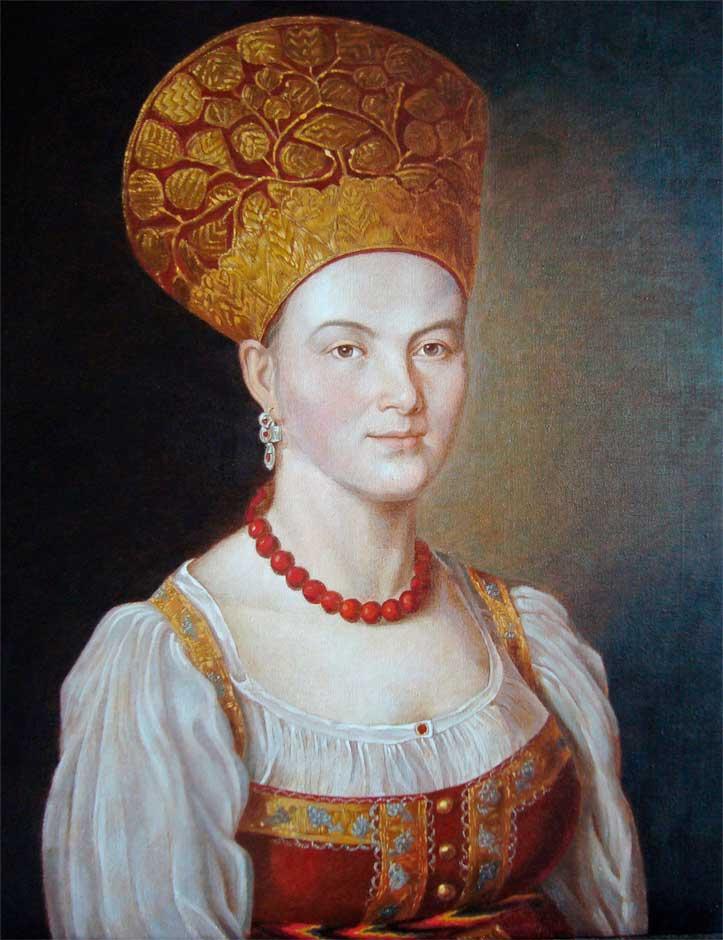
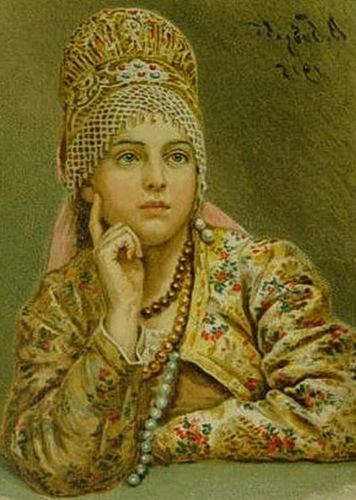
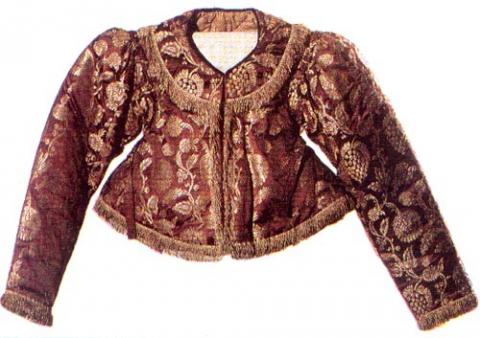
W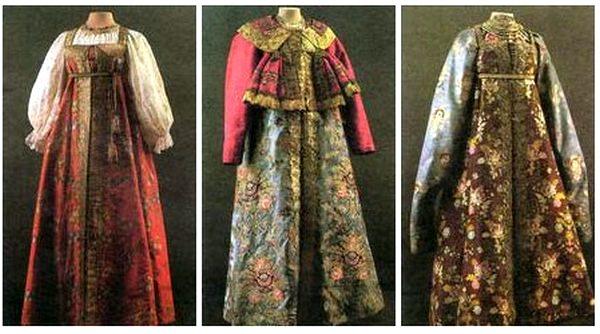 earing the village’s costume, a woman revels her social status and her age. Young married women wear mainly clothes with bright colours, and their costumes are adorned with great number of beads, buttons and necklaces. Old women wear black, white and brown colours.
Married women wear the kerchief (платок)in such a way that completely covers the hair. People still believe that a woman with uncovered hair can bring misfortune to her family. The young, unmarried woman wore her kerchief in such a way as to reveal the hair and braid (коса). But every social class wore specific clothes. Rich people try to show their wealth and prosperity through their clothes.
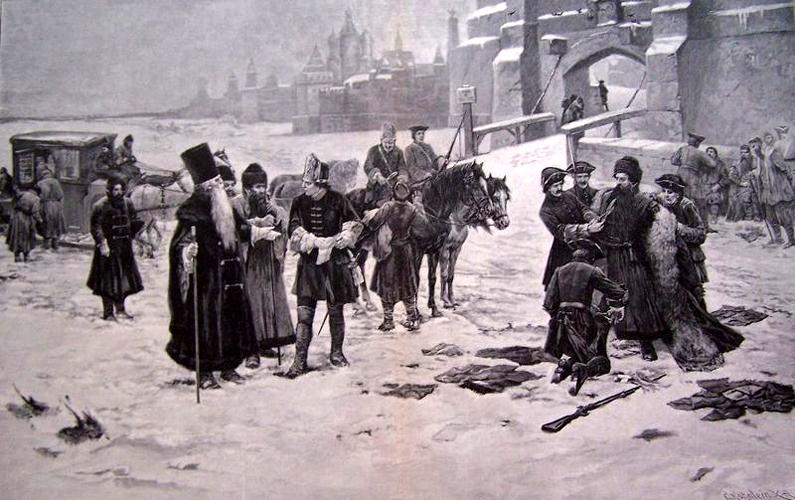
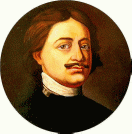
Peter I made reforms of Russian costume. He declared to all his people that they had to wear European clothes (excepting peasants and clergy). Russian designers of modern clothes keep Russian traditions and use some traditional elements in their models.
ANSWER
What trees did the Russians use for building of their houses?
Did the Russians use nails building their houses?
What do you know about clothes of the Russians?
When do the people celebrate “Novosyeliye” (House-Warming)?
What was the most wide spread type of a peasant house in Russia?


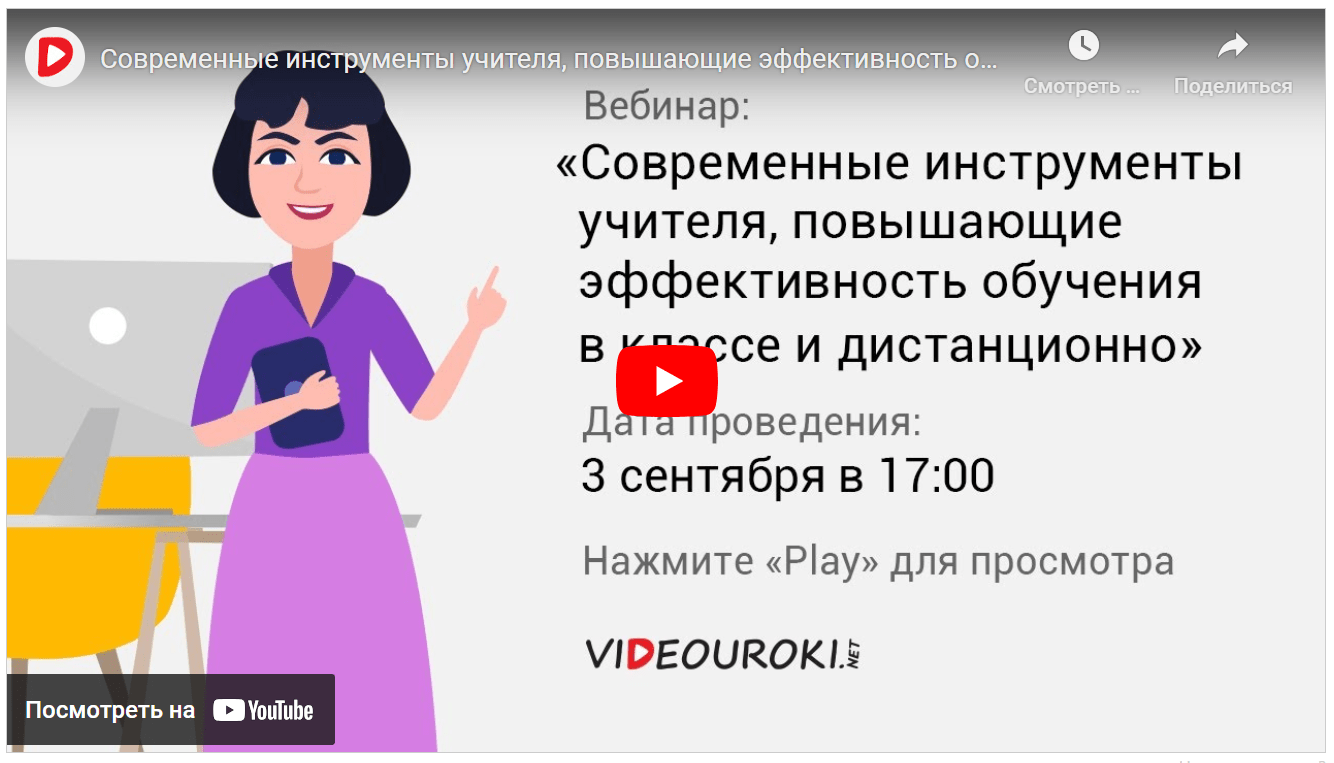
Вебинар для учителей
Свидетельство об участии БЕСПЛАТНО!