казахстан, атырау

СДЕЛАЙТЕ СВОИ УРОКИ ЕЩЁ ЭФФЕКТИВНЕЕ, А ЖИЗНЬ СВОБОДНЕЕ
Благодаря готовым учебным материалам для работы в классе и дистанционно
Скидки до 50 % на комплекты
только до
Готовые ключевые этапы урока всегда будут у вас под рукой
Организационный момент
Проверка знаний
Объяснение материала
Закрепление изученного
Итоги урока
Была в сети 20.01.2026 13:19
Утаршиева Гульзада Серикбаевна
учительница английского языка
47 лет
 2 464
2 464
 28 250
Местоположение
Специализация
Short term plan ''Fashion,People and Future'' 7th grade
Категория:
Английский язык
18.10.2017 15:41

Просмотр содержимого документа
«Short term plan ''Fashion,People and Future'' 7th grade»
| LESSON: Clothes and Fashion | School: Tasshagyl secondary school | |||||||
| Topic: Fashion, People and Future |
| |||||||
| Date: | Teacher name: Utarshiyeva Gulzada | |||||||
| CLASS: 7 | Number present: | absent: | ||||||
| Learning objectives(s) that this lesson is contributing to | 7C1: use speaking and listening skills to solve problems creatively and cooperatively in groups; 7S7: use appropriate subject-specific vocabulary and syntax to talk about a range of general topic; 7.R2 understand independently specific information and detail in short, simple texts on a limited range of general and curricular topics. | |||||||
| Lesson objectives | All learners will be able to: | |||||||
| ||||||||
| Most learners will be able to: | ||||||||
| ||||||||
| Some learners will be able to:
| ||||||||
| ||||||||
| Assessment criteria |
| |||||||
| Language objectives | Using new vocabulary
| |||||||
| Value links | Real life | |||||||
| Cross curricular links | Art | |||||||
| ICT skills | Slides, pictures, Smart Board and projector to present the material | |||||||
| Previous learning | Pupils know words connected with theme | |||||||
| Plan | ||||||||
| Planned timings | Planned activities (replace the notes below with your planned activities) | Resources | ||||||
| Start 5 min.
| The teacher explains lesson objectives in a simplified form. Warm-up activity Pupils discuss the following questions: -What is fashion for you? -What kinds of clothes are in fashion now? -Are you a shopaholic? |
| ||||||
| Middle 15 min.
2 min.
7 min.
3 min.
10 min. | Reading for a gist 7.R2 understand independently specific information and detail in short, simple texts on a limited range of general and curricular topics. Learners read the text and identify the general information. First group – Teacher gives out jumbled sentences for pupils. They must construct sentences to form a full text. Second group – Method ‘Tick’ Students write unknown words from the text
Third group - to scan the text and mark the sentences if they are true or false. They correct the false statements. Differentiation by support : Descriptors:
Formative assessment: "Where I am? » On the poster "Islands of Mood", on which the words “Waiting, uncertainty, disappointment, joy” are written pupils should paste stickers to the island, which corresponds to your emotional state following the results of the last task. 7.S7 use appropriate subject-specific vocabulary and syntax to talk about a range of general topics, and some curricular topics.
Learners are divided into three groups and they are given ‘fashion talk’ speaking cards. Each learner answers the questions. The length of the answer is no less than 30 sec. Descriptors:
Formative assessment: individual work on the task. Each member of the group, using the reception "BLOB's Tree" determines its place in the tree. Then they discuss their results in the group. The team leader does not forget to mark the activity of the group members in the assessment sheets. Project work. Learners must design the uniform they would like to wear. Learners in pairs brainstorm adjectives they can use to describe their designs. (Intergroup assessment) Descriptors:
|
Appendix 1
Appendix 2
Appendix 3
Appendix 4 | ||||||
| End 3 min. | Feedback At the end of the lesson, the pupils get a Progress Portfolio and tick the things they can do now in English.
|
Appendix 5 | ||||||
| Ad+ditional information | ||||||||
| Differentiation – how do you plan to give more support? How do you plan to challenge the more able learners? | Assessment – how are you planning to check learners’ learning? | Cross-curricular links | ||||||
|
|
| ||||||
| Reflection Were the lesson objectives/learning objectives realistic? What did the learners learn today? What was the learning atmosphere like? Did my planned differentiation work well? Did I stick to timings? What changes did I make from my plan and why?
| Use the space below to reflect on your lesson. Answer the most relevant questions from the box on the left about your lesson.
| |||||||
|
| ||||||||
| Summary evaluation What two things went really well (consider both teaching and learning)? 1: 2: What two things would have improved the lesson (consider both teaching and learning)? 1: 2: What have I learned from this lesson about the class or individuals that will inform my next lesson?
| ||||||||
Appendix 1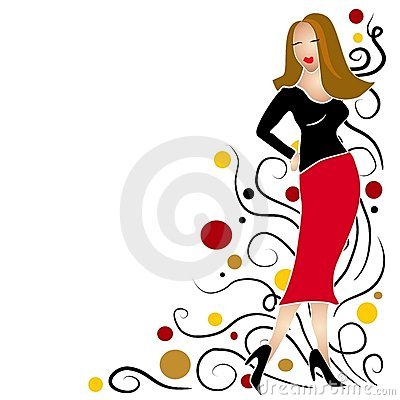

Group 1
Most of my friends wear the same kind of clothes. We don’t talk about famous models, music is our favourite topic of conversation. I don’t use make-up either because I’m too young and my skin is fresh and clean. I don’t care about fashion and models. I usually wear comfortable clothes, like jeans, T-shirts and sports shoes or boots in winter. Fashion isn’t for me. Madeleine Whooper.
Group 2
I think fashion is important because it says something about your personality. I’m a confident, outgoing person and I want my clothes to reflect this.
I hate looking boring or old-fashioned even at home! Being fashionable doesn’t have to be expensive. I sometimes buy ordinary cheap clothes and then alter them at home. I also like designing my clothes. My mother helps me a lot because she can sew very well. Marina Fellow.
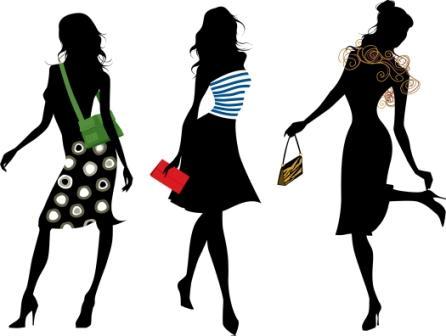
Group 3
I’m ’interested in fashion. I enjoy reading fashion magazines and going to clothes shops, but I can’t afford to buy fashionable clothes. They’re so expensive!
I’ve got two or three special outfits that I wear when I go out, but most of the time I wear leggings and a T-shirt. My friends and I often borrow each other’s clothes. That way we can all wear something new but without spending too much money. Sheila Marple.
Appendix 2
Are the sentences true or false?
1.- Sheila never wears leggings. 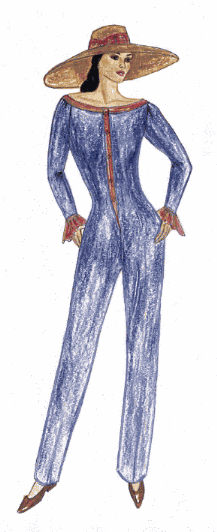
___________________________
2.- Sheila likes reading fashion magazines. ___________________________
3.- Sheila thinks fashionable clothes are not very expensive
_________________________
4.- Madeleine is interested in fashion.
______________________
5.- Madeleine loves music.
_____________________________
6.- Marina doesn’t buy expensive clothes.
_____________________________
7.- Marina hates designing her clothes.
_____________________________
8.- Marina’s mother can’t sew.
_____________________________
1st group – full text
Fashion isn’t for me. I don’t care about fashion and models. I usually wear comfortable clothes, like jeans, T-shirts and sports shoes or boots in winter. Most of my friends wear the same kind of clothes. We don’t talk about famous models, music is our favourite topic of conversation.
I don’t use make-up either because I’m too young and my skin is fresh and clean. Madeleine Whooper.
 Appendix 3

What is the most
expensive thing
you’ve ever bought?
Where do you
buy your clothes?
What pieces of clothing do you hate to wear?


What famous
designers do you
know about?
What do clothes tell you about the person?
What is your
favourite style of
clothing?
Who is the
best-dressed person
in class?
Is fashion important for you? Why (not)?
Appendix 4
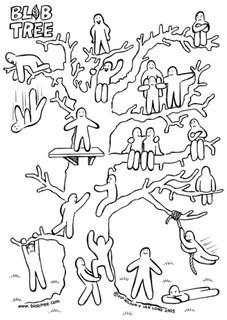
Appendix 5
Progress Portfolio
|
|
|
|
|
|
|
|
|
|

Вебинар для учителей

Свидетельство об участии БЕСПЛАТНО!