СДЕЛАЙТЕ СВОИ УРОКИ ЕЩЁ ЭФФЕКТИВНЕЕ, А ЖИЗНЬ СВОБОДНЕЕ

Благодаря готовым учебным материалам для работы в классе и дистанционно

Скидки до 50 % на комплекты
только до

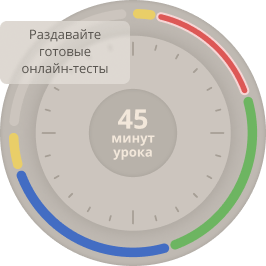
Готовые ключевые этапы урока всегда будут у вас под рукой

Организационный момент

Проверка знаний

Объяснение материала

Закрепление изученного

Итоги урока
СПОСОБЫ ВЫРАЖЕНИЯ БУДУЩЕГО ВРЕМЕНИ+упр

Нажмите, чтобы узнать подробности

Краткий конспект с упражнениями на закрепление

Просмотр содержимого документа
«СПОСОБЫ ВЫРАЖЕНИЯ БУДУЩЕГО ВРЕМЕНИ+упр»
Способы выражения будущего времени

Действия в будущем времени могут быть выражены с помощью:

  • Future Simple Tense:


I will V1

You will V1

He will V1

She will V1

It will V1

We will V1

They will V1

I will not V1

You will not V1

He will not V1

She will not V1

It will not V1

We will not V1

They will not V1

Will I V1?

Will you V1?

Will he V1?

Will she V1?

Will it V1?

Will we V1?

Will they V1?


  • конструкции to be going to (намерение):


I am going to V1

You are going to V1

He is going to V1

She is going to V1

It is going to V1

We are going to V1

They are going to V1

I am not going to V1

You are not going to V1

He is not going to V1

She is not going to V1

It is not going to V1

We are not going to V1

They are not going to V1

Am I going to V1?

Are you going to V1?

Is he going to V1?

Is she going to V1?

Is it going to V1?

Are we going to V1?

Are they going to V1?


  • Present Continuous Tense (запланированное действие):


I am V1 (ing)

You are V1 (ing)

He is V1 (ing)

She is V1 (ing)

It is V1 (ing)

We are V1 (ing)

They are V1 (ing)

I am not V1 (ing)

You are not V1 (ing)

He is not V1 (ing)

She is not V1 (ing)

It is not V1 (ing)

We are not V1 (ing)

They are not V1 (ing)

Am I V1 (ing)?

Are you V1 (ing)?

Is he V1 (ing)?

Is she V1 (ing)?

Is it V1 (ing)?

Are we V1 (ing)?

Are they V1 (ing)?


  • Present Simple Tense (будущее действие, происходящее по расписанию):


I V1

You V1

He V1 ((e)s)

She V1 ((e)s)

It V1 ((e)s)

We V1

They V1

I do not V1

You do not V1

He does not V1

She does not V1

It does not V1

We do not V1

They do not V1

Do I V1?

Do you V1?

Does he V1?

Does she V1?

Does it V1?

Do we V1?

Do they V1?


I. Используйте подходящий способ выражения будущего времени:


  1. Look out! We ______ (crash)!

  2. A There's the doorbell.     

B I ______ (open) the door.

  1. We promise  that  if  you vote for us we ______ (double) your income in twelve months.

  2. A It's very cloudy,  isn't it? 

B Yes, I think  it ______ (rain).

  1. I wonder what she ______ (do) next.

  2. A  I've got to phone a Paris number. Do you know the code?

      B  No, ______ (find) it for you. 

  1. A  What are you doing over the Easter holidays?

B  Absolutely nothing. We ______ (have rest).

  1. A  Did you hear the weather forecast?

B  Yes.  ______ (be) cold at first, then ______ (be) a little warmer this afternoon, and this evening ______ (be) some light showers.

  1. A  Why did you buy a house in such terrible condition?

B  It  was  cheap.  We  ______ (modernize) it from top to bottom, and we ______ (transform) it into a restaurant.

  1. A  If you are elected, what ______ your party ______ (do) about unemployment?

B  We have carefully considered this issue. When we are elected, as we most certainly ______ (be), we ______ (create) half a million new jobs.

  1. There's no point in running now. We ______ (miss) the bus anyway.

  2. Yes, I'll come out this evening. I ______ (not/work).

  3. You can relax.  The match ______ (not/start) until four o'clock.

  4. I ______ (go)  to  the market this afternoon.  Do you want anything?

  5. Are you OK, Donna? You look like you ______ (faint).

  6. You realise that  the  boss  ______ (not/like)  this, don't you?

  7. I ______ (cook) dinner this evening - as usual.

  8. She ______ (look) for a new flat next year.

  9. Don't worry.  The shops ______ (not close) until eight o'clock tonight.

  10. My flight ______ (leave) at 10:00.