Россия, Евпатория

СДЕЛАЙТЕ СВОИ УРОКИ ЕЩЁ ЭФФЕКТИВНЕЕ, А ЖИЗНЬ СВОБОДНЕЕ
Благодаря готовым учебным материалам для работы в классе и дистанционно
Скидки до 50 % на комплекты
только до
Готовые ключевые этапы урока всегда будут у вас под рукой
Организационный момент
Проверка знаний
Объяснение материала
Закрепление изученного
Итоги урока

Была в сети 10.02.2026 09:44

Долженкова Ирина Владимировна
учитель английского языка
 2 845
2 845
 24 583
Местоположение
Специализация
Teaching pathways. How to teach speaking
Категория:
Английский язык
16.04.2023 13:21

Просмотр содержимого документа
«Teaching pathways. How to teach speaking»

Teaching pathways
HOW TO TEACH SPEAKING
Презентацию подготовила
учитель английского языка МБОУ ЕУВК «Интеграл»
Долженкова Ирина Владимировна

What is speaking?
Speaking is an interactive process of constructing meaning that involves producing and receiving and processing information
(Brown,1994; Burns & Joyce, 1997)
Speaking is
“ the process of building and sharing meaning through the use of verbal
and non-verbal symbols,
in a variety of contexts ”
(Chaney, 1998)


*produce the English speech sounds and sound patterns
*organize their thoughts
in a meaningful and logical sequence
TO TEACH SPEAKING IS TO TEACH LEARNERS TO:

TO TEACH SPEAKING IS TO TEACH LEARNERS TO:
* use word and sentence stress,
intonation patterns and the rhythm
of the second language
* use language
as a means
of expressing
values and
judgments

TO TEACH SPEAKING IS TO TEACH LEARNERS TO:
* select appropriate words and sentences according to the proper social setting, audience, situation and subject matter

Teachers should create a classroom environment where students:
* have real-life communication;
* authentic activities;
* meaningful tasks that promote oral language

This can occur when students collaborate in groups
to achieve a goal or to complete a task

The following are some activities that offer possibility
of the learners to interact with other

Discussions

The students may aim to arrive at a conclusion, share ideas about an event, or find solutions in their discussion groups.
The purpose
of the discussion activity is set by the teacher

Whatever the aim is, the students should always be encouraged to ask questions, paraphrase ideas, express support, check for clarification

ROLE PLAY

Students pretend they are in various social contexts and they have a variety of social roles
The teacher gives information to the learners
such as who they are and what they think or feel

SIMULATIONS

* Simulations are very
similar to role-plays
but what makes
simulations different
than role plays is that
they are more
elaborate
* Students can bring
items to the class to
create a realistic
environment

INFORMATION GAP

* Students are supposed
to be working in pairs
* One student
will have the information
that other partner doesn’t have
* The partners will share their information
These activities are effective
because everybody has the opportunity
to talk extensively in the target language

BRAINSTORMING

* On a given topic, students can produce ideas in a limited time
* Depending on the context brainstorming is effective and learners generate ideas quickly and freely
* The good characteristic
of brainstorming
is that the students are not criticized for their ideas
* So they will be open to sharing new ideas

STORYTELLING

Students can briefly summarize a tale or story they heard from somebody beforehand, or they may create their own stories to tell their classmates
Storytelling fosters creative thinking .
It also helps students express ideas in the format of
- beginning
- development
- ending ,
including the characters and setting a story has to have

STORY COMPLETION

This is a very enjoyable, whole-class, free-speaking activity for which students sit in a circle. For this activity, a teacher starts to tell a story. Then, each student starts to narrate from the point where the previous one stopped.
Students can add new characters, events, descriptions.

REPORTING

Before coming to class, students are asked to read a newspaper or magazine and, in class, they report to their friends what they find as the most interesting news

PICTURE NARRATING

This activity is based on several sequential pictures
Students are asked to tell the story taking place in the sequential pictures
by paying attention to the criteria provided by the teacher as a rubric.
Rubrics can include the vocabulary or structures they need to use while narrating

PICTURE DESCRIBING

For this activity students can form groups
Each group is given a different picture.
Students discuss the picture with their groups.
Then a spokesperson for each group describes the picture to the whole class .
This activity fosters the creativity and the imagination of the learners as well as their public speaking skills .

FIND THE DIFFERENCE
Students in pairs discuss the similarities and/or differences in the pictures

SUGGESTIONS FOR TEACHERS
IN TEACHING SPEAKING






Вебинар для учителей
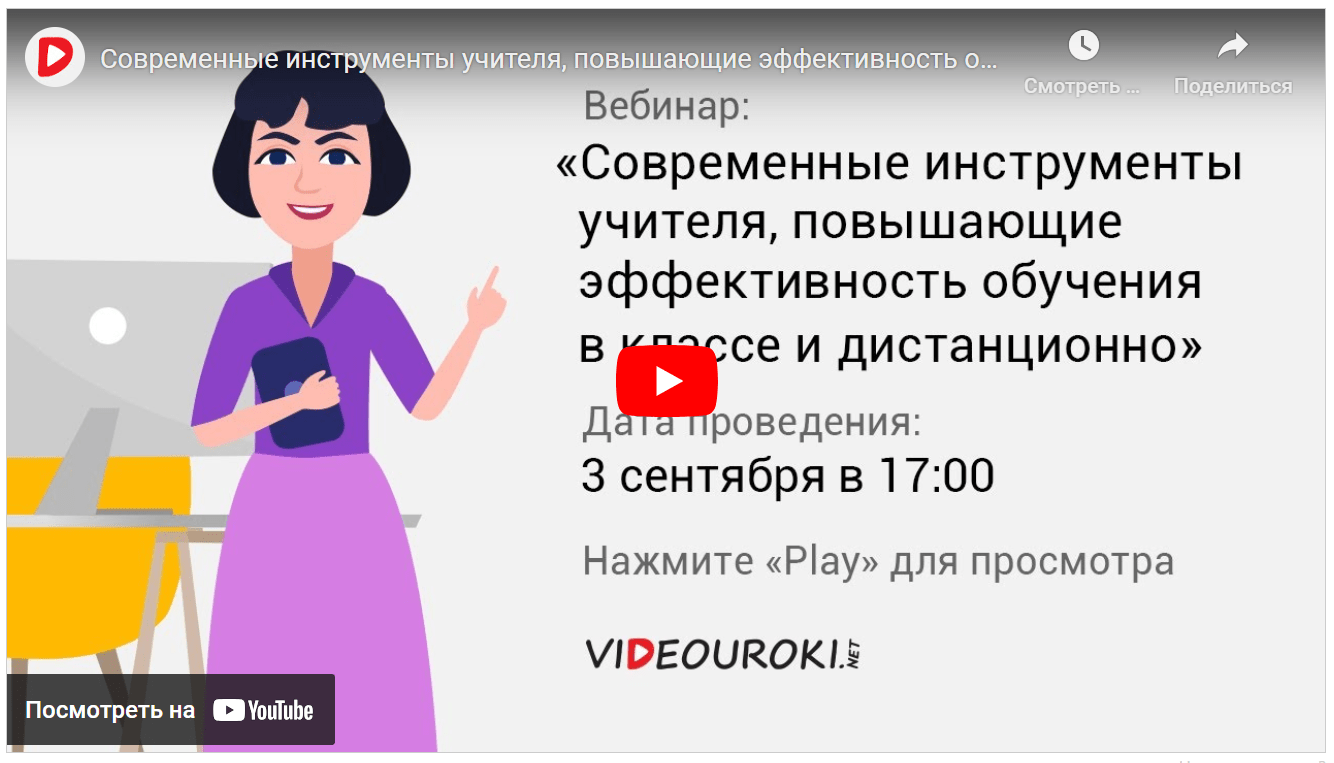
Свидетельство об участии БЕСПЛАТНО!