Кыргызстан, Исфана

СДЕЛАЙТЕ СВОИ УРОКИ ЕЩЁ ЭФФЕКТИВНЕЕ, А ЖИЗНЬ СВОБОДНЕЕ
Благодаря готовым учебным материалам для работы в классе и дистанционно
Скидки до 50 % на комплекты
только до
Готовые ключевые этапы урока всегда будут у вас под рукой
Организационный момент
Проверка знаний
Объяснение материала
Закрепление изученного
Итоги урока
Была в сети 10.11.2020 08:14

Убарисова Гулзат Ботобековна
Учитель английского языка
39 лет
 2 748
2 748
 25 549
Местоположение
Teens covid-19 fun activities games
Категория:
Английский язык
22.04.2020 21:44

Просмотр содержимого документа
«Teens covid-19 fun activities games»







Miss Venus Panchoo B.S.,M.A(c)
TEENS &
COVID-19
About this document
These worksheets were created to help us better understand our emotions, how to cope and manage positively, learning to reframe negative thoughts and develop activities to help us through the challenges of social distancing.
How do I feel? It’s difficult to answer, right!
These worksheets would guide you through some challenges, let’s take the journey together.
What is COVID-19?
COVID-19, previously called the Novel Coronavirus, is part of a family of viruses that includes the common cold, SARS and MERS.
Symptoms of COVID-19?
Like the common cold, COVID-19 is spread from person to person when an infected carrier coughs or sneezes. Symptoms of COVID-19 include Fever, Coughing, Sore Throat, and in some cases Acute diarrhoea.
Prevention
Prevention is the most important action you can take to protect yourself and your family from getting COVID-19. The Ministry of Health urges the population to:
Wash your hands with soap and water
Use an alcohol-based hand sanitizer if water and soap are not available
Cover your nose and mouth with a tissue when you cough or sneeze
Dispose of tissue immediately after using
Cough and sneeze into the crook of your elbow if you do not have a tissue
Avoid touching your face
Practice social distancing (e.g. no kissing, hugging, or handshaking, avoid mass gatherings)
Stay home if you are ill
Avoid close contact with people who have flu-like symptoms
Sanitize hard surfaces (e.g. tabletops, handrails, doorknobs and trolleys) as often as possible

In each category please describe how your thoughts, feelings, and behavior are affected by the following;
COVID -19 Social Distancing Travelling Restrictions
No Fast Foods NO School NO Social Events NO Sporting Events
 Thoughts

Feelings
 Behavior

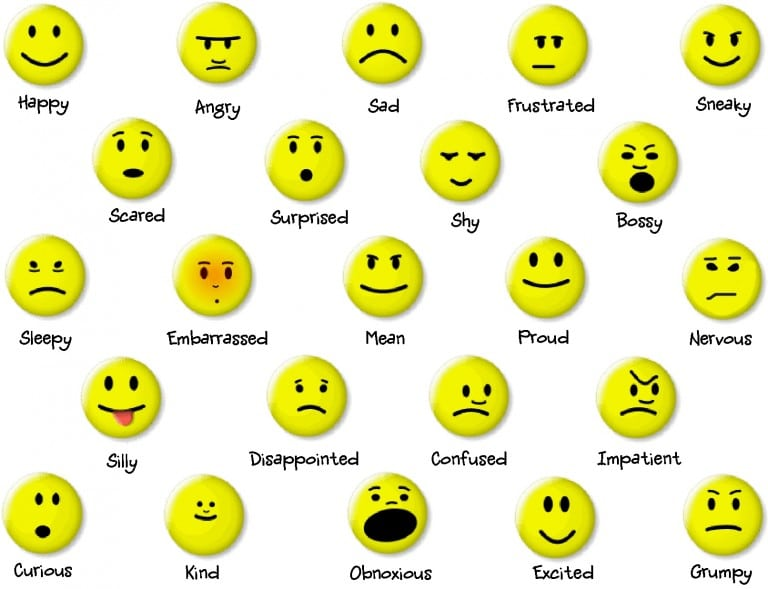
HOW DO I FEEL?
Circle emojis that best describe your feelings
Fear and anxiety- You may feel anxious or worried about yourself or your family members contracting COVID-19 or spreading it to others. It’s also normal to have concerns about obtaining food, personal supplies, or opening of schools. Some people may have trouble sleeping or focusing on daily tasks.
How to Cope
It’s important to obtain accurate and timely public health information regarding COVID19, but too much exposure to media coverage of the virus can lead to increased feelings of fear and anxiety.
Psychologists recommend balancing time spent on news and social media with other activities unrelated to quarantine or isolation, such as reading, listening to music or learning a new language.
Trusted organizations —Ministry of Health, Ministry of Education and The World Health Organization — are ideal sources of information on the virus and about school.
Depression and boredom – Being away from school and other meaningful activities interrupt your daily routine and may result in feelings of sadness or low mood. Extended periods spent at home can also cause feelings of boredom and loneliness.
How to Cope
Create and follow a daily routine- Maintaining a daily routine can help both adults and children preserve a sense of order and purpose in their lives despite the unfamiliarity of isolation and quarantine. Try to include regular daily activities, such as work, exercise or learning, even if they must be executed remotely. Integrate other healthy pastimes as needed.
Anger, frustration or irritability- The loss of personal freedom associated with isolation and quarantine can often feel frustrating. You may also experience anger or resentment toward those who have issued quarantine or isolation orders or if you feel you were exposed to the virus because of another person’s negligence.
How to Cope
Stay virtually connected with others-Your face-to-face interactions may be limited, but psychologists suggest using phone calls, text messages, video chat, and social media to access social support networks. If you’re feeling sad or anxious, use these conversations as an opportunity to discuss your experience and associated emotions. Reach out to those you know who are in a similar situation. Facebook groups have already formed to facilitate communication and support among individuals asked to quarantine.
Stigmatization- If you are sick or have been exposed to someone who has COVID-19, you may feel stigmatized by others who fear they will contract the illness if they interact with you.
How to cope
Maintain a healthy lifestyle -Get enough sleep, eat well and exercise in your home when you are physically capable of doing so. Try to avoid using alcohol or drugs to cope with the stresses of isolation, quarantine and social distancing. If needed, consider calling the Ministry of Health hotline or Student Support Services hotlines.
Lack of parental support- If you live in a household where your parents physically, emotionally abuse and neglect you. If your parents avoid social distancing and information given by the Ministry of Health and you often feel alone.
How to cope
Please call for immediate help, if you don’t have access to a cell phone or Wi-Fi please ask a neighbor, older sibling or family member for help. There is nothing wrong with getting assistance.
FEELING CHART
| Day | Rate 0 - 5 | Thoughts | Feelings | Behavior | Consequence | Positive self-talk | Positive Action |
| Monday | 1 | No one understand me | Sadness | Anger | Thinking about self-harm | My friends care | Video call my friend |
| Tuesday |
|
|
|
|
|
|
|
| Wednesday |
|
|
|
|
|
|
|
| Thursday |
|
|
|
|
|
|
|
| Friday |
|
|
|
|
|
|
|
| Saturday |
|
|
|
|
|
|
|
| Sunday |
|
|
|
|
|
|
|
| Monday |
|
|
|
|
|
|
|
| Tuesday |
|
|
|
|
|
|
|
| Wednesday |
|
|
|
|
|
|
|
| Thursday |
|
|
|
|
|
|
|
| Friday |
|
|
|
|
|
|
|
| Saturday |
|
|
|
|
|
|
|
| Sunday |
|
|
|
|
|
|
|
Rate: 0 Extreme Sadness - 5 Very Happy
Learning to Reframe your Negative thoughts and action into Positive thoughts and actions can help you cope when you feel overwhelmed, stressed or frustrated.

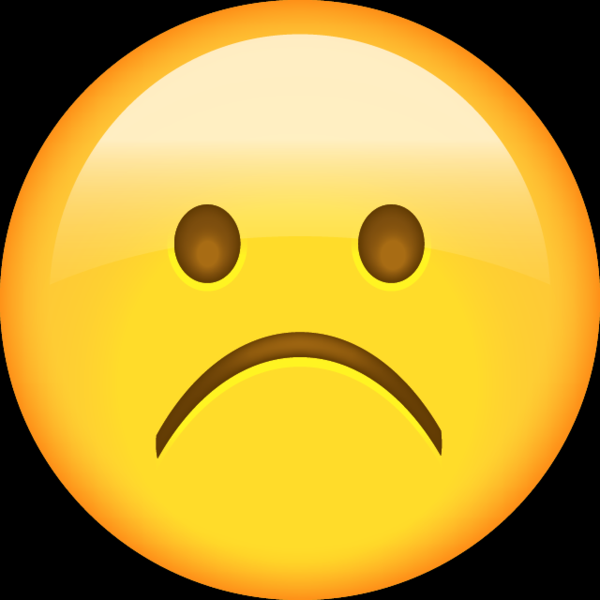

REPLACING NEGATIVE THOUGHTS
I tell myself: I can acquire the virus going in public places
I’ll change those thoughts and tell myself: Once I stay home and practice proper hygiene, I would be safe.
I tell myself:
I’ll change those thoughts and tell myself:
I tell myself:
I’ll change those thoughts and tell myself:
I tell myself:
I’ll change those thoughts and tell myself:
I tell myself:
I’ll change those thoughts and tell myself:
I tell myself:
I’ll change those thoughts and tell myself:
FUN & ACHIEVEMENT ACTIVITIES SCHEDULE
Treat yourself to some fun and acknowledge your achievements. Experiencing enjoyment and a sense of accomplishment can help you to feel good about yourself and your life. Try it and see!
Identify several pleasurable and achievement-type activities that you might want to try.
Use the following rating scale to rate your sense of fun and achievement BEFORE and AFTER the activity.
| 0 1 2 3 4 5 6 7 8 Absolutely None Minimal Slight Mild Moderate Much Higher Very High Extreme
|
Date: 20th April 2020
Activity: Making a Tik Tok video
Rate: Before: 2 After : 6
Date:
Activity:
 Rate: Before After
Date:
Activity:
Rate: Before After
Date:
Activity:
Rate: Before After
Date:
Activity:
Rate: Before After
WHAT HAPPENS NEXT
Following periods of social distancing, you may feel mixed emotions, including relief and gratitude, frustration or anger, or even feelings of personal growth and increased spirituality. It’s also normal to feel anxious, but if you experience symptoms of extreme stress, such as ongoing trouble sleeping, inability to carry out daily routines, thoughts of self-harming/ cutting or an increase in alcohol or drug use, seek help from a health-care provider. Please remember you are never alone.
Additional Support Available:
National Suicide Prevention Lifeline -1-800-273-8255
National Sexual Assault Hotline 1-800-656-HOPE (4673)
Stop it Now! 1-888-PREVENT
GriefShare 1-800-395-5755
S.A.F.E. (Self Abuse Finally Ends) 1-800-DONT-CUT
National Domestic Violence Hotline 1-800-799-SAFE
National Domestic Violence Hotline Spanish 1-800-942-6908
REFERENCE
American Psychological Association (2020), Keeping Your Distance to Stay Safe https://www.apa.org/practice/programs/dmhi/research-information/social-distancing
Harborview Medical Cente, Harborview Center for Sexual Assault & Traumatic Stress, (2008), https://depts.washington.edu/hcsats/PDF/TF-%20CBT/pages/cbt_anxiety.html#
Lim, L., Saulsman, L., & Nathan, P. (2005). Improving Self-Esteem. Perth, Western Australia: Centre for Clinical Interventions.
https://www.cci.health.wa.gov.au/~/media/CCI/Consumer%20Modules/Improving%20Self-Esteem/Improving%20Self-Esteem%20-%2006%20-%20Accepting%20Yourself.pdf
Ministry of Health (2020) COVID -19 http://www.health.gov.tt/sitepages/default.aspx?id=292
Please Live (2010) http://www.pleaselive.org/hotlines/



TEENS & COVID -19



Вебинар для учителей
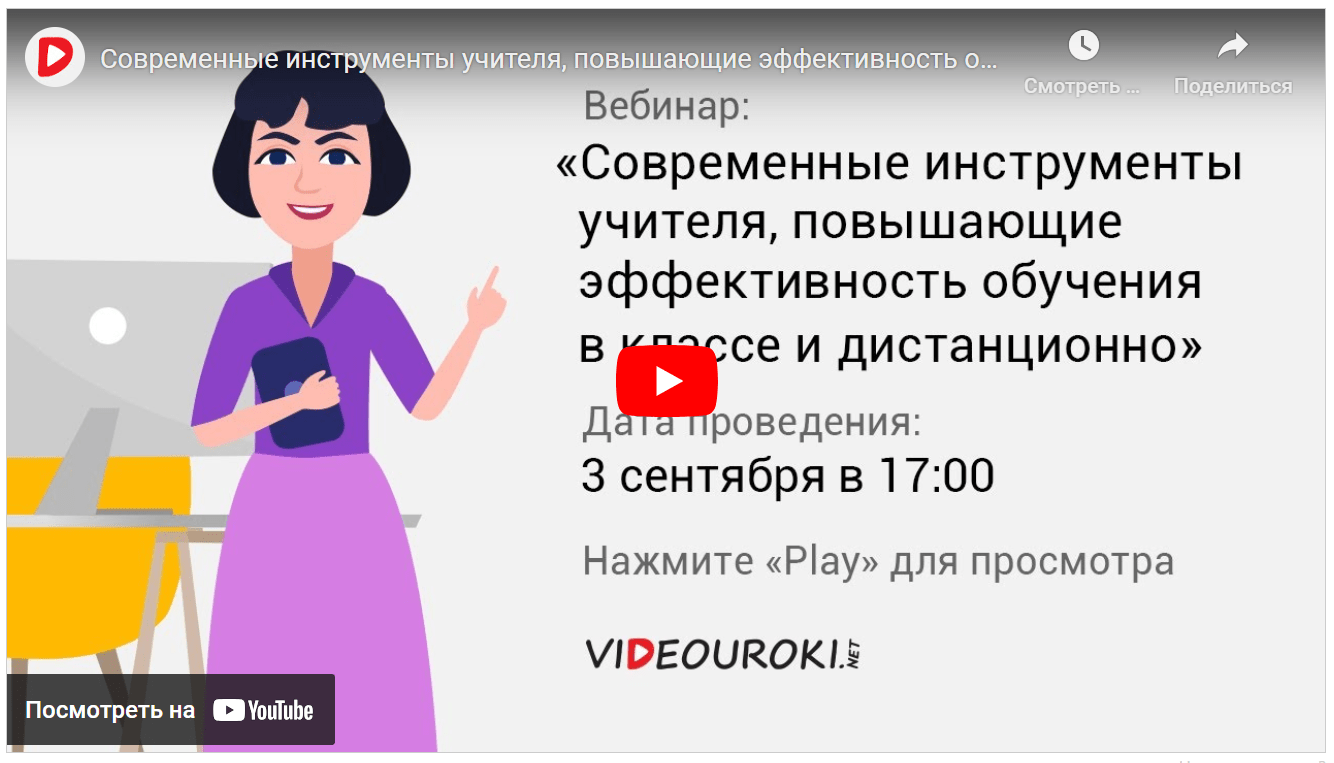
Свидетельство об участии БЕСПЛАТНО!