УЗБЕКИСТАН, ЧИРЧИК


СДЕЛАЙТЕ СВОИ УРОКИ ЕЩЁ ЭФФЕКТИВНЕЕ, А ЖИЗНЬ СВОБОДНЕЕ
Благодаря готовым учебным материалам для работы в классе и дистанционно
Скидки до 50 % на комплекты
только до
Готовые ключевые этапы урока всегда будут у вас под рукой
Организационный момент
Проверка знаний
Объяснение материала
Закрепление изученного
Итоги урока

Была в сети 14.05.2020 09:04

ХАМЗИНА РИНАТА МАРСОВНА
УЧИТЕЛЬ АНГЛИЙСКОГО
48 лет
 1 678
1 678
 41 718
Местоположение
Theme:How much are they
Категория:
Английский язык
11.01.2020 17:32

Просмотр содержимого документа
«Theme:How much are they»
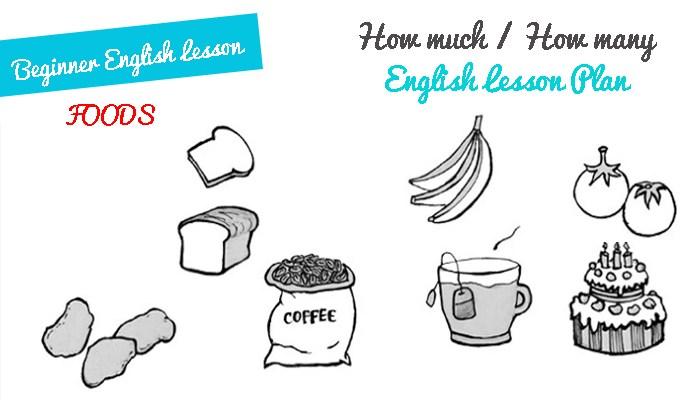
Theme:How much are they?
The aim of the lesson:
Educational: - to learn how to read and say numbers.
Developing: - to enable pupils to read and say numbers; - to enable pupils to write and act out dialogues; - to enable pupils to read and listen for specific information.
Socio-cultural: - to raise awareness of shopping and selling language
Competence: SC1, SC6, LC, FLCC
Learning outcomes: At the end of the lesson pupils will be able to: - recognize numbers; - write and act out dialogues;read and listen for specific information.
Type of the lesson: non-standard, mixed
Method of the lesson: group work, pairwork
Equipment: Pupil‟s Book; the DVD; cards with numbers for Activity 3b
i.The beginning of the lesson:
Teacher: Good morning, children.
Pupils: Good morning, good morning!
Good morning to you!
Good morning, good morning!
We are glad to see you.
T: -Who is on duty today?
What date is it today?
Who is absent today?
What was your homework for today?
ii.Warming up activity
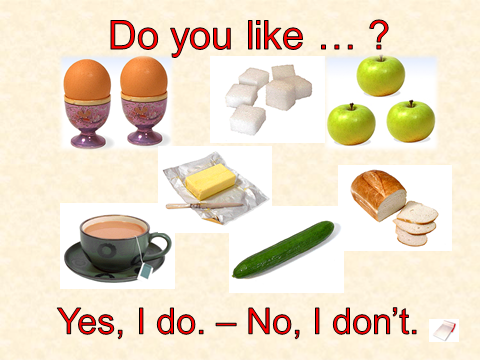
Thanks. Now let’s do a warming up activity:“think of…
1. One red fruit, one green fruit, one yellow fruit.
2. Two kinds of food which are made from milk.
3. Three things people have for breakfast.
4. Four kinds of vegetables from which we can make salad.
The pupils give the names of food.
iii. Grammar Box
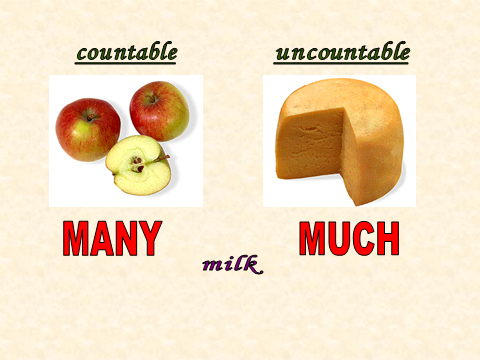
How many?Countable nouns are nouns (things) we can count.
For example: flowers, tomatoes, etc.
We use a or an before a noun we can count.
For example: a potato, an orange. (It means one potato, one orange.)
How much?
Uncountable nouns are nouns (things) we cannot count.
For example: sugar, rice, etc.
We use some before a noun we cannot count.
For example: some sugar, some rice
IV. Activity 1a Work in pairs. Read and answer the questions.
Objectives: to practise working with the Wordlist; to pronounce the words correctly and establish their mea ning; to practise reading and listening for specific infor mation
STEP 1: Ask the pupils to look up the words with *: customer, pay, paid, half a kilo and anything else? in the Wordlist. They should write the present and past form of the verb in their exercise books. Ask them to repeat the words after you in chorus, in rows/pairs and individually.
STEP 2: The pupils work in pairs. They read silently. Then they listen to the dialogue and answer the questions.
Answer key: 1c; 2b; 3a

Activity 2 B Put the conversations in order.
| Johan: Yes, two kilos of bananas. | Shopkeeper: OK, anything else? |
| Johan: Hello, I’d like some sugar, please! | Shopkeeper: Sure, here you are. |
| Johan: One kilo, please. | Shopkeeper: How much sugar? |
| Leo: I want 5 tomatoes, please. | Shopkeeper: Sorry, we don’t have any coffee. |
| Leo: Oh, OK. | Shopkeeper: How may I help you? |
| Leo: And some coffee, please. | Shopkeeper: OK, here you are. |
Activity 3. Underline the correct word.
For example: I don’t have many/ much apples.
We don’t have that many/ much potatoes.
I bought so many/ much sugar yesterday.
How many/ much tomatoes are there in the basket?
How many/ much rice did you buy?
There is too many/ much coffee in the cup.
How many/ much water do you drink every day?
Are there many/ much bananas?
There isn’t many/ much tea.
V. Homework
Ask the pupils to look at the homework on Page 93. Check that everybody understands what to do with the two tasks. If necessary, explain how to do the homework.
Answer key for Task 1: 1) any; 2) kilo; 3) 3000; 4) Thank you. 5) much; 6) please; 7) 5000; 8) Here you are.
Answer key for Task 2: 1) 1750; 2) 6000 3) 2400; 4) 1200; 5) 5500; 6) 2150; 7) 8350
Evaluation.
Giving marks
Вебинар для учителей

Свидетельство об участии БЕСПЛАТНО!