Казахстан, Талдыкорган

СДЕЛАЙТЕ СВОИ УРОКИ ЕЩЁ ЭФФЕКТИВНЕЕ, А ЖИЗНЬ СВОБОДНЕЕ
Благодаря готовым учебным материалам для работы в классе и дистанционно
Скидки до 50 % на комплекты
только до
Готовые ключевые этапы урока всегда будут у вас под рукой
Организационный момент
Проверка знаний
Объяснение материала
Закрепление изученного
Итоги урока
Была в сети 04.12.2019 19:14

Ноғаева Айгерім Қалиқажықызы
Учитель английского языка
30 лет
 11 275
 4 186
4 186 
Местоположение
Специализация
Traditions and folklore: Happy birthday
Категория:
Английский язык
28.11.2019 18:13

Просмотр содержимого документа
«Traditions and folklore: Happy birthday»
| LESSON: Unit 6 Traditions and folklore: Happy birthday
| School: №12 | |||||||
| Date: | Teacher name: Nogayeva A.K. | |||||||
| CLASS: 1 | Number present: | absent: | ||||||
| Learning objectives(s) that this lesson is contributing to | 1.S1 make basic personal statements and simple statements about objects 1.S6 exchange simple greetings and use the words: please, sorry and thank you 1.L1 recognize short instructions for basic classroom routines spoken slowly and distinctly 1 R3 recognize some very high frequency words from their immediate environment 1 W2 form some lower case letters of regular size and shape
| |||||||
| Lesson objectives | All learners will be able to: | |||||||
| say numerals intelligibly say names of some birthday items intelligibly produce some approval/disapproval sounds understand some factual questions about their age | ||||||||
| Most learners will be able to: | ||||||||
| use some short form answers correctly respond to some questions about their birthday correctly say all the names of birthday items intelligibly with support | ||||||||
| Some learners will be able to:
| ||||||||
| produce words of birthday presents and narrate to the class use present simple forms correctly in narration give some information about themselves using covered grammatical structures correctly | ||||||||
| Previous learning | plural ‘s’ forms, personal pronoun I am, numbers 1-10 | |||||||
| Plan | ||||||||
| Planned timings | Planned activities (replace the notes below with your planned activities) | Resources | ||||||
| Beginning
| ORGANIZATIONAL MOMENT Pupils exchange simple greetings.
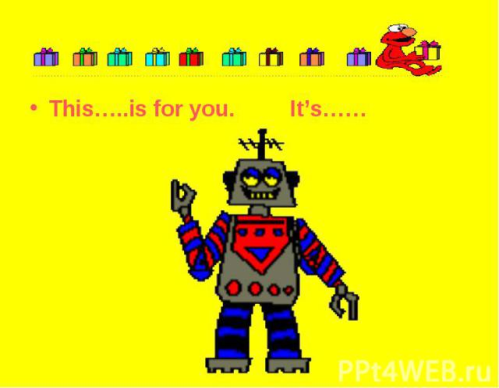
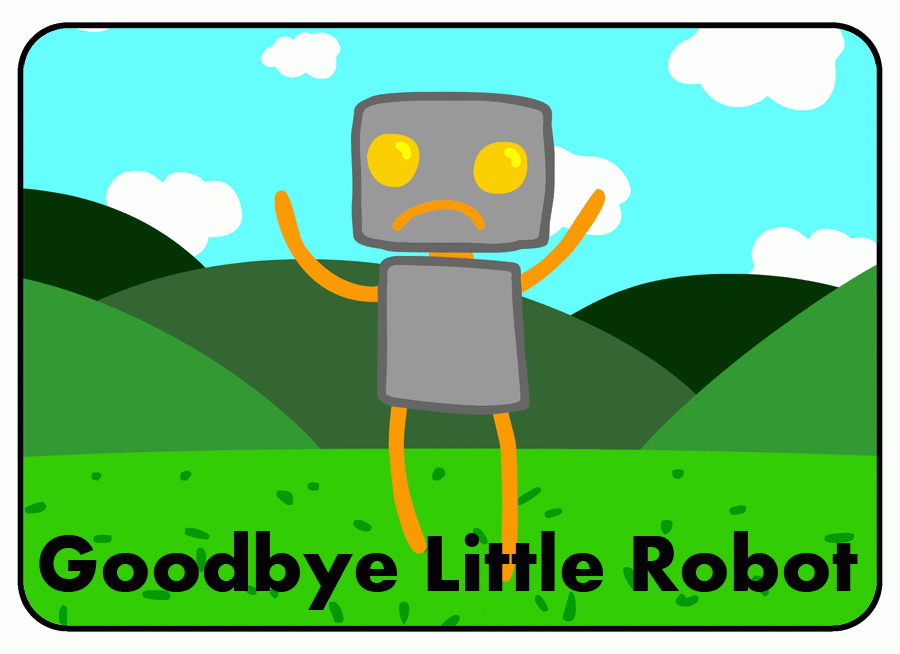
Teacher: Good morning, boys and girls! Today we are celebrating a Birthday Party. Look! This is our guest. What is he? Children: He is a robot. Teacher: That’s right. Please meet him! Robot: Good morning children! Pupils: Good morning, Good morning , Good morning to you! Good morning , Good morning. We are glad to see you. Robot: How are you, pupils? How are you? I hope you are fine. Pupils: We hope you are too. SINGING Pupils use prior knowledge. Pupils exchange simple greetings and ask a few basic questions.
Teacher: Let’s sing a song “ Good morning” and move
Teacher: Would you like to ask the Robot questions? Children: -How are you? Robot: I am fine, thank you! Children: What’s your name? Robot: My name is Tom.
|
A toy robot
https://www.youtube. com/watch?v= U9Q7Y3t4m3g
| ||||||
| Middle
| INTRODUCTION Pupils recognize a new question. Teacher: Sing a song “How old are you?” and learn a new question.
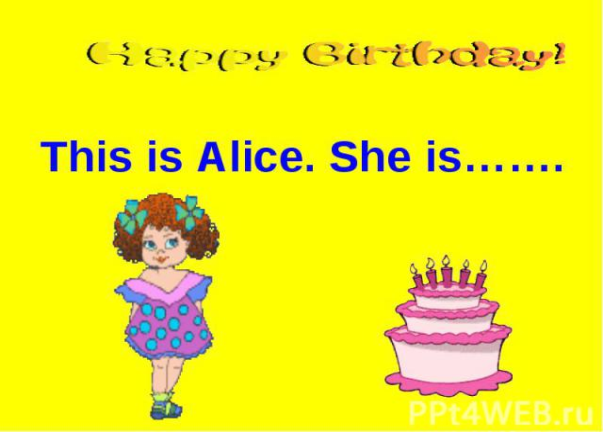
PAIR WORK Pupils respond to some information questions about their birthday correctly. Teacher:Look at the pictures and ask each other a new question. Children: How old are you? – I am 5.
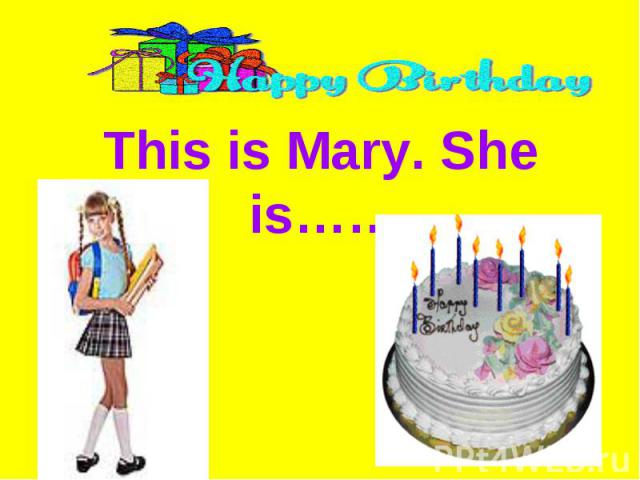
Children: How old are you? – I am 8.
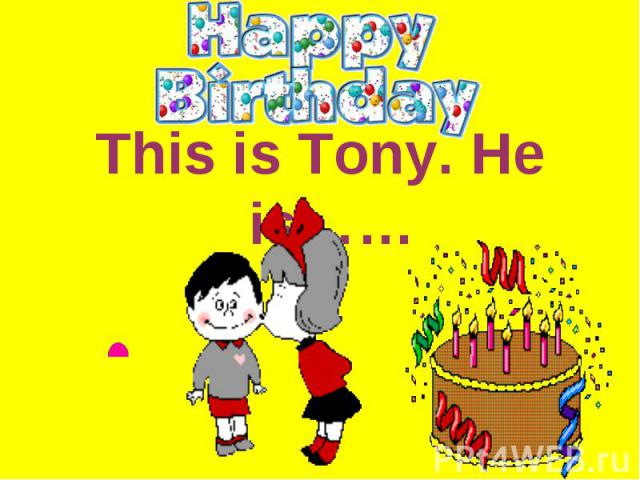
Children: How old are you? – I am 7.
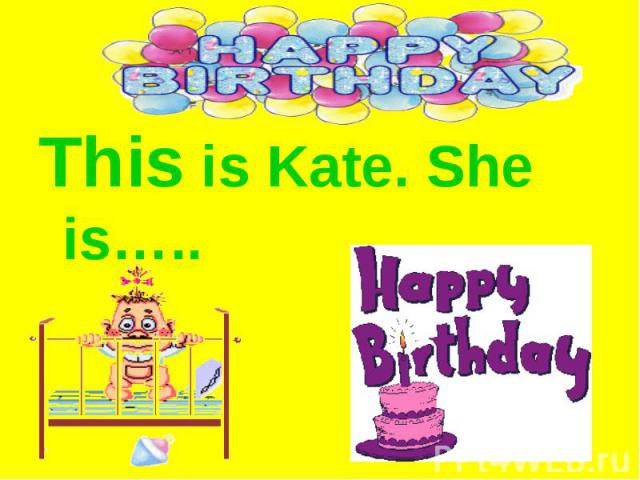
Children: How old are you? – I am 1.
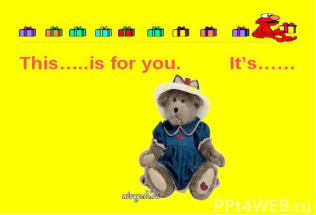
INTRODUCTION OF NEW VOCABULARY Pupils produce words of birthday presents and narrate to class. Children: Tom! And how old are you? Robot: I'm 7.It's my birthday today. Children: Happy birthday!!! Teacher: Look! I have a "Surprise Box"!
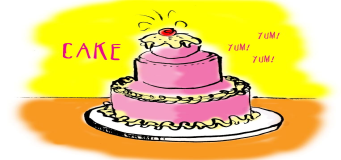
Come to the board one by one and get objects from the box. Teacher: Repeat after me three times! CAKE! CANDLES! BALLOONS! PRESENTS! CARDS! BIRTHDAY HAT! PRACTICING NEW WORDS Pupils say all the names of birthday items intelligibly. Game “ Hands up, hands down” A pupil comes to the board, takes a card with a picture of the secret word, hiding it behind his back and says the words of the game: Sit down! Stand up! Hands down! Hands up! Is it little? Is it big? What is it? The other pupils do exercises and try to guess the word. If pupils are right, the picture is posted on the board. READING ASSESSMENT Pupils recognize some very high frequency words. Teacher: Well done. And, now, can you help me to underwrite these pictures? Look at my words, read them and match words and pictures. Balloons Cards Cake Presents Hat Candles LISTENING Pupils understand some factual questions about the age. Teacher: Listen to and watch a story about Gogo. Answer the questions: 1. How old is Tony? 2. What present did Tony get?
ACTING Pupils make basic personal statements and simple statements about objects. Pupils give some information about themselves using covered grammatical structures correctly. Pupils act out a similar story in pairs.
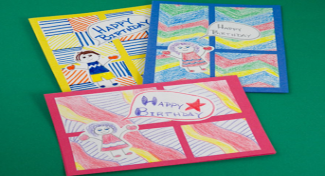
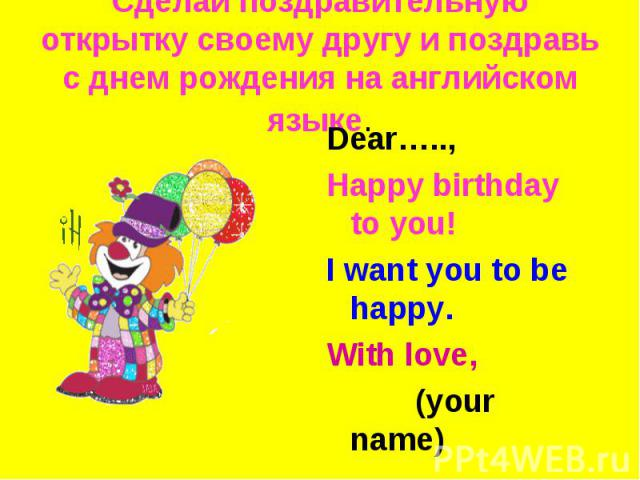
PRACTICE Pupils recognize short instructions for basic classroom routines. Pupils form some lower case letters of regular size and shape. Teacher: Let’s make a birthday card for Robot Tom. Watch a video “How to make a birthday card”. Teacher gives instructions about making and decorating the card for learners to follow e.g.:Put a cake on the card. Colour the cake red. etc. Teacher: -Good of you. Are you ready to write? Show your fingers: 1-1-1 - I can run 2-2-2- cats run too
3-3-3- I can see 4-4-4- Knock on the door 5-5-5- Birds can fly
Teacher: Let's start to write a birthday card!
That's a good job! You know all the letters! Teacher: I see you have nice presents for Robot Tom.
| https://www.youtube. com/watch?v= huQSbAff8xQ Box with objects: cake, balloons, candles, cards, presents,birthday hats
Gogo https://www.youtube. com/watch?v= EkpmtaUlaVQ
https://www.youtube. com/watch?v= ZB354RyjrLE Worksheet with birthday items to cut out (images include visual of how to make birthday card)
paper, pictures of cake, balloons, candles, cards, presents, party
| ||||||
| End | REFLECTION Teacher: Let’s sing a song “Happy birthday!”to Tom After singing the children choose candles or cakes, according to their age, and then count the candles for whole class to hear. Teacher: Our robot is in a hurry. Tell him Good-bye. Children: Bye! Good-bye, Tom!
| https://www.youtube. com/watch?v= WYFlc1cHwLM flashcards ofcakes, candles | ||||||
| Additional information | ||||||||
| Differentiation – how do you plan to give more support? How do you plan to challenge the more able learners? | Assessment – how are you planning to check learners’ learning? | Cross-curricular links | ||||||
| more support can be given during elicitation, instruction and questioning phases of the lesson by nominating learners to answer items relating to higher frequency vocabulary in order to build confidence through participation. more abled learners will be challenged by prompting their groups to develop more elaborate birthday itemsto narrate. | through questioning and the redirecting of questioning in activities through observation in group and end performance activities | performance arts: act a story the world around us Art: tracing, glueing, colouring White board is used no more than 10 minutes Use water based markers use paper glue When Students work in pairs, they will learn to be polite and respectful towards each other instill a culture of good behaviour
| ||||||
| Reflection Were the lesson objectives/learning objectives realistic? What did the learners learn today? What was the learning atmosphere like? Did my planned differentiation work well? Did I stick to timings? What changes did I make from my plan and why?
| Use the space below to reflect on your lesson. Answer the most relevant questions from the box on the left about your lesson. | |||||||
|
| ||||||||
| Summary evaluation
What two things went really well (consider both teaching and learning)?
1:
2:
What two things would have improved the lesson (consider both teaching and learning)?
1:
2:
What have I learned from this lesson about the class or individuals that will inform my next lesson?
| ||||||||









Вебинар для учителей

Свидетельство об участии БЕСПЛАТНО!