СДЕЛАЙТЕ СВОИ УРОКИ ЕЩЁ ЭФФЕКТИВНЕЕ, А ЖИЗНЬ СВОБОДНЕЕ

Благодаря готовым учебным материалам для работы в классе и дистанционно

Скидки до 50 % на комплекты
только до

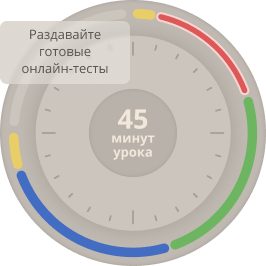
Готовые ключевые этапы урока всегда будут у вас под рукой

Организационный момент

Проверка знаний

Объяснение материала

Закрепление изученного

Итоги урока
Uranium as radioactive metal

Нажмите, чтобы узнать подробности

Uranium is radioactive  metal, named  after the  planet Uranus.

Просмотр содержимого документа
«Uranium as radioactive metal»
Uranium

Uranium is radioactive metal, named after the planet Uranus, is a primary source of energy in nuclear power plants and certain nuclear weapons. It occurs naturally in three different isotopes, which differ in their facility in undergoing nuclear fission. The three natural occuring isotopes of uranium are U-234, U-235, and U-238. Each of these isotopes has the same atomic number of 92, which is the number of protons in the nucleus. However, each has a different number of neutrons and thus has a different atomic mass, which is the sum of the number of protons and neutrons. Of these three natural occurring isotopes of uranium, U-238 is by far the most common, while U-235 is the most capable of undergoing nuclear fission. More than 99 percent of all naturally occurring uranium is U-238, while U-234 and U-235 each make up less than 1 percent. Nuclear fission can occurr when a U-235 nucleus is struck by a neutron, and the nucleus splits, releasing energy and releasing two or more neutrons. However, nuclear fission rarely involves a U-238 or a U-234 nucleus because it is unusual for either of these nuclei to break apart when struck by a neutron.