Россия, Кировск

СДЕЛАЙТЕ СВОИ УРОКИ ЕЩЁ ЭФФЕКТИВНЕЕ, А ЖИЗНЬ СВОБОДНЕЕ
Благодаря готовым учебным материалам для работы в классе и дистанционно
Скидки до 50 % на комплекты
только до
Готовые ключевые этапы урока всегда будут у вас под рукой
Организационный момент
Проверка знаний
Объяснение материала
Закрепление изученного
Итоги урока
Была в сети 04.06.2024 17:35

Маснюк Елена Викторовна
Учитель английского языка
50 лет
 3 939
3 939
 16 752
Местоположение
Контрольная работа № 2 УМК "Forward-7"
Категория:
Английский язык
27.08.2019 11:04

Просмотр содержимого документа
«Контрольная работа № 2 УМК "Forward-7"»
Test № 2 FORWARD – 7
Listening (3 points)
Listen to Trevor and complete the sentences.
I earn (1)___________________________ a week at The RAP. I usually spend
(2) _________________________________ on CDs, sweets and crisps, and I usually (3) ________________ about five pounds.
Reading (5 points)
Read about the history of the word “dollar” and say if the following statements are true, false or not stated.
Where the word “dollar” came from
Surprise! Surprise! The word “dollar” has German origin and is much older than the USA and its currency!
In 1516 in Bohemia, in a place called “Joachimsthal” (which means “Joachim’s valley”) a silver mine was opened, and they started to produce coins known as “Joachimsthalers”. This long ward was soon shortened to “thalers” and called “dalers” by the Dutch. The English changed this word to “dollar” and began to use it when speaking of any large silver foreign coin. In North America, for instance, English settlers referred to the Spanish piece of eight reals as the “Spanish dollar”.
For several years after independence Americans didn’t have a currency of their own, they used whatever foreign coins they could get, Spanish dollars included. But they understood that a new nation needed its own currency. Thomas Jefferson strongly opposed using the English system. It was his idea to call American money “dollars”, a word people were already familiar with. The dollar was officially declared the USA monetary unit in 1785.
Accorfing to the text, the word “thaller” is connected with a certain place name.
True b) False c) Not stated
The Dutch brought German thalers to Britain.
True b) False c) Not stated
In English the word “dollar” was at first used to describe any silver coin.
True b) False c) Not stated
Thomas Jefferson wanted the US to have their own currency.
True b) False c) Not stated
According to the text, for 9 years the USA didn’t have currency of their own.
True b) False c) Not stated
| 1 | 2 | 3 | 4 | 5 |
|
|
|
|
|
|
Grammar/Vocabulary (18 points)
Complete the sentences with the correct forms (Past Simple or Past Continuous) of the verbs in brackets.
When Dad ____________ (come) home, we _________________ (study).
I__________________ (sit) in the garden when Wendy ____________ (arrive).
Martin _________________ (have) breakfast when Jane (phone) _______________.
We __________________ (sleep) when our mum _______________ (come) into our room.
I __________________ (see) Harrison Ford when he ______________ (make) a film in London.
Betty _______________ (live) in Berlin when she ________________(start) playing the violin.
2. Your friend would like to participate in some school activities, but can’t make his/her choice. Give him/her a piece of advice using the modal verb should.
1.___________________________________________________________________________
2____________________________________________________________________________
3. Complete the phrases using the words from the box.
| cut make do (3) buy tidy run take out lay |
_____________errands
_____________your room
______________the washing-up
______________your bed
______________the shopping
_______________the newspaper
_______________the table
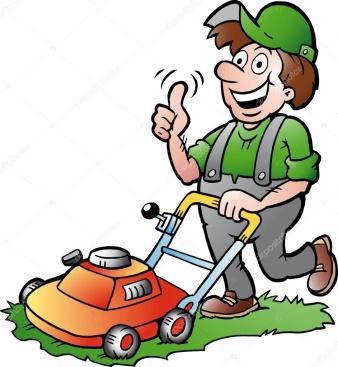
______________the grass
_______________baby-sitting
_______________the rubbish
Writing (13 points)
You have received a letter from your English-speaking pen friend Dan.
… You know my dream is to buy a new bike. My parents give me £ 10.00 every week as a pocket money. But the problem is I can’t save enough money because I spend them on different things I like: candies, popcorn, cinema etc.
How much pocket money do you get? What do you spend your money on? Do you save any money?
Write a letter to Dan (90-100 words) and answer his questions.
Speaking (12 points)
Choose one of the pictures below and describe it. Remember to say:
where he / she
what is he / she doing
is he / she sad or happy
why you think so.
(6 – 8 sentences)
You have to talk continuously, starting with:
“I’ve chosen picture number…”.
|
|
|
|


1 2 3
KEYS
FORWARD – 7
Listening (3 points)
I earn (1) ten pounds a week at The RAP. I usually spend (2) about five pounds on CDs, sweets and crisps, and I usually (3) save about five pounds.
Reading (5 points)
| 1 | 2 | 3 | 4 | 5 |
| A (True) | C (Not stated) | A (True) | A (True) | C (Not stated) |
Grammar/Vocabulary (18 points)
1. (6 points)
When Dad came home, we were studying.
I was sitting in the garden when Wendy arrived.
Martin was having breakfast when Jane phoned.
We were sleeping when our mum came into our room.
I saw Harrison Ford when he was making a film in London.
Betty was living in Berlin when she started playing the violin.
2. Own answers (2 points)
3. (10 points)
1. run
2. tidy
3. do
4. make
5. do
6. buy
7. lay
8. cut
9. do
10. take out
Writing: (13 points)
| Адрес | 1 |
| Дата | 1 |
| Обращение | 1 |
| Благодарность, ссылка на предыдущие контакты | 1 |
| Формулировка темы письма | 1 |
| Ответ на вопрос № 1 (учитывается грамматика) | 2 |
| Ответ на вопрос № 2 (учитывается грамматика) | 2 |
| Ответ на вопрос № 3 (учитывается грамматика) | 2 |
| Завершающая фраза, комплементарная концовка | 1 |
| Имя | 1 |
Speaking (12 points)
Total: 47 points
| «5» | 40 - 47 |
| «4» | 28 - 39 |
| «3» | 19 - 27 |
| «2» | 18 - 0 |
Speaking: 12 points
| «5» | 10 - 12 |
| «4» | 7 – 9 |
| «3» | 4 - 6 |
| «2» | 0 - 3 |
Вебинар для учителей

Свидетельство об участии БЕСПЛАТНО!