Республика Казахстан, г. Актобе

СДЕЛАЙТЕ СВОИ УРОКИ ЕЩЁ ЭФФЕКТИВНЕЕ, А ЖИЗНЬ СВОБОДНЕЕ
Благодаря готовым учебным материалам для работы в классе и дистанционно
Скидки до 50 % на комплекты
только до
Готовые ключевые этапы урока всегда будут у вас под рукой
Организационный момент
Проверка знаний
Объяснение материала
Закрепление изученного
Итоги урока

Была в сети 22.10.2025 20:22

Исмаилова Салтанат Турлановна
Учитель английского языка
32 года
 263
263
 151 974
Местоположение
Специализация
10 Steps to Teaching Your Child to Read

10 Steps to Teaching Your Child to Read
1. Read to your child
Teaching your child to read is truly a process that begins at infancy. (No, I am most certainly NOT advocating programs that claim to teach your baby to read using flashcards!) What I AM encouraging you to do is to begin reading with your newborn within days of welcoming her home! Not only is this a special bonding time for the two of you, it instills in her a love for books. Enjoyment while reading is one of the single greatest predictors of reading success in school-age children. If children don
2. Ask questions
Asking questions while reading to your child is not only great for encouraging your child to interact with the book, but it is also extremely effective in developing his ability to comprehend what he is reading. You see, if our main objective in “reading” is getting our child to “sound out” words, we have missed the boat entirely. Even children who can decode words and “read” with great fluency still might not be able to comprehend what they are reading. If a child can’t comprehend what he is reading, there really is no point to reading at all!
3. Be a good (reading) example
Even if your child is fascinated with books from an early age, her fascination will quickly dwindle if she does not see reading modeled in her home. If you are not an avid reader yourself, make a conscious effort to let your children see you reading for at least a few minutes each day! Read a magazine, a cookbook, a novel iit’s up to you! But show your child that reading is something that even adults need to do. If you have a son, share this article with your husband. Sons need to see their fathers read, especially since it is not something that young energetic boys are naturally prone to doing.
4. Identify letters in natural settings Before our boys were born, we painted and hung large wooden letters spelling their name above the cribs as a decorative accent in their rooms. I would have never guessed that those wooden letters would have such a learning incentive for Big Brother! Around age 2.5, he began asking what letters were above his name. That’s honestly how he learned to spell his name…and he can spell his brother’s name too because he has taken an interest in his letters as well. In technical terms, this is called “environmental print” and includes all of the print we are surrounded by–fast food signs, labels, traffic signs, clothing, magazines, etc.
5. Incorporate multiple domains of development Children learn best when multiple senses or are included. That’s why hands-on learning produces longer retention and more meaningful application. Once your child has shown an interest in letters and you have already begun to utilize natural settings for identifying those letters, begin implementing activities that incorporate as many senses as possible. Keep in mind that learning letter names isn’t nearly as important as learning their sounds!
6. Classify the Genre Once your child is around 5 and can recognize the difference between real and make-believe, I would suggest starting to help your child understand various genres of books during your reading time together. This might seem complicated, but it’s really not. There are around 5 different genres of children’s books that I would encourage you to point out to your little one. Of course you can use the term “type” rather than “genre” if that is easier to remember.
- Nonfiction (real stories or facts about animals, places, people, etc)
- Fantasy (make-believe, can’t happen in real life because of magic, talking animals, etc)
- Realistic Fiction (a made-up story, but it could technically happen in real life because the characters and situations arebelievable)
- Alphabet Books
- Song Books
7. Word Families
To put it simply, word families are words that rhyme. Teaching children word families is a phonemic awareness activity that helps children see patterns in reading. This is an important skill because it allows children to begin “reading” by grouping sets of letters within a word. The first part of a word is called the onset and the last part of the word is conveniently called the rime. Word families share a similar “rime” as the onset changes.
Once your child recognizes the word “mop”, he’ll then have an advantage to reading all of the other words that have the same rime (top, pop, stop, cop, hop) because only one letter is changing. Plus, recognizing rhyming words is a great language skill in and of itself!
8. Phonemic Awareness and Phonics
“Phonemes” are the smallest sounds in the English language. These sounds are made up of consonants, short vowels, long vowels, and digraphs. “Phonemic Awareness” consists of learning those sounds and how to manipulate them within a word. Digraphs are unique sounds comprised of individual letters like /th/, /sh/, /ch/, etc.
9. Decoding
Decoding is often referred to as “sounding it out.” This is an important element in teaching your child to read, but it certainly isn’t the most important. Once your child knows the sounds each letter makes (which is taught in real, meaningful situations), she is ready to begin putting words together. When looking at a short word, encourage her to say each individual sound /b/, /a/, /t/, and then put them together “bat”.
10. Sight Words
Sight words, also known as high-frequency words, are the most common words in our written language are are often difficult to decode phonetically because they don’t follow the rules of phonics. Because of this, they must be memorized. As I’ve shared with you before, I am not an advocate of rote memorization for optimal learning because I feel it only utilizes the lowest level of cognitive processes. However, sight words must be memorized in order for your child to become a fluent reader. There are a few popular lists of sight words that individual researchers have found beneficial, including the and the . Don’t get overwhelmed when looking at this list…just start working on a few words at a time when you feel your child is ready.
In summary, here are some practical suggestions you can implement every day based on the strategies shared with you in this post and previous posts. Obviously, you can’t implement all of these suggestions with children of all ages, so use your judgement about what is best for your child.
- Read to your child every day!
- Ask your child questions before, during, and after reading.
- Let your child see you reading.
- Look for letters while out and about and in the environment around you.
- When teaching letters and letter sounds, incorporate as many senses as possible.
- Read a variety of books and make a game out of guessing the genre.
- Have fun rhyming!
- Work on letter sounds and manipulating them within words (phonemic awareness)
- Encourage your child to sound out short words (consonant, vowel, consonant).
- Practice memorizing a few sight words each day.
- Most of all, have fun together!
02.01.2016 09:21
© 2016, Исмаилова Салтанат Турлановна 427
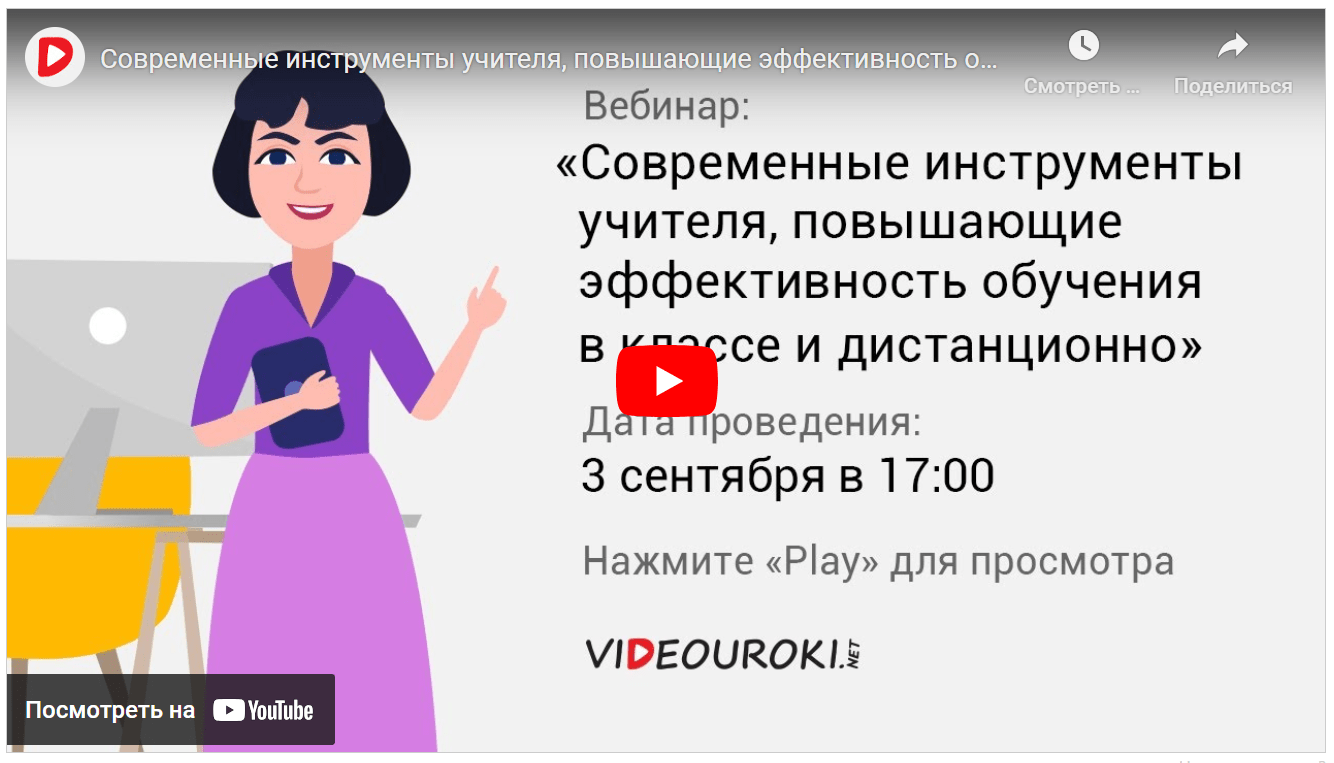
Вебинар для учителей
Свидетельство об участии БЕСПЛАТНО!