Russia, Krasnoyarsk

СДЕЛАЙТЕ СВОИ УРОКИ ЕЩЁ ЭФФЕКТИВНЕЕ, А ЖИЗНЬ СВОБОДНЕЕ
Благодаря готовым учебным материалам для работы в классе и дистанционно
Скидки до 50 % на комплекты
только до
Готовые ключевые этапы урока всегда будут у вас под рукой
Организационный момент
Проверка знаний
Объяснение материала
Закрепление изученного
Итоги урока
Была в сети 06.07.2026 12:55

Pavlenko Alexandra Victorovna
Teacher of English
 18 214
 2 113
2 113 
Местоположение
Специализация
Gamification: Transform Your Class and Make Learning Fun!

“What if school were treated like a game?”
So what is gamification?
It is the idea of using game design elements in a non-traditional setting. Going deeper than that, you can extend the system to mimic anything you would like to do. The power of this approach, while unconventional, resonates with all students because we as humans have an innate drive to want to play and have fun. There is a common belief that play is the antithesis of learning but that could not be any more untrue. When we are engaged and enjoying ourselves, the learning sticks.
Here are the different elements that are built into my gamified classroom. You can incorporate any of these to any degree. A gamified classroom is quite dynamic!
Story & Narrative: Like a good book or movie that captures your attention, having a long running story with a target to reach, coupled with a running narrative of people you meet, help and interact with keeps the engagement moving forward as the story deepens.
Cross Curricular Design: Although I teach science, I have incorporated multiple elements from different subjects. Movement, arts, mathematics and language arts are all present to some degree in this program. The running narrative contains a rich vocabulary challenging students of all reading levels and comprehensions.
Mystery: Using unexpected twists and turns, little explanation and leaving a lot up for interpretations it primes students to be creative, patient and quick thinking.
Jobs: I offer a variety of jobs in my class where they earn currency in the game. To get them they need to apply then submit a resume then take a job interview (if too many applicants) and follow a work schedule. Custodians, shop keepers, designers, engineers, etc. They miss work or do a bad job they need re-training or are let go.
Money Management: I give them currency as a reward for all kinds of things. They then learn to save and plan with their money for larger items and strategy becomes a focus point. It also teaches them the value of money - something many think doesn't exist in our youth.
Problem Solving: Using an augmented reality platform they can scan and a la RPG things come to life. They meet people in trouble and help them - if they wish - knowing there could be consequences for not helping or benefits for helping. Also, their work is vague and left for interpretation. They interpret and often produce clever and new forms of tired old work. They actively are solving, and even finding, problems. This is crucial in science because many of the problems we are trying to solve globally require unique interpretations and creative approaches.

Teamwork/Guilds: You are randomly assigned a team to work together throughout the game. They learn teamwork and collaboration. The most successful stick it out and work together. They learn that changing to be with friends doesn't always work - they learn the grass isn't always greener. They walk out better group members.
Negotiations: Players can barter, buy, sell and trade items with me and their peers. They learn incredible negotiating and planning skills. The things kids have pulled off are incredible. The perks and slick speech is nothing I could teach them traditionally.
Observation: Science is about observation. That didn't happen enough in my past classes. I add puzzles, treasure hunts and open-ended clues that force true observation and strategy. They are so much more observant of the world around them now.
Leaderboard: A way to track the progress between different players and different classes and teams. Tracking your progress allows you to plan ahead and strategize. I also offer up multiple bonus missions to cement knowledge for people who want to move and do extra. Emphasizes growth versus the traditional vantage point of school which is loss.
Game Cards: A basic form of extrinsic motivation that allows students to circumvent rules in the game, as well as the traditional classroom. Help develop a sense of accomplishment.
Theme: The class is redesigned to fit the feel of a medieval world. Using basic props and some creativity I have developed a space that helps students feel like they are in a different room and/or era of time.
Guild Battles (Review Games): Using fun and games is great! By revamping old board games and tweaking the rules I have been able to create unique ways to review for tests.
Badges: Sometimes you want to reward students for doing things when no one is looking or for doing some great! The badge system is a set of custom stickers the can earn just like an X-Box achievement, you know the name but not how to earn them.
19.05.2017 11:34

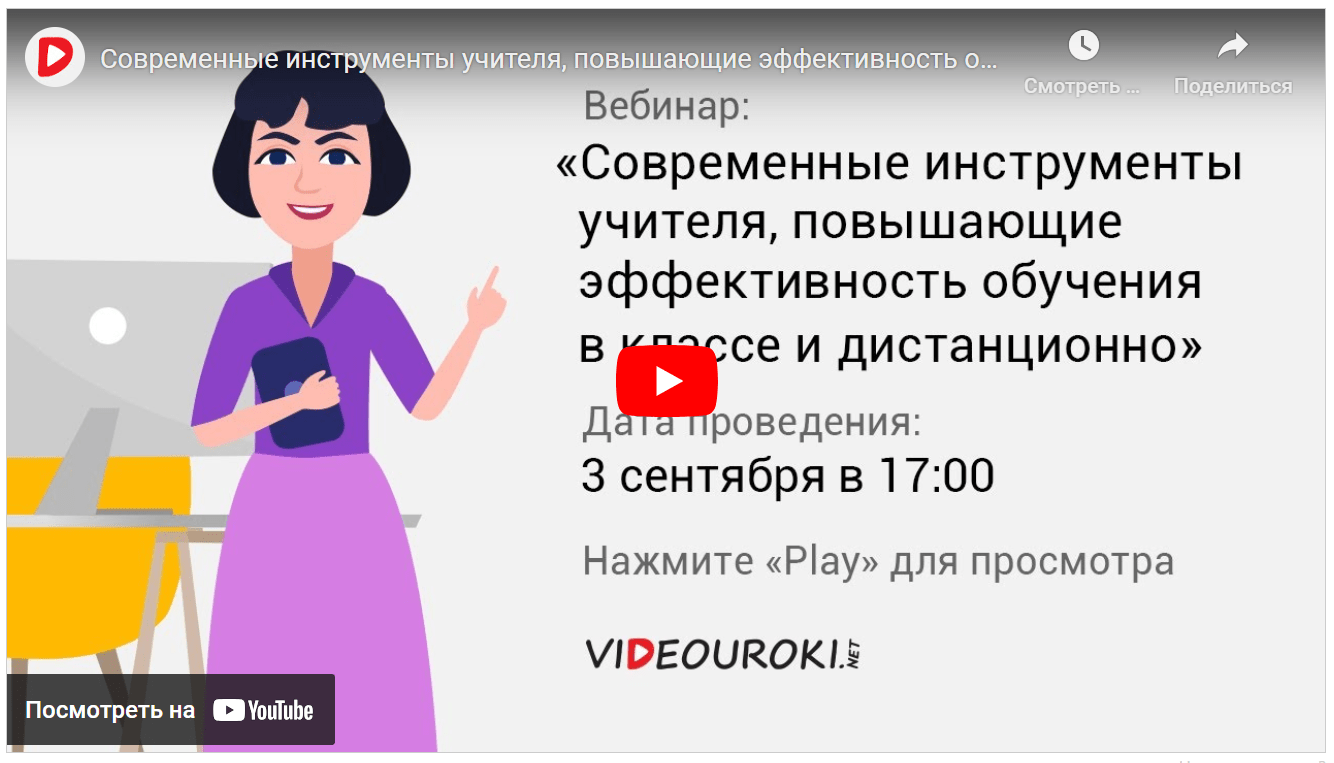
Вебинар для учителей
Свидетельство об участии БЕСПЛАТНО!