 24
24 277 931





© 2026, leeo 9


СДЕЛАЙТЕ СВОИ УРОКИ ЕЩЁ ЭФФЕКТИВНЕЕ, А ЖИЗНЬ СВОБОДНЕЕ
Благодаря готовым учебным материалам для работы в классе и дистанционно
Скидки до 50 % на комплекты
только до
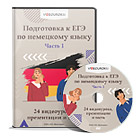
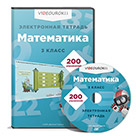
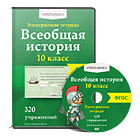
Готовые ключевые этапы урока всегда будут у вас под рукой
Организационный момент
Проверка знаний
Объяснение материала
Закрепление изученного
Итоги урока

How Landlord Management Works in the UK

is the process of handling rental properties, tenants, and all related responsibilities. In the UK, it involves following legal rules, maintaining the property, and ensuring smooth communication between landlords and tenants. Whether you manage the property yourself or hire a professional service, understanding how landlord management works is essential.
This guide explains the process, responsibilities, and key aspects of landlord management in a simple and clear way.
What is Landlord Management?
Landlord management refers to the day-to-day handling of a rental property. This includes finding tenants, collecting rent, maintaining the property, and ensuring legal compliance.
It can be done in two ways:
- Self-management by the landlord
- Hiring a property management company
Both options have their own advantages, depending on the landlord's time and experience.
Key Responsibilities of Landlord Management
Landlord management involves several important tasks that must be handled properly.
Tenant Management
This includes finding suitable tenants, checking their background, and managing communication. Good tenant management helps avoid problems such as late payments or property damage.
Rent Collection
Collecting rent on time is a key part of landlord management. Landlords or agents ensure payments are received regularly and follow up on delays.
Property Maintenance
Maintaining the property is essential to keep it in good condition. This includes:
- Fixing repairs
- Handling emergency issues
- Conducting regular inspections
Legal Compliance
UK landlords must follow strict rules, including:
- Gas safety checks
- Electrical safety standards
- Deposit protection laws
Failure to follow these laws can lead to fines and legal issues.
The Process of Landlord Management
Understanding the process helps landlords manage their properties more effectively.
1. Preparing the Property
Before renting, the property must be clean, safe, and ready for tenants. Necessary repairs and safety checks should be completed.
2. Marketing the Property
The property is advertised online or through agents to attract tenants. Good photos and clear descriptions help get better results.
3. Tenant Screening
Potential tenants are checked for:
- Employment status
- Credit history
- References
This ensures reliable tenants are selected.
4. Tenancy Agreement
A legal agreement is prepared, outlining rent, terms, and responsibilities.
5. Move-In Process
The tenant moves in, and an inventory is recorded to track property condition.
6. Ongoing Management
During the tenancy, rent collection, maintenance, and communication are handled regularly.
Benefits of Good Landlord Management
provides many advantages:
1. Steady Rental Income
Proper rent collection ensures consistent income.
2. Well-Maintained Property
Regular maintenance keeps the property in good condition and maintains its value.
3. Happy Tenants
Good communication and quick issue resolution improve tenant satisfaction.
4. Legal Protection
The following rules help avoid fines and legal problems.
Challenges in Landlord Management
Managing property can be challenging, especially without experience.
Common Challenges:
- Late rent payments
- Tenant disputes
- Maintenance issues
- Legal requirements
These challenges can be time-consuming and stressful for landlords.
Self-Management vs Professional Management
Landlords can choose to manage properties themselves or hire professionals.
Self-Management
- Saves management fees
- Requires time and effort
- Suitable for experienced landlords
Professional Management
- Handles all tasks
- Saves time and reduces stress
- Costs a percentage of rent
Choosing the right option depends on your needs and availability.
Tips for Effective Landlord Management
To manage your property successfully, follow these tips:
- Keep clear communication with tenants
- Respond quickly to maintenance requests
- Stay updated with UK property laws
- Maintain proper records
- Conduct regular inspections
These steps help ensure smooth property management.
Common Mistakes to Avoid
Avoid these common mistakes:
- Not screening tenants properly
- Ignoring maintenance issues
- Failing to follow legal requirements
- Poor communication
Avoiding these mistakes helps prevent long-term problems.
Conclusion
Landlord management in the UK involves handling tenants, rent, maintenance, and legal responsibilities in a structured way. Whether you manage the property yourself or hire a professional service, understanding the process is key to success.
By following the right steps and staying organized, landlords can ensure smooth operations, satisfied tenants, and steady rental income. Proper management not only reduces stress but also helps protect and grow your property investment over time
Категория:
Прочее
15.04.2026 12:49
Похожие записи
Вебинар для учителей
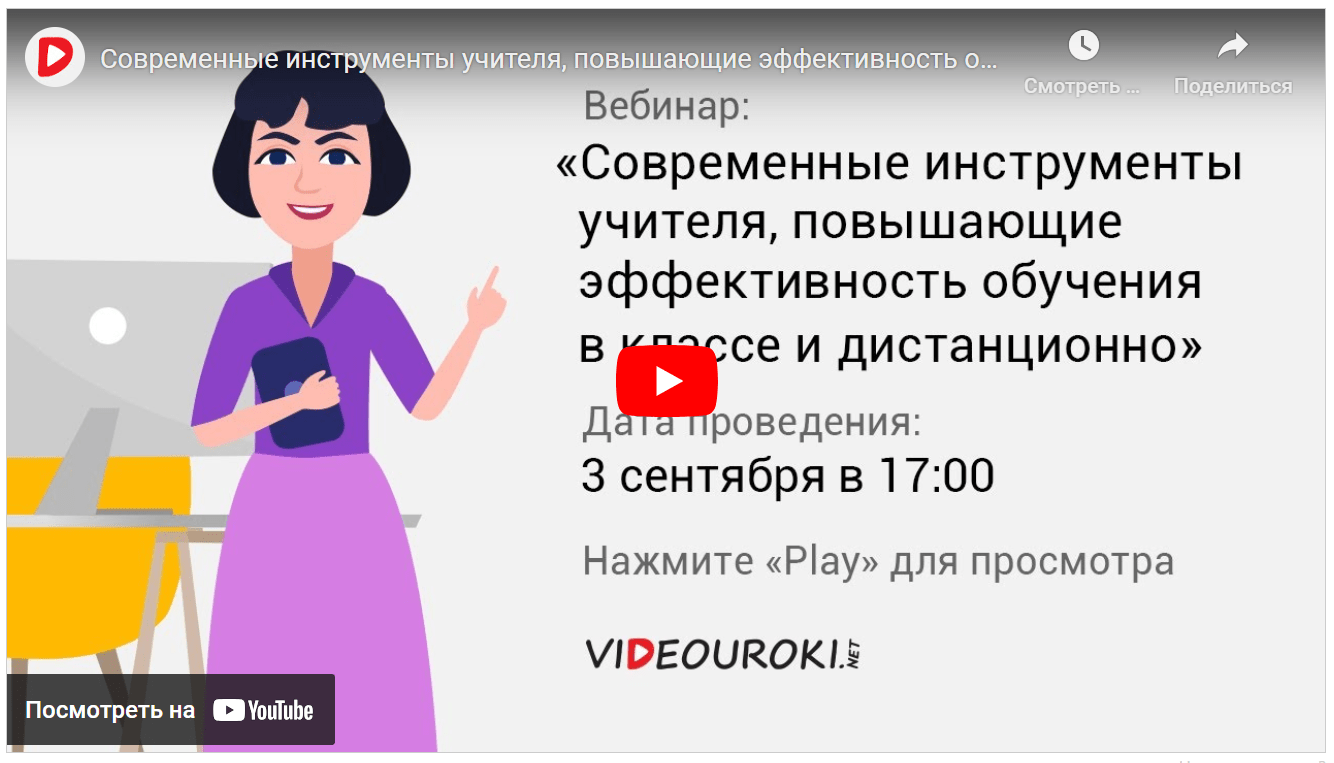
Свидетельство об участии БЕСПЛАТНО!