

Россия, Москва


СДЕЛАЙТЕ СВОИ УРОКИ ЕЩЁ ЭФФЕКТИВНЕЕ, А ЖИЗНЬ СВОБОДНЕЕ
Благодаря готовым учебным материалам для работы в классе и дистанционно
Скидки до 50 % на комплекты
только до
Готовые ключевые этапы урока всегда будут у вас под рукой
Организационный момент
Проверка знаний
Объяснение материала
Закрепление изученного
Итоги урока

Был в сети 19.07.2026 23:39

Телегин Сергей Маратович
 3 480
3 480
 19 714
Местоположение
Специализация
Mythorealism

Mythorealism, developed by Sergey Teleguin, is a literary approach that portrays reality through the lens of eternal mythological structures, emphasizing the interplay between myth and realism in literature. Teleguin's work highlights how ancient myths can inform and shape modern narratives, offering deeper insights into cultural identity and storytelling.
Overview of Mythorealism
Mythorealism is a literary approach developed by Sergey Teleguin that emphasizes the relationship between myth and realism in literature. This method allows for a deeper understanding of how ancient myths influence contemporary narratives.
Key Concepts of Mythorealism
- Eternal Mythological Structures: Mythorealism portrays reality through the lens of timeless myths, suggesting that these archetypes shape human experiences and storytelling.
-
Interplay of Myth and Realism: This approach examines how traditional narratives coexist with modern interpretations, revealing the underlying mythic layers in literary texts.
Sergey Teleguin's Contributions
Sergey Teleguin, born in 1964 in Buenos Aires, is a prominent Russian literary critic and philosopher. His work has significantly impacted literary criticism and cultural studies.
Major Works
Teleguin has authored several influential texts, including:
| Year | Title | Focus |
|---|---|---|
| 1994 | Philosophy of Myth: Introduction to Mythorestoration | Theoretical basis of mythorestoration |
| 1995 | The Life of Myth in the Artistic World of Dostoevsky and Leskov | Analysis of myth in classic literature |
| 1997 | The Rise of Myth | Exploration of modern Russian mythology |
| 2005 | Literature and the Mythological Revolution | Examining the role of myth in literature |
| 2008 | The Russian Mythological Novel | Investigating mythological themes in Russian novels |
Methodology
Teleguin's method, known as mythorestoration, involves:
- Analyzing Literary Texts: Identifying and reconstructing the mythological structures within narratives.
- Revealing Cultural Identity: Understanding how these myths contribute to cultural storytelling and identity.
Teleguin's work continues to influence the study of literature, highlighting the relevance of ancient myths in modern contexts.
Еще по теме
What are the key characteristics of mythorealism in literature?
Mythorealism in literature is characterized by its rejection of conventional logical relations, exploring invisible truths through imaginings, allegories, and myths. It blends elements of reality with the surreal, creating a fragmented and mythological vision that acknowledges the bizarre aspects of everyday life.
How does Sergey Teleguin's mythorealism compare to magical realism?
Sergey Teleguin's mythorealism differs from magical realism by focusing on uncovering and revitalizing ancient mythological structures within literary texts, rather than blending fantastical elements with the mundane. Mythorealism views events as manifestations of transcendent, archetypal "mythologems," while magical realism typically incorporates magical or supernatural elements into otherwise realistic narratives.
Comparison of Mythorealism and Magical Realism
Definition and Focus
| Aspect | Mythorealism | Magical Realism |
|---|---|---|
| Core Concept | Uncovers and revitalizes ancient mythological structures within literary texts. | Blends magical or supernatural elements with realistic narratives. |
| View of Events | Events are seen as manifestations of transcendent, archetypal "mythologems." | Incorporates fantastical events into an otherwise realistic setting. |
Methodology
- Mythorealism:
- Analyzes texts to reveal underlying myths.
- Emphasizes the significance of mythology in understanding literature.
-
Magical Realism:
- Presents magical elements as part of everyday reality.
- Aims to express emotions and societal critiques through the integration of the fantastic.
Key Differences
- Nature of Elements:
- Mythorealism focuses on ancient myths and their relevance to contemporary narratives.
- Magical realism often includes whimsical or supernatural occurrences that challenge the boundaries of reality.
-
Literary Purpose:
- Mythorealism seeks to deepen the understanding of cultural identity and storytelling through myth.
- Magical realism aims to highlight contradictions and shortcomings in society by merging the real with the magical.
In summary, while both mythorealism and magical realism explore the interplay between reality and otherworldly elements, they do so with different methodologies and purposes. Mythorealism is rooted in the analysis of ancient myths, whereas magical realism incorporates fantastical elements to enhance the narrative's emotional and social commentary.
Категория:
Литература
06.04.2026 23:39
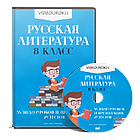
Комплекты видеоуроков для учителей






© 2026, Телегин Сергей Маратович 66
Вебинар для учителей

Свидетельство об участии БЕСПЛАТНО!



