
 19
19 288 409


© 2025, id16088293 52

СДЕЛАЙТЕ СВОИ УРОКИ ЕЩЁ ЭФФЕКТИВНЕЕ, А ЖИЗНЬ СВОБОДНЕЕ
Благодаря готовым учебным материалам для работы в классе и дистанционно
Скидки до 50 % на комплекты
только до
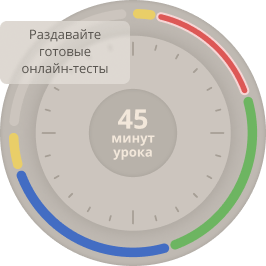
Готовые ключевые этапы урока всегда будут у вас под рукой
Организационный момент
Проверка знаний
Объяснение материала
Закрепление изученного
Итоги урока
Oxygen Masks: Benefits, Safety Tips, and Proper Usage

Oxygen therapy is a vital component in treating patients with respiratory issues, and oxygen masks play a critical role in ensuring effective oxygen delivery. Whether in hospitals, clinics, or home care, understanding the types, benefits, proper usage, and pricing of oxygen masks is essential. This guide will provide comprehensive information to help patients, caregivers, and healthcare providers make informed decisions.
What are Oxygen Masks?
An is a device that covers the nose and mouth to deliver oxygen from a cylinder, concentrator, or pipeline to a patient in need. Unlike nasal cannulas, oxygen masks can provide higher oxygen concentrations, making them suitable for patients with moderate to severe respiratory distress.
Components of an Oxygen Mask
Most oxygen masks consist of:
-
The mask itself, which fits over the nose and mouth
-
Elastic straps to secure the mask
-
Tubing connecting the mask to an oxygen source
-
A reservoir bag (in some types) for high-flow oxygen delivery
Types of Oxygen Masks
Choosing the right oxygen mask depends on the patient’s condition and required oxygen flow. Here are the main types available in Pakistan:
1. Simple Oxygen Masks
Simple masks are designed for low to moderate oxygen delivery (5–10 liters per minute). They are commonly used in hospitals and home care for patients with mild respiratory issues.
2. Venturi Masks
Venturi masks provide precise oxygen concentrations and are often used for patients with chronic respiratory conditions like COPD. They allow adjustable oxygen delivery by mixing oxygen with room air.
3. Partial Rebreather Masks
Partial rebreather masks include a reservoir bag that collects some exhaled oxygen for reuse, providing a higher concentration than a simple mask.
4. Non-Rebreather Masks
Non-rebreather masks deliver the highest oxygen concentration, up to 90–100%, and are used in emergency situations or severe respiratory distress.
5. Pediatric Oxygen Masks
Pediatric masks are specifically designed for infants and children, with smaller masks and softer materials for comfort and safety.
Benefits of Oxygen Masks
Using oxygen masks offers several advantages for patients with respiratory problems:
1. Efficient Oxygen Delivery
Oxygen masks can deliver higher oxygen concentrations compared to nasal cannulas, making them ideal for patients with moderate to severe respiratory issues.
2. Suitable for Various Conditions
They are used for conditions such as pneumonia, asthma attacks, COVID-19 complications, chronic obstructive pulmonary disease (COPD), and other respiratory illnesses.
3. Improved Patient Comfort
Most oxygen masks are designed with soft materials and adjustable straps, ensuring a comfortable fit for patients during long-term use.
4. Emergency Use
Non-rebreather masks and other high-flow oxygen masks are critical in emergencies, providing rapid oxygenation to stabilize patients.
5. Easy to Use
Oxygen masks are simple to attach to oxygen sources and adjust for patient needs, making them suitable for both medical professionals and caregivers at home.
Factors to Consider When Choosing an Oxygen Mask
Selecting the right oxygen mask involves considering several factors:
1. Oxygen Flow Rate
Check the patient’s prescribed oxygen flow rate. Simple masks are suitable for 5–10 LPM, while non-rebreather masks may require 10–15 LPM or more.
2. Patient Comfort
Choose a mask with soft, hypoallergenic materials and adjustable straps. Pediatric patients require specially designed smaller masks for comfort.
3. Purpose of Use
Determine whether the mask is for home care, hospital use, or emergency situations. High-flow masks are ideal for emergencies, while simple masks are sufficient for home therapy.
4. Availability and Price
The varies depending on type, brand, and material. Simple masks are more affordable, while specialized pediatric or non-rebreather masks may cost more.
5. Quality and Safety
Always buy oxygen masks from reputable suppliers to ensure certified, medical-grade quality. Avoid low-quality masks that may leak or fail to deliver proper oxygen concentration.
Oxygen Masks Price in Pakistan
Understanding the oxygen masks price in Pakistan helps patients and caregivers plan their purchases. Here’s a general overview:
-
Simple Oxygen Masks: PKR 500 – 1,200 per piece
-
Venturi Masks: PKR 1,500 – 3,000
-
Partial Rebreather Masks: PKR 2,000 – 3,500
-
Non-Rebreather Masks: PKR 2,500 – 5,000
-
Pediatric Oxygen Masks: PKR 800 – 2,000
Prices may vary based on supplier, city, and availability. Major cities such as Karachi, Lahore, Islamabad, and Peshawar have a wider variety of options.
Proper Usage of Oxygen Masks
Correct usage is essential for safety and effective oxygen therapy:
-
Wash hands thoroughly before handling the mask.
-
Attach the mask securely to the oxygen source.
-
Place the mask over the nose and mouth, ensuring a snug fit.
-
Adjust the elastic straps for comfort without causing pressure marks.
-
Set the oxygen flow rate as prescribed by the healthcare provider.
-
Monitor the patient for comfort and proper oxygen delivery.
-
Replace or clean the mask regularly to maintain hygiene.
Safety Tips for Oxygen Mask Users
Proper handling and safety practices prevent accidents and ensure effective oxygen delivery:
-
Keep the oxygen mask and tubing away from flames or heat sources.
-
Do not use oils, grease, or flammable substances near oxygen equipment.
-
Regularly inspect the mask for damage or leaks.
-
Follow the prescribed oxygen flow rate to avoid over or under-oxygenation.
-
Store masks in a clean, dry place when not in use.
-
For pediatric patients, always supervise oxygen therapy to ensure safety.
Where to Buy Oxygen Masks in Pakistan
Oxygen masks can be purchased from:
1. Medical Supply Stores
Medical stores in major cities provide immediate availability and guidance on selecting the right type of mask.
2. Online Marketplaces
Online platforms offer convenience and home delivery, along with detailed product descriptions and price comparisons.
3. Hospital Suppliers
Suppliers catering to hospitals offer certified, high-quality oxygen masks suitable for various medical settings.
Frequently Asked Questions (FAQs)
Can oxygen masks be used continuously?
Yes, with proper monitoring and regular cleaning, oxygen masks can be used for long-term therapy.
What is the difference between a nasal cannula and an oxygen mask?
Nasal cannulas provide low-flow oxygen, allowing patients to speak and eat, while oxygen masks deliver higher oxygen concentrations for moderate to severe respiratory issues.
How often should oxygen masks be replaced?
Masks should be replaced every 1–2 weeks for continuous use or sooner if damaged or contaminated.
Are oxygen masks safe for children?
Yes, pediatric oxygen masks are designed specifically for infants and children to ensure safe and comfortable oxygen delivery.
Conclusion
Oxygen masks are essential medical devices for patients with respiratory issues, providing effective and safe oxygen therapy. Choosing the right mask involves considering flow rate, patient comfort, purpose, quality, and cost. Understanding the oxygen masks price in Pakistan and purchasing from reliable suppliers ensures affordability, safety, and efficiency.
Категория:
Прочее
19.12.2025 14:12
Комплекты видеоуроков для учителей
Похожие записи
Вебинар для учителей

Свидетельство об участии БЕСПЛАТНО!