279
279 149 837




© 2026, id13535820 13

СДЕЛАЙТЕ СВОИ УРОКИ ЕЩЁ ЭФФЕКТИВНЕЕ, А ЖИЗНЬ СВОБОДНЕЕ
Благодаря готовым учебным материалам для работы в классе и дистанционно
Скидки до 50 % на комплекты
только до
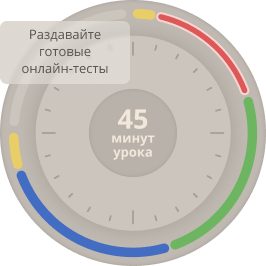
Готовые ключевые этапы урока всегда будут у вас под рукой
Организационный момент
Проверка знаний
Объяснение материала
Закрепление изученного
Итоги урока
PgMP Certification: Complete Guide to Becoming a Program Management Professional

Managing a single project well is one thing. Managing a portfolio of interconnected projects that drive an entire business strategy is a different challenge altogether. That is exactly the gap the was built to fill. If you are already leading multiple projects, coordinating cross-functional teams, and reporting outcomes to senior leadership, this credential can be the proof point that moves you from project manager to program leader.
This guide covers everything you need to know before you commit: what the PgMP certification actually is, how it compares to the PMP, the exact eligibility paths, the panel review, the exam format and domains, current fees, and how to prepare so you pass on your first attempt.
What Is the PgMP Certification?
The PgMP certification, short for Program Management Professional, is a credential offered by the Project Management Institute (PMI). It validates your ability to manage multiple related projects as one coordinated program, aligning them with an organization's strategic goals rather than managing them in isolation.
Unlike a standard project management certificate that focuses on delivering one project on time and on budget, the program management professional PgMP credential focuses on the bigger picture: benefits realization, stakeholder engagement across departments, governance, and long-term value delivery. It is designed for people who already operate at a senior level and want formal recognition for that scope of work.
PMI updates its requirements periodically, so treat the numbers in this guide as a solid starting reference and always confirm the latest figures on before you apply.
PgMP vs PMP: What Is the Real Difference?
This is one of the most common questions professionals ask when comparing the PgMP vs PMP path, and the confusion is understandable since both come from PMI.
-
PMP (Project Management Professional) certifies you to manage individual projects: scope, schedule, budget, and a defined project team.
-
PgMP (Program Management Professional) certifies you to manage a group of related projects together as a program, focusing on strategic alignment, cross-project dependencies, and organizational benefits rather than day-to-day project tasks.
Put simply, PMP proves you can deliver a project. PgMP proves you can deliver a strategy made up of many projects. PMP is not a formal prerequisite for PgMP. However, PMI accepts an active PMP as an alternative way to satisfy part of the project management experience requirement, which is why many candidates pursue certification in program management after already holding a PMP.
If your role already involves overseeing several project managers, budgets, and executive reporting lines, PgMP certification training is the more accurate reflection of your actual responsibilities than staying at the PMP level.
Who Should Pursue the Program Management Professional PgMP Credential?
This certification is not an entry-level credential. It is built for professionals such as:
-
Program managers overseeing multiple interdependent projects
-
Senior project managers transitioning into program leadership
-
PMO directors and portfolio professionals who are directly responsible for program execution
-
Directors who coordinate strategy execution across departments
If you are early in your project management career, a PMP certificate or a foundational project management course is usually the better starting point before working toward a PgMP certified status.
PgMP Eligibility Requirements
PMI sets clear eligibility rules built around education, project management experience, and program management experience, all of which must fall within the past 15 years. There are three paths, depending on your education level:
|
Education |
Project Management Experience |
Program Management Experience |
|
Secondary diploma or global equivalent (Set A) |
48 months, or an active PMP |
84 months |
|
Bachelor's degree or global equivalent (Set B) |
48 months, or an active PMP |
48 months |
|
GAC-accredited bachelor's or postgraduate degree (Set C) |
36 months, or an active PMP |
36 months |
Your project and program management months cannot overlap, meaning you cannot count the same time period toward both categories. Because PMI reviews this experience carefully, documents it precisely and verifies the exact current thresholds on PMI's official PgMP eligibility page before submitting your application.
PgMP Application and Panel Review
Meeting the eligibility requirements only gets you to the next stage. Once you submit your PgMP application, it goes through:
-
Application review, where PMI checks that your submission is complete and may select it for an audit requiring supporting documentation.
-
Panel Review Assessment, where a panel of volunteer PgMP-certified program managers evaluates your Program Management Experience Summaries. Your identity stays anonymous to the panel to keep the review unbiased.
-
Exam scheduling, which only opens up once you successfully clear the panel review.
If the panel finds your experience summaries unsatisfactory, you typically get one opportunity to amend and resubmit based on their feedback. Because a meaningful share of applications do not clear the panel review on the first attempt, writing clear, PMI-terminology-aligned program experience summaries the first time around is worth the extra effort.
PgMP Exam Format and Structure
Once you clear the panel review and schedule your exam, here is what to expect:
-
170 multiple-choice questions, to be completed in 240 minutes (4 hours)
-
Delivered as a computer-based test, available in English and Simplified Chinese
-
Scenario-based questions that test judgment across real program situations rather than simple recall
-
Up to three attempts within a one-year eligibility window if you do not pass on the first try
Reviewing the official PMI Exam Content Outline before you sit for the test is essential, since PMI can revise domain weighting between updates.
PgMP Exam Domains and Weighting
The PgMP exam is organized around five performance domains, each carrying a different share of the total questions:
|
Domain |
Approximate Weight |
|
Program Life Cycle Management |
44% |
|
Stakeholder Engagement |
16% |
|
Strategic Program Alignment |
15% |
|
Governance |
14% |
|
Benefits Alignment |
11% |
Program Life Cycle Management alone makes up nearly half the exam, covering initiation, planning, execution, monitoring, and closure across the program. That single domain deserves the largest share of your prep time, followed closely by stakeholder engagement, which is where many candidates underestimate the depth of scenario questions they will face.
How Much Does the PgMP Certification Cost?
PMI's current published exam fee is:
-
PMI members: $800
-
Non-members: $1,000
That figure covers the exam itself, not your total investment. Depending on your situation, you may also budget for PMI membership, a PgMP certification training or prep course, study materials, and retake fees if you need a second or third attempt. Because PMI adjusts pricing periodically, confirm the current fee schedule on PMI's official certification page before budgeting for your application.
How to Prepare for the PgMP Exam
Passing on your first attempt comes down to structured, consistent preparation rather than last-minute cramming. A few practices that consistently help candidates:
-
Use PMI's current Exam Content Outline as your primary exam blueprint, then use The Standard for Program Management, Fifth Edition to build a deeper understanding of the concepts and practices tested.
-
Take a structured PgMP prep course that walks through each performance domain with real program scenarios, not just definitions.
-
Practice with scenario-based practice designed to reinforce the decision-making style and domain coverage candidates encounter when preparing for the exam. This is where a platform like ITExamsTopics is useful, since it offers structured, domain-aligned practice questions rather than plain definitions to memorize.
-
Join a study group or online PgMP training community to talk through complex governance and stakeholder scenarios with people facing the same exam.
-
Weight your review time to match the domain percentages, spending the most time on Program Life Cycle Management and Stakeholder Engagement, since those two domains alone account for the majority of the exam.
Avoid relying on unverified pgmp dumps or leaked question banks. Beyond the integrity risk, using unauthorized exam content does not build the program-management judgment the exam is actually designed to assess, which means it can leave you underprepared even if you pass. A dependable alternative is sticking to a trusted platform like ITExamsTopics for domain-aligned practice.
PgMP Certification Maintenance and PDUs
Passing the exam is not the end of the process. To keep your PgMP credential active, PMI's Continuing Certification Requirements (CCR) program requires:
-
60 PDUs (Professional Development Units) every 3 years
-
At least 35 Education PDUs within that total
-
Up to a maximum of 25 Giving Back PDUs
If you do not meet the renewal requirement in time, your certification is typically suspended for a limited period before it lapses permanently. At this point, you would need to reapply and retake the exam. Building PDU tracking into your routine, rather than scrambling near the deadline, keeps this part of the process painless.
Is the PgMP Certification Worth It?
For professionals already functioning at the program level, the answer is generally yes. PMI reports higher earnings for program managers holding the PgMP certification compared to non-PgMP program professionals, along with a notable share of surveyed PgMP holders globally reporting a salary increase after becoming certified. Treat these as PMI's reported survey findings rather than a guaranteed personal outcome, since actual results vary by role, industry, and region.
Beyond compensation, a PgMP certification signals to employers and executive stakeholders that you can be trusted with strategic, multi-project responsibility, not just individual project delivery. It can support promotion into senior program or portfolio roles and strengthens your credibility when presenting business cases to leadership. That said, it is a significant investment of time and money, so it makes the most sense once you already have real program-level experience to draw on during preparation and, later, during recertification.
Frequently Asked Questions
1. What is the difference between PgMP and PMP certification? PMP certifies project-level management skills for a single project, while the PgMP certification validates your ability to manage multiple related projects together as one strategic program.
2. Is PMP required before applying for PgMP? No, PMP is not a formal prerequisite for PgMP. PMI does accept an active PMP as an alternative path to satisfy part of the project management experience requirement, which is why many candidates already hold one.
3. How long does it take to become PgMP certified? The timeline varies depending on your eligibility documentation, the panel review process, and your preparation schedule. Once your application and panel review are completed, your remaining timeline depends largely on how much exam preparation you still need.
4. What score do I need to pass the PgMP exam? PMI does not publish a fixed passing percentage. Performance is reported across the exam's domains, and PMI determines passing status based on its own psychometric scoring methodology.
5. Can I retake the PgMP exam if I fail? Yes. PMI allows up to three attempts within your one-year eligibility window. If you do not pass after three attempts, you generally need to wait twelve months from your last attempt before reapplying.
This guide reflects general PgMP certification information current as of 2026. Requirements, fees, and exam details are set and updated by PMI, so always confirm current specifics on the official PMI website before applying.
Категория:
Прочее
18.08.2026 13:42
Комплекты видеоуроков для учителей
Вебинар для учителей
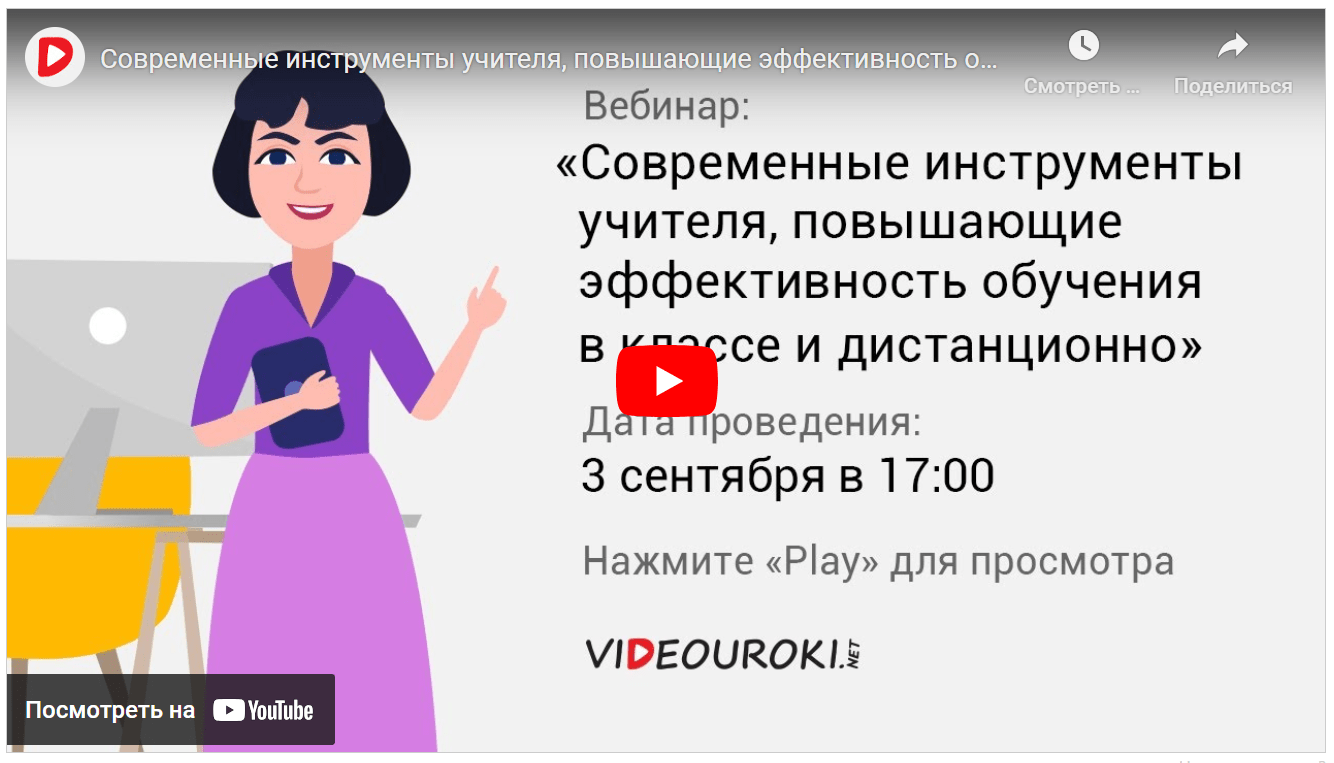
Свидетельство об участии БЕСПЛАТНО!