Казахстан, Алматы

СДЕЛАЙТЕ СВОИ УРОКИ ЕЩЁ ЭФФЕКТИВНЕЕ, А ЖИЗНЬ СВОБОДНЕЕ
Благодаря готовым учебным материалам для работы в классе и дистанционно
Скидки до 50 % на комплекты
только до
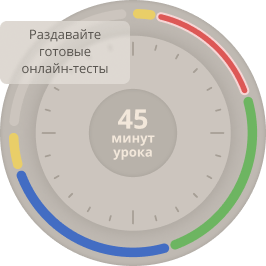
Готовые ключевые этапы урока всегда будут у вас под рукой
Организационный момент
Проверка знаний
Объяснение материала
Закрепление изученного
Итоги урока
Аленова Аккулаш Аскаровна
ПФИЯ два иностранных языка: английский-французский
29 лет
 221
221
 164 830
Местоположение
Урок 9 класса What is your strongest intelligence?

Lesson plan
Date: 9.02.2016
The theme:What is your strongest intelligence?
Aim: 1. to introduce pupils with the new theme must/mustn’t do not have to
2. Develop their speaking, writing, reading skills, enlarge their vocabulary
3. Bring up them to learn new things, be open to all the happening situations
Type of the lesson: new lesson
Method of the lesson: group work, individual work, work in pairs
Visual aids: active blackboard, color pens, cards and grammar table
- Organization moment
- Main part
Brainstorming: Look at the picture. What do you think we are going to talk about? What is the topic of our lesson today?

(divide pupils into 3 groups)
1. what is it intelligence?
2. Do you remember things best by seeing, feeling, and hearing? Do list of it. ( ?з тобы?да о?ушыларды? ?абілетін жазу)
- I remember things best by seeing. I can tell films, describe pictures e.tc.
- I remember things best by feeling if I like something I remember it for ages.
- I remember things best by hearing. I don’t forget what I listened to
Video and funny test. Now pupil’s today we are going to continue telling about intelligences. Let us come to check up your h/t. Revision of the type of intelligence.
Vocabulary
Logical-mathematical intelligence
Verbal intelligence
Musical intelligence
Visual intelligence
Body intelligence
Interpersonal intelligence
Intrapersonal intelligence
Naturalistic intelligence
c. 1. People with high logical-mathematical intelligence are often good at Math and finding answers to problems.
2. If you have a lot of body intelligence, you are probably good at movement, for example sports and dancing.
3. If you have a lot of visual intelligence, you are probably good at painting and drawing.
4. If you have a lot of Interpersonal intelligence, you are probably good at understanding other people and working with them.
5. People with high musical intelligence are often good at singing or playing a musical instrument.
6. People with good verbal intelligence are usually good speakers and like words.
7. If you enjoy being on your own, you probably have a lot of intrapersonal intelligence.
8. People who have a lot of naturalistic intelligence are good with handling plants and animals.
Reading - Writing. Problem page
|
Р?л |
Жамиля?а |
Та?ырып |
|
О?ушы / Pupil |
||
|
Ата – ана/ parents |
||
|
М??алім / teacher |
||
|
?алым / scientist |
||
|
Директор / head-master |
Grammar: must / mustn’t vs. don’t have to
Модальды етістіктен кейінгі ма?ыналы? етістік to- шылауы ?олданылмайды. Ex. He must do his homework. She must do it. Модальді етістіктерден кейін 3-жа?та?ы жекеше ма?ыналы? етістіктерде - s, ( es) жал?ауы болмайды. Ex. She must do it. 3.”Must’ –?ажеттілік пен міндеттемелер т?ралы айт?анда айтушыны? ойы ретінде ?олданылады. Ex. I must cut my hair. You really must work hard. 4. “ Have to”-?ажеттілікті за?ды ережеге негізделген, міндетті т?рде істелуге тиісті істіб ?рекеттерді сипаттау ?шін ?олданылады.Ex. Children have to go to school. ( за?) You have to wear a Uniform. ( Ереже) Болымсыз т?рде ( mustn’t, don’t have to) Mustn’t – белгілі іс ?рекетті істеуге болмайтынды?ы Don’t have to-?ажеті жо?ты?ын айт?анда ?олданылады. Ex. It’ s a secret. You mustn’t tell anybody.
|
Модальді етістік |
?олданылуы |
|
Must / mustn’t |
|
|
Have to / don’t have to |
Writing: I’m good at……. I’m bad at ……. What must I do?
- Conclusion
It was easy to………
It was difficult to ….
It was interesting to….
It wasn’t interesting to…….
I’ve learnt …….
- Marks
Категория:
Английский язык
28.02.2016 22:02
Вебинар для учителей

Свидетельство об участии БЕСПЛАТНО!