Беларусь, Новополоцк

СДЕЛАЙТЕ СВОИ УРОКИ ЕЩЁ ЭФФЕКТИВНЕЕ, А ЖИЗНЬ СВОБОДНЕЕ
Благодаря готовым учебным материалам для работы в классе и дистанционно
Скидки до 50 % на комплекты
только до
Готовые ключевые этапы урока всегда будут у вас под рукой
Организационный момент
Проверка знаний
Объяснение материала
Закрепление изученного
Итоги урока
Была в сети 02.11.2023 22:47

Гаманович Тамара Аркадьевна
Учитель
 2 260
2 260
 31 536
Местоположение
Специализация
WEBSITES FOR LEARNING ENGLISH

1. – vocabulary test
Take this and find out your score and a description of your level in comparison with native speakers and speakers around the world. TIP: Write down your score and do the test again in 6 months and in 1 year. If you are working on your English, there is no way that number wouldn’t increase. The more you surround yourself with natural English, the higher the number will be. All you need is – focus!
2. – largest online dictionary and more. All words are shown in context in many example sentences which are also translated! You don’t see that anywhere else online. Pronunciation included. This is an incredibly promising website as apart from the dictionary they have other tools which are superbly handled. TIP: Check out their section, section (with flashcards) or section.
3. – words in context You need to learn words in context. Not from a notebook with lists full of unrelated words but on flashcards/post-it notes with example sentences. But where do you find such example sentences? You can go to a dictionary OR you can use ! The web application lists hundreds of sentences from NewYork Times, The Economist, CNN and other news sources to show how words and phrases are used in real language. TIP: Use the filter on the right to choose whether your word appears at the beginning or the end of the sentence (Rule) or in which tense (Tense) and context it’s used (Context). And you can scroll down to find the word’s synonyms. Everything in one place!
4. – collocations dictionary About 5 years ago one of my best Christmas presents was a collocations dictionary (I know, right?). A collocation is a fixed expression of two or more words that go together, like “fast food” or “go to bed”. A collocations dictionary is thus very useful if you want to know which words go together, e.g. with the word “”. TIP: This is particularly useful for bloggers and those who need to write more complicated texts in English, such as essays, business proposals or presentations.
For gamers
5. – record yourself.The only paid website on the list. It’s simply brilliant. Watch short clips from movies, talk shows, news, commercials etc. with subtitles and then record yourself pronouncing sentence by sentence, receiving feedback afterwards via a voice-recognition system. It’s like Youtube, only much better! You score points for each word pronounced correctly so you can compete with others as in video games.
6. – free online language lessons. Gamification of language learning at its purest and possibly best in the free waters of today´s world wide web. This website is gaining more and more attention as highly positive feedback from users around the world flows in. Very friendly interface with an owl mascot called “Duo” and a language learning system full of points, rewards, badges and praise. You learn through various types of exercises in units ranging from basic to advanced levels in 20 different languages.TIP: Don’t give up. You should subscribe to the mailing list so that Duolingo sends you email reminders motivating you to keep learning.
7. – recognize words in songs If you like music and have been learning a lot of English from songs. You find a song and your level and you play the song. You must fill in the missing words, depending on your chosen level, where 10%, 25%, 50% or 100% of the words are missing. It’s perfect for your listening skills as they don’t let you listen further until you guess the word correctly (you do have an option to click the “Give up” button though). TIP: Work with at least 5 songs per week and watch your English improve.
For Facebookers
8. – real people, real stories Sad, happy, heart-breaking, inspiring, everything that life brings to ordinary New Yorkers… Short stories with portraits of those in the stories. Or one of the most popular Facebook pages out there, with 13 million followers. Follow it, it’s the best reading practice for you.
9. – idioms and phrases. 3 million fans, thousands of likes and shares speak for themselves. Simple examples of spoken English. There´s nothing to add, just follow and work. TIP: This is exactly the type of FB posts that you can follow on your mobile phone (if you´re into mobile FB).
For Youtubers
10. – funniest teacher online. No wonder he has over 50 million views, he has kept his videos fun, highly educative and professional for many years.TIP: Like and as you are doing this choose to “”.This way you will be reminded regularly to follow a lesson.
11. – video interviews in the street A small section at a much bigger Youtube channel which promotes learning languages without coursebooks, socially, from people in the streets. At the moment there are 16 videos 3 – 5 min long, all subtitled and all very enjoyable to watch. Real people with different accents answering questions like “What do you like about your city”, “How is the nightlife here?”, “What are the people in your city like?”. Watch the one . Most of them are from England and there is one from NYC. A very promising project! TIP: If you like learning this way, watching ordinary people in the streets speak about different things, go to these two links: (American interviews) and (London interviews).
For conversationalists
12. 14. 15. 16. If you are outgoing and enjoy speaking to people, the best way for you is to go out and meet people. How do you do it online? Some people play online games and learn by communicating with other players (and many report it’s a great way to learn English), some people join communities around some passion, some like discussions about children or dogs. If you don’t have anything specific to talk about but would like a conversation partner you can try language exchange websites. They are for free, you just build a profile and choose your convo partner.
For readers and listeners
13. – American podcasts. Very popular resource for learners of English, you can find so much here. Listen to “radio” or watch short tv news programmes, depending on your favourite topic. The stories are divided into three levels so it´s best for learning new words (in bold) and the texts are all recorded in very comfortable speed for English learners. The videos are all subtitled.
14. – British podcasts British Council represents the highest quality when it comes to language teaching. This website offers many podcasts from categories such as “Elementary podcasts”, “UK Culture” or “How to videos”. It has it all: before/while reading activities, transcript and a lot of vocabulary and listening exercises that you can do on your computer while you listen or watch, or print out and do when you want. TIP: There is much more on the British Council site to discover, including Business English, Grammar, IELTS exams, Games, so enjoy! It’s top notch, as the Brits would say.
For disciplined students
15. and 16. They say not many students finish open university online courses which are for free. So this is for those who are highly-motivated to learn more about a specific topic, are disciplined and dedicated and are serious with their study time. Go and explore! TTIP: Go to the culture learning sections, for example on British language and culture.
For travellers
17. – free stay with locals If you don’t know Couchsurfing, this paragraph is for you. And you don’t necessarily need a passion for travelling (who doesn’t though?!), all you need is an open heart and willingness to make new friends from abroad. Through this website, where you need to register (for free) and make a profile, you can find people anywhere around the world who will host you for free. It’s a social website, like a travel version of Facebook. It’s best to watch to understand the concept. And ideally(but not necessarily) you also host people at your place. You can meet the world in your living room. And speak English as much as you can! TIP: It’s absolutely safe as it works through a reference system, bad guys get spotted quickly (they get negative feedback immediately). So to start off when creating your profile try to get as much positive feedback about yourself as possible.
18. – you host you travel. It’s something between Couchsurfing and . You don’t have to pay for your accommodation when you stay with people but you also have to host people. For each night you host, you get a night to spend anywhere in the world. And staying with locals, let’s be honest, is the absolute best way to learn English.TIP: To get ideas where to go and what to see you can visit the “” blog for very interesting articles in simple English. The blog is run by a lawyer turned traveller and what a gem!
27.10.2015 16:11
Комплекты видеоуроков для учителей




© 2015, Гаманович Тамара Аркадьевна 522
Вебинар для учителей
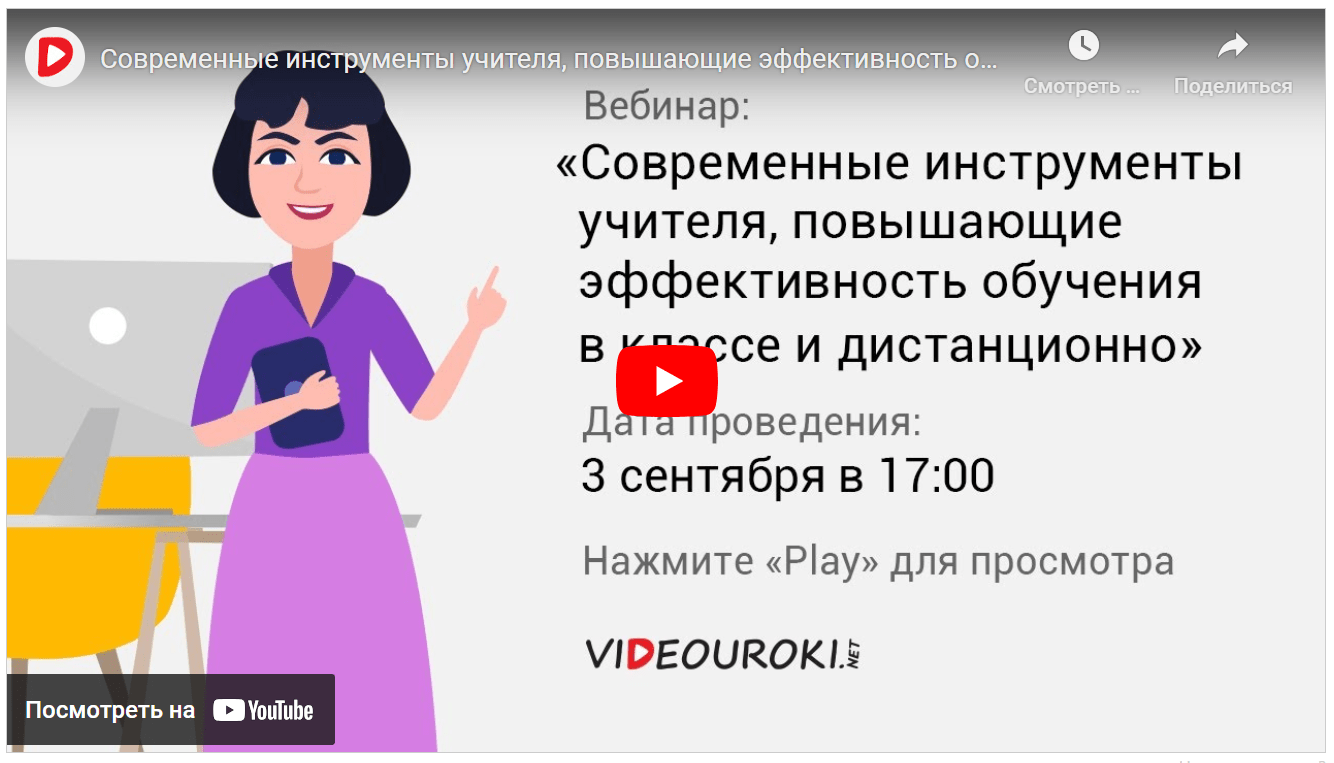
Свидетельство об участии БЕСПЛАТНО!