Россия, Чертково, Ростовская область

СДЕЛАЙТЕ СВОИ УРОКИ ЕЩЁ ЭФФЕКТИВНЕЕ, А ЖИЗНЬ СВОБОДНЕЕ
Благодаря готовым учебным материалам для работы в классе и дистанционно
Скидки до 50 % на комплекты
только до
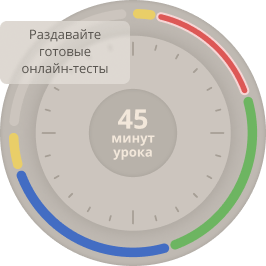
Готовые ключевые этапы урока всегда будут у вас под рукой
Организационный момент
Проверка знаний
Объяснение материала
Закрепление изученного
Итоги урока
Была в сети 12.11.2025 20:10

Рыбинцова Татьяна Николаевна
учитель английского языка, заместитель директора по УВР
49 лет
 25 104
 1 267
1 267 
Местоположение
Специализация
What makes a speaking activity successful

Несколько советов по организации устной речи на уроке английского языка от экспертов Британского Совета.
- Choose the right topic A bit obvious this one! Of course learners will be more motivated to participate in an activity which they are interested in and which relates to their lives or experience.
- Be specific Speaking activities with a clear communicative goal work best. For example, ‘Tell your partner what you did at the weekend and find one thing you have in common’ gives learners a specific task and an end goal so that they know when they have achieved it. Vague activities like ‘Talk about things you like’ can leave learners wondering what a teacher wants.
- Give support and preparation time Sometimes, a speaking activity falls flat because learners simply don’t feel ready to speak. Make sure they have the language they need and give them a bit of time to prepare. This could be time to read instructions for a role play for example. Making notes can help, but writing a speech interferes with fluency.
- Allow learners to work together If learners talk in pairs or groups, they get much more speaking practice than when you are asking questions to one learner at a time. You could demonstrate the speaking activity with a strong learner first, to make sure that learners are clear about what you want them to do.
- Provide a clear purpose Activities where learners have to exchange information in order to complete an activity provide a real reason for speaking. These are sometimes known as ‘information gap’ activities. This could be a simple question and answer activity, or something more complex like a group activity where learners have different information which they have to share in order to solve a puzzle.
https://www.futurelearn.com/courses/english-language-teaching-learning/2/steps/153474
17.04.2017 18:52
Комплекты видеоуроков для учителей






© 2017, Рыбинцова Татьяна Николаевна 517
Вебинар для учителей

Свидетельство об участии БЕСПЛАТНО!