Россия, Тамбов


СДЕЛАЙТЕ СВОИ УРОКИ ЕЩЁ ЭФФЕКТИВНЕЕ, А ЖИЗНЬ СВОБОДНЕЕ
Благодаря готовым учебным материалам для работы в классе и дистанционно
Скидки до 50 % на комплекты
только до
Готовые ключевые этапы урока всегда будут у вас под рукой
Организационный момент
Проверка знаний
Объяснение материала
Закрепление изученного
Итоги урока

Была в сети 25.11.2025 14:24

Бородулина Ольга Евгеньевна
Учитель английского языка
35 лет
 1 543
1 543
 45 081
Местоположение
Специализация
Food and drinks
Категория:
Английский язык
10.03.2021 00:37

Просмотр содержимого документа
«Food and drinks»
Open lesson
Plan
| Long-term plan unit: Unit 7: Food and drinks | School: | ||||||||||||||||||||
| Date: | Teacher name: | ||||||||||||||||||||
| CLASS: | Number present: | absent: | |||||||||||||||||||
| Theme of the lesson: Things I Like… |
| ||||||||||||||||||||
| Learning objectives(s) that this lesson is contributing to | 1.S2 begin to use intonation to signal questions in basic exchanges 1.S3 pronounce familiar words and expressions intelligibly 1.S5 use words in short exchanges 1.R1 recognise sound and name the letters of the alphabet 1.UE9 use common present simple forms [positive, negative and question] to give basic personal information 1.UE1 use common singular and plural nouns to say | ||||||||||||||||||||
| Lesson objectives | All learners will be able to: listen and repeat the words, follow the instruction according to the task Say about food preferences about what they like or dislike Most learners will be able to: recognise and name some words according to the topic, follow the instruction according to the task to ask and answer questions Some learners will be able to: Distinguish the difference between the use of a noun in the singular and plural with verbs Read and write some of the words from the topic | ||||||||||||||||||||
| Success criteria | Pupils will have succeeded in this class if they can: Name types of food in singular and plural forms Say what kind of food he or she likes and dislikes Use structure Do you like…? And respond on a question; Read some word from the topic
| ||||||||||||||||||||
| Cross curricular links | Kazakh language and literature, Russian language and literature (naming things in Kazakh, Russian and English) | ||||||||||||||||||||
| ICT skills | PPT -By teacher, interactive websites | ||||||||||||||||||||
| Previous learning |
| ||||||||||||||||||||
| Plan | |||||||||||||||||||||
| Planned timings | Planned activities (replace the notes below with your planned activities) | Resources | |||||||||||||||||||
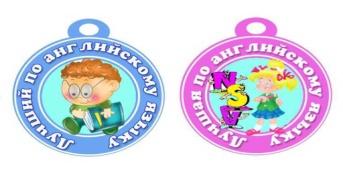
| 5- min | Get students ready to the class by greeting them, asking questions about their feelings. Hello! How are you today? Warm up activity Teacher divides pupils into two groups, children should draw out food cards and share on fruits and vegetables Pupil should name own card of the food in Kazakh & Russian languages Tell the children about the purpose of the lesson and about the criteria for success. Offers to guess the theme of the lesson from the pictures that they already have Active pupils receive one smiley at the end of the lesson who will have more smiley, we will award him and her medal! The best in English
| | |||||||||||||||||||
| Beginning 3-5 min
5- 7 min
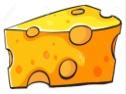
3 min | Success criteria: Name topic words Teacher has two kinds of pictures one with food another with an inscription of food so that they can read (milk, cheese, eggs, juice, chicken, apples, bananas, pears, onions, carrots, tomatoes ) Put up the cards of the foods and point to each item, one at time and present them. The pupils repeat chorally and individually. Then point to each item in random order. Ask pupils to say the words. Explain to pupils that adding the ending “s” to the noun makes it plural Examle: A banana – two bananas, a carrot – ten carrots … etc.
Success criteria: Say what kind of food he or she likes and dislikes Show the children two different smileys on the reaction “I like” and “do not like”
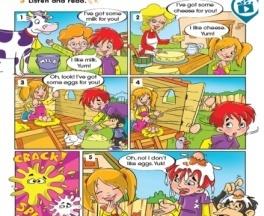
After point to the milk. Then rub your tummy, say and write: I like milk. Yum! The pupils repeat after me. Point to another food item, make a face and say: I don’t like (bananas) Yuk! Ask individual pupils to make similar sentences about the food items they have learnt in this lesson Sing the I like milk song! (song from the smiles CD) I like milk I like cheese! I like bananas, And bananas like me! Cheese and milk, Milk and cheese, And bananas Nana-nana-nana-na Success criteria: Use structure Do you like…? And respond on a question; SONG. Do you like …? Listen to the song and repeat the gestures teacher shows. Then sing and dance the song together. Point to another food item teacher asks questions Do you like… (apples)? and pupils answer the question at their discretion | Smiles books and cards board, marker Video of pupil’s book/Module 5. My Food https://www.youtube.com/watch?v=frN3nvhIHUk PPT slides & cards | |||||||||||||||||||
| 3-5 min | Success criteria: Read some word from the topic Teacher shows examples about the letters then learners should guess themselves other food names according to the letter
| PPT slides & cards | |||||||||||||||||||
| 3-5 min | Activities: Invite 4 weak students to the board and ask them to divide the pictures into foods, drinks, fruits and vegetables and hang them on the board, after invite strong students, they also be divided into 4 groups but they should attach the written words to the previously attached cards with pictures of food The strongest invite to read the text by roles | cards pupils book | |||||||||||||||||||
| 10 min | Speaking (FA) Distribute cards to the pupils with food and put the children in a circle, pupils ask questions to each other For example: Do you like….? Yes, I do. it’s yummy Do you like ….? No, I don’t. it is yucky! | | |||||||||||||||||||
| End 3 -5 minutes | FEEDBACK (Cut pictures and give to pupils) If you understand everything and you liked the lesson color the picture in green If you all understand but you have questions to, color the picture in yellow A
| Templates from the smiles CD | |||||||||||||||||||
| Additional information | |||||||||||||||||||||
| Differentiation – struggling learners will be given more prompts to help them speak. More able learners will be encouraged to make their speaking more complex. | Assessment - by the teacher, self assessment may be done by the students as the teacher asks questions about what they have learnt when they draw and do crafting. Also the result of the flower will show which words they remember | Health and safety check ICT links | |||||||||||||||||||
| More support will be given to weaker learners by giving them a modified worksheets in some tasks with greater support | through questioning through observation of playing through formative task | Breaks and physical activities used. Points from safety rules used at this lesson. Videos | |||||||||||||||||||
| Use the space below to reflect on your lesson. Answer the most relevant questions from the box on the left about your lesson. | |||||||||||||||||||||
| Reflection Were the lesson objectives/learning objectives realistic? What did the learners learn today? What was the learning atmosphere like? Did my planned differentiation work well? Did I stick to timings? What changes did I make from my plan and why? | The objectives of the lesson were realistic They have learned new words through the use of gaming techniques. Pupils were able to use new words and phrases in their speeches and talk about their preferences Differentiated approach to teaching was manifested in group work, where less speaking children repeated the words on the sample. These children were not emphasized, were not corrected and after many repetitions, and less able learners could say new words independently Time in the classroom was observed, although kids like to play a little longer, Changes in the lesson plan were not made. | ||||||||||||||||||||
| Summary evaluation What two things went really well (consider both teaching and learning)? 1: Playing What two things would have improved the lesson (consider both teaching and learning)? 1: Assessment 2: Integration What have I learned from this lesson about the class or individuals that will inform my next lesson? Visual objects help children to remember new words very well and the gaming technique helps to consolidate what has been covered and shows the children's interest in the lesson | |||||||||||||||||||||
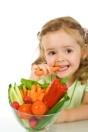




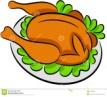 Chicken
 Cheese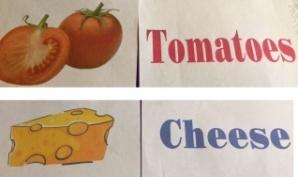


 nd if you do not understand anything at all, color the picture in red
Now, please, listen to me. What is my favourite food? Вы поняли вопрос? Пожалуйста, переведите. - Какая моя любимая еда? Чтоб ответить на этот вопрос нужно сказать Your favourite food is bananas. А сейчас послушайте загадки и вы узнаете ответ на этот вопрос.
_Знают дети, обезьяна любит фрукт, что звать…(banana)
_Запах чудесный, нельзя ошибиться, это ж друзья, итальянская ….(pizza)
_Скорлупа бела, как снег, нам снесла наседка …(egg)
_Всех фотографов каприз, нам сказать всем слово…(cheese)
_От жары сейчас сгорим, ох, подайте нам…(ice-cream)
_Ростом я своим горжусь, с детства пью томатный …(juice).
Now, look at the blackboard. Show me, what I like. What is my favourite food? (вызывать детей к доске по одному, 6 человек, они на доске передвигают продукты в сторону моей корзины и говорят Your favourite food is…..
One, one, one – we all run
Two, two, two – touch your shoe.
Three, three, three – Climb on the tree.
Four, four, four – Touch the floor.
Five, fie, five – we all fly.
Вебинар для учителей

Свидетельство об участии БЕСПЛАТНО!