Kazakhstan, Kostanay

СДЕЛАЙТЕ СВОИ УРОКИ ЕЩЁ ЭФФЕКТИВНЕЕ, А ЖИЗНЬ СВОБОДНЕЕ
Благодаря готовым учебным материалам для работы в классе и дистанционно
Скидки до 50 % на комплекты
только до
Готовые ключевые этапы урока всегда будут у вас под рукой
Организационный момент
Проверка знаний
Объяснение материала
Закрепление изученного
Итоги урока
Была в сети 13.10.2025 10:01

Kabulova Zhanar Shokanovna
Teacher of foreign languages
28 лет
 873
873
 74 049
Местоположение
Специализация
Glossary - Project Based Learning
Категория:
Английский язык
04.03.2018 18:17

Просмотр содержимого документа
«Glossary - Project Based Learning»

- Glossary

#
- 21st Century skills—Skills necessary for all children to succeed as citizens and workers in this century. These skills such as collaboration and teamwork, creativity and imagination, critical thinking, problem solving, digital literacy and citizenship are building blocks for learning.
Cc
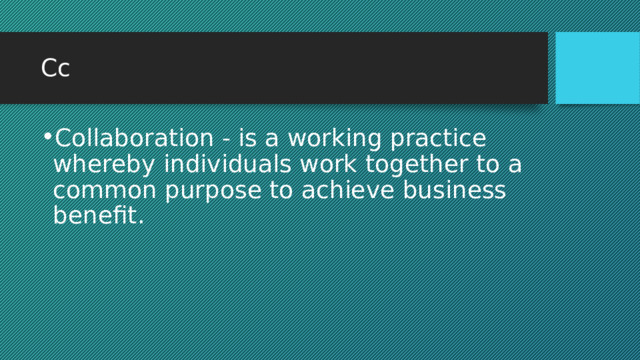
- Collaboration - is a working practice whereby individuals work together to a common purpose to achieve business benefit.

- Creativity is the act of turning new and imaginative ideas into reality.
- Critical thinking is the ability to think clearly and rationally about what to do or what to believe

Dd
- Digital literacy—The ability to use digital technology, communication tools or networks to locate, evaluate, use and create information; The ability to understand and use information in multiple formats from a wide range of sources when it is presented via computers; A person's ability to perform tasks effectively in a digital environment.

- Digital citizenship—The norms of appropriate and responsible behavior with regard to technology use.

- Driving Question-lies at the heart of a subject and promote the asking of more questions to uncover more about the subject.(Essential article-John Larmer)

Ee
- Essential question- is greater than the task at hand and is open-ended and will pose a problem or situation.

- Entry Event - the “big event” that gets students excited about an upcoming project.

- Echo-the Learning Management System used by New Tech Network schools.

Ii
- Informal learning—It is acquiring new knowledge through observation and personal experiences. Learning that is typically without the direct reliance on a teacher or an externally-organized curriculum; or, if a teacher is involved, the learning is incidental or spontaneous.

- In-depth Inquiry-Students are engaged in an extended, rigorous process of asking questions, using resources, and developing answers.

Ll
- Level of complexity-makes a project intriguing, complex, problematic. Standard classroom assignments and homework pose that students must answer. Requires multiple activities and synthesis of different types of information before it can be answered.
- Level of coherence- brings coherence to disparate project activity and serves as a “light house” that promotes students’ interest. Directs students toward the project’s goal and objectives aand delivers the targeted learning outcomes.
- Level of Authenticity- should address authentic concerns and teacher creating the essential questions should first ask himself\herself.
Nn
- Norms - mutually agreed upon standards for interaction, outlining how group members should treat each other. Sometimes called agreements.
Pp
- Product-The results of the work of the project. Many project based learning experiences result in a culminating product that is presented publicly for an audience that includes at least some persons not in the students’ regular learning group.
- Project-all the things students will do in order to learn the standards encompassed by the Driving Question.
- Project- is he development of confidence in using English in the real world , the world outside the classroom.
- Project Based Learning - a theory of learning that promotes students learning by doing in order to answer a complex question.
- PBL is an instrustional approach built upon learning activities and real tasks that have brought challenges for students to solve,(Educational Psychology-Brandon Goodman)
- Pbl is a model for classroom activity that shifts away from the usual classroom practices of short , isolated, teacher-centered lessons.
- PBL is a model that organizes learning around projects(A review of research – John W, Thomas)

- Problem-based learning—Student-centered pedagogy in which students learn about a subject through the experience of solving an open-ended problem.

Tt
- The checklist should be used to ensure a good essential questions are developed.

- Trinity of PBL is context+skills+personal strengths
Vv
- Voice and Choice - students are allowed to make some choices about the products to be created, how they work, and how they use their time, guided by the teacher and depending on age level and PBL experience.
- Thanks for your attention!!!



Вебинар для учителей
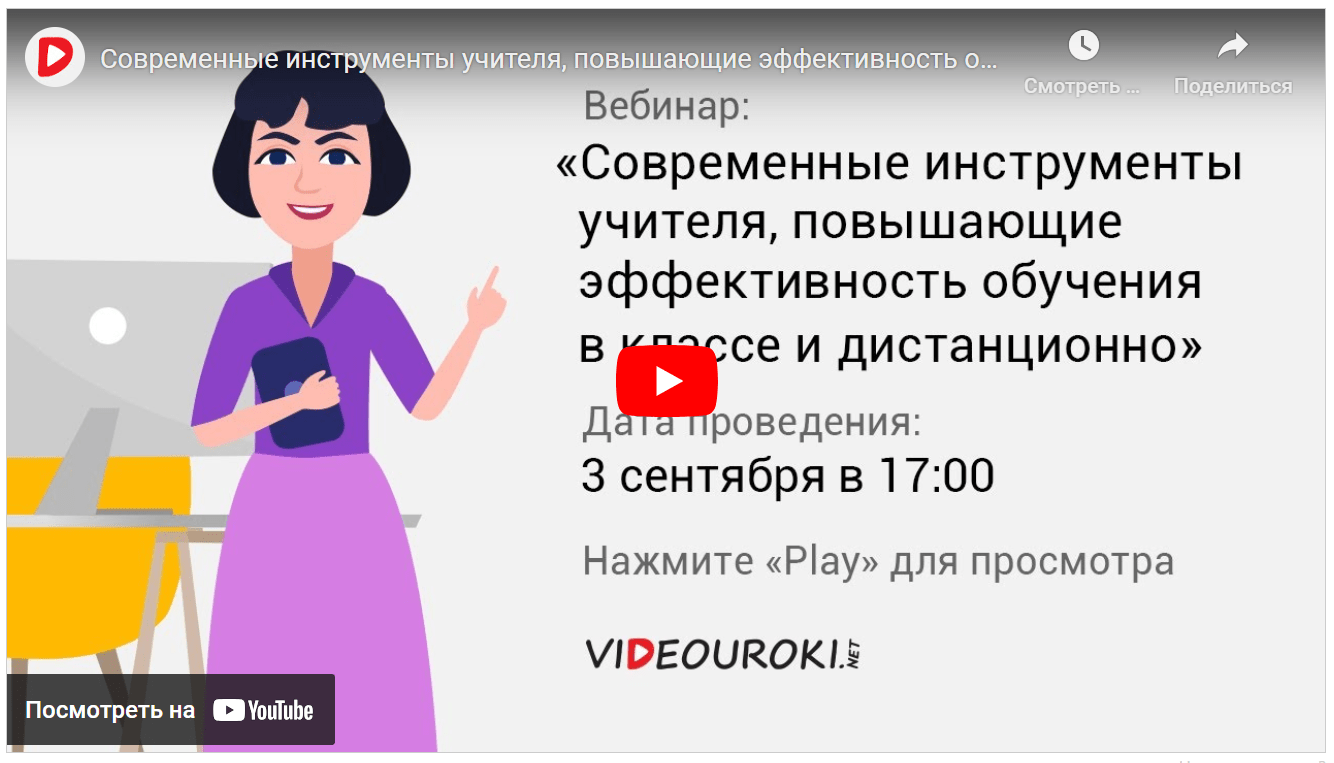
Свидетельство об участии БЕСПЛАТНО!