Казахстан, Актау


СДЕЛАЙТЕ СВОИ УРОКИ ЕЩЁ ЭФФЕКТИВНЕЕ, А ЖИЗНЬ СВОБОДНЕЕ
Благодаря готовым учебным материалам для работы в классе и дистанционно
Скидки до 50 % на комплекты
только до
Готовые ключевые этапы урока всегда будут у вас под рукой
Организационный момент
Проверка знаний
Объяснение материала
Закрепление изученного
Итоги урока

Была в сети 04.01.2018 09:30

Тажигулова Нургуль Максутовна
Учитель
41 год
 1 224
1 224
 55 613
Местоположение
Open lesson for the grade 5 theme: "Music"
Категория:
Английский язык
04.01.2018 09:21

Просмотр содержимого документа
«Open lesson for the grade 5 theme: "Music"»
| Unit of a long term plan: 3 musical instruments and types of music | School: № 21
| |||||||||||||||||||||||||||||||
| Date: | Teachers name: Tazhigulova Nurgul | |||||||||||||||||||||||||||||||
| Class: 5 | Number present: 12 | Absent: 0 | ||||||||||||||||||||||||||||||
| Lesson title: Music |
| |||||||||||||||||||||||||||||||
| Learning objectives that this lesson is contributing to (link to the Subject programme) | 5. S3 give an opinion at sentence level on limited range of general and curricular topics 5.W3 write with support factual descriptions at text level which describe people, places and objects 5.UE1 use appropriate countable and uncountable nouns, including common noun phrases describing times and location, on a limited range of familiar general and curricular topics | |||||||||||||||||||||||||||||||
| Lesson objectives | All learners will be able to:
Most learners will be able to:
Some learners will be able to:
| |||||||||||||||||||||||||||||||
| Language objectives | Topical Vocabulary: piano, synthesizer, harp, accordion, acoustic guitar, violin, drums, bass guitar, electric guitar, cello, rock, jazz, classical, ethnic, heavy metal, disco, pop Useful classroom language for dialogue/writing: Discussion points: What types of musical instrument do you know? What is your favorite kind of music? | |||||||||||||||||||||||||||||||
| Assessment criteria |
| |||||||||||||||||||||||||||||||
| Value links | Appreciate art | |||||||||||||||||||||||||||||||
| Level of thinking skills | High level of thinking | |||||||||||||||||||||||||||||||
| Cross curricular links | Music, Kazakh | |||||||||||||||||||||||||||||||
| ICT skills | PPT | |||||||||||||||||||||||||||||||
| Previous learning (1 min) | Past Simple was/were John was at school yesterday. The books were on the floor. We were at the library last week
| |||||||||||||||||||||||||||||||
| Plan |
| |||||||||||||||||||||||||||||||
| Planned timings | Planned activities (replace the notes below with your planned activities) | Resources | ||||||||||||||||||||||||||||||
 Start (12 min) | I. Organization moment. - Teacher greets with the learners and checks their attendance. II. Divided pupils into two groups by numbers “one”, “two” 1st group – 1 2nd group – 2 III. Explain new theme: Warm up: “ Brainstorming” strategy (WW) Pupils watch the pictures and say what are they? -What types of musical instruments do you know? -What is it? -How do you think why we use it? New words :
IV. To introduce musical instruments by mnemonics. Strategy “ Pictionary” (WW) Every learners must show any musical instrument and guess it V. Listen and match the types of music to the musical instruments in the pictures Strategy “Name that tune”(WW) rock A classical C folk E disco G jazz B ethnic D heavy metal F pop H
VI. Listen and match the types of music to the musical instruments in the pictures Strategy “Name that tune”(WW) Every group’s learner must learn by heart every word from the text which stays on the wall and tells to own writer. How do you memorize?
Cellopianoclassicalpenblackboarddiscojazzcopybookbassguitarviolinnotebookdrumsharpsynthesiser
Cellopianoclassicalpenblackboarddiscojazzcopybookbassguitarviolinnotebookdrumsharpsynthesiser Descriptor: A learner
| Pictures Active board
Cards, Mnemonics
CD Pictures | ||||||||||||||||||||||||||||||
| Middle 22 |
Grammar (WW) I. Find whether these nouns are countable (C) or uncountable (U) The children are playing in the garden. I don't like milk. I prefer tea. My mother uses butter to prepare cakes. There are a lot of windows in our classroom. We need some glue to fix this vase. My father drinks two big glasses of water every morning. The bread my mother prepares is delicious. I'd like some juice please! The exercises on this website are interesting
Descriptor: A Learner . choses the right answers
II. Collect information about your favourite kind of music. Present it to class. You can use the name of your favourite kind of music as the key word. (GW) My favorite music is hip-hop . Hip-hop makes me want to dance, move, sing, and have a good time. My favorite music is classical. I like it because the lyrics are smooth and musical in their own way.The music makes me want to get up and sing. Trust me. The music could make me go to sleep or wake you up. The music is great for your soul and mind.
Descriptor: A Learner
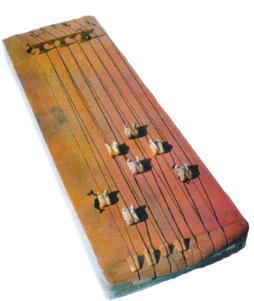
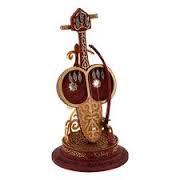
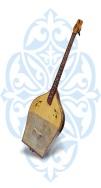
III. In groups create a poster showing traditional musical instruments from your country (GW) Note! In Kazakhstan some popular musical instruments are:
Zhetygen Kobyz Sherter Descriptor:
|
Britishcouncil.com
Video
Cards
Student’s book | ||||||||||||||||||||||||||||||
| End (8 min)
| I. Sinquain method(rhyming word) (GW) 1.Noun : synthesiser 2. Adjectives: black and white. 3.Verbs: play, dance, sing 4.Phrase: Music helps me happy! 5.Synonym: sound II. Giving homework: III. Feedback: The tree of knowledge . 1.What I have learnt … 2.What task I am interested in… 3.What task was difficult for me…
| sticks | ||||||||||||||||||||||||||||||
| Additional information | Grammar: Countable and uncountable nouns | | ||||||||||||||||||||||||||||||
| Differentiation – how do you plan to give more support? How do you plan to challenge the more able learners? | Assessment-how are you planning to check learners learning? Movement around the room This can be adapted in many contexts: 1) each corner of the room could represent ‘strongly agree’, ‘agree’, ‘disagree’,‘strongly disagree’. 2) stand by the image that best matches your viewpoint. 3) stand by the correct example/definition. | Check learners’ knowledge about theme | ||||||||||||||||||||||||||||||
| To give different interesting tasks, to teach the pupils to think logically using their fantasy and creativity. | Criteria – based assessment.
“5” Students were able to ask and answer the questions used vocabulary made sentences and for good reading and translating. “4”The students made more errors in pronounciation , made some mistakes in two tasks. 3” The students made more errors in pronounciation, made more the 6-7 mistakes in each tasks. “2”made more than 8 errors in each tasks.
| Friendly atmosphere in class.
| ||||||||||||||||||||||||||||||
| Reflection Where the lesson objectives/learning objectives realistic? Did all the learners achieve the lesson objectives /learning objectives? Did my planned differentiation work well? Did I stick to timings? What changes did I make from my plan and why? |
1.The lesson objectives were realistic for the children 5th form. 2.All the learners achieve the lesson/learning objectives. 3.We did a lot of exercises. The lesson was very interesting because it was model lesson. I sticked to timings. 4.I change sinquain strategy because it was difficult for children but I stick to timings, and did this task.
| | ||||||||||||||||||||||||||||||
| Summary evaluation What two things went really well (consider both teaching and learning)? What two things would have improved the lesson (consider both teaching and learning)? What have I learned from this lesson about the about the class or individuals that will inform in my next lesson? | 1.Presentation new words with pictures and check with the method “mnemonics”. 2.Match the nouns with the pictures and make sentences. 1.Speak about their favourite music. 2.Make more sentences. 1.Giving individual tasks according to the levels of students knowledge. | | ||||||||||||||||||||||||||||||
Вебинар для учителей

Свидетельство об участии БЕСПЛАТНО!