

Казахстан, Кокшетау

СДЕЛАЙТЕ СВОИ УРОКИ ЕЩЁ ЭФФЕКТИВНЕЕ, А ЖИЗНЬ СВОБОДНЕЕ
Благодаря готовым учебным материалам для работы в классе и дистанционно
Скидки до 50 % на комплекты
только до
Готовые ключевые этапы урока всегда будут у вас под рукой
Организационный момент
Проверка знаний
Объяснение материала
Закрепление изученного
Итоги урока
Была в сети 13.12.2020 15:56

Карабаева Кунсулу Ерназаровна
учитель английского языка
35 лет
 104
104
 218 989
Местоположение
Present Perfect Simple Tense
Категория:
Английский язык
13.12.2020 14:28

Просмотр содержимого документа
«Present Perfect Simple Tense»


REVISION TASK A learner: matches the pictures with the words

Present Perfect Simple Tense

Lesson objectives students will be able to: - identify the meaning of the Present Perfect - use Present Perfect Tense when describing actions Assessment criteria: - determine the meaning of the Present Perfect - use Present Perfect in the sentences and in their speech
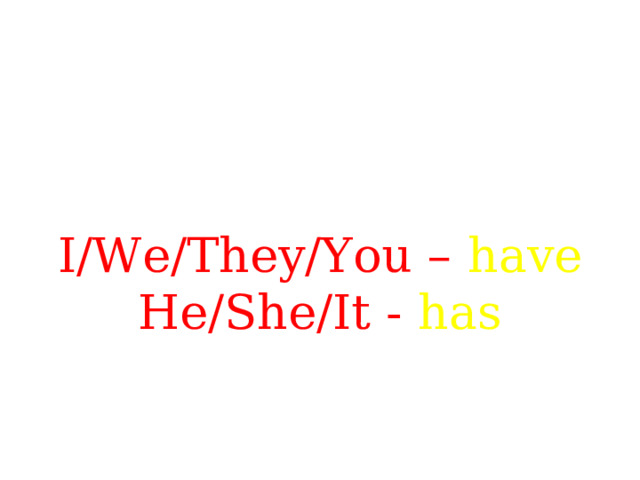
Structure: subject+have/has+verb3+object I/We/They/You – have He/She/It - has

Present perfect simple generally describes past events which are connected to the present. There is a number of different meanings

Present Perfect қазіргі шақтың бір түрін белгілейді. Бұл шақ мына екі жағдайда қолданылады: 1) казіргі мезетке дейін аяқталған іс-әрекеттер болғанда, мысалы I have played - мен ойнадым; 2) не казіргі уақыт аралығын қамтыған период ішінде аяқталған оқиғаларға, мысалы I have finished reading “Hamlet” this week, мен "Гамлет" кітабін осы аптада оқып шықтым. Қашан? Осы аптада, апта бітті ме? Жоқ!
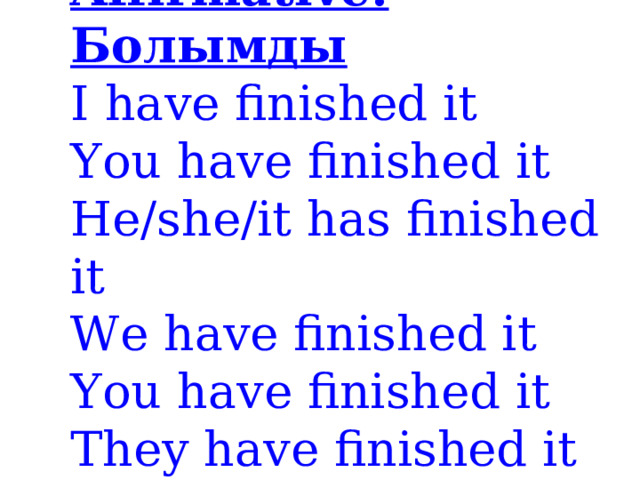
Affirmative: Болымды I have finished it You have finished it He/she/it has finished it We have finished it You have finished it They have finished it

Negative: Болымсыз I have not finished it You have not finished it He/she/it has not finished it We have not finished it You have not finished it They have not finished it

Interrogative: Сұраулы Have I finished it? Have you finished it? Has he/she/it finished it? Have we finished it? Have you finished it? Have they finished it?

An event in the past but without a definite time. I have broken my pencil We don’t know exactly when this happened and the pencil is still broken.

They have lived in Istanbul for two years.

Explaining present situations. An exact time is not mentioned Why are you walking like that? I have hurt my foot

I have broken my foot
Time Expressions

Yet&Already We use yet in negative and question sentences. We use already in positive sentences.

I haven’t finished my work yet.

My cat has already finished his food.

Just We use just when we describe a very recent event.

I have just received a letter from my mother.

Exercises

Level Tasks
Level ‘A’
Level ‘B’
Make up the sentences in the affirmative, negative and interrogative forms
Level ‘C’
Put the verb in the correct form.
I ……. (finish) my homework.
He …. (eat) his dinner.
Choose the correct form of the Present Perfect in the sentence.
John has lived/have lived in New York.
Has/Have she made puddings?


Let’s check your answers
Level ‘A’Let
Level ‘B’
Make up the sentences in the affirmative, negative and interrogative forms
My mother has cooked the dinner.
My mother hasn’t cooked the dinner.
Has my mother cooked the dinner?
Level ‘C’
Put the verb in the correct form.
I have finished my homework.
He has eaten his dinner.
Choose the correct form of the Present Perfect in the sentence.
John has lived in New York.
Has she made puddings?

Describe the pictures using the verbs (Present Perfect + just,yet,already) plant, read, build, buy, eat

We have already planted the tree.

I have just bought a car.

She hasn’t read the book yet.

We have already built a big house.
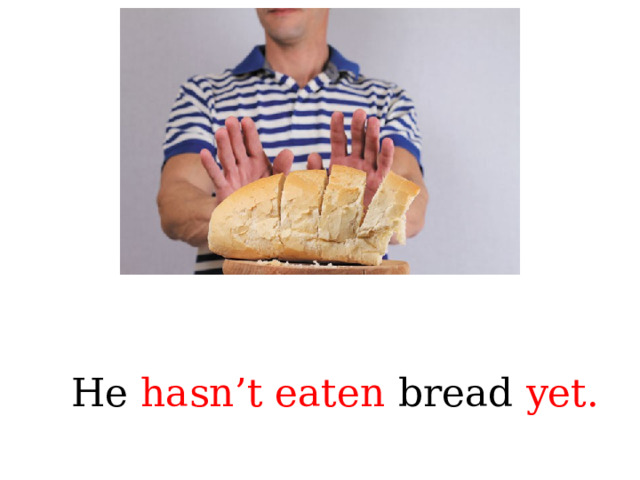
He hasn’t eaten bread yet.
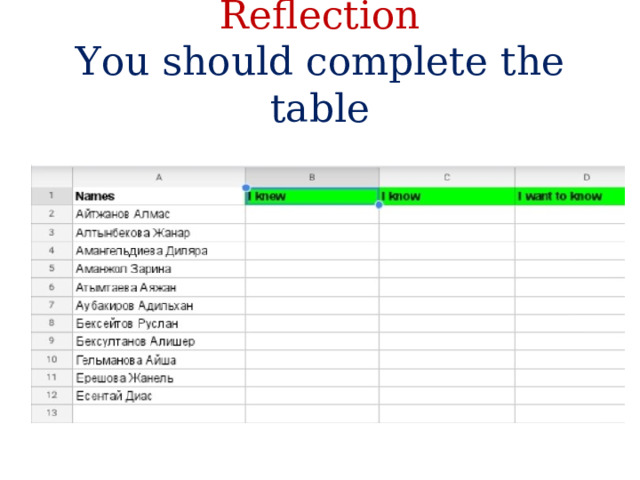
Reflection You should complete the table

Reflection You should complete the table

The End

Вебинар для учителей

Свидетельство об участии БЕСПЛАТНО!



