СДЕЛАЙТЕ СВОИ УРОКИ ЕЩЁ ЭФФЕКТИВНЕЕ, А ЖИЗНЬ СВОБОДНЕЕ

Благодаря готовым учебным материалам для работы в классе и дистанционно

Скидки до 50 % на комплекты
только до

Готовые ключевые этапы урока всегда будут у вас под рукой

Организационный момент

Проверка знаний

Объяснение материала

Закрепление изученного

Итоги урока

Работы учащихся 11 класса

Нажмите, чтобы узнать подробности

Содержит эссе, презентации и научные работы учеников.

Просмотр содержимого документа
«1Environmental Problems (Горбунов Никита)»

The Ministry of Education & Science of the Russian Federation


Scientific work

Theme: The Current Environmental Problems.


Fulfilled by:
Student of the 11th grade
secondary school №23

Gorbunov Nikita

Checked by:
English teacher
Rasulova N.A

Dimitrovgrad, 2017


Introduction

Environmental Problems

Our environment is constantly changing. There is no denying of that. However, as our environment changes, so does the need to become increasingly aware of the problems that surround it. With a massive influx of natural disasters, warming and cooling periods, different types of weather patterns and much more, we need to be aware of what types of environmental problems our planet is facing.

Global warming has become an undisputed fact about our current livelihoods; our planet is warming up and we are definitely part of the problem. However, this isn’t the only environmental problem that we should be concerned about. All across the world, people are facing a wealth of new and challenging environmental problems every day. Some of them are small and only affect a few ecosystems, but others are drastically changing the landscape of what we already know.

Environment

The natural environment encompasses all living and non-living things occurring naturally. The term is most often applied to the Earth or some part of Earth. This environment encompasses the interaction of all living species, climate, weather, and natural resources that affect human survival and economic activity. The concept of the natural environment can be distinguished by components:

  • Complete ecological units that function as natural systems without massive civilized human intervention, including all vegetation, microorganisms, soil, rocks, atmosphere, and natural phenomena that occur within their boundaries and their nature

  • Universal natural resources and physical phenomena that lack clear-cut boundaries, such as air, water, and climate, as well as energy, radiation, electric charge, and magnetism, not originating from civilized human activity

Environment is researched by ecology

Ecology (from Greek: οἶκος, "house", or "environment"; -λογία, "study of"[ ) is the scientific analysis and study of interactions among organisms and their environment. It is an interdisciplinary field that includes biology, geography, and Earth science. Ecology includes the study of interactions organisms have with each other, other organisms, and with abiotic components of their environment. Topics of interest to ecologists include the diversity, distribution, amount (biomass), and number (population) of particular organisms, as well as cooperation and competition between organisms, both within and among ecosystems. Ecosystems are composed of dynamically interacting parts including organisms, the communities they make up, and the non-living components of their environment. Ecosystem processes, such as primary production, pathogenesis, nutrient cycling, and various niche construction activities, regulate the flux of energy and matter through an environment. These processes are sustained by organisms with specific life history traits, and the variety of organisms is called biodiversity. Biodiversity, which refers to the varieties of species, genes, and ecosystems, enhances certain ecosystem services.

Ecology is not synonymous with environment, environmentalism, natural history, or environmental science. It is closely related to evolutionary biology, genetics, and ethology. An important focus for ecologists is to improve the understanding of how biodiversity affects ecological function. Ecologists seek to explain:

  • Life processes, interactions, and adaptations

  • The movement of materials and energy through living communities

  • The successful development of ecosystems

  • The abundance and distribution of organisms and biodiversity in the context of the environment.

Ecology is a human science as well. There are many practical applications of ecology in conservation biology, wetland management, natural resource management (agroecology, agriculture, forestry, agroforestry, fisheries), city planning (urban ecology), community health, economics, basic and applied science, and human social interaction (human ecology). For example, the Circles of Sustainability approach treats ecology as more than the environment 'out there'. It is not treated as separate from humans. Organisms (including humans) and resources compose ecosystems which, in turn, maintain biophysical feedback mechanisms that moderate processes acting on living (biotic) and non-living (abiotic) components of the planet. Ecosystems sustain life-supporting functions and produce natural capital like biomass production (food, fuel, fiber, and medicine), the regulation of climate, global biogeochemical cycles, water filtration, soil formation, erosion control, flood protection, and many other natural features of scientific, historical, economic, or intrinsic value.

The word "ecology" ("Ökologie") was coined in 1866 by the German scientist Ernst Haeckel (1834–1919). Ecological thought is derivative of established currents in philosophy, particularly from ethics and politics. Ancient Greek philosophers such as Hippocrates and Aristotle laid the foundations of ecology in their studies on natural history. Modern ecology became a much more rigorous science in the late 19th century. Evolutionary concepts relating to adaptation and natural selection became the cornerstones of modern ecological theory.Environmental issues are harmful effects of human activity on the biophysical environment. Environmental protection is a practice of protecting the natural environment on individual, organizational or governmental levels, for the benefit of both the environment and humans. Environmentalism, a social and environmental movement, addresses environmental issues through advocacy, education and activism.

The carbon dioxide equivalent of greenhouse gases (GHG) in the atmosphere has already exceeded 400 parts per million (NOAA) (with total "long-term" GHG exceeding 455 parts per million). (Intergovernmental Panel on Climate Change Report) This level is considered a tipping point. "The amount of greenhouse gas in the atmosphere is already above the threshold that can potentially cause dangerous climate change. We are already at risk of many areas of pollution...It's not next year or next decade, it's now." Report from the UN Office for the Coordination of Humanitarian Affairs (OCHA):

"Climate disasters are on the rise. Around 70 percent of disasters are now climate related – up from around 50 percent from two decades ago.

These disasters take a heavier human toll and come with a higher price tag. In the last decade, 2.4 billion people were affected by climate related disasters, compared to 1.7 billion in the previous decade. The cost of responding to disasters has risen tenfold between 1992 and 2008. Destructive sudden heavy rains, intense tropical storms, repeated flooding and droughts are likely to increase, as will the vulnerability of local communities in the absence of strong concerted action." "Climate change is not just a distant future threat. It is the main driver behind rising humanitarian needs and we are seeing its impact. The number of people affected and the damages inflicted by extreme weather have been unprecedented."

Environment destruction caused by humans is a global problem, and this is a problem that is going on every day. By year 2050, the global human population is expected to grow by 2 billion people, thereby reaching a level of 9.6 billion people (Living Blue Planet 24). The human effects on Earth can be seen in many different ways. A main one is the temperature rise, and according to the report ”Our Changing Climate”, the global warming that has been going on for the past 50 years is primarily due to human activities (Walsh, et al. 20). Since 1895, the U.S. average temperature has increased from 1.3 °F to 1.9 °F, with most of the increase taken place since around year 1970 (Walsh, et al. 20).

Our planet is poised at the brink of a severe environmental crisis. Current environmental problems make us vulnerable to disasters and tragedies, now and in the future. We are in a state of planetary emergency, with environmental problems piling up high around us. Unless we address the various issues prudently and seriously we are surely doomed for disaster. Current environmental problems require urgent attention.

15 Major Current Environmental Problems

1. Pollution: Pollution of air, water and soil require millions of years to recoup. Industry and motor vehicle exhaust are the number one pollutants. Heavy metals, nitrates and plastic are toxins responsible for pollution. While water pollution is caused by oil spill, acid rain, urban runoff; air pollution is caused by various gases and toxins released by industries and factories and combustion of fossil fuels; soil pollution is majorly caused by industrial waste that deprives soil from essential nutrients.

2. Global Warming: Climate changes like global warming is the result of human practices like emission of Greenhouse gases. Global warming leads to rising temperatures of the oceans and the earth’ surface causing melting of polar ice caps, rise in sea levels and also unnatural patterns of precipitation such as flash floods, excessive snow or desertification.

3. Overpopulation: The population of the planet is reaching unsustainable levels as it faces shortage of resources like water, fuel and food. Population explosion in less developed and developing countries is straining the already scarce resources. Intensive agriculture practiced to produce food damages the environment through use of chemical fertilizer, pesticides and insecticides. Overpopulation is one of the crucial current environmental problems.

4. Natural Resource Depletion: Natural resource depletion is another crucial current environmental problem. Fossil fuel consumption results in emission of Greenhouse gases, which is responsible for global warming and climate change. Globally, people are taking efforts to shift to renewable sources of energy like solar, wind, biogas and geothermal energy. The cost of installing the infrastructure and maintaining these sources has plummeted in the recent years.


5. Waste Disposal: The over consumption of resources and creation of plastics are creating a global crisis of waste disposal. Developed countries are notorious for producing an excessive amount of waste or garbage and dumping their waste in the oceans and, less developed countries. Nuclear waste disposal has tremendous health hazards associated with it. Plastic, fast food, packaging and cheap electronic wastes threaten the well-being of humanity. Waste disposal is one of urgent current environmental problem.

6. Climate Change: Climate change is yet another environmental problem that has surfaced in last couple of decades. It occurs due to rise in global warming which occurs due to increase in temperature of atmosphere by burning of fossil fuels and release of harmful gases by industries. Climate change has various harmful effects but not limited to melting of polar ice, change in seasons, occurrence of new diseases, frequent occurrence of floods and change in overall weather scenario.

7. Loss of Biodiversity: Human activity is leading to the extinction of species and habitats and loss of bio-diversity. Eco systems, which took millions of years to perfect, are in danger when any species population is decimating. Balance of natural processes like pollination is crucial to the survival of the eco-system and human activity threatens the same. Another example is the destruction of coral reefs in the various oceans, which support the rich marine life.

8. Deforestation: Our forests are natural sinks of carbon dioxide and produce fresh oxygen as well as helps in regulating temperature and rainfall. At present forests cover 30% of the land but every year tree cover is lost amounting to the country of Panama due to growing population demand for more food, shelter and cloth. Deforestation simply means clearing of green cover and making that land available for residential, industrial or commercial purpose.


9. Ocean Acidification: It is a direct impact of excessive production of CO2. 25% of CO2 are produced by humans. The ocean acidity has increased by the last 250 years but by 2100, it may shoot up by 150%. The main impact is on shellfish and plankton in the same way as human osteoporosis.

10. Ozone Layer Depletion: The ozone layer is an invisible layer of protection around the planet that protects us from the sun’s harmful rays. Depletion of the crucial Ozone layer of the atmosphere is attributed to pollution caused by Chlorine and Bromide found in Chloro-floro carbons (CFC’s). Once these toxic gases reach the upper atmosphere, they cause a hole in the ozone layer, the biggest of which is above the Antarctic. The CFC’s are banned in many industries and consumer products. Ozone layer is valuable because it prevents harmful UV radiation from reaching the earth. This is one of the most important current environmental problems.

11. Acid Rain: Acid rain occurs due to the presence of certain pollutants in the atmosphere. Acid rain can be caused due to combustion of fossil fuels or erupting volcanoes or rotting vegetation which release sulfur dioxide and nitrogen oxides into the atmosphere. Acid rain is known as environmental problem that can have serious effect on human health, wildlife and aquatic species.

12. Water Pollution: Clean drinking water is becoming a rare commodity. Water is becoming an economic and political issue as the human population fights for this resource. One of the options suggested is using the process of desalinization. Industrial development is filling our rivers seas and oceans with toxic pollutants which are a major threat to human health.


13. Urban Sprawl: Urban sprawl refers to migration of population from high density urban areas to low density rural areas which results in spreading of city over more and more rural land. Urban sprawl results in land degradation, increased traffic, environmental issues and health issues. The ever growing demand of land displaces natural environment consisting of flora and fauna instead of being replaced.

14: Public Health Issues: The current environmental problems pose a lot of risk to health of humans, and animals. Dirty water is the biggest health risk of the world and poses threat to the quality of life and public health. Run-off to rivers carries along toxins, chemicals and disease carrying organisms. Pollutants cause respiratory disease like Asthma and cardiac-vascular problems. High temperatures encourage the spread of infectious diseases like Dengue.

15. Genetic Engineering: Genetic modification of food using biotechnology is called genetic engineering. Genetic modification of food results in increased toxins and diseases as genes from an allergic plant can transfer to target plant. Genetically modified crops can cause serious environmental problems as an engineered gene m the need for change in our daily lives and the movements of our government is growing. Because so many different factors come into play; voting, governmental issues, the desire to stick to routine, many people don’t consider that what they do will affect future generations. If humans continue moving forward in such a harmful way towards the future, then there will be no future to consider. Although it’s true that we cannot physically stop our ozone layer from thinning (and scientists are still having trouble figuring out what is causing it exactly,) there are still so many things we can do to try and put a dent in what we already know. By raising awareness in your local community and within your families about these issues, you can help contribute to a more environmentally conscious and friendly place for you to lifeway prove toxic to wildlife. Another drawback is that increased use of toxins to make insect resistant plant can cause resultant organisms to become resistant to antibiotics.


Conclusion: Environmental protection in my opinion is the most burning problem of today. Nature is something that cannot be constructed by a man. The worst of all today man constantly contributes to his own deadly crisis. We have got too many cars, too many factories, too much sewage and carbon dioxide, too little water and food deficiency- all that can be easily traced to too many people. It is not too late to forestall what could be drastic and irreversible changes in the environment and ensure that the world will be a healthy place for the present and future generations to live in. The poisoning of the world’s land, air and water is the fastest spreading disease of civilization. It probably produces fewer headlines than wars, earthquakes and floods, but it is potentially one of history’s greatest dangers to human life on Earth. Overpopulation, pollution and energy consumption have created such planet-wide problems as massive deforestation, ozone depletion, acid rains and the global warming. The seas are in danger. They are filled with poison: industrial and nuclear waste, chemical fertilizers and pesticides. People began to realize that environmental problems are very close. The problems of ecology have been given more attention in our country lately as the threat to mankind. The Earth is our home. We must take care of it for ourselves and to further generations.

Used sources:

https://en.wikipedia.org/

http://www.conserve-energy-future.com/


Просмотр содержимого документа
«Environmental Problems (Горбунов Никита)»

The Ministry of Education & Science of the Russian Federation


Scientific work

Theme: The Current Environmental Problems.


Fulfilled by:
Student of the 11th grade
secondary school №23

Gorbunov Nikita

Checked by:
English teacher
Rasulova N.A


Dimitrovgrad, 2017

Introduction Environmental Problems

Our environment is constantly changing. There is no denying of that. However, as our environment changes, so does the need to become increasingly aware of the problems that surround it. With a massive influx of natural disasters, warming and cooling periods, different types of weather patterns and much more, we need to be aware of what types of environmental problems our planet is facing.

Global warming has become an undisputed fact about our current livelihoods; our planet is warming up and we are definitely part of the problem. However, this isn’t the only environmental problem that we should be concerned about. All across the world, people are facing a wealth of new and challenging environmental problems every day. Some of them are small and only affect a few ecosystems, but others are drastically changing the landscape of what we already know.

Environment

The natural environment encompasses all living and non-living things occurring naturally. The term is most often applied to the Earth or some part of Earth. This environment encompasses the interaction of all living species, climate, weather, and natural resources that affect human survival and economic activity. The concept of the natural environment can be distinguished by components:

  • Complete ecological units that function as natural systems without massive civilized human intervention, including all vegetation, microorganisms, soil, rocks, atmosphere, and natural phenomena that occur within their boundaries and their nature

  • Universal natural resources and physical phenomena that lack clear-cut boundaries, such as air, water, and climate, as well as energy, radiation, electric charge, and magnetism, not originating from civilized human activity

Environment is researched by ecology

Ecology (from Greek: οἶκος, "house", or "environment"; -λογία, "study of"[ ) is the scientific analysis and study of interactions among organisms and their environment. It is an interdisciplinary field that includes biology, geography, and Earth science. Ecology includes the study of interactions organisms have with each other, other organisms, and with abiotic components of their environment. Topics of interest to ecologists include the diversity, distribution, amount (biomass), and number (population) of particular organisms, as well as cooperation and competition between organisms, both within and among ecosystems. Ecosystems are composed of dynamically interacting parts including organisms, the communities they make up, and the non-living components of their environment. Ecosystem processes, such as primary production, pathogenesis, nutrient cycling, and various niche construction activities, regulate the flux of energy and matter through an environment. These processes are sustained by organisms with specific life history traits, and the variety of organisms is called biodiversity. Biodiversity, which refers to the varieties of species, genes, and ecosystems, enhances certain ecosystem services.

Ecology is not synonymous with environment, environmentalism, natural history, or environmental science. It is closely related to evolutionary biology, genetics, and ethology. An important focus for ecologists is to improve the understanding of how biodiversity affects ecological function. Ecologists seek to explain:

  • Life processes, interactions, and adaptations

  • The movement of materials and energy through living communities

  • The successful development of ecosystems

  • The abundance and distribution of organisms and biodiversity in the context of the environment.

Ecology is a human science as well. There are many practical applications of ecology in conservation biology, wetland management, natural resource management (agroecology, agriculture, forestry, agroforestry, fisheries), city planning (urban ecology), community health, economics, basic and applied science, and human social interaction (human ecology). For example, the Circles of Sustainability approach treats ecology as more than the environment 'out there'. It is not treated as separate from humans. Organisms (including humans) and resources compose ecosystems which, in turn, maintain biophysical feedback mechanisms that moderate processes acting on living (biotic) and non-living (abiotic) components of the planet. Ecosystems sustain life-supporting functions and produce natural capital like biomass production (food, fuel, fiber, and medicine), the regulation of climate, global biogeochemical cycles, water filtration, soil formation, erosion control, flood protection, and many other natural features of scientific, historical, economic, or intrinsic value.

The word "ecology" ("Ökologie") was coined in 1866 by the German scientist Ernst Haeckel (1834–1919). Ecological thought is derivative of established currents in philosophy, particularly from ethics and politics. Ancient Greek philosophers such as Hippocrates and Aristotle laid the foundations of ecology in their studies on natural history. Modern ecology became a much more rigorous science in the late 19th century. Evolutionary concepts relating to adaptation and natural selection became the cornerstones of modern ecological theory.Environmental issues are harmful effects of human activity on the biophysical environment. Environmental protection is a practice of protecting the natural environment on individual, organizational or governmental levels, for the benefit of both the environment and humans. Environmentalism, a social and environmental movement, addresses environmental issues through advocacy, education and activism.

The carbon dioxide equivalent of greenhouse gases (GHG) in the atmosphere has already exceeded 400 parts per million (NOAA) (with total "long-term" GHG exceeding 455 parts per million). (Intergovernmental Panel on Climate Change Report) This level is considered a tipping point. "The amount of greenhouse gas in the atmosphere is already above the threshold that can potentially cause dangerous climate change. We are already at risk of many areas of pollution...It's not next year or next decade, it's now." Report from the UN Office for the Coordination of Humanitarian Affairs (OCHA):

"Climate disasters are on the rise. Around 70 percent of disasters are now climate related – up from around 50 percent from two decades ago.

These disasters take a heavier human toll and come with a higher price tag. In the last decade, 2.4 billion people were affected by climate related disasters, compared to 1.7 billion in the previous decade. The cost of responding to disasters has risen tenfold between 1992 and 2008. Destructive sudden heavy rains, intense tropical storms, repeated flooding and droughts are likely to increase, as will the vulnerability of local communities in the absence of strong concerted action." "Climate change is not just a distant future threat. It is the main driver behind rising humanitarian needs and we are seeing its impact. The number of people affected and the damages inflicted by extreme weather have been unprecedented."

Environment destruction caused by humans is a global problem, and this is a problem that is going on every day. By year 2050, the global human population is expected to grow by 2 billion people, thereby reaching a level of 9.6 billion people (Living Blue Planet 24). The human effects on Earth can be seen in many different ways. A main one is the temperature rise, and according to the report ”Our Changing Climate”, the global warming that has been going on for the past 50 years is primarily due to human activities (Walsh, et al. 20). Since 1895, the U.S. average temperature has increased from 1.3 °F to 1.9 °F, with most of the increase taken place since around year 1970 (Walsh, et al. 20).

Our planet is poised at the brink of a severe environmental crisis. Current environmental problems make us vulnerable to disasters and tragedies, now and in the future. We are in a state of planetary emergency, with environmental problems piling up high around us. Unless we address the various issues prudently and seriously we are surely doomed for disaster. Current environmental problems require urgent attention.

15 Major Current Environmental Problems

1. Pollution: Pollution of air, water and soil require millions of years to recoup. Industry and motor vehicle exhaust are the number one pollutants. Heavy metals, nitrates and plastic are toxins responsible for pollution. While water pollution is caused by oil spill, acid rain, urban runoff; air pollution is caused by various gases and toxins released by industries and factories and combustion of fossil fuels; soil pollution is majorly caused by industrial waste that deprives soil from essential nutrients.

2. Global Warming: Climate changes like global warming is the result of human practices like emission of Greenhouse gases. Global warming leads to rising temperatures of the oceans and the earth’ surface causing melting of polar ice caps, rise in sea levels and also unnatural patterns of precipitation such as flash floods, excessive snow or desertification.

3. Overpopulation: The population of the planet is reaching unsustainable levels as it faces shortage of resources like water, fuel and food. Population explosion in less developed and developing countries is straining the already scarce resources. Intensive agriculture practiced to produce food damages the environment through use of chemical fertilizer, pesticides and insecticides. Overpopulation is one of the crucial current environmental problems.

4. Natural Resource Depletion: Natural resource depletion is another crucial current environmental problem. Fossil fuel consumption results in emission of Greenhouse gases, which is responsible for global warming and climate change. Globally, people are taking efforts to shift to renewable sources of energy like solar, wind, biogas and geothermal energy. The cost of installing the infrastructure and maintaining these sources has plummeted in the recent years.


5. Waste Disposal: The over consumption of resources and creation of plastics are creating a global crisis of waste disposal. Developed countries are notorious for producing an excessive amount of waste or garbage and dumping their waste in the oceans and, less developed countries. Nuclear waste disposal has tremendous health hazards associated with it. Plastic, fast food, packaging and cheap electronic wastes threaten the well-being of humanity. Waste disposal is one of urgent current environmental problem.

6. Climate Change: Climate change is yet another environmental problem that has surfaced in last couple of decades. It occurs due to rise in global warming which occurs due to increase in temperature of atmosphere by burning of fossil fuels and release of harmful gases by industries. Climate change has various harmful effects but not limited to melting of polar ice, change in seasons, occurrence of new diseases, frequent occurrence of floods and change in overall weather scenario.

7. Loss of Biodiversity: Human activity is leading to the extinction of species and habitats and loss of bio-diversity. Eco systems, which took millions of years to perfect, are in danger when any species population is decimating. Balance of natural processes like pollination is crucial to the survival of the eco-system and human activity threatens the same. Another example is the destruction of coral reefs in the various oceans, which support the rich marine life.

8. Deforestation: Our forests are natural sinks of carbon dioxide and produce fresh oxygen as well as helps in regulating temperature and rainfall. At present forests cover 30% of the land but every year tree cover is lost amounting to the country of Panama due to growing population demand for more food, shelter and cloth. Deforestation simply means clearing of green cover and making that land available for residential, industrial or commercial purpose.


9. Ocean Acidification: It is a direct impact of excessive production of CO2. 25% of CO2 are produced by humans. The ocean acidity has increased by the last 250 years but by 2100, it may shoot up by 150%. The main impact is on shellfish and plankton in the same way as human osteoporosis.

10. Ozone Layer Depletion: The ozone layer is an invisible layer of protection around the planet that protects us from the sun’s harmful rays. Depletion of the crucial Ozone layer of the atmosphere is attributed to pollution caused by Chlorine and Bromide found in Chloro-floro carbons (CFC’s). Once these toxic gases reach the upper atmosphere, they cause a hole in the ozone layer, the biggest of which is above the Antarctic. The CFC’s are banned in many industries and consumer products. Ozone layer is valuable because it prevents harmful UV radiation from reaching the earth. This is one of the most important current environmental problems.

11. Acid Rain: Acid rain occurs due to the presence of certain pollutants in the atmosphere. Acid rain can be caused due to combustion of fossil fuels or erupting volcanoes or rotting vegetation which release sulfur dioxide and nitrogen oxides into the atmosphere. Acid rain is known as environmental problem that can have serious effect on human health, wildlife and aquatic species.

12. Water Pollution: Clean drinking water is becoming a rare commodity. Water is becoming an economic and political issue as the human population fights for this resource. One of the options suggested is using the process of desalinization. Industrial development is filling our rivers seas and oceans with toxic pollutants which are a major threat to human health.


13. Urban Sprawl: Urban sprawl refers to migration of population from high density urban areas to low density rural areas which results in spreading of city over more and more rural land. Urban sprawl results in land degradation, increased traffic, environmental issues and health issues. The ever growing demand of land displaces natural environment consisting of flora and fauna instead of being replaced.

14: Public Health Issues: The current environmental problems pose a lot of risk to health of humans, and animals. Dirty water is the biggest health risk of the world and poses threat to the quality of life and public health. Run-off to rivers carries along toxins, chemicals and disease carrying organisms. Pollutants cause respiratory disease like Asthma and cardiac-vascular problems. High temperatures encourage the spread of infectious diseases like Dengue.

15. Genetic Engineering: Genetic modification of food using biotechnology is called genetic engineering. Genetic modification of food results in increased toxins and diseases as genes from an allergic plant can transfer to target plant. Genetically modified crops can cause serious environmental problems as an engineered gene may prove toxic to wildlife. Another drawback is that increased use of toxins to make insect resistant plant can cause resultant organisms to become resistant to antibiotics.

Conclusion: Environmental protection in my opinion is the most burning problem of today. Nature is something that cannot be constructed by a man. The worst of all today man constantly contributes to his own deadly crisis. We have got too many cars, too many factories, too much sewage and carbon dioxide, too little water and food deficiency- all that can be easily traced to too many people. It is not too late to forestall what could be drastic and irreversible changes in the environment and ensure that the world will be a healthy place for the present and future generations to live in. The poisoning of the world’s land, air and water is the fastest spreading disease of civilization. It probably produces fewer headlines than wars, earthquakes and floods, but it is potentially one of history’s greatest dangers to human life on Earth. Overpopulation, pollution and energy consumption have created such planet-wide problems as massive deforestation, ozone depletion, acid rains and the global warming. The seas are in danger. They are filled with poison: industrial and nuclear waste, chemical fertilizers and pesticides. People began to realize that environmental problems are very close. The problems of ecology have been given more attention in our country lately as the threat to mankind. The Earth is our home. We must take care of it for ourselves and to further generations.

The need for change in our daily lives and the movements of our government is growing. Because so many different factors come into play; voting, governmental issues, the desire to stick to routine, many people don’t consider that what they do will affect future generations. If humans continue moving forward in such a harmful way towards the future, then there will be no future to consider. Although it’s true that we cannot physically stop our ozone layer from thinning (and scientists are still having trouble figuring out what is causing it exactly,) there are still so many things we can do to try and put a dent in what we already know. By raising awareness in your local community and within your families about these issues, you can help contribute to a more environmentally conscious and friendly place for you to live.


Used sources:

https://en.wikipedia.org/

http://www.conserve-energy-future.com/


Просмотр содержимого документа
«Influence of money(Горбунов Никита)»

The influence of money on people’s life

Money has a bad reputation with people who don't have it. It has been blamed for everything from wars to infidelity, from destroying friendships to wrecking families. In the minds of the masses, the more ways they can demonize money, the more validated they feel for not seeking their own fortunes. Instead of seeing the positive ways that money can enhance the most important things in life like our health, family relationships, and friendships, most people would rather scorn money and tell you how it can destroy the things we hold closest to our hearts.

Wealth gives you far better access to world-class healthcare, preventive medicine, and alternative treatments. Another reason being rich makes you healthier is the elimination of the biggest stressor of people: money. The wealthy don't have sleepless nights worrying about paying their bills. How much healthier would you be if you never had to wake up to another alarm clock and could sleep as long as you wanted every day?

If you rich you can give them more of your time, plus opportunities only money can buy. Figure out a way to be more efficient with your time because money can help your family live its dreams.

Another common belief that keeps people from getting rich is the idea that they'll lose their best friends if they move into the biggest house on the block. Will you lose a few friends due to jealousy and envy? Maybe. But a better question is: Were they really your friends in the first place?

It's true, money doesn't buy happiness. But it will make you more comfortable, open doors, create opportunities, and make the good things in your life even better. It may even save your life or the life of a loved one. Decide today to make money a bigger priority in your life. As the late Zig Ziglar said, "Money isn't everything ... but it ranks right up there with oxygen."

Просмотр содержимого документа
«Influence of money(Шевцова Мария)»

The influence of money in people's life

Almost all people want to earn as much money as possible in order to be able to do whatever they want. In today’s world there are many things that we can buy. At the same time many people say that there are so many priceless things that can’t be bought for money.


On the one hand many people believe that money can equip happy life. Having a big house, education convenient and expensive car, these things can form our dreams from childhood. If you have large income you can travel around the world and get acquainted with the culture of other countries. In addition being rich means that you can support your family and help others. You can donate to charity or invest your money in medical research. There is no doubt that success depends on the amount of money a person has.


On the other hand society always shows more respect for those people who earn a lot. In addition money represents strength and happiness. However, you can’t buy health. People understand that being healthy is more important than being rich. In fact money won’t help you buy love and friendship, which are the most valuable things in life at least so I think so. This means that you can buy only material things. Like clothes, books and many other things.


In conclusion I want to say that in my life I feel happy and confident and I consider it to be one of the most important values. Other people make you happy, not money. Having money means having power, but doesn’t mean that you have acquired happiness.

Просмотр содержимого документа
«Modern Technologies in our life. Борис Мельников»

The Ministry of Education and Science of the Russian Federation

Scientific work Modern Technologies in Our Life

Fulfilled by: the student of the 11th grade Secondary school №23 Boris Melnikov

Checked by English Teacher: Rasulova N. A.


Dimitrtovgrad - 2017

Contents


Introduction


How Has Technology Affected Your Life?

How does technology affect family life?

How does technology affect my life?

Has the technology changed people’s life for better? People and Technology Future Dreams Has the technology changed people’s life for better?


Introduction

Nowadays technologies influence in all life sphere, it is true fact and we have to accept this. But we can find out what technologies gives people: good or bad

Information Technology has emerged as a scientific discipline out of research & development activities in the fields of technology, data base technology, software technology, video technology and communication technology, and is fast becoming an integral part of everyday life.

It is mostly exciting to communicate with people on the far corners of the globe very quickly and cheaply and occasionally.

Now, in a span of a few years, we have developed so many telecommunications devices, using such advanced and complex technology. Some excellent examples are fax, which helps us to send documents and letters across the world in mere seconds.

A relative new comer on the block is the Internet. Two 'parts' of the Internet, E-mail and IRC have become apart of my daily routine.

Email or electronic mail is the new, sleek and fast version of Real-Mail. It is extremely fast, reliable and secure.

Internet Relay Chat, which is a more active form of communication, is also an indispensable part of my life.

I am now in touch with lot of my kith and kin on a daily basis, which was not possible earlier. I have forged and maintained many a friendships and relationships 

Technology has affected every part of family life. We are spending more time in doors than we are outside. The time spent on the computer, watching TV etc... is about 8 hours a day. This time is usually spent alone and not with the rest of the family.
With all the technology we have nowadays we don't need to get out of the house anymore, you can do everything from the comfort of your home. Almost everything revolves around technology now. What do most people do when they come back from school? They usually go watch TV, go on the computer or something else like that. People take all of this for granted, what would they do if there was a power cut and they couldn't watch TV or go on the computer? Most people would just laze about doing nothing until the power came back on. Not many would pick up a book or do any of the things they would have done when none of these things were round.
Technology has cut into the time you spend with your family not the other way round.


How Has Technology Affected Your Life?

Technology is an essential need in everybody's life. Without technology, many things would not be able to materialize. As for me, technology has made my life more enjoyable and easy.

In the twenty-first century, one of the most important technologies would be the Internet. The Internet is a system, which allows people to communicate globally. I personally use the Internet on a daily basis and find it useful in many ways. Few examples would be, Internet mailing (email), instant messaging, online shopping and online gaming. With the Internet, I am able to keep close contact with my aunt who has migrated to France. I often receive mails from her about how she is doing over in France. Online gaming is also another big part of my life. When I play games over the Internet, I am able to make friends with people from other countries.

Another part of technology in my life would be the mobile technology. In the olden days, people who wanted to communicate with their relatives in faraway places would have only two choices. One was to personally take the trouble to travel to their relatives' place and another would be via sending letters. Both ways needed huge amount of time. With mobile technology, people's lives are made easier as they can contact each other anywhere and anytime they want to. I personally have a mobile phone too and it has become more than a necessity in my life.

With the mobile phone, I am able to contact my parents anytime I want, to ensure safety, chat with my friends for long hours and make phone calls as well and when I like. As the mobile industry is developing rapidly, mobile phones have now become not just a means of communication but the essential part of nearly everybody. Humanity are so addicted to mobile phones that it seems impossible nowadays to some of people to exist a minute without them.

They are the source of information and the assistants to us. They solve our evident problems in everyday life routines. Sometimes we wonder how we could live before in those conditions, where there were no such modern technologies, as kitchen accessories, microwave oven, toaster, automatic washing machines, no frost fridges, fax, all computer accessories, printer, scanner, innovative digital TV sets, electrical equipment for entertainments with high-pitched tones, gadgets, laptops, smartphones and many other innovative equipment in medical sphere, which help not only to diagnose the diseases, but due to them are curable.

How Does Technology Affect Family Life?

Technology has affected every part of family life. We are spending more time in doors than we are outside. The time spent on the computer, watching TV etc... is about 8 hours a day. This time is usually spent alone and not with the rest of the family.

With all the technology we have nowadays we don't need to get out of the house anymore, you can do everything from the comfort of your home. Almost everything revolves around technology now. What do most people do when they come back from school? They usually go watch TV, go on the computer or something else like that. People take all of this for granted, what would they do if there was a power cut and they couldn't watch TV or go on the computer? Most people would just laze about doing nothing until the power came back on. Not many would pick up a book or do any of the things they would have done when none of these things were round.

Technology has cut into the time you spend with your family not the other way round.

How technology affects my life

Try imagining your life without technology; without alarm clocks, refrigerators, computers, telephones and so on. It would be very different from what we are accustomed to today. The truth is, all of us rely on technology a great deal to get through the day. Whether it's at work, at home, or at school, I know my family depends greatly on technology. Without technology our lives would all be much different. My sisters and I use technology at school a lot. We are always on the computers doing research and typing papers. As a student, I am involved not only in global events including political, sport and educational programs, but the daily life of youth in our country, region and native town.

How technology affects your life?

It affects my life quite a lot as I use a TV, phone, a desktop, my Xbox, an iPod, my laptop, my Wii, my docking station, my remote for the TV, even my alarm clock is used because we have the technology in even answering this question because of technology.

” It has become appallingly obvious that our technology has exceeded our humanity” said the physician Albert Einstein. Since the 1980s, technology is used daily by the majority of the population. It has become the first source of information all around the world. Moreover, an increasing number of youths become addict to all kind of gadgets and it becomes worrying. While in most instances a majority of people think that technology is here to help them make their life better, this concept is controversial for many reasons. To begin with, I believe it interferes human relationships. Furthermore, technology leads them to the incapacity to think by them, and finally we will observe the health effects on human.   
First and foremost, there are multiple negative effects of technology on human, but the most frightening is that it interferes on human relationships. In fact, nowadays there is less and less communication between people. They do not talk as much as they used to, and when they do it is mostly non-verbally. There are many reasons why this phenomenon is happening. First of all, the major cause is that technology has become fashionable. Fashion is among human’s life because it is innate that people follow it. So when technology becomes fashion, and when it is necessary to be up to date, people follow the trend. Plus, technology has become very useful on a daily basis, and humans being are always looking for the easiest and the more convenient way to do their work. For example, if a student has to do a research paper on Adolf Hitler, he only has to type his name on Google and all the information that he or she needs are going to appear on the screen. No need to go to the library and look for a book of Hitler’s biography. Thus, youths will not use their capacities to think and find information by themselves. Because internet is now available on every cell phone, if people have something in mind, for instance if they are looking for a good Italian...

The influence of technology to us

In my opinion, technology changed our life into a simple and easy situation without question. As technology is becoming more advanced than ever, most of the products are designed to make our life more convenient. This paper will focus on the integration of Global Positioning System (GPS) as an Information System (IS) technology. My interest in GPS comes from the fact that it is a technology exploding with potential. GPS is a technology that has the potential to do good for our society, and is an important topic to research and examine.

Many things in life are centered on trying to make everything more efficient. Technology does a lot to make things in life easier, faster, and more efficient. This is so we can do more things, in a shorter amount of time, expending the least amount of physical and mental energy possible. For example, the GPS (Global Positioning System) is an amazing invention. It is a worldwide radio-navigation system formed from a constellation of 24 satellites and their ground stations. I am one of those people GPS was invented for, my sense of direction is terrible, and I get lost all the time. So when GPS came along, I was thanking my lucky stars. After using GPS for a short time, I found my sense of direction was worse. If I failed to have it with me, I was even more lost then before.

Although technology has made my life simpler, our brain still needs exercise as well. If we stop using our problem-solving skills, our logical skills and our cognitive skills- how do you expect your brain to improve. Think about modern conveniences that are helpful, but when relied on too much, can hurt your skill in that domain. Translation software: amazing, but my multilingual skills have declined, since I started using it more. I’ve now forced myself to struggle through translations before I look up the correct format. Same goes for spell-check and autocorrect, it will catch our mistakes, so you go right along,...

HOW HAS INFORMATION TECHNOLOGY CHANGED MY LIFE?

Information Technology has emerged as a scientific discipline out of research & development activities in the fields of technology, data base technology, software technology, video technology and communication technology, and is fast becoming an integral part of everyday life.

It is mostly exciting to communicate with people on the far corners of the globe very quickly and cheaply and occasionally.

Now, in a span of a few years, we have developed so many telecommunications devices, using such advanced and complex technology. Some excellent examples are fax, which helps us to send documents and letters across the world in mere seconds.

A relative new comer on the block is the Internet. Two 'parts' of the Internet, E-mail and IRC have become a part of my daily routine.

Email or electronic mail is the new, sleek and fast version of Real-Mail. It is extremely fast, reliable and secure.

Internet Relay Chat, which is a more active form of communication, is also an indispensable part of my life.

I am now in touch with lot of my kith and kin on a daily basis, which was not possible earlier. I have forged and maintained many a friendships and relationships 

Has the technology changed people’s life for better?

Over the years as technology keeps improving, more and more people are using it in their lives. Technology has become a significant matter in all our lives. Though some are addicted to it, others only using it once in a while, but still we all have used it at least once. Thankfully we have technology which makes our lives easier. But is technology really a change for the better. 
Firstly I believe The improvement of technology is helping the way we live and is making our lives a lot easier, for example if we did not have a computer to type our letters or assignments we would have to write it out with our hands and if it is messy you have to write it again you can't rub it out, that would mean we would have to work very hard just to write a letter or a story. Also we could not have joy in our lives for example the TV or the air conditioner. Statistics show that there are over 238,000,000 people who watch television each day and night.
Secondly with technology it saves our time and that also means we can spend less time on unimportant things instead and spend more time on important things. For example now days we have a cooker which means you light it then cook your food, but in the old days they would have to find wood then start a fire then they could cook their food. So the cooker is one piece of technology which makes our lives easier.
Some may say that you cannot always rely on technology and that is correct. For example say you have to do a project and print it out and then suddenly your computer shuts down and you forgot to save, you would have to start from scratch. Statistics show that in the Australasian area with a population of 34,700,201 people. 21,263,990 people use the internet, and if the internet crashes 21,263,990 people are let down, and this is just in Australia and Asia imagine the world. So can the internet really be trusted.
In all I believe Technology is helping all of mankind and without it our lives would be much harder and more boring.

Nowadays the way many people interact with each other has changed because of technology.
In what ways has technology affected the types of relationships that people make? Has this been a positive or negative development?

It is true that new technologies have had an influence on communication between people. Technology has affected relationships in various ways, and in my opinion there are both positive and negative effects.

Technology has had an impact on relationships in business, education and social life. Firstly, telephones and the Internet allow business people in different countries to interact without ever meeting each other. Secondly, services like Skype create new possibilities for relationships between students and teachers. For example, a student can now take video lessons with a teacher in a different city or country. Finally, many people use social networks, like Facebook, to make new friends and find people who share common interests, and they interact through their computers rather than face to face.

On the one hand, these developments can be extremely positive. Cooperation between people in different countries was much more difficult when communication was limited to written letters or telegrams. Nowadays, interactions by email, phone or video are almost as good as face-to-face meetings, and many of us benefit from these interactions, either in work or social contexts. On the other hand, the availability of new communication technologies can also have the result of isolating people and discouraging real interaction. For example, many young people choose to make friends online rather than mixing with their peers in the real world, and these ‘virtual’ relationships are a poor substitute for real friendships.

In conclusion, technology has certainly revolutionized communication between people, but not all of the outcomes of this revolution have been positive.

People and technology

Today people live in a world surrounded by communication technologies. The Internet and mobile phones have become a central force that drives the rhythm of daily life. The number of teenagers using the internet has increasingly grown compared to the past years. People’s use of internet has intensified and broadened as they continue to log on more things when they are online.

Among other things, there has been also significant growth over in the number of teens who play games, get news, shop,and get health information, all on the internet.

Not only has the number of users increased, but also the variety of technologies people use to support their communication, research, and entertainment preferences.

These technologies have enabled a variety of methods and channels by which people can communicate with one another as well as authorities.

Nowadays teenagers describe their new environment in different chat sites. To them e-mails is increasingly seen as a tool for communicating with “adults”, such as their teachers, and institutions like schools. They also see it as a way to convey lengthy and detailed information to large groups.

Meanwhile many people use IM for everyday conversations with multiple friends that range from casual to more serious and private exchanges. They also use it for their own personal expression. Through buddy icons or other customization tools, people can express themselves with a particular look and feel and differentiate themselves from one another. Other IM tools allow for the posting of personal profiles, and even “away” messages, which let others know when a user is away from the computer but wishes to remain connected to their IM network.

Future dreams

I can imagine there will be houses in which everything is controlled by computer, like the heating, the fridge, the oven. No doubt you will be able to control these functions from your own internet site so if you are at work, you will be able to switch on the oven to cook your dinner simply by connecting to the internet.

I believe that information technology will continue to drive change in the next century. I think there will be more than 100 computers per person, mostly combined with other things, each computer a million times more powerful than today’s PC, and all of them interconnected.

I hope that in future roads will be very comfortable, with high quality, and it will be a great pleasure just to drive and to feel the best. I think that the roads will become so busy that we will not be able to use cars anymore, and I think we will have to invent better forms of public transport.

I can make predictions on how technology at home will change in the future. I have some ideas.

I think the fridges that can analyses its contents will appear and order necessary food via internet.

The electric instruments will appear that can download the lyrics and music of popular songs from the internet.

The ultra slim and super light laptop or tablet computers will ease too many works of many devices.

There will appear a pen that can write on any surface and store the data in itself.

I think the humanity will be so dependent on modern technology that it will be hard for everybody simply to fulfill the ordinary accomplishments about the house and daily routine.

Technologies make people’s life easier, but on the other hand it gives a lot of harm to human’s health.

Information sources:

https://en.wikipedia.org/wiki/Technology

Просмотр содержимого документа
«The influence of money to people(Гулина Яна)»

The influence of money to people's life.


Money affect a person's life both positively and negatively.


Money is a universal tool that you can use to change the world, the space around them, to realize their desires and the desires of their loved ones...Money is a kind of circulatory system in each person's life (similar to the structure of our body). Every day they flow to you, from you...


You know the old saying :"money is minted freedom". Money is endowed with supernatural power ,depends largely on the well-being of a man ,his confidence in the future.


Money doesn't buy happiness but it helps.


Money has become one of the main things in our modern life. Some people live their lives to earn money. They work hard, trying to earn as much money as they can.


However money can change a person . As said Erich Maria Remarque :"Money spoils character"... Some of them become crazy about it and lose their dignity hunting money. They don't appreciate such important things as family, friendship, love and other feelings. Such people become greedy, they spend their lives in loneliness.


I don't deny that money influences our life a lot. As W.S. Maugham said " Money is like the sixth feeling without which you cannot make a complete use of the other five." A person can't be happy if he has no money to satisfy his natural needs. But I think that money should have a limit. A person shouldn't have too much money. Yes, big sums of money really bring different problems because people feel very envious and jealous of other's fortune. The majority of all the crimes are made because of money.


I'm among the people who consider that money is not all-powerful. Humanity, spiritual responsiveness,dignity, intelligence, kindness and other good qualities of a person can't be bought for money. We'll never be able to buy pure love, real friendship and loving and caring family. But life isn't worth living without these things. It's not worth living if money has become the point of it either.


Money affect a person's life... "For the money, you should be able to use them and know what they need."

Просмотр содержимого документа
«profession-PhuongTrinh»

I think that every profession is very interesting. But different people choose different jobs. For example, men often choose job of a carpenter, a police officer, an electrician, a fireman. Some of these jobs are very dangerous and require courage. An accountant, an airhostess, a librarian, a nurse, a teacher are primarily done by women. These jobs require accuracy. And now I will show you the best five (5) professions and jobs are rated by USN in the twenty sixteen (2016).

Number one: Dentist: A dentist, also known in the U.S. as a dental surgeon, is a surgeon who specializes in dentistry—the diagnosis, prevention, and treatment of diseases and conditions of the oral cavity. You can get 153.000$ (one thousand fifty-three dollars) per year salary.

Number two: Sales Manager: A sales manager is someone who is responsible for leading and guiding a team of sales people in an organization. They set sales goals & quotas, build a sales plan, analyze data, assign sales training and sales territories, mentor the members of his/her sales team and are involved in the hiring and firing process. They were paid 113.000 ( one thousand and thirteen hundred for year !

Number three: Statistical : A statistician is someone who works with theoretical or applied statistics. The profession exists in both the private and public sectors. If you want to be a statistical, it good ! you could be get for your hard no less than 80.000$ ( eighty thousand dollars) per the year.

Number four:
Technical Writer: A technical writer is a professional writer who produces technical documentation that helps people understand and use a product or service. Be a technical writer you can get 70.000 (seventy thousand dollars) per year. This job have rank 3 (third) of The Best Creative & Media Jobs!!

Number five: Architect : An architect is someone who plans, designs, and reviews the construction of buildings. Architect is a old-job has appeared a long time and of cause also very popular. Your per of year no less than 76.000 (seventy thousand and six hundred dollars)

Просмотр содержимого презентации
«AMERICA»

Просмотр содержимого презентации
«Modern Technologies»

Modern Technologies Boris Melnikov

Modern Technologies

Boris Melnikov

Nowadays people are surrounded by modern technologies

Nowadays people are surrounded by modern technologies

Technologies help people in all life spheres: in everyday life...

Technologies help people in all life spheres: in everyday life...

...and in science. DNA sequencers and astronomy for example

...and in science.

DNA sequencers and astronomy for example

But also technologies can do harm to humanity and the environment

But also technologies can do harm to humanity and the environment

Like extraction of oil and gas It’s bringing closer to major climate modifications

Like extraction of oil and gas

It’s bringing closer to major climate modifications

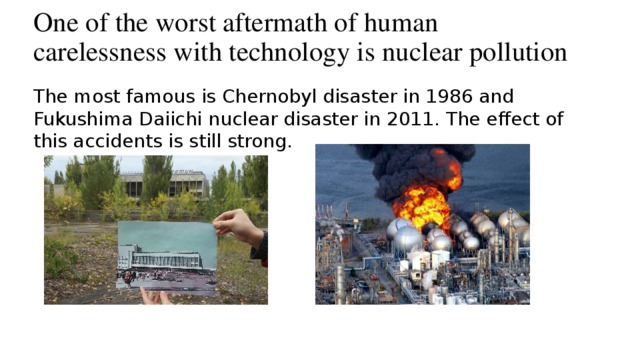
One of the worst aftermath of human carelessness with technology is nuclear pollution The most famous is Chernobyl disaster in 1986 and Fukushima Daiichi nuclear disaster in 2011. The effect of this accidents is still strong.

One of the worst aftermath of human carelessness with technology is nuclear pollution

The most famous is Chernobyl disaster in 1986 and Fukushima Daiichi nuclear disaster in 2011. The effect of this accidents is still strong.

In medicine. But the most incredible advantage of modern technologies, in medicine sphere: new prosthesis in produce and usage almost like original parts of body.

In medicine.

But the most incredible advantage of modern technologies, in medicine sphere: new prosthesis in produce and usage almost like original parts of body.

Просмотр содержимого презентации
«PhuongTrinh-The World of jobs»

The World of jobs  CHOOSING a Career Fulfilled by: Trinh thi Phuong  the 11 GRADE

The World of jobs CHOOSING a Career

Fulfilled by: Trinh thi Phuong the 11 GRADE

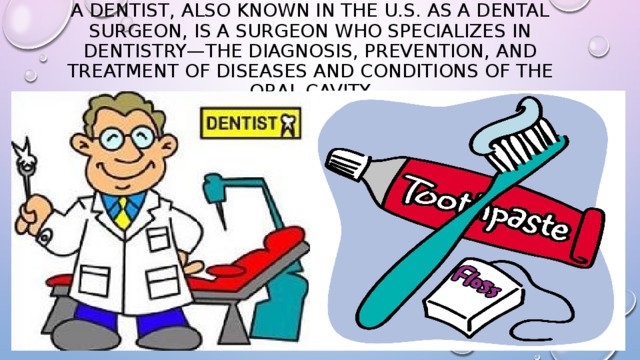
A dentist, also known in the U.S. as a dental surgeon, is a surgeon who specializes in dentistry—the diagnosis, prevention, and treatment of diseases and conditions of the oral cavity

A dentist, also known in the U.S. as a dental surgeon, is a surgeon who specializes in dentistry—the diagnosis, prevention, and treatment of diseases and conditions of the oral cavity

A sales manager is someone who is responsible for leading and guiding a team of sales people in an organization

A sales manager is someone who is responsible for leading and guiding a team of sales people in an organization

A statistician is someone who works with theoretical or applied statistics. The profession exists in both the private and public sectors.

A statistician is someone who works with theoretical or applied statistics. The profession exists in both the private and public sectors.

A technical writer is a professional writer who produces technical documentation that helps people understand and use a product or service.

A technical writer is a professional writer who produces technical documentation that helps people understand and use a product or service.

An architect is someone who plans, designs, and reviews the construction of buildings

An architect is someone who plans, designs, and reviews the construction of buildings

The end

The end