


 734
734 84 051


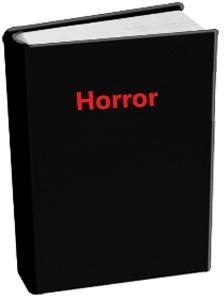




 Dragon: Once upon a time there was a little dragon, who lived in a cave. He liked to play games with his neighbors.
 Once upon a time there was a girl who lived with 7 gnomes.
 (November 1835 – April 10, 1865) was a Kazakh scholar, ethnographer, historian and participant in The Great Game. He is regarded as the father of modern Kazakh historiography and ethnography.
 once upon a time, a king had an only son. He loved him very much. After his 18th he became a brave king like his father.
  In 2003 Almaty Zoo 3 giraffes were presented to. Now the Zoo visitors are glad to watch them
  Mukhtar Omarhanuly for 15 years wrote his famous four-volume epic historical novel called "Abai Joly". It was translated into Russian. In 1949 two books of the novel "Abai" received the first level award of the Union of Soviet Socialist Republics.
 someone who lives in a country of which they are not a legal citizen:
© 2019, id15012546 6408 160

СДЕЛАЙТЕ СВОИ УРОКИ ЕЩЁ ЭФФЕКТИВНЕЕ, А ЖИЗНЬ СВОБОДНЕЕ
Благодаря готовым учебным материалам для работы в классе и дистанционно
Скидки до 50 % на комплекты
только до
Готовые ключевые этапы урока всегда будут у вас под рукой
Организационный момент
Проверка знаний
Объяснение материала
Закрепление изученного
Итоги урока
Reading for pleasure
Категория:
Английский язык
20.12.2019 02:15

Просмотр содержимого документа
«Reading for pleasure»
| LESSON PLAN | |||||||||||||||||||||||
| Unit: 6 | School: | ||||||||||||||||||||||
| Date: | Teacher name: Nurgalymova A.M. | ||||||||||||||||||||||
| CLASS: 5 | Number present: | Absent: | |||||||||||||||||||||
| Lesson title: | Reading for pleasure | ||||||||||||||||||||||
| Learning objectives(s) that this lesson is contributing to (link to the Subject programme) | 5.3.2.1 - ask simple questions to get information about a limited range of general topics 5.4.4.1- read with some support a limited range of short fiction and non-fiction texts | ||||||||||||||||||||||
| Lesson objectives | All learners will be able to: | ||||||||||||||||||||||
| pronounce some words and simple statements about types of literature with some support | |||||||||||||||||||||||
| Most learners will be able to: | |||||||||||||||||||||||
| say most of the words and simple statements about types of literature using basic adjectives and colors with little support | |||||||||||||||||||||||
| Some learners will be able to: | |||||||||||||||||||||||
| use all of the words and simple statements about types of literature with basic adjectives and colors to say what someone /something is or has without support | |||||||||||||||||||||||
| Assessment criteria | Say topic words Describe things using adjectives Make simple sentences using demonstrative pronouns | ||||||||||||||||||||||
| Language objective | Learners can: pronounce the words and simple statements about Fairy tales | ||||||||||||||||||||||
| Key words and phrases: Action and adventure is fiction. This fairy tales has good content. Types of literature: action & adventure, fairy tale, science fiction, biography, fabies, horror, legends. Colors: red, yellow, green, blue, orange, purple, pink, black, gray, white | |||||||||||||||||||||||
| Useful classroom language for dialogue/writing: | |||||||||||||||||||||||
| Do you read fairy tales ? How many books do you have ? Which type of literature is fiction? What colour has book? | |||||||||||||||||||||||
| I have He/she has.... This is…. These are… It’s…. | |||||||||||||||||||||||
| Values links | Respect each other Care about things | ||||||||||||||||||||||
| Cross-curricular links | History | ||||||||||||||||||||||
| Previous learning | Learners already know word about an events, colors and numbers 1 – 10 | ||||||||||||||||||||||
| Plan | |||||||||||||||||||||||
| Planned timings | Planned activities | Resources | |||||||||||||||||||||
| Start
0-10 | Teacher greets learners. Starter: teacher asks to students to make a circle and wish to each other wishes like : Have a good day! I wish to you good luck! Stay healthy ! Good marks ! Wish you a great day ! (W) Teacher asks learners to divide into 3 groups by the cards from the box Then learners choose the cards with main definitions of literature and sit according to names (character, story, event) S-T | Box with the cards. By this cards divide into 3 g-s: character, story, event.
| |||||||||||||||||||||
| 10-12 | Lead in: (P) Learners revise some key words from previous learning (colours) showing the cards to each other. S-S To guess the title of today`s lesson teacher shows a poster and cards with types of literature. On this poster we have 2 colons: Fiction and non-fiction. Students should stick the cards on the poster. Teacher asks questions with support: Do you read book ? What types of books do you know ? Do you read fairy tales ? How many books do you have ? Which type of literature is fiction ? Which type of literature is non-fiction ?
Possible answers: 1) Yes, I read (many) books! 2) Fairy tales, biography, history, horror 3) Yes, I read. / No, I don`t read. 4) I have (number of) books. 5) Fairy tale, science fiction, action & adventure, horror, mystery & suspense, fables, legends. 6)Biography, articles in newspapers/magazines | cards (colors and an events) cards with types of literature, a poster
| |||||||||||||||||||||
| Middle
12-14
| Modelling: Teacher puts several classroom objects on a table: points to an object asking Which type of literature is fiction? What color is the book? and asks learners to count them together showing the objects. Then using have … says I have three red books. Learners repeat. T-S | Types of literature: action & adventure, fairy tale, science fiction, biography, fables, horror, legends, articles in newspapers/magazines, mystery suspense. | |||||||||||||||||||||
| 14-17
| Drilling: Learners repeat the sentences first with the teacher’s support in choral (all together, 3 times), with some support in a group (3 times) and then individually: I have six fiction books. And their`s colors are: 1 blue, 2 black, green, yellow, orange. I have four fiction books. etc. T-S | Fiction and non-fiction | |||||||||||||||||||||
| 17-20
20-25 minutes
25-33 minutes
| Practice-Production: (G) Learners count the books picture with no support individually, and says I have two yellow books. Then learners practice saying He/she has … first with the teacher’s support and then individually S-S | One, two, three,… Yellow, green, purple,..
| |||||||||||||||||||||
| Learners open the book p. 75 ex.2, look at the pictures, count books and write names of types of literature below the pictures. In this a short story each group have to: 1st identify genre retelling 2nd mind map 3rd what they have understood – to draw an imagination | SB p. 75 ex.2
Appendix
https://www.reddit.com/r/shortscarystories/comments/1j1j49/he_stood_against_my_window/ | ||||||||||||||||||||||
| AfL PEER ASSESSMENT Criteria highlighting: 1st group +using right order of sentence +using 5-8 words from the text +pronunciation 2nd group +creativity +using 4 adjectives from the text +pronunciation 3rd group +creativity, using colors +showing the content of the text
(W) Learners do «Fishing game» activity. The rules of this game are: Teacher puts on the table aquarium. In this aquarium we have some facts about fiction and nonfiction. Students should to fish and catch the fish with facts. Then stick them on the poster rightly. | A poster with shape of aquarium, fish.
| ||||||||||||||||||||||
| End 33-35 minutes
35-40 minutes | Plenary: (W), (f) Teacher has a set of cards of e.g. with characters behind this cards we have descriptions (a short story) to each character, from any stories, biography, action & adventure, fairy tale, horror, legends. Students should to read and stick on the poster, in right side.
1. 2. 3. 4. 5. 6. 7. | Cards Snow White, Prince, Shokan Ualikhanov, Abai Qunanbaev, giraffe, dragon, alien.
| |||||||||||||||||||||
| Teacher gives home-task. Says good-bye. |
| ||||||||||||||||||||||
| Additional information | |||||||||||||||||||||||
| Differentiation – how do you plan to give more support? How do you plan to challenge the more able learners? | Assessment – how are you planning to check learners’ learning? | Health and safety check
| |||||||||||||||||||||
| More support can be given by drilling less confident learners say a sentence with a partner. They can point to an object on the table by teacher’s command.
More able learner (a leader of the group) helps the group and when doing the tasks.
During the lesson teacher gives model how to do the task. Techer gives different tasks for different level. For example: 1st retelling – only more able students 2nd mid able draw mind map 3rd drawing less able students | Walking around and listening learners as they practice saying sentences and asking questions.
Monitoring learners as they do the tasks using by adjectives and pronouns correctly
Noting which leaner says the sentence correctly: source of evidence may include recording.
Concept checking through formative assessment strategy: “Thumbs up, thumbs down”
Criteria highlighting 1st group -using right order of sentences -using 5-8 words from the text -pronunciation 2nd group -creativity -using 4 adjectives from the text -pronunciation 3rd group -creativity, using colours -showing the content of the text | Being aware of Health care techniques.
Doing Physical activities (make a circle ).
Organizing classroom space for movement.
| |||||||||||||||||||||
| Reflection
Were the lesson objectives/learning objectives realistic?
What did the learners learn today?
| Use the space below to reflect on your lesson. Answer the most relevant questions from the box on the left about your lesson.
What two things went really well (consider both teaching and learning)? 1:
2:
What two things would have improved the lesson (consider both teaching and learning)? 1:
2:
What have I learned from this lesson about the class or achievements/difficulties of individuals that will inform my next lesson?
| ||||||||||||||||||||||
Appendix
Formative assessment activity
English _5th __ grade
| Unit Topic | 6 Reading for pleasure |
| Learning objectives | 5.3.2.1 - ask simple questions to get information about a limited range of general topics 5.4.4.1- read with some support a limited range of short fiction and non-fiction texts |
| Level of thinking skills | Knowledge Application Higher levels (Analysis Synthesis Evaluation) |
| Assessment criteria | Identify main idea of the text Respond to questions according to the text |
| Task | |
| Work in groups. Read the text. «He stood against my window» Retell it in simple sentences using: given words, adjectives and present it to the class.  Genre, horror, scary, character, story, event, good, bad. | |
| Descriptor | |
| Learners : -Work in groups -Makes sentences with the given words -Uses there is/are, adjectives. -Present their work to the class. | |
Вебинар для учителей

Свидетельство об участии БЕСПЛАТНО!



