


© 2019, Утебалиев Алтынбек Шапигуллинович 1493 18

СДЕЛАЙТЕ СВОИ УРОКИ ЕЩЁ ЭФФЕКТИВНЕЕ, А ЖИЗНЬ СВОБОДНЕЕ
Благодаря готовым учебным материалам для работы в классе и дистанционно
Скидки до 50 % на комплекты
только до
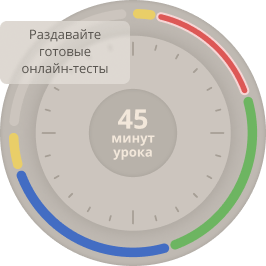
Готовые ключевые этапы урока всегда будут у вас под рукой
Организационный момент
Проверка знаний
Объяснение материала
Закрепление изученного
Итоги урока
Был в сети 28.09.2021 07:17
Утебалиев Алтынбек Шапигуллинович
Учитель истории
 1 807
1 807
 38 748
Специализация
The nature of beauty
Категория:
Английский язык
11.05.2019 19:48

Просмотр содержимого документа
«The nature of beauty»
Short- term plan
Lesson plan
| Long-term plan:Unit 3 Our countryside | School: school-lyceum # 41,Uralsk
| |||||||
| Date: 30.11.18 | Teacher name: Utebaliyeva Aliya Zharkynovna | |||||||
| Grade: 6 | Number present:16 | absent: | ||||||
| Lesson title: “Places of natural beauty ”
Holidays | ||||||||
| Learning objectives | 6.3.3.1 give an opinion at sentence level on a limited range of general and curricular topics 6.4.8.1
| |||||||
| Lesson objectives | To learn about the value of caring about places of natural beauty To prepare a video about nature reserves To test knowledge learnt in this module/to do a quiz To consolidate vocabulary learnt in the module/to write a quiz | |||||||
| Assessment criteria |
| |||||||
| Value links | Patriotism, care of nature Common history, culture and language. (“MangilikYel”, 5) | |||||||
| Cross curricular links | Geography | |||||||
| ICT skills | Projector for presenting PPT | |||||||
| Previous learning | Learners have learned describing the text (stay,pick, disturb,collect,follow) | |||||||
| Plan | ||||||||
| Planned timings | Planned activities | Resources | ||||||
| Start 5 min
5 min. | T. Good morning, students! Welcome to our lesson! How are you ? Warm-up. ( W) Lets precide our lesson. Have ever seen a hot air balloon? Where have you seen? Ok, lets imagine that we are in air balloon. Take these baloons and dream. We are all in the sky. What do you see at this moment? We see beautiful nature etc. If we see a beautiful nature today’s our theme of the lesson is “Places of natural beauty” That’s why your hometask was to prepare presentation about Kazakhstan’s reserves. We invite the first group to the board presentating of their preparation. Korgalzhyn State Nature Reserve Korgalzhyn a wetland paradise The centuries-old culture of Kazakhstan, a wealth of attractions and unique nature charm visitors not only with their beauty but also with their uniqueness. In the very heart of Kazakhstan, 160 km northwest of Astana, awaits the Kurgalja National Preserve. Korgalzhyn National Park is the largest preserve zone in Kazakhstan, occupying an area of about 258.9 million hectares, including 198,000 hectares of wetlands.
Despite being under 3 hours from Astana, and possessing a collection of birdlife that has recently attracted a nomination for UNESCO World Heritage Site status, the Korgalzhyn area remains surprisingly unknown, even within Kazakhstan. The vast wetland area, a combination of virgin steppe and lakes, is home to wolves, marmots and saiga. However, it is the birds, and the pink flamingo in particular, that are the real attraction. Located at the crossroads of two migration routes, the wetlands act as a giant motorway junction service station for birds (Lake Tengiz alone has the capacity to feed 15 million birds). On its territory there are no large trees, as this is the domain of low grasses and bushes typical for the steppe area. The Kurgaljinski lakes are rich in fish, including edible species. They are golden and argentine crucian, ide, pike, tench, perch, and roach. Lake Tengiz (which stands for 'sea' in Kazakh) is the largest in the reserve. It is made unique by the pink flamingoes, nesting on the islands of the ancient lake. Here lives the world's furthest northern colony of these wonderful birds. They lived here even in the Paleocene Period, when the whole Tengiz-Kurgaljinski Depression was covered with the Tetis Sea. Aksu Canyon is 15 km long and 500m deep canyon in Kazakhstan. It is situated in the north-west of the Tian Shan mountain range 200 km north-east of Tashkent. It has an alpinecharacter with nearby mountains reaching over 4000m. The Aksu-Djabagly Nature Reserve, though relatively small in area, it is rich in wildlife and included in the UNESCO world heritage site Western Tian Shan. The Aksu-Zhabagly Nature Reserve harbors 1312 vascular plants .[3] Some of the largest genera are Astragalus, Gagea, Allium, Carex and Oxytropis. There are 44 rare plant species that are listed as endangered in the red data book of Kazakhstan,[4] including the native wild apple (Malus sieversii), wild grape (Vitis vinifera) and several wild tulip species (e.g.. Tulipa greigii). The lower parts of the reserve are covered by semi-desert, scrub and steppe, which form a colorful carpet of geophytes in the spring. There are 44 mammal species in the Reserve that are enlisted as highly endangered in the red book of Kazakhstan.[6] The most prominent species are the snow leopard which is, however, rarely seen. Somewhat more frequent is the Himalayan brown bear, the Tien Shan argali (Ovis ammon karelini), the Indian crested porcupine (Hystrix indica), and Menzbier's marmot.
| https://youtu.be/7ijyzuE99DY https://youtu.be/1EGtQ3RNEnA | ||||||
| Middle 3 min 10 min.
| (W, I) Speaking. Now repeat given words. You must say definition or synonym of these words. Stay-to not move away from or leave a place Pick-to not move away from or leave a place (choose) Disturb- to cause someone to stop what the person is doing, or to interrupt anactivity(worry) Collect-to come or bring together from a variety of places or over a period of time (gather) follow-to move along after someone or something, or to move along aroute or path(move after) Start-o begin to do something or go somewhere, or to begin or happen Drive-to travel in a motor vehicle, esp. as the person who operates it: Cut-to travel in a motor vehicle, esp. as the person who operates it
We remember all the words and now you must do ex 1 on p.40 Use the verbs to complete the sentences. Thank you, very good.
Now lets divide into pairs, and you must find your pairs which you like to work with. For pair work I give you cards and you must do it together. Do the quiz by completing the gaps.
Canada and the USA 5 Balkhash 2 Almaty 6 wildlife 3 second largest 7 ocean 4 ancient city For each right answer you take one point.
The next task will be Elective test. Look at the board and answer the following questions showing me A B C D
1 The Charyn Canyon is in... . a) China b) Kazakhstan c)Russia d) India 2 Machu Picchu is known as the Lost City of the ... . a)Incas b) Peru c) America d)China
a)600 kilometres b) 500 kilometres c) 100 kilometres d)700 kilometres 5 Hawaii, Tonga and Samoa are in the ... . a)Indian Ocean b)Pacific Ocean c) Atlantic Ocean d) Arctic ocea
(P,G) Post reading. “Beehive” Activity 5 And in pairs they must discuss and prepare 2 questions about the theme. Ask questions for groups and teacher. E.g. 1) Why was the elephant upset? 2) How did the elephant help the bird? 3) Choose the best moral for this story.
|
Book, dictionary | ||||||
| 5min.
| (I ) Feedback. 321. Activity 6 List 3 things you remember from the lesson. Give 2 examples of what you learned. Write 1 question you have or something you’re confused.
|
| ||||||
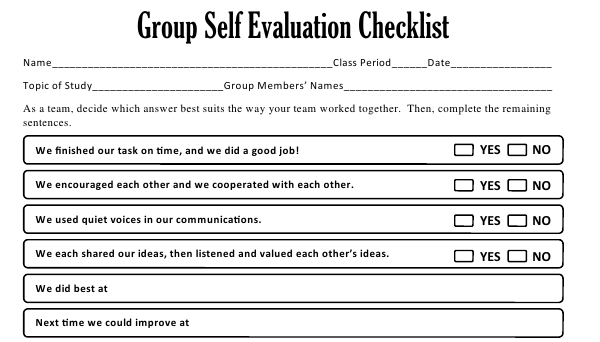
| End 2 min | Evaluation.
|
| ||||||
|
|
| |||||||
| ADDITIONAL INFORMATION | ||||||||
| Differentiation – how do you plan to give more support? How do you plan to challenge the more able learners? | Assessment – how are you planning to check learners’ learning? | Health and safety check | ||||||
|
|
| ||||||
| Reflection
Were the lesson objectives/learning objectives realistic?
Did my planned activities work well?
Did I stick to timings?
What changes and differentiation should I make next time? | Use the space below to reflect on your lesson. Answer the most relevant questions from the box on the left about your lesson.
| |||||||
| Summary evaluation What two things went really well (consider both teaching and learning)? 1:
2:
What two things can improve the lesson (consider both teaching and learning)? 1:
2:
What have I learned from the reflection of the learners? (difficulties of individuals or all the learners)
| ||||||||
Вебинар для учителей
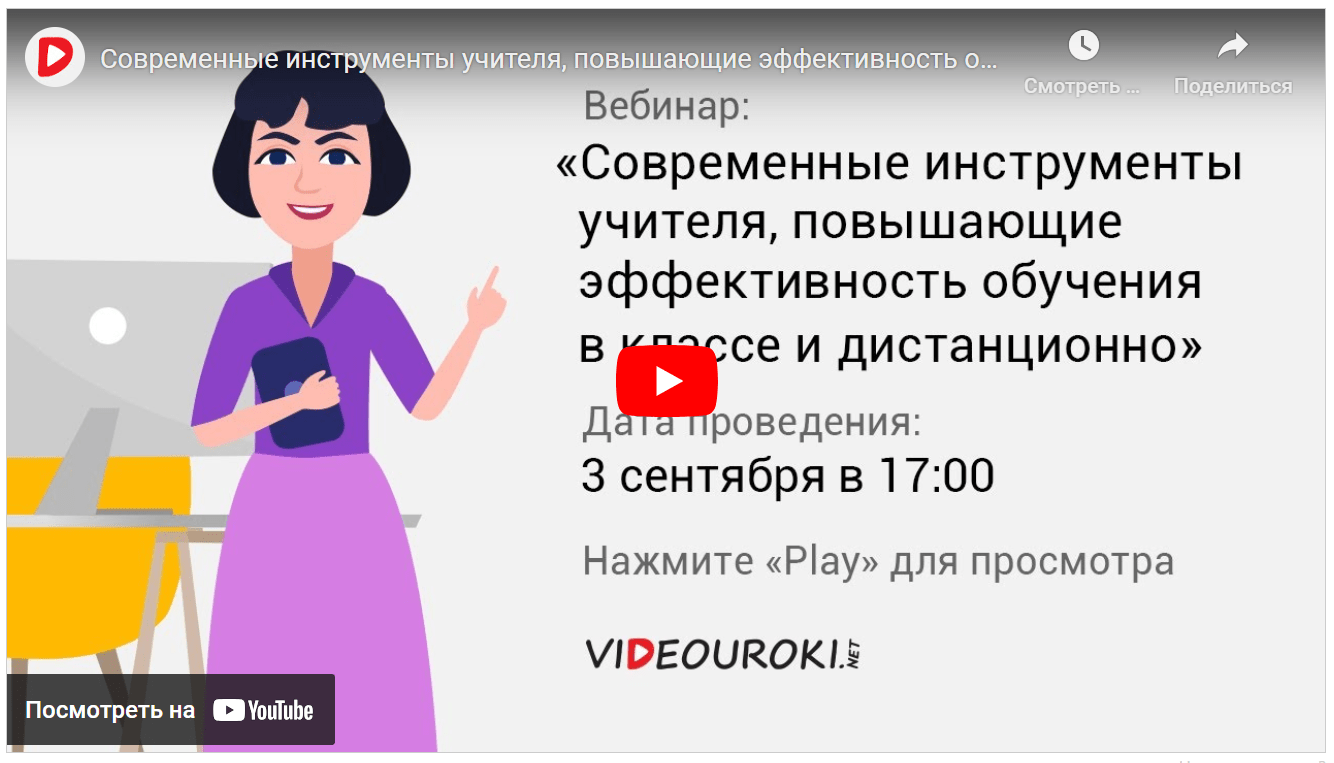
Свидетельство об участии БЕСПЛАТНО!