, Макеевка

СДЕЛАЙТЕ СВОИ УРОКИ ЕЩЁ ЭФФЕКТИВНЕЕ, А ЖИЗНЬ СВОБОДНЕЕ
Благодаря готовым учебным материалам для работы в классе и дистанционно
Скидки до 50 % на комплекты
только до
Готовые ключевые этапы урока всегда будут у вас под рукой
Организационный момент
Проверка знаний
Объяснение материала
Закрепление изученного
Итоги урока
Была в сети 12.11.2025 19:52

Андреишина Юлия Владимировна
Учитель английского языка
 6 074
6 074
 9 755
9 755 
Местоположение
Специализация
Задания "Spotlight 3"
Категория:
Английский язык
29.06.2018 14:09

Просмотр содержимого документа
«Задания "Spotlight 3"»
Crosswords
School Supplies.
School Again! (Spotlight – 3)
Find and circle the words that match the pictures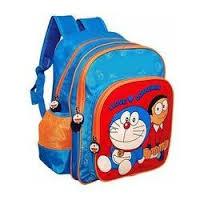
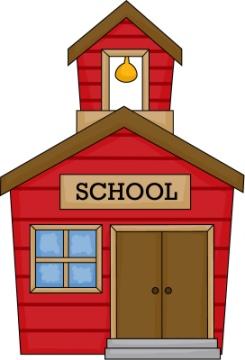



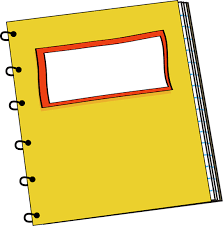
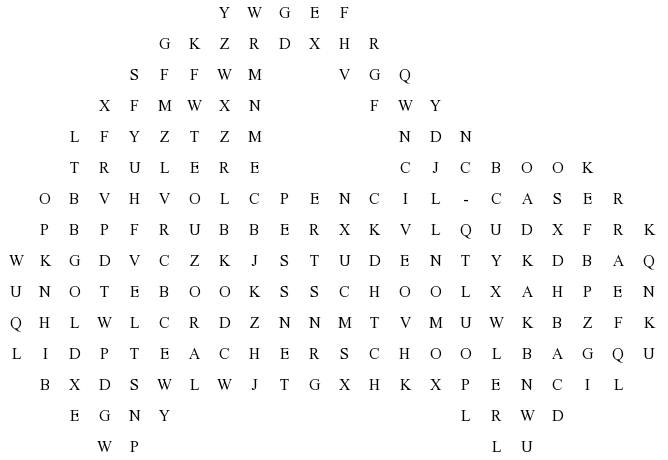



Pen, pencil, rubber, ruler, school, school bag, book, pencil-case, student, teacher, notebook.
School Subjects (Spotlight – 3)
Find and circle the words that match the pictures


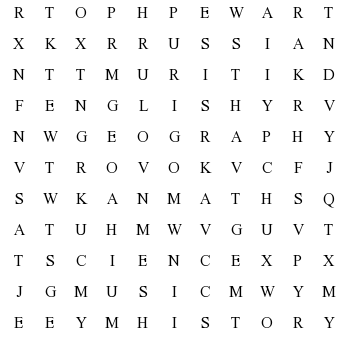


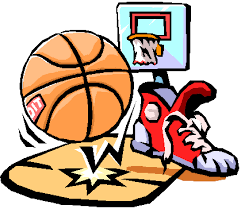


English, Maths, Geography, PE, History, Science, Art, Music, IT, Russian.
Body Parts Crossword (Spotlight - 3)
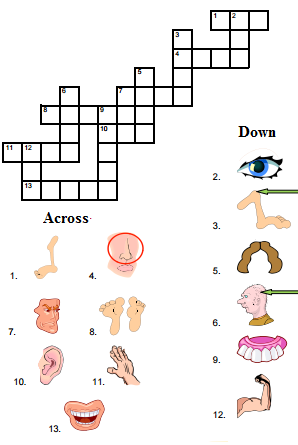
Leg, nose, face, eye, knee, hair, head, feet, ear, mouth, arm, head, teeth.
Food Crossword (Spotlight - 3)
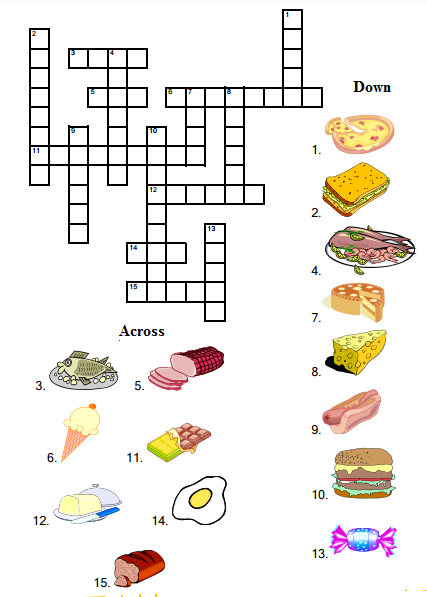
Bread, butter, chocolate, egg, sandwich, cake, fish, ice cream, cheese, pizza, ham, hotdog, seafood, hamburger, candy
Fruits Crossword (Spotlight - 3)
Lemon, kiwi, avocado, apple, watermelon, pear, strawberry, pineapple, orange, banana, mango, peach, grapes.
Weather Crossword (Spotlight - 3)
Sunny, hot, windy, cloudy, dry, cold, stormy, rainy, snowy.
Spotlight 2-4
Games
Game 1. Numbers
Aim: to revise numbers 1–20
Procedure:
Pupils sit in a big circle. Give one pupil a stick. This pupil starts the round.
When they receive the stick, pupils may say a minimum of one number or a maximum of three. Numbers must follow in sequence.
For example:
P1. One, two, three.
P2. Four, five.
P3. Six.
The pupil who says Twenty gets a point and starts another round.
The first pupil to get three points is the winner.
Pupils should speak loudly so everyone can hear the numbers.
Game 2. Find the partner with the same picture
Aim: to practice writing words: cat, dog, mouse, fish, snake, fish, parrot, hamster
Materials: set of pictures on appropriate topic
Procedure:
You will need a clear space for this game. Put flashcards on the board. Each pupil chooses one and writes a word on the blackboard. Students may choose the same pictures. Call out: Cats!
Pupils with that drawing (cat) must come to the blackboard. Those who have a different drawing sit down. Repeat with all the new words until all the pupils are either in a group.
Game 3. Match the colour
Aim: to revise colours
Materials: cards with colours
Procedure:
Divide the class in half. One half makes ten large colour word cards and the other half makes ten large colour cards. Say a colour. The pupil in the colour half must hold up the appropriate colour card, the other pupil holds up the appropriate word card. The class says if they are correct. Repeat with other colours.
Game 4. Colour race
Aim: to revise spelling of colours
Materials: colour flashcards
Procedure:
Write on the board: What colour is it?
Stick the colour flashcards on the board. Next to each, write an anagram of the colour.
Say Go! Pupils work in groups of four and try to write down the ten colours correctly. The first group to finish says: Stop!
This group writes the words next to the anagrams on the board.
The class checks. If there is one mistake, the group must stop writing, erase the words and sit down.
The race continues until a group can write all the words correctly.
Game 5. True or false?
Aim: to revise spelling of colours
Procedure:
You will need space for this game. Draw a line with chalk on the floor or lay a rope across the floor to divide it into two equal-sized areas. Explain that one side represents ‘True’ and the other ‘False’.
Pupils line up on the ‘True’ side of the line. Hold up flashcards or objects and name them correctly or incorrectly.
Pupils respond either by jumping on the spot if what you said was true, or by jumping to the other side of the line if it was false.
Pupils who respond incorrectly are out of the game.
Game 6. Draw a body
Aim: to revise vocabulary for parts of the body
Procedure:
Pupils work in small groups. Each group has a large sheet of paper. They choose one pupil to be the ‘body’. This pupil holds the paper. The others take turns to draw a part of the body.
They label the body and write the name of the pupil.
Game 7. Face race
Aim: to revise descriptions of faces
Materials: magazine pictures
Procedure:
Divide the class into teams. Stick a magazine picture on the board for each team.
Think of a sentence describing each face. Write it in jumbled order under the picture. Each team must unjumble the description.
The first team to give you a correct written version is the winner.
Game 8. What’s missing?
Aim: to revise parts of the body
Procedure:
Draw a boy or girl on the board. Include eyes, nose, etc. and all the body parts covered in the units to date. Pupils name the parts as you draw.
Pupils close their eyes or put their heads on their desks. Erase one of the features. Pupils look and say which is missing.
Game 9. Monsters
Aim: to revise descriptions and colours, numbers, body
Procedure:
Describe a monster. The pupils draw and colour it:
T. There was a monster. It was thin. It had green eyes. It had six arms, etc.
Pupils compare pictures with their partner’s.
Pupils write a description of their own monster and read it to their partner, who draws it.
Game 10. A map of the school
Aim: to revise directions
Procedure:
Draw a map of the inside of your school (or part of it) on the board. Write the names of the rooms.
Draw a cross to indicate You are here. Practise asking for and giving directions with pupils working in pairs:
P1. Excuse me, where’s the music room / class 2?
P2. Go straight on. Then turn left. It’s opposite the hall.
Game 11. Commands
Aim: to revise left and right
Procedure:
Play the game Simon says with the class. You give commands; if you include the words Simon says the pupils must obey the commands, otherwise they do nothing. Include the words left and right. If pupils make a mistake they are out.
T. Simon says put your left hand on your head. (Pupils should obey the command correctly) Touch your left leg. (Pupils should do nothing)
Pupils give each other commands using left and right. When a pupil makes a mistake it is their partner’s turn to give commands.
Game 12. Picnic
Aim: to revise food items
Procedure:
Explain that the Picnic will include a barbecue or picnic lunch.
On the board, create a word-web with the pupils’ ideas for picnic food and drink.
Pupils will probably need new food and drink words to be able to respond naturally to this activity. Write the translation next to these new words.
Pupils work in groups and decide who is going to bring which items of food and drink. They make a list of the group’s decisions and post it on the wall as a reminder.
Game 13. Word web
Aim: to revise food vocabulary
Procedure:
Pupils brainstorm all the food and drink they know. You make a word web on the board.
Divide the board into categories: Meat, Fruit, Vegetables, Milk products, Drinks. Pupils write the words in the web under the categories. Pupils work in groups and use junior dictionaries to add to the various categories.
Each group then produces a poster of one of the categories. They illustrate it with pictures cut from magazines and drawings.
Game 14. Can you?
Aim: to revise names of animals
Materials: a dice per group
Procedure:
Divide the class in two groups. Give each group a dice.
Write the numbers 1 to 6 on the board, with the name of an animal next to each number.
In turns, pupils throw the dice. They should look at the board to see which animal it indicates. Then the group asks the player the corresponding question e.g. Can you jump like a kangaroo? The player must do the action. (Fish — swim; rabbit — run; kangaroo — jump; bird — sing; cat — walk; monkey — climb).
Game 15. Animal Hangman
Aim: to revise the spelling of animals
Procedure:
Choose an animal word and write the correct number of blanks on the board, for example: _ _ _ _ _ _ _ _ (elephant).
Pupils have to guess the letters in the word. Write the correct letter on the blanks. For every incorrect letter, draw a line on the hangman diagram.
Game 16. Draw it!
Aim: to revise lexical sets: clothes, animals, body and food
Procedure:
Divide the board into four sections. Label them clothes, animals, body and food.
Divide the class into four groups. Allocate one of the lexical sets to each group.
Invite a pupil from each group to stand about two meters from board. When you say ‘Go!’, they run to their section of board and write a word in their word group. The rest of the class counts to five.
When they reach ‘five’, pupils must stop writing.
One person from each team corrects the words. Teams get a point for each correct word. Keep a score. Set a time limit or number of turns.
Game 17. Words
Aim: to revise vocabulary
Procedure:
The pupils play in groups of four, one pair against the other pair. Each pair makes one 10 by 10 grid. The pairs use different coloured pens. Each pair writes any word they know in their grid vertically or horizontally. They score a point for each letter. The grids are exchanged. Each pair must write another word in the grid, using a letter from the existing word. They score a point for each letter. When no more words can be entered the game is over. The pair with the most points wins.
Вебинар для учителей

Свидетельство об участии БЕСПЛАТНО!