Казахстан, Шалкар

СДЕЛАЙТЕ СВОИ УРОКИ ЕЩЁ ЭФФЕКТИВНЕЕ, А ЖИЗНЬ СВОБОДНЕЕ
Благодаря готовым учебным материалам для работы в классе и дистанционно
Скидки до 50 % на комплекты
только до
Готовые ключевые этапы урока всегда будут у вас под рукой
Организационный момент
Проверка знаний
Объяснение материала
Закрепление изученного
Итоги урока
Была в сети 02.04.2026 21:33

Zhumadilova Merey Kenesovna
учитель английского языка
34 года
 920
920
 69 987
Местоположение
Специализация
"Discovery culture"
Категория:
Английский язык
02.04.2026 21:37

Просмотр содержимого документа
«"Discovery culture"»
| Unit 5 Creativity | Lesson 70 | ||||||
| Teacher name: | Zhuamdilova Merey | ||||||
| Date: | 03.03.2026 | ||||||
| Grade: 5 «G» | Number present: | absent: | |||||
| Lesson title | Discovery culture. | ||||||
| Learning objectives | 5.3.1.1 provide basic information about themselves and others at sentence level on an increasing range of general topics 5.5.6.1 link, with some support, sentences into coherent paragraphs using basic connectors on a limited range of familiar general topics 5.4.1.1 understand the main points in a limited range of short simple texts on general and curricular topics | ||||||
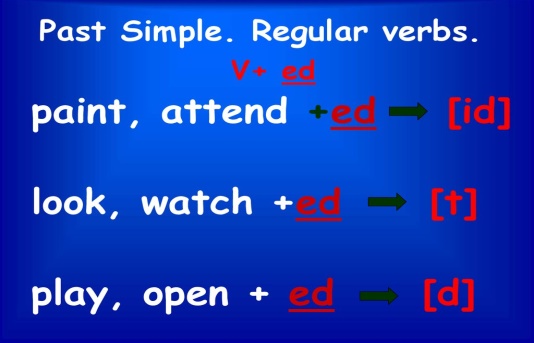
| Lesson objectives | Learners will be able to: - present the past simple affirmative for regular verbs - practise the past simple affirmative - present the past simple negative. | ||||||
| Value links «Adal azamat» | Generosity – This may be a core value of yours if you cherish people who will give their time and resources to people in need. You may consider yourself to be a generous person if you find joy and meaning in giving to others. | ||||||
| Instilling values of the program “Birtutas tarbiye” | Law & Order Diligence and professional competence Independence and Patriotism | ||||||
| Plan | |||||||
| Stages / Time | Teachers actions | Students actions | Assessment criteria | Resources | |||
| Beginning of the lesson Warming-up 3 min Pre-learning «Brainstorming» method 7 min.
| Organization moment : 1.Greeting. Ask about the weather. The teacher sets the lesson objectives, letting students know what to anticipate from the lesson. Warming up Where are you from? How old are you? What color is it? How many students are there in class? What day of the week today? Revise the language of the previous lesson. Lead – In
| The aim: To develop pupils speaking skills and create friendly atmosphere
Efficiency: By wishing each other they feel better and feel the support of others Students of the class are listed. Students' attention is drawn to the lesson. Determines the topic and purpose of the lesson • Learners talk about favourite dayprevious lesson vocabulary
| The teacher to assess learners for their ability. “Good job! Well done!” Formative Assessment Good job!
Assessment criteria - Learners have met the learning objectives if they can talk about | Pictures worksheet Student’s book | |||
| Middle of the lesson Presentation part. 30 min
| Ex:1 P:64 • Ss close their books. Present the past simple. Say: I worked hard yesterday. Write it on the board. Underline worked and explain that this verb is in the past simple. Point to a S and say: You worked hard yesterday. Then write it on the board. Underline worked. Point to a male S and say: He worked hard yesterday. Then write it on the board. Underline Ex: 2 P: 64 • Explain the task and allow Ss some time to complete it. Check Ss' answers by reading the text aloud and eliciting the missing verb forms from various Ss around the class. Check correct spelling on the board. Ex: 3 P: 64 • Ss close their books. Write on the board: I didn't work yesterday and She didn't work yesterday. Underline I didn't in the first sentence and She didn't in the second sentence. Explain that we use didn't in all persons to form the negative of the past simple. Point out that the main verb is also the same for all persons and is used in its base form.
Ex: 4 P: 64 • Explain the task. Allow Ss two minutes to read the text in Ex. 2 again and then read out the example. Ss complete the task. Ask various Ss to read out the answers to the class
Conclusion during the lesson some tasks differentiated by outcomes of the students and by their abilities. | Pupils read the table and complete the rule. ANSWERS -ed Pupils put the verbs in brackets into the past simple. ANSWERS 2 called 3 started 4 joined 5 invaded 6 hated 7 liked 8 died 9 buried
Pupils read the table and complete the rule. ANSWERS didn't
Pupils read the text and correct the false statements ANSWERS 2 He didn't live in Europe. He lived in Asia. 3 He didn't start the British Empire. He started the Mongol Empire. 4 He didn't join only two tribes together. He joined many tribes together. 5 He didn't invade many parts of Australia. He invaded many parts of China and Central Asia. 6 His men didn't bury him in Italy. They buried him somewhere in Mongolia | Descriptor: - read the table - complete the rule Total: 2 point
Self assessment Differentiation: «Verbal support» method is used to help Ss use new words in the sentences. Descriptor: - put the verbs in brackets into the past simple. Total: 3 point Descriptor: - read the table - complete the rule Total: 2 point
Descriptor: - read the text - correct the false statements Total: 2 point -Make CCQ questions Yes / No Total: 1point
Total: 10 point | Card Worksheet Students book | |||
| End of the lesson 5 min | FEEDBACK Learners provide feedback on what they have learned at the lesson. Ex: Home task: |
| Poster Success
| ||||







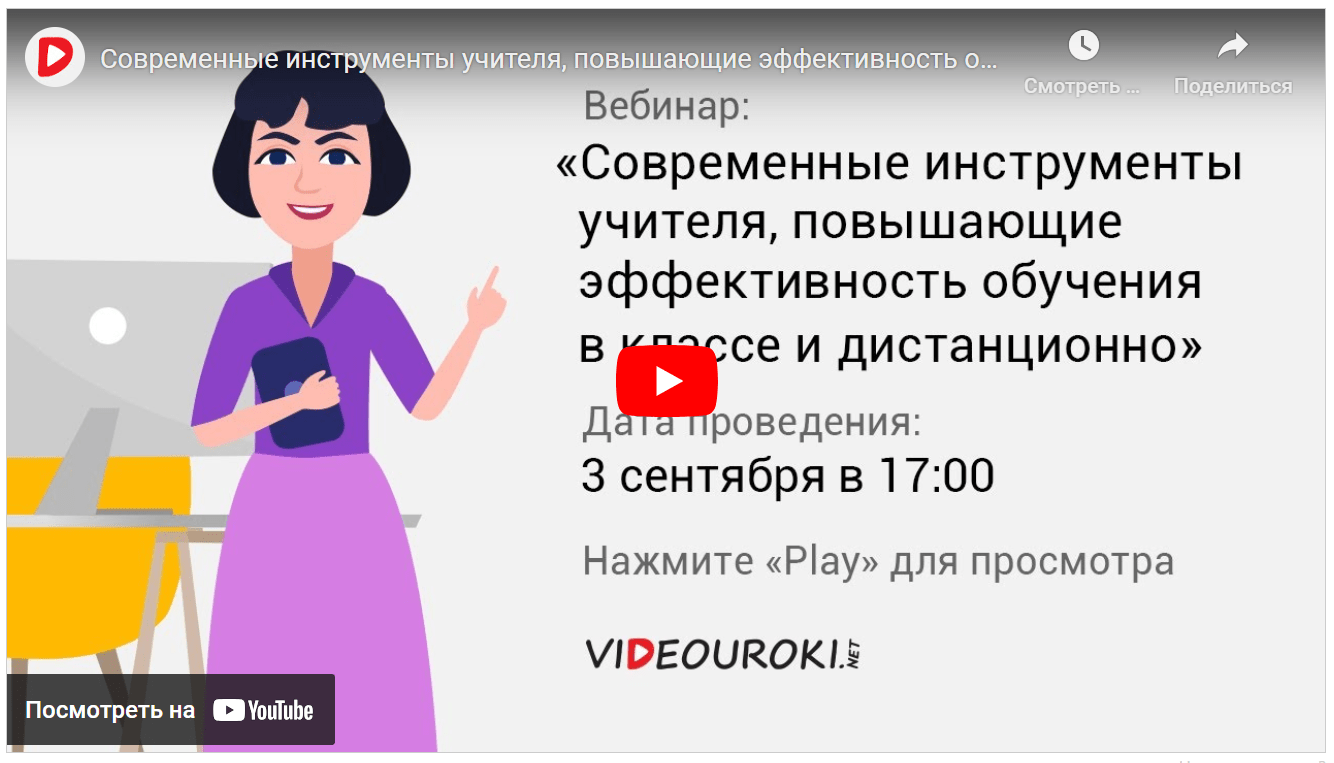
Вебинар для учителей
Свидетельство об участии БЕСПЛАТНО!