15
15 296 537
© 2026, id49767928 37

СДЕЛАЙТЕ СВОИ УРОКИ ЕЩЁ ЭФФЕКТИВНЕЕ, А ЖИЗНЬ СВОБОДНЕЕ
Благодаря готовым учебным материалам для работы в классе и дистанционно
Скидки до 50 % на комплекты
только до
Готовые ключевые этапы урока всегда будут у вас под рукой
Организационный момент
Проверка знаний
Объяснение материала
Закрепление изученного
Итоги урока

Everything You Need to Know About IGCSE Chemistry Syllabus

The Cambridge IGCSE Chemistry syllabus is designed to teach students about the world around them and help them develop an interest in science and the advancements in the field. The curriculum encompasses the practical applications of fundamental principles of Chemistry and the necessary practical skills. Students can build the scientific skills needed for the Cambridge International AS & A Level, higher education, or a Science-related career.
This article draws on academic guidance and curriculum knowledge from Mixt Academy’s online tutors to outline a well-defined path through the IGCSE Chemistry curriculum, the topics students will study, and the questions they will be prepared to face during their major examinations with Cambridge International Education, Pearson Edexcel, and Oxford AQA.
CIE IGCSE Chemistry Syllabus by Topics
1. States of Matter
There are numerous states that matter can be expressed in, all of which come with their own properties and ways of behaving. Understanding the different states and how they interact is fundamental in . Topics include:
- Solids, liquids, and gases
- Diffusion
2. Atoms, Elements, and Compounds
Everything starts with the study of the smallest unit of matter, the atom, and then moves on to the elements produced and the compounds they form. Most of the time, we study the basic building blocks of matter and the ways they combine. Some of the topics we study include the following:
- Elements, compounds, and mixtures
- Atomic structure and the Periodic Table
- Isotopes
- Ions and ionic bonds
- Simple molecules and covalent bonds
- Giant covalent structures
- Metallic bonding
3. Stoichiometry
When studying chemistry, you must acquire the ability to quantify things to gain a clear mental image of the chemical processes happening. Stoichiometry is a branch of chemistry concerned with calculating chemical processes. Some of the topics we study include the following:
- Formulae
- Relative masses of atoms and molecules
- The mole and the Avogadro constant
4. Electrochemistry
When you study chemistry, there is a branch called Electrochemistry, which is the study of chemical processes involving electricity and batteries. Electrochemistry is highly relevant to studying Electrolysis and the use of chemical batteries. Some of the topics we study include:
- Electrolysis
- Hydrogen–oxygen fuel cells
5. Chemical Energetics
As we study chemistry, we focus a lot on chemical processes that happen when one form of chemical energy is converted to another. In that study, we focus on the processes that are called exothermic and endothermic. Examples of the topics we study are:
- Exothermic reactions
- Endothermic reactions
6. Chemical Reactions
Understanding chemistry as a whole requires knowing how and why certain processes occur. The processes usually involve 3 major reactions. Those reactions are called reaction rates, equilibrium reactions, and oxidation-reduction reactions. Some of the topics of study are:
- Physical and chemical changes
- Rate of reaction
- Reversible reactions and equilibrium
- Redox
7. Acids, Bases, and Salts
Acids and bases are used in household and industrial cleaning. Their reactions produce pH-neutral solutions. Topics include:
- The characteristic properties of acids and bases
- Oxides
- Preparation of salts
8. The Periodic Table
The periodic table classifies and organises elements by their characteristics and reactivity. The resulting patterns in the rows and columns can predict how they will behave during a chemical reaction. Topics include:
- Arrangement of elements
- Group I properties
- Group VII properties
- Transition elements
- Noble gases
9. Metals
Metals possess distinctive physical and chemical characteristics that are important in a range of industries, including construction and electronics. Topics include:
- Properties of metals
- Uses of metals
- Alloys and their properties
- Reactivity series
- Corrosion of metals
- Extraction of metals
10. Chemistry of the Environment
Without the study of Chemistry, many of the problems associated with the environment, such as pollution, climate change or resource sustainability, would be impossible to analyse and understand. Topics include:
- Water
- Fertilisers
- Air quality and climate
11. Organic Chemistry
The study of Organic Chemistry involves all compounds of carbon. This includes fuels, plastics and all biomolecules which form the basis of life. Topics include:
- Formulae, functional groups, and terminology
- Naming organic compounds
- Fuels
- Alkanes
- Alkenes
- Alcohols
- Carboxylic acids
- Polymers
12. Experimental Techniques and Chemical Analysis
Exploring chemistry in practice is an important element of the IGCSE syllabus, as it helps students develop the skills required to conduct an experiment and analyse the outcomes. Topics include:
- Experimental design
- Acid–base titrations
- Chromatography
- Separation and purification
- Identification of ions and gases
The CIE IGCSE Chemistry syllabus gives students the choice of the Core or Extended curriculum based on their understanding of the subject and the grades they wish to achieve. The Core syllabus provides students with the fundamental concepts and groundwork in Chemistry, with students being eligible for grades C to G.
The Extended syllabus includes everything in the Core curriculum, plus additional material, called the Supplement, that delves into topics in greater depth and complexity. Students doing the Extended syllabus can be awarded grades A to G*.
What is Covered in CIE IGCSE Chemistry Papers?
- Paper 1 & 2 (Multiple Choice, 30%): Covers all the theories at the Core (Paper 1) and Extended (Paper 2) levels.
- Paper 3 & 4 (Theory, 50%): Covers more in-depth theory, with Paper 4 having more Supplement content.
- Paper 5 & 6 (Practical, 20%): Covers more on experimental skills and practical-based theory questions, which include questions on lab-based techniques.
The clearer the understanding of the exam structure and the assessment objectives, the better the students’ preparation will be. Many tutors, including Mixt Academy’s academic teams, recommend practising past papers, in addition to reviewing the syllabus, to boost exam confidence and improve results.
Pearson Edexcel IGCSE Chemistry Syllabus by Topics
1. Principles of Chemistry
This section introduces the fundamental principles that underpin all areas of chemistry, including atomic structure, bonding, and chemical equations. Topics include:
- States of matter
- Elements, compounds, and mixtures
- Atomic structure
- The Periodic Table
- Chemical formulae, equations, and calculations
- Ionic bonding
- Covalent bonding
- Metallic bonding
- Electrolysis
2. Inorganic Chemistry
Inorganic chemistry focuses on the properties and reactions of elements, compounds, and metals. Topics include:
- Group 1 (alkali metals) like lithium, sodium, and potassium
- Group 7 (halogens) like chlorine, bromine, and iodine
- Gases in the atmosphere
- Reactivity series
- Extraction and uses of metals
- Acids, alkalis, and titrations
- Acids, bases, and salt preparations
- Chemical tests
3. Physical Chemistry
This section covers energy changes in chemical reactions, reaction rates, and equilibrium. Topics include:
- Energetics
- Rates of reaction
- Reversible reactions and equilibria
4. Organic Chemistry
Organic chemistry deals with the study of carbon-containing compounds, including fuels and polymers. Topics include:
- Introduction to organic chemistry
- Crude oil and fuels
- Alkanes
- Alkenes
- Alcohols
- Carboxylic acids
- Esters
- Synthetic polymers
AQA Oxford IGCSE Chemistry Topics
1. Atomic Structure and the Periodic Table
Atoms are the building blocks of all materials, and knowledge of atomic structure and the periodic table is fundamental to understanding chemistry. Topics include:
- Solids, liquids and gases
- A simple model of the atom
- The Periodic Table
2. Structure, Bonding, and the Properties of Matter
This section examines how atoms interact to form chemical bonds and how these bonds determine the properties and uses of materials. Topics include:
- Chemical bonds: ionic, covalent, and metallic
- How bonding and structure are related to the properties of substances
- Structure and bonding of carbon
- Nanoparticles
3. Chemical Changes
The group of materials known as metals is explored in more detail, including how atoms are rearranged to form new substances in chemical reactions. Topics include:
- Metals
- The reactivity series
- Metal carbonates
- Electrolysis
4. Chemical Analysis
This section focuses on developing practical skills in chemistry, including identifying substances and reinforcing the idea that a pure substance consists of a single substance. Topics include:
- Purity and chromatography
- Identification of common gases
- Identification of ions
5. Acids, Bases, and Salts
This section provides a more detailed look at the properties and applications of acids and bases. Topics include:
- The properties of acids and bases
- Preparation of salts
6. Quantitative Chemistry
This section covers another fundamental concept in chemistry, conservation of mass. You will learn about:
- Conservation of mass and the quantitative aspects of chemical equations
- The use of the conservation of mass with respect to the amounts of pure substances
- The mole
- Molar concentrations of solutions, use of the amount of substance and volume of gases
7. Trends within the Periodic Table
This section describes and explains trends within the periodic table, along with more detailed knowledge of specific groups. Topics include:
- Group properties
- Transition metals
8. The Rate and Extent of Chemical Change
This section explores how different factors affect the rate of chemical reactions and how reversible reactions reach equilibrium. Topics include:
- Rate of reaction
- Reversible reactions and dynamic equilibrium
- Redox reactions
9. Energy Changes
Chemical reactions involve energy changes, which play a significant role in industrial processes and everyday life. Topics include:
- Exothermic and endothermic reactions
- Calculating and explaining energy change
- Chemical cells and fuel cells
10. Organic Chemistry
Organic chemistry deals with carbon-containing compounds, including fuels, polymers, and biological molecules. Topics include:
- Carbon compounds as fuels
- Crude oil
- Hydrocarbons
- Obtaining useful substances from crude oil
- Synthetic and naturally occurring polymers
- Organic compounds with their structure and reactions
- Alcohols
- Carboxylic acids
- Esters
Conclusion
Students completing the IGCSE Chemistry syllabus gain a solid understanding of the key principles of chemistry, their application, and the development of scientific reasoning skills. Students studying with the Cambridge, Pearson Edexcel and Oxford AQA exam boards gain experience in the key constituent areas of atomic structure, chemical reactions, basic organic chemistry and experimental skills.
Students who understand the syllabus and engage in focused revision and exam practice approach the exam with confidence. prioritise a methodical approach, clear concepts, and exam-driven practice to help students navigate the syllabus. Students who adopt the appropriate methodology will gain a solid base for advanced studies in science and achieve their IGCSE Chemistry goals.
FAQs
What topics are included in the IGCSE Chemistry syllabus?
The IGCSE Chemistry syllabus consists of atomic structure, bonds, stoichiometry, acids/bases, organic chemistry, energy changes, metals, environmental chemistry, and experimental methods. These help students develop scientific skills and knowledge.
What is the difference between the Core and Extended syllabi in CIE IGCSE Chemistry?
The Core IGCSE Chemistry syllabus provides basic information, while the Extended syllabus provides greater detail. Students in the Core syllabus may earn grades between C and G, while students in the Extended syllabus may earn grades between A and G*. This means students in the Extended IGCSE Chemistry syllabus are prepared for greater depth of knowledge, while those in the Core syllabus are not.
How important are practical skills in IGCSE Chemistry?
Practising practical skills is vital for IGCSE Chemistry. Students are required to analyse different experiments, conceptualise different techniques and methods, and derive results. This accounts for 20% of the total score, making it critical to success in the course.
Are the IGCSE Chemistry topics similar across different exam boards?
Yes, the core concepts are almost identical. However, the structure and marking schemes differ. The principles of chemistry remain unchanged.
What is the best way to prepare for IGCSE Chemistry exams?
Effective preparation includes understanding the syllabus, practising past exam papers, and building conceptual knowledge. Many online tutoring platforms, including Mixt Academy, use structured revision plans and focused practice to help students improve their performance and exam readiness.
Категория:
Химия
05.03.2026 13:07
Вебинар для учителей
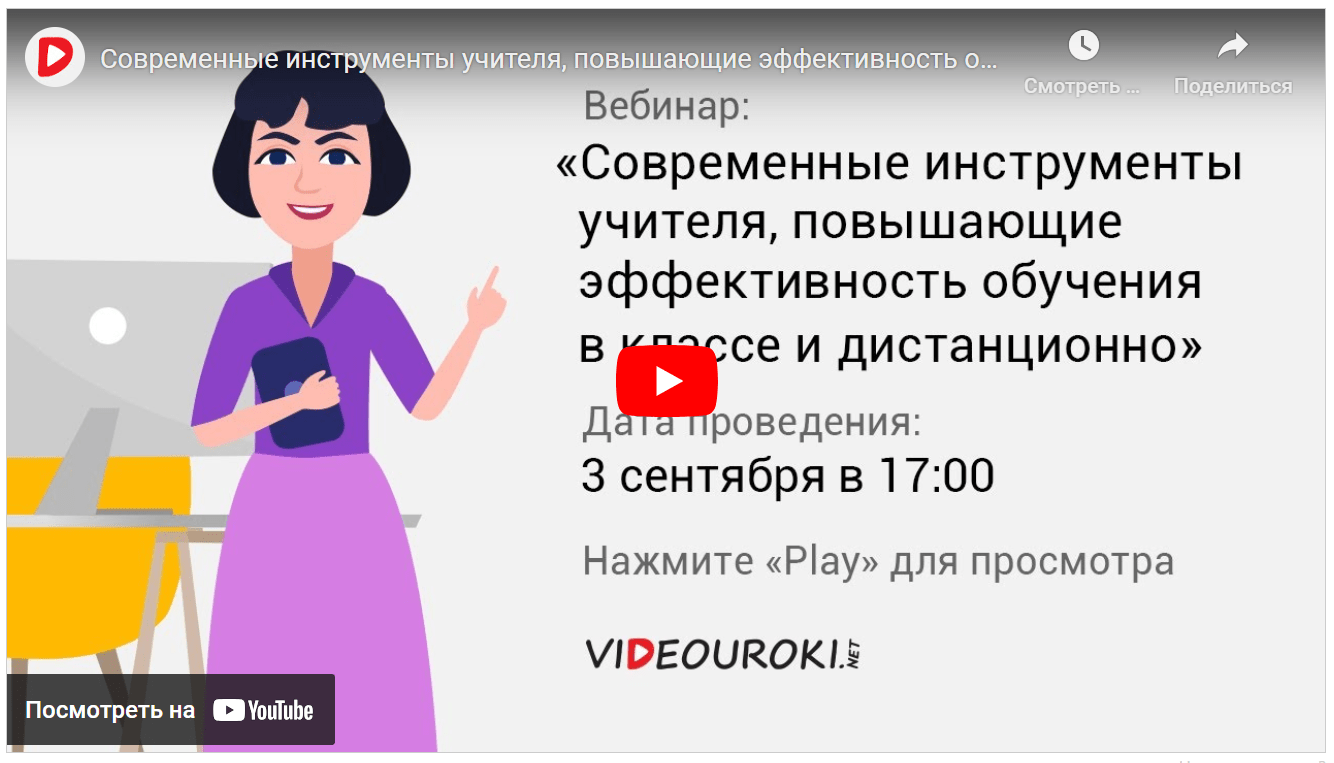
Свидетельство об участии БЕСПЛАТНО!