Россия, Казань
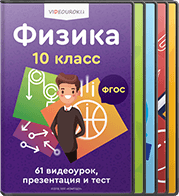

СДЕЛАЙТЕ СВОИ УРОКИ ЕЩЁ ЭФФЕКТИВНЕЕ, А ЖИЗНЬ СВОБОДНЕЕ
Благодаря готовым учебным материалам для работы в классе и дистанционно
Скидки до 50 % на комплекты
только до
Готовые ключевые этапы урока всегда будут у вас под рукой
Организационный момент
Проверка знаний
Объяснение материала
Закрепление изученного
Итоги урока
Чкадуа Галина Лазаревна
Учитель английского языка
70 лет
 167
167
 185 648
Местоположение
Специализация
The problem of correction of speech errors

The issue of correction is probably one of the most problematic for teachers and one of the most frequently asked questions is: when and how should I correct the speech errors of learners.
It is unfortunately true that teaches become trained to hear all sorts of mistakes other people wouldn’t notice regardless of their effect on meaning or communication.
Accuracy is important but in itself it does not constitute communication. Accurate form can mask incorrect meaning, just as incorrect form can be meaningful. There seems to be too much emphasis on accuracy in many learning situations. Unfortunately, teachers are used to judging learners’ speech in the way how wrong it is rather than how right it is. Learners are often scared of making mistakes while speaking, so an important part of the teacher’s role is to encourage such learners and not to be too concerned with the role as “a corrector” when it is unlikely that a relaxed and natural conversation can take place. Somehow, learners are not often allowed to make the same mistakes that mother-tongue speakers can and do.
How to correct is probably more important than what to correct, and how to correct should probably take more learning as the matter of how to correct is extremely complex. The teacher should decide whether to correct or ignore the error. If you decide to correct it, you have a number of options. You have to decide when to correct (immediately, at the end of utterance, much later), who will correct (teacher, another student, whole class, self), how to correct (indicate the fact, indicate the location, indicate the type of the error, give the explanation). It should be noticed, that each correction technique has both plus and minus points.
It seems clear that students in the classroom generally want to be corrected. The teacher needs to develop the intuition, through experience and theory for deciding which option or combinations of options is appropriate at given moment. Each individual, group and situation requires certain handling but no rigid rules can sensibly be made about correcting. The point is that if we want learners to learn how to communicate and have conversations we should create the conditions for such skills to develop natural to communication and conversation.
Категория:
Английский язык
01.10.2015 21:27
Комплекты видеоуроков для учителей


© 2015, Чкадуа Галина Лазаревна 434
Вебинар для учителей

Свидетельство об участии БЕСПЛАТНО!