Казахстан, Каскелен

СДЕЛАЙТЕ СВОИ УРОКИ ЕЩЁ ЭФФЕКТИВНЕЕ, А ЖИЗНЬ СВОБОДНЕЕ
Благодаря готовым учебным материалам для работы в классе и дистанционно
Скидки до 50 % на комплекты
только до
Готовые ключевые этапы урока всегда будут у вас под рукой
Организационный момент
Проверка знаний
Объяснение материала
Закрепление изученного
Итоги урока
Была в сети 15.10.2018 16:51

Анарбекова Айгерім Болатқызы
Учитель английского языка
 2 300
2 300
 30 887
Местоположение
Demonstrative lesson "School rules"
Категория:
Английский язык
21.02.2018 12:41

Просмотр содержимого документа
«Demonstrative lesson "School rules"»
| Unit: School LESSON: The school rules | School: Altyn aul | |||||||
| Date: 22.01.2018 | Teacher name: Anarbekova Aigerim | |||||||
| Grade 6 | Number present: | absent: | ||||||
| Learning objectives(s) that this lesson is contributing to | Educational: To provide learners with the information about the school rules, explain the meaning of the rules, to teach modal verb “Must” and to revise “Can”, so that learners can make sentences and speak about the rules. To revise the time in English, so that learners can talk about their timetable. Developing: To develop pupils' reading, speaking, listening and writing abilities. To study active vocabulary of the theme and to give learners different tasks, so that they can use the vocabulary in their speech. Upbringing: To demonstrate learners how to behave in classroom and to teach them to respect the school rules. | |||||||
| Lesson objectives | All students will be able to
| |||||||
| Most students will be able to
| ||||||||
| Some students will be able to
| ||||||||
| Success criteria | Learners achieve if their group will: -Talk -Answer the questions -Take part in every activity
| |||||||
| Cross curricular links | Psychology, Art, Technology, Society and Environment | |||||||
| Previous learning | Timetable | |||||||
| Intercultural awareness | Students will understand that school rules are common for people all around the world | |||||||
| Pastoral care | Assure you met all learners’ needs Give learners choice and voice Create a learner-centered classroom with learner friendly atmosphere Make sure that you contribute to learners’ social, emotional, physical and moral wellbeing | |||||||
| Health and safety | Make sure learners have been advised about good practice when using computers and similar equipment Everyday classroom precautions | |||||||
| Plan | ||||||||
| Planned timings | Planned activities | Resources | ||||||
| I. Organizational moment 3 minutes
II. Motivation 5 minutes
III. Presentation
17 minutes
IV. Reflection
13 minutes
V. Conclusion 2 minutes
| Good morning children! Good morning teacher! What date is it today? Who is on duty today? Who is absent? What’s the weather like today?
Divide the class into two groups. Let the learners to choose a card. Those who choose red cards will be the team number one. Their group’s name is “Apples” and those who have chosen a blue card will be the second team called “Bananas”. Introduce the aims and tasks of each group. They are the following:
The main idea behind this section is to allow students to realize what are “the school rules” In this game one learner shows with gestures different actions and the rest of the class must guess them and make a sentence with “can”. For example, I can swim.
So today we will learn about the modal verb “must”. We use “must” when we need to do something, because it is a rule. For example, when the light is red in the traffic lights, we must stop. Learners will be shown a presentation with the explanation of the rules for the modal verb “must”.
After the introduction of the grammatical theme, we will come to the vocabulary part of the lesson. Learners will be shown slides with the pictures of school rules. Their task is to fill in the gaps with the correct form of the verb “must”, so that they will get a correct school rule.
Active vocabulary of the lesson:
Learners do exercises to practice the modal verb “must”.
Writing: Fill in the gaps with Must or mustn’t
Speaking: Learners ask each other questions in a row. Must you wear a uniform at school? Yes, I must. Must you chew gum in a class? No, I mustn’t.
Listening: Learners will listen to a song called “The school rules”. Their task is to listen to the song and fill in the gaps. Song: The school rules This is an important matter How we should behave at _________ We will get along When we obey the _________
Put your _________ up, don’t call out _________ straight and please don’t shout We’re ___________, we’re ______________ Please ________ talking all the time Don’t ________ pushing in the line We’re ___________, we’re ______________
Clues: school, rules, hand, sit up, learning, stop, go, learning.
When learners finish with filling in the gap, they will sing along with the video.
Reading: Text “My school day” Learners read a text about a typical school day. Then they answer the questions to check their understanding. What time does he go to school? At 8 o’clock.
Speaking: Dialogue Learners will be distributed timetables. Their task is to ask each other questions about it. For example, What time do you have English on Monday? We have English at 13.30 (half past one)
In order to consolidate today’s lesson learners will play a game called “Tornado”. The rules of the game are the following: Each team will choose a question from five categories: Subjects 1, Subjects 2, Timetable, School objects and School rules. For every correct answer they will build a picture of a house step by step. But they must be careful as there are some cells with “Tornado”. If they open a cell with a tornado in it, it will blow away their houses.
Learners will be distributed stickers. After the reflection stage, we will conclude the lesson and praise the winners.
Homework: Writing: “My ideal school”. Learners must write a short text about their ideal school. And then they should present it before the class.
| Cards ICT ICT PPT ICT Pupil’s book Cards ICT Reflection card, stickers
| ||||||
| Additional information: | ||||||||
| Differentiation – how do you plan to give more support? How do you plan to challenge the more able learners? | Assessment – how are you planning to check students’ learning? | Health and safety check | ||||||
|
|
| ||||||
| Reflection
Were the lesson objectives/learning objectives realistic? What did the learners learn today? What was the learning atmosphere like? Did my planned differentiation work well? Did I stick to timings? What changes did I make from my plan and why?
| Use the space below to reflect on your lesson. Answer the most relevant questions from the box on the left about your lesson. | |||||||
|
| ||||||||
| Summary evaluation
What two things went really well (consider both teaching and learning)? 1:
2:
What two things would have improved the lesson (consider both teaching and learning)? 1: 2:
What have I learned from this lesson about the class or individuals that will inform my next lesson?
| ||||||||


Вебинар для учителей
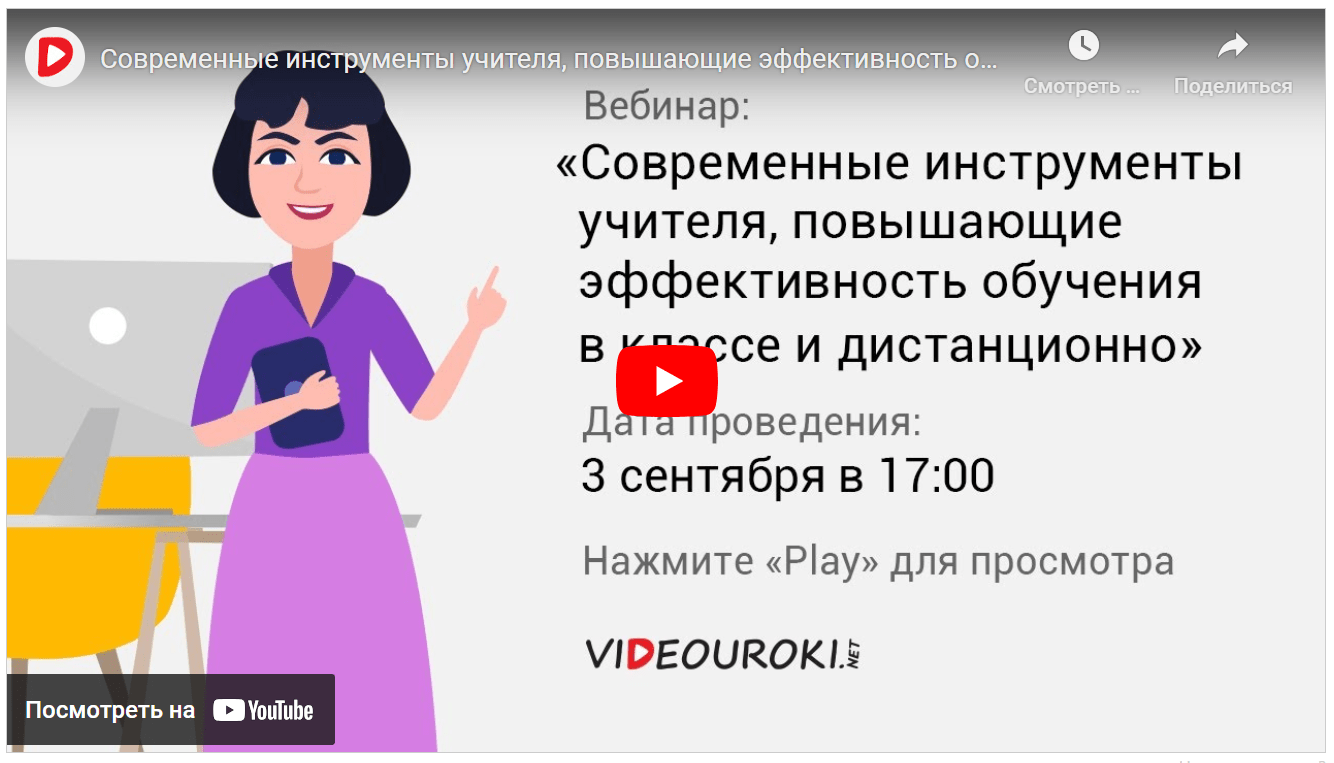
Свидетельство об участии БЕСПЛАТНО!