Uzbekistan, Zafarobod

СДЕЛАЙТЕ СВОИ УРОКИ ЕЩЁ ЭФФЕКТИВНЕЕ, А ЖИЗНЬ СВОБОДНЕЕ
Благодаря готовым учебным материалам для работы в классе и дистанционно
Скидки до 50 % на комплекты
только до
Готовые ключевые этапы урока всегда будут у вас под рукой
Организационный момент
Проверка знаний
Объяснение материала
Закрепление изученного
Итоги урока

Был в сети 12.02.2019 19:07
Haydarov Farhod Oybekovich
english teacher
 2 123
2 123
 33 547
Местоположение
Специализация
Lesson summaries
Категория:
Английский язык
22.01.2019 19:05

Просмотр содержимого документа
«Lesson summaries»
Deputy Director on educational affairs ________________
| Date | | Form | 1 “B/G” |
| Theme | Unit 14 Fairy world. Lesson 3 Little Mook. | ||
Aims of the lesson
| Educational | to learn how to say connected sentences |
| Developing: | to enable pupils to speak about different themes saying connected sentences |
| Socio-cultural | to raise awareness of oriental fairy tales and their positive and negative characters. |
| Motto | The lesson is holly. |
| Type | Lessons of communication of new knowledge; Lessons of fixation of knowledge and of developing skills and abilities; Combined (mixed) lessons. |
| Method | Modern, interactive |
| Equipment | the textbook of the 1st form, Kid’s English. Blackboard and Crayons, markers, colour flashcards, pictures, Lap top. TV-set, DVD of the book, puppets. Flashcards. |
| Pivot words | Recycling the vocabulary learnt in previous units |
Learning outcomes: By the end of the lesson, pupils will be able to: to talk about different themes
The procedure of the lesson:
| Steps | 1 | 2 | 3 | 4 | 5 | 6 | 7 | 8 |
| Minutes | 2 | 10 | 5 | 10 | 10 | 2 | 3 | 3 |
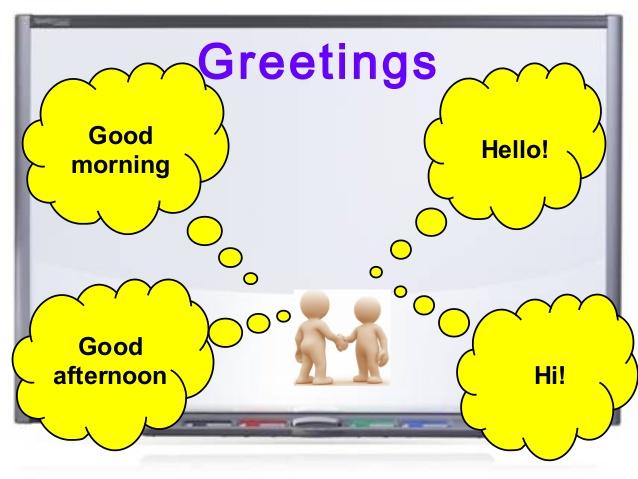
1.Organizational part: Greeting. Working with pupils on duty.
To sing the song How are you today?
Good morning, Good morning, Good morning how are you?
I am fine, I am fine, I am fine thank you!
Good afternoon, Good afternoon, Good afternoon how are you?
I am not good, I am not good, I am not good or no!
Good evening, Good evening, Good evening How are you?
I am great, I am great, I am great thank you!
Ok. Boys and Girls. Welcome to our English Lesson!
Well! Where do we live?
We live in Zafarabad.
Where are we from?
We are from Uzbekistan.
Who old are you?
We are 8 years old.
How are you today?
OK. Good. Great. So…So
2. Revision of lessons learnt, checking homework.
Lets’ remember what we had learnt during our academic year.
1st let’s count from 1-20. And sing the song One, two, three, four, five jump.
3. New theme. Unit 14 Fairy world. Lesson 3 Little Mook.
4. The aim of the lesson: to talk about different themes
5.Explanation of theme.
Ex: 1 page: 114 (to recycle counting) to recycle counting 1-12. Say that today the pupils will learn the fairy tale about Little Mook and ask if they have ever watched the cartoon or film of such a fairy tale. If their answer is “Yes”, it will be easy for them to do the tasks. If their answer is “No”, tell them the beginning of the story and the part which tells about Little Mook’s getting into the house of a witch and her cats.
Then ask the pupils to look at the picture and help Little Mook to find and count the hidden cats all about the room. The pupils must find 12 cats.

Ex: 2 page: 114 (Look and answer) to give further information about the story. Further, ask the children to look at the picture and say what they think will happen. After getting some answers explain that Little Mook gets into a magic garden. It is guarded by dragon Adjarkhi. However, it allows Little Mook to eat fruits from the magic garden, but warns that the fruits can be bewitched.

Ex: 3 page: 114 ( Look, listen and match) to develop the pupils’ listening abilities. Explain that you will now tell the pupils the rest of the fairy tale about Little Mook which they should listen attentively and match the fruits and parts of the head on the right hand page of the book by drawing lines between them.
Then they should write the number of the fruit they hear. For example in the first sentence of the story Little Mook eats watermelon. The pupils shoud write number 1 in the box next to the watermelon.
According to the story:
Little Mook’s head becomes big when he eats the watermelon.
His head becomes normal when he eats an apricot.
His nose grows long when he eats a plum.
His nose becomes normal when he eats cherries.
His ears grow long when he eats a banana.
His ears become normal when he eats a peach.

Play a game: Matching halves. Teacher will give pupils the pictures of fruits and animals. They will find the second part of the picture and will tell the name of fruit or animal.
6.Consolidation
Listen and tick.

7. Homework: Explain to the pupils that at home they should colour the pictures on the right hand page and ask about them. For example: Little Mook has got long ears.
Ask the pupils to bring or make a mask of an animal. The next lesson they will play a game.
8. Assessment: Marking pupils according to their homework and activities during the lesson.

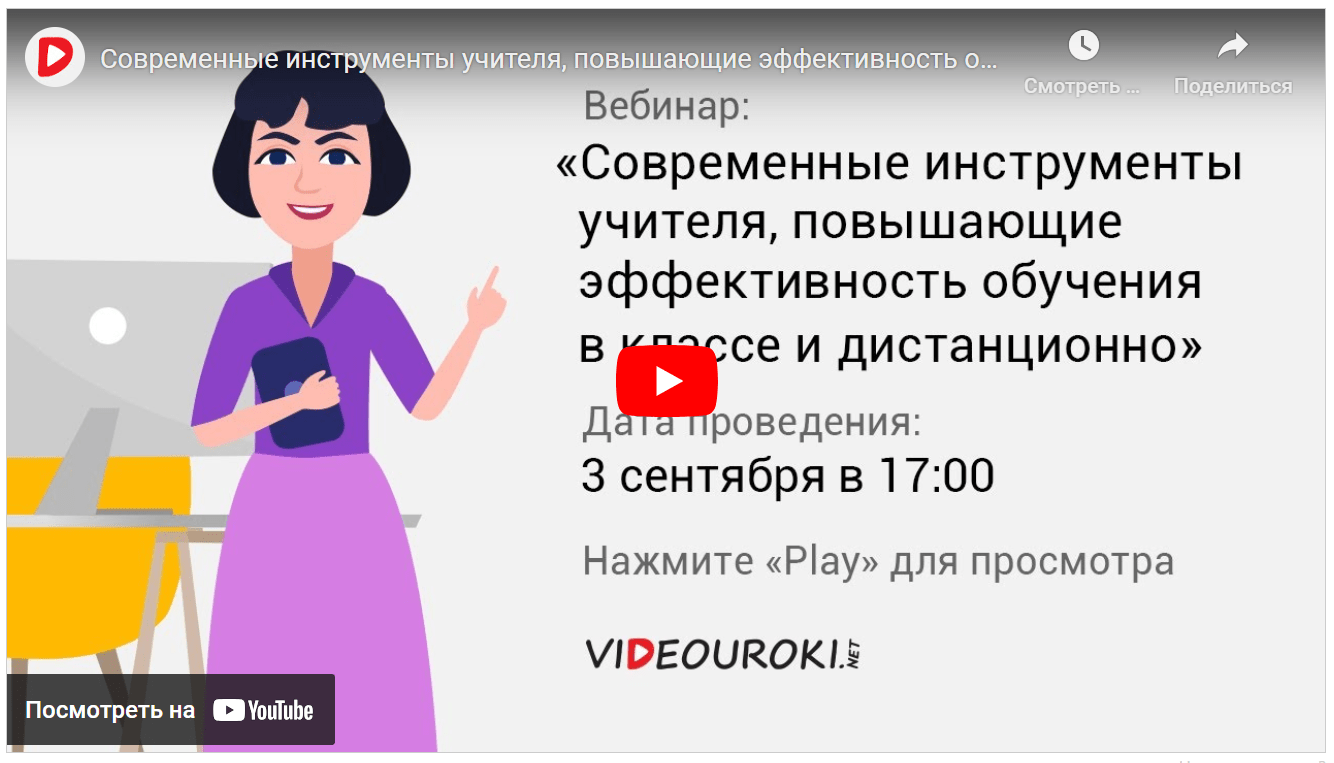
Вебинар для учителей
Свидетельство об участии БЕСПЛАТНО!