
СДЕЛАЙТЕ СВОИ УРОКИ ЕЩЁ ЭФФЕКТИВНЕЕ, А ЖИЗНЬ СВОБОДНЕЕ

Благодаря готовым учебным материалам для работы в классе и дистанционно

Скидки до 50 % на комплекты
только до

Готовые ключевые этапы урока всегда будут у вас под рукой

Организационный момент

Проверка знаний

Объяснение материала

Закрепление изученного

Итоги урока
Обучение говорению

Нажмите, чтобы узнать подробности

Данная папка содержит материал обобщенный мною по теме "Обучение говрению (диалогической речи)".

Просмотр содержимого документа
«СКОРОГОВОРКИ»

[ æ ] I can can a can

[ au ] Clowns grow glowing crowns.

[ b ] Betty Botter bought some butter but, said she, the butter's bitter.
If I put it in my batter, it will make my batter bitter.
But a bit of better butter will make my bitter batter better.
So she bought some better butter, better than the bitter butter,
put it in her bitter batter, made her bitter batter better.
So 'twas better Betty Botter bought some better butter

Blake's black bike's back brake bracket block broke.

The batter with the butter is the batter that is better!


[ oi ] What noise annoys an oyster most?
A noisy noise annoys an oyster most.

[ ai ] Ripe white wheat reapers reap ripe white wheat right.

Sunshine city, sunshine city, sunshine city, ...

[ i : ] Each Easter Eddie eats eighty Easter eggs.

She slits the sheet she sits on.

[ au ] A rough-coated, dough-faced, thoughtful ploughman strode through the streets of
Scarborough; after falling into a slough, he coughed and hiccoughed.

[ t ] A twister of twists once twisted a twist.
and the twist that he twisted was a three twisted twist.
now in twisting this twist, if a twist should untwist,
would the twist that untwisted untwist the twists.

Red lolly, yellow lolly.

Miss Smith's fish-sauce shop seldom sells shellfish.

[ g ] Great gray goats

How many yaks could a yak pack pack if a yak pack could pack yaks?

Can you imagine an imaginary menagerie manager
imagining managing an imaginary menagerie?

[ s ] Sister Suzie sewing shirts for soldiers
Such skill as sewing shirts

There's a sandwich on the sand which was sent by a sane witch.


[ p ] Peter Piper picked a peck of pickled peppers.
A peck of pickled peppers Peter Piper picked.
If Peter Piper picked a peck of pickled peppers,
Where's the peck of pickled peppers Peter Piper picked?

[ r ] Richard's wretched ratchet wrench.

Rubber baby buggy bumpers.

.

[ ks ] A box of biscuits,
a box of mixed biscuits,
and a biscuit mixer.

[ d ] When a doctor doctors a doctor,
does the doctor doing the doctoring
doctor as the doctor being doctored wants to be doctored or
does the doctor doing the doctoring doctor as he wants to doctor?

[ w ] If two witches would watch two watches, which witch would watch which watch?

[ ∫ ] The soldier's shoulder surely hurts!

[ s ] She sees seas slapping shores.

Six sick sea-serpents swam the seven seas.

There was a little witch which switched from Chichester to Ipswich.

[ k ] She brews a proper cup of coffee in a copper coffee pot.

[ i ] Don't spring on the inner-spring this spring or there will be an offspring next spring.

I slit a sheet, a sheet I slit, and on that slitted sheet I sit

[ f ] Five fat friars frying flat fish.

A skunk sat on a stump and thunk the stump thunk,
but the stump thunk the skunk stunk.

I'm not the fig plucker,
nor the fig pluckers' son,
but I'll pluck figs
Till the fig plucker comes.

The sixth sheik's sixth sheep 's sick.

One black beetle bled only black blood, the other black beetle bled blue.

The big black bug's blood ran blue.

Ray Rag ran across a rough road.
Across a rough road Ray Rag ran.
Where is the rough road Ray Rag ran across?

A Tudor who tooted the flute
tried to tutor two tooters to toot.
Said the two to the tutor,
"Is it harder to toot or
to tutor two tooters to toot?"

A big black bug bit a big black bear and made the big black bear bleed blood.

How much wood could a woodchuck chuck
if a wooodchuck could chuck wood?
A woodchuck could chuck as much wood
as a woodchuck would chuck
if a woodchuck could chuck wood.

I thought a thought. But the thought I thought wasn't the thought
I thought I thought.
If the thought I thought I thought had been the thought I thought,
I wouldn't have thought so much.

She sells sea shells on the seashore.
The seashells she sells are seashells she is sure.

Plain bun, plum bun, bun without plum.

Six stick shifts stuck shut.

The king would sing, about a ring that would go ding.

People pledging plenty of pennies.

To begin to toboggan first, buy a toboggan.
But do not buy too big a toboggan!
Too big a toboggan is too big a toboggan to buy to begin to toboggan.

Switch watch, wrist watch.

Six thick thistle sticks.

Irish wristwatch


Slippery sleds slide smoothly down the sluice-way


Around the rugged rocks the ragged rascal ran


How now, brown cow?


B A big black bug bit a big black bear, made the big black bear bleed blood.

A black cat sat on a mat and ate a fat rat. What a black cat!

B Blake's black bike's back brake bracket block broke.


B-TT The batter with the butter is the batter that is better!


Bl-Bee One black beetle bled only black blood, the other black beetle bled blue.


C The rate collector correctly collected two or three thick straw thatches


Ea Each Easter Eddie eats eighty Easter eggs.


F There was a young fisher named Fisher who fished for a fish in a fissure.


A fitful young fisher named Gabriel Fisher
Once fished for some fish in a fissure
Till a fish with a grin
Pulled the fisherman in -
Now they are fishing the fissure for Fisher

F

The fish with a grin, pulled the fisherman in; now they're fishing the fissure for Fischer.

Five fit fishers shipped six thick fish dishes

Fl

A flea and a fly flew up in a flue. Said the flea, "Let us fly!" Said the fly, "Let us flee!" So they flew through a flaw in the flue.

Gr-G Great gray goats


M-N-G

Can you imagine an imaginary menagerie manager
imagining managing an imaginary menagerie?

Oi-Oy

What noise annoys an oyster most?
A noisy noise annoys an oyster most.

Ow Clowns grow glowing crowns.


Pe-Pi

Peter Piper picked a peck of pickled peppers.
Did Peter Piper pick a peck of pickled peppers?

R-Wh

Ripe white wheat reapers reap ripe white wheat right.

S Short sails should sail surer seawards


S-Sh The soldier's shoulder surely hurts!

S-W-Ch There's a sandwich on the sand which was sent by a sane witch.

Sh Shy Shelly says she shall sew sheets.

Sh-S-Sl She sees seas slapping shores.

Si-Sea Six sick sea-serpents swam the seven seas.

Si-Sh The sixth sick sheik's sixth sheep's sick.

Si-St Six stick shifts stuck shut.

Sl-Sh I slit the sheet, the sheet I slit, and on the slitted sheet I sit.

St-Sk-Th A skunk sat on a stump and thunk (thought) the stump stunk, but the stump thunk the skunk stunk.

Sw Swan swam over the sea. Swim, swan, swim! Swan swam back again. Well swum, swan!

T Theo thrust a thumb through two or three thick straw thatches

The two-twenty-two train tore through the tunnel.

T-W-Ch

If two witches would watch two watches, which witch would watch which watch?

Tw Twelve twins twirled twelve twigs.


Tw-Th

A twister of twists once twisted a twist.
and the twist that he twisted was a three twisted twist.
now in twisting this twist, if a twist should untwist,
would the twist that untwisted untwist the twists.

W-Ch-Sh-Ck Which witch wished which wicked wish?


W-One

One-One was a racehorse; Two-Two was one, too.
When One-One won one race, Two-Two won one, too.

W-Th

Whenever the weather is cold.
Whenever the weather is hot.
We'll whether the weather,
whatever the weather,
whether we like it or not.

A flea and a fly in a flue
Were imprisoned, so what could they do?
Said the fly, "Let us flee!"
"Let us fly!" said the flea.
And they flew through a flow in the flue


He sighed, she sighed, they both sighed, side by side, down beside the river side.


Pansies purple, poppies red,

Primrose pale with golden head. (p)

Lovely colours gleaming brightly,

Laughing water lapping lightly. (l)

William Winter and Walter Wilkins always wash the walls between the windows white with water. (w)   


Просмотр содержимого документа
«2»

Упражнения "Типы вопросительных предложений" (с ответами)

1. Задайте общие вопросы к предложениям.

Н-р: Mary grows beautiful flowers in the garden. (Мэри выращивает красивые цветы в саду.) – Does Mary grow flowers in the garden? (Мэри выращивает цветы в саду?)

The weather is cold today. (Сегодня холодная погода.) – Is the weather cold today? (Погода холодная сегодня?)

  1. John was tired after work. (Джон устал после работы.)

  2. We live in a small town. (Мы живем в маленьком городке.)

  3. Summer has started at last. (Лето началось, наконец-то.)

  4. They have already left. (Ониужеушли.)

  5. My parents got married in Paris. (Мои родители поженились в Париже.)

  6. She can lose her temper easily. (Она может легко выйти из себя.)

  7. The party will start in time. (Вечеринканачнетсявовремя.)

  8. The dogs are sleeping. (Собакиспят.)

  9. The umbrella was broken. (Зонтбылсломан.)

  10. He always gives money to homeless children. (Он всегда дает деньги беспризорным детям.)


2. Задайте специальные вопросы к предложениям, начиная с вопросительных слов в скобках.

Н-р: I am interested in psychology. (What…?) (Я интересуюсь психологией.) – What are you interested in? (Чем ты интересуешься?)

A strange man came here last night. (When…?) (Странный человек приходил сюда прошлой ночью.) – When did the strange man come here? (Когда приходил сюда странный человек?)

  1. The twins were born in June. (When…?) (Близнецы родились в июне.) (Когда…?)

  2. We had a great time in Disneyland. (Where…?) (Мы классно провели время в Диснейлэнде.) (Где…?)

  3. Mr. Black can play chess very well. (How…?) (Мистер Блэк умеет играть в шахматы очень хорошо.) (Как…?)

  4. The salad is not fresh. (Why…?) (Салат несвежий.) (Почему…?)

  5. My wife prefers juice to tea. (Who…?) (Моя жена предпочитает сок вместо чая.) (Кто…?)

  6. Tom orders Japanese food every Friday. (What…?) (Том заказывает японскую еду каждую пятницу.) (Что…?)

  7. I meet a lot of people at work. (Where…?) (Я встречаюсь со многими людьми на работе.) (Где…?)

  8. They will have lunch at home. (Where…?) (Они будут обедать дома.) (Где…?)

  9. The film has just started. (What film…?) (Фильм только что начался.) (Какой фильм…?)

  10. I have been to the doctor. (Where…?) (Я был у врача.) (Где…?)

3. Задайте альтернативные вопросы к предложениям, используя предлагаемые в скобках варианты.

Н-р: Nick wants to become a lawyer. (Ник хочет стать юристом.) (a waiter - официант) – Does Nick want to become a lawyer or a waiter? (Ник хочет стать юристом или официантом?)

There are five eggs in the fridge. (В холодильнике 5 яиц.) (ten – десять)  – Are there five or ten eggs in the fridge? (В холодильнике 5 или 10 яиц?)

  1. He will study French in Canada. (Он будет изучать французский в Канаде.) (German – немецкий)

  2. They are football fans. (Они – футбольные фанаты.) (hockey – хоккей)

  3. Her granny can tell fortunes from cards. (Ее бабушка умеет предсказывать по картам.) (candles – свечи)

  4. I have made an apple-pie. (Я приготовила яблочный пирог.) (a banana cake – банановый торт)

  5. Ann bought a nice dress yesterday. (Аня купила красивое платье вчера.) (a skirt – юбка)

  6. This car was manufactured in Japan. (Эта машина была произведена в Японии.) (Germany – Германия)

  7. They must pay for the taxi. (Они должны заплатить за такси.) (the lunch  - обед)

  8. The post-office opens at 9. (Почта открывается в 9.) (at 8 – в восемь)

  9. Fiona and John paint their house every five years. (Фиона и Джон красят свой дом каждые 5 лет.) (their bedroom – их спальня)

  10. She visited all the museums in Istanbul. (Она посетила все музеи в Стамбуле.) (the shops – магазины)

4. Выберите из правой колонки верное окончание разделительного вопроса. Переведите вопросы.

Н-р:   1 – е  (Она необщительна, не так ли?)

  1. She isn’t sociable,                                     a. mustn’t they?

  2. Mark was satisfied,                                    b. do they?

  3. Your kids never argue with you,                  c. didn’t she?

  4. Let’s dance,                                             d. do you?

  5. Tom can dive well,                                    e. is she?

  6. Our partners must keep their word,              f. won’t it?

  7. Helen has washed up,                                g. doesn’t she?

  8. You don’t trust me,                                    h. wasn’t he?

  9. Your mum works as an accountant,              i. hasn’t she?

  10. It will be cloudy tomorrow,                         j. did they?

  11. Betty found a new job,                               k. can’t he?

  12. They didn’t sell their car,                             l. shall we?


Ответы:

1.

  1. Was John tired after work?

  2. Do you live in a small town?

  3. Has summer started at last?

  4. Have they already left?

  5. Did your parents get married in Paris?

  6. Can she lose her temper easily?

  7. Will the party start in time?

  8. Are the dogs sleeping?

  9. Was the umbrella broken?

  10. Does he always give money to homeless children?

2.

  1. When were the twins born?

  2. Where did you have a great time?

  3. How can Mr. Black play chess?

  4. Why isn’t the salad fresh?

  5. Who prefers juice to tea?

  6. What does Tom order every Friday?

  7. Where do you meet a lot of people?

  8. Where will they have lunch?

  9. What film has just started?

  10. Where have you been?

3.

  1. Will he study French or German in Canada?

  2. Are they football or hockey fans?

  3. Can her granny tell fortunes from cards or candles?

  4. Have you made an apple-pie or a banana cake?

  5. Did Ann buy a nice dress or a skirt yesterday?

  6. Was this car manufactured in Japan or Germany?

  7. Must they pay for the taxi or the lunch?

  8. Does the post-office open at 9 or 8?

  9. Do Fiona and John paint their house or their bedroom every five years?

  10. Did she visit all the museums or the shops in Istanbul?

4.

  1. е

  2. h – Марк был доволен, не так ли?

  3. b (наречие never делает первую часть предложения отрицательной) – Твои дети никогда не спорят с тобой, не так ли?

  4. l – Давай потанцуем, хорошо?

  5. k – Том умеет хорошо нырять, не так ли?

  6. а – Наши партнеры должны держать свое слово, не так ли?

  7. i – Хелен помыла посуду, не так ли?

  8. d – Ты мне не доверяешь, не так ли?

  9. g – Твоя мама работает бухгалтером, не так ли?

  10. f – Завтра будет облачно, не так ли?

  11. с – Бетти нашла новую работу, не так ли?

  12. j – Они не продали свою машину, не так ли?


Просмотр содержимого документа
«22882121935»


Муниципальное бюджетное общеобразовательное учреждение средняя общеобразовательная школа № 26 Советского района городского округа г. Уфа Республики Башкортостан


JAZZ CHANTS

(подборка чантов)



Исмагилова Гульгуль Шагитовна,

учитель английского языка высшей категории


Уфа 2013год

Пошаговая организация работы

с джазовыми чантами

Шаг 1: Учащимся предъявляется название чанта и предлагается представить о чем может идти в нём речь.

Шаг 2: Преподаватель организует предварительную работу по преодолению фонетических, лексических и грамматических трудностей текста.

Шаг 3: Предъявить звукозапись чанта, что позволит учащимся услышать ритм и интонацию.

Шаг 4: Необходимо перевести чант на родной язык.

Шаг 5: Следующий этап это разучивание чанта построчно. Учащиеся повторяют каждую строку за учителем или для этого используется магнитофонная запись. ( Желательно без опоры на текст)

Шаг 6: Учащимся предлагается читать чант про себя с опорой на текст, одновременно прослушивая его в аудиозаписи или в исполнении учителя. Необходимо нацеливать учащихся на максимальное подражание диктору или учителю, что позволит им услышать ещё раз ритм и интонацию. При вторичном прослушивании дети повторяют вслух чант вместе с аудиозаписью.

По мере работы с тем или иным чантом учитель знакомит (закрепляет) у учащихся грамматические правила, объясняет форму образования и особенности употребления того или иного явления.

Шаг 7:Воспроизведение чанта учащимися самостоятельно под фонограмму без слов.


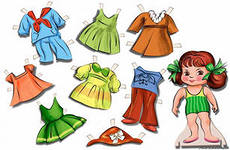
14. Одежда.

Указательные местоимения this/that, these/those


These are my blue jeans


That’s my shirt.


This red shirt? No, that brown shirt.


Those are my shoes.


These brown shoes? No, those black shoes.


This is my jacket.


That green jacket? No, this blue jacket.


That’s my t-shirt.


This white t-shirt? No, that red t-shirt.


These are my jeans.


Those black jeans? No, these blue jeans.


Those are my shorts.


These green shorts? No, those white shorts.


  1. Приветствие


a) Hi! How are you?(два хлопка, взмах рукой)

Hi! How are you?



b) Hello, how are you?

Hello, how are you?

Hello, how are you?

Hello, how are you?


I’m hungry.

I’m tired.

I’m cold.

I’m sad.

I’m happy

I’m cool.

I’m great.

Im OK!


  1. Приветствие (Hello, how are you!)

  2. Сколько тебе лет? (How old is Sue?)

  3. Английский алфавит ( the ABC)

  4. У меня есть брат (I’ve got a brother)

  5. Просьбы. (Stand up,1-2)

  6. Одежда.(What do you wear?)

  7. Неправильные глаголы.(Say-said)

  8. Режим дня (I get up at 7 o’clock)

  9. Давай искупаемся! (Let’s go swimming)

  10. В каком классе ты учишься? (What grade is…?)

  11. В зоопарке.( Where does he work?)

  12. Порядковые числительные.( The first, the second, the third)

  13. У доктора.( I have a headache)

  14. Простите, где находится…?(Excuse me, wheres the…?)

  15. Накрываем на стол.( Knives and forks and spoons)

  16. Уборка мусора (Trash, trash, picking up trash)

  17. Одежда. Указательные местоимения (this/that/these/those)

  18. Sally Speaks Spanish, But Not Very Well

  19. How's His English?


  1. Сколько тебе лет?


How old is Sue?

She is two.

How old is Kavin?

He is seven.

How old is Jim?

He is seventeen.

How old his brother?

He is eleven.

How old is Ben?

He is ten.

How old is Kate?

She is eight.

How old is Lee?

A hundred and three.

It’s great!


3. Глагол to have


I have a brother,

I have a brother, too.

We don’t have a brother

But we have a sister Sue.

She has a brother

He has a brother, too.

They don’t have a brother.

But they have a sister Sue!


4. Буквы английского алфавита



ABCDE

Stand up and look at me!

FGHIJ

I play football every day!

KLMNO

I like Kate from all!

PQRST

Hi! People, listen to me!

VUWXYZ

The alphabet is in my head!


5. Обучение просьбам и приказам.

Изучение числительных 1-10.


Sit down! One, two,

Look at your shoe.

Stand up! Three, four,

Look at the door!

Be quiet, listen and look! (2 раза)

Walk ! Five, six, seven and eight!(2 раза)

Stop! Open the door!

Stop! Close the door!

Come here! Stop!

Write the date!

Back up! Nine, ten

Say it again!

10,9,8,7,6,5,4,3,2,1!


6.Одежда.


What do you wear on you head? A hat.


What do you wear on your hands? Gloves.


What do you wear on your feet? Socks and shoes. (2 раза)


7. Неправильные глаголы


Say - said.

Stop on red.

Eat - ate,

Don’t be late.

Break - broke.

Have a Coke.

Take - took.

Learn to cook.

Speak - spoke.

Tell a joke.

Write - wrote.

Get off the boat!


8. Режим дня (отработка Present Simple и времени)


Here’s my day

This is what I do.


I get up at 7 o’clock.

7 o’clock?

7 o’clock.

I take a shower at 7.30.

7.30?

7.30.

I have breakfast at 7.45

7.45?

7.45.

I go to school at 8.15.

8.15?

8.15.

I have classes at 9 o’clock.

9 o’clock?

9 o’clock.

I have lunch at1o’clock.

1 o’clock ?
1o’clock.

I go home at 5.15.

5.15?

5.15

I have dinner at 7.30.

7.30?

7.30.

I go to bed at 1.45.

10 .45?

10.45

And then I start all over again.


9. Давай искупаемся !t62


Come on!

Let’s go swimming

Let’s go!

Let’s go swimming now!

Oh, no I can’t go swimming

Why?

I don’t know how.

Don’t worry! I can help you.

I can teach you how.


10. В каком классе ты учишься? t 26


What grade are you in?

I’m in the fourth grade.

And what about you?

I’m in the fourth grade, too.

What grade is Freddy.

He’s in the fifth grade.

What about Sue?

She’s in the fifth grade, too

Fred’s in the fifth grade

So is Sue

What about Tom?

He ‘s in the fifth grade ,too.

Jackm is in the sixth grade.

What about Bill?

He is in the eighth grade

With Ann and Will.


11. В зоопарке (Present Simple) t21


Wow!

How‘s a wonderful job!

Where does he work?

He works at the zoo.

When does he work?

From 92.

What does he do from 92?

What does he do at the zoo?

He feeds the tigers.

What do they eat?

Lots and lots and lots of meat.

He feeds the ducks with wonderful dish

What do they eat?

Lots of fish.

He loves his job

He’s always there

To brush, to comb and holy their.


12. Порядковые числительные. t24


I’m first

I’m second

I’m third (XX)


First(x)

Second(x)

Third.(x)


I’m fouth

I’m fifth

I’m sixth


Fouth

Fifth

Sixth


13. Здоровье. У доктора.


Head, head,

I have a headache.

I have a headache,

And my eyes hurt!


Stomach, stomach,

I have a stomach ache.

I have a stomach ache,

And I have the flu!


Ear, ear,

I have an earache.

I have an earache,

And I have a fever! Tooth, tooth,

I have a toothache.

I have a toothache,

And a sore throat!


Back, back,

I have a backache.

I have a backache,

And my knee hurts!


I have a headache,

I have an earache,

A toothache, a backache,

And a sore throat.

Oh, dear. Next, please!


14. Простите, где находится … ?


Excuse me, where’s the coffee shop?

Not here, it’s across from the exit.


Excuse me, where’s the coffee shop?

It’s between the phone booth and luggage locker.


Excuse me, where’s the coffee shop?

It’s in front of the restrooms.


Excuse me, is this a coffee shop?


Yes, it is

But, sorry it is closed.


Oh, no!


16. Накрываем на стол.



Knives and forks and spoons,

Knives and forks and spoons,


First you have to set the table.


Knives and forks and spoons,


Then it’s time to have your dinner,


Knives and forks and spoons,


Then you have to clear the table.


Knives and forks and spoons,


Then you have to wash the dishes.


Knives and forks and spoons,


Set the table,

Have your dinner,

Clear the table,

Wash the dishes,


Knives and forks and spoons,

Knives and forks and spoons.


  1. Защита окружающей среды.


Trash, trash, picking up, picking up trash.

Trash, trash, picking up, picking up trash.


We’re picking up trash all day


Picking up trash and throwing it away.

Trash, trash picking up, picking up trash.


Picking up bottles, plastic, glass,

bottle tops, candy wrappers, paper on the grass


Trash, trash, picking up, picking up trash.


  1. Sally Speaks Spanish, But Not Very Well


Sally speaks Spanish, but not very well.


When she tries to speak Spanish,


you really can't tell


What language she's speaking


or trying to speak.


The first time I heard her,


I thought it was Greek.


  1. How's His English?


His English is wonderful,


he speaks very well.


His accent is perfect.


You really can't tell


That he isn't a native of the U.S.A.


There's only one problem,


he has nothing to say.


“Jazz сhants”--повторяющееся пропевание, скандирование слов и фраз в заданном ритме под музыкальное сопровождение в стиле джаз или рэп.


Каролин Грэхэм говорила: «Я слышала потенциально возможные чанты везде. Почти всё начинало звучать как джазовый чант».


Вскоре Грэхэм начала писать чанты, основанные на разговорном американском Английском языке и использовать их в своих классах, где она преподавала. Так родились известные Jazz Chants.


В период с 1980 по 1990 джазовые чанты широко распространились как педагогическая технология по всему миру.


Профессор Грэхэм начала проводить практические семинары для учителей английского в США, Мексике, Канаде, Европе, демонстрируя свою технологию и объясняя, как учителя могут создавать свои собственные джазовые чанты. На этих семинарах учителя начальной школы попросили Грэхэм создать джазовые чанты для детей. Они оценили потенциал этих энергичных новых подходов к изучению языка для учеников начальной школы, осознав, насколько ритмические образцы джазовых чантов близки детским играм и естественной потребности детей к движению. Джазовые чанты пережили методологические изменения и остаются одной из наиболее популярных технологий в преподавании английского языка за рубежом.


Несколько советов Кэролин Грэм по презентации чантов:


- Объясните содержание чанта, используя картинки, игрушки, другие наглядные средства;


- Прослушайте первый вариант записи чанта с целью знакомства детей с изучаемым материалом;


- Повторите с детьми наиболее трудные звуки, слова или части грамматических структур;


- Повторите с детьми каждую строчку чанта последовательно; ученики могут повторять за вами, либо за аудиозаписью;


- Предложите детям тексты чантов, прослушайте первую запись ещё раз, прочитайте текст чанта сначала без записи, стараясь следовать скорости и ритму, предложенному на кассете.


- Прослушайте вторую запись чанта, исполните чант вместе с записью несколько раз;


- Как только ученики хорошо освоят чант, разделите их на две группы, большинство чантов может быть исполнено по ролям, в виде диалогов.


Сборники песен и джазовых чантов Кэролин Грэм:


Jazz chants for children”, Oxford University Press;


Small Talks”, Oxford University Press;


More Jazz Chants”, Oxford University Press;


Let's Chant, Let's Sing”, Oxford University Press.

Просмотр содержимого документа
«3»

Упражнение 1. Составьте специальные вопросы из предложенных слов.

are / this / at / Why / like / looking / you / me? -

do / to / university / What / enter / you / want? -

Nick / his / How / does / after / disease / feel? -

How / were / people / there / the / many / street / in?-

are / holidays / Where / for / you / going / your?-


Упражнение 2. Ask special questions to the sentences beginning with the words given in brackets. Example: I saw him yesterday. (where?) Where did you see him?

Some children do stupid things. (why?)

I am looking for my watch (what?)

His penfriend lives in London. (where?)

We met after school yesterday. (when?)

She'll come to the party. (with whom?)

English is spoken in many countries. (what countries?)

He was not prepared for the test. (why?)

They were playing a game when I came. (what game?)

I have made some mistakes in this exercise (how many?)

He has given me his old camera. (what?)


Упражнение 3. Write questions to the sentences.

Example I'll change my hobby. (why) Why will you change your hobby?

They didn't expect me when I came. (who)

You can find out the timetable of trains at the railway station (where)

They have practised the song for two days. (how long)

I will never scold my own children. (why)

Ted was lucky to join the basketball team. (who)


Упражнение 4. White questions to which the following sentences are answers.

A lesson lasts forty minutes.-

We had only five lessons.-

I am reading a rule now. -

We haven't examinations this year. -

The holiday will start next month.

I was looking out of the window at that moment.

There are no problem children in my class.

All tests are prepared by the teachers.

My mother came to school.

I was given another text.


Упражнение 6. Write questions to the underlined words. – поставить вопросы к выделеннымсловам

The sportsman has achieved good results.

Something has bitten me.

I can hardly do it in time.

There was a funny expression on her face.


Просмотр содержимого документа
«4»

Вопросительные предложения.

В русском языке вопросы могут быть выражены при помощи вопросительной интонации с сохранением обычногопорядка слов повествовательного предложения, либо вопросительной интонацией с изменением обычногопорядка мест подлежащего и сказуемого.

В английском языке, кроме интонации, вопросы имеют порядок слов, отличающейся от порядка словповествовательного предложения. Это отличие состоит в том, что вспомогательный или модальный глаголыставятся в начале предложения перед подлежащим.

Способ выражения мыслей у англичан и говорящих на русском языке не всегда совпадает. В русском языке

3 времени, а у англичан  16 грамматических времен.

В русском языке порядок слов почти свободный, а в английском языке  строго определенный. Если мы хотим,чтобы нас понимали англичане, а мы их, необходимо постепенно переходить на психологическую территориюмышления англичан, т.е. рассуждать так, как рассуждают они, а не переносить правила русского языка наанглийский.


Порядок слов в английском вопросительном предложении.

1-е

2-е

3-е

4-е

5-е

6-е


Вопросительное

Слово,

Если оно есть, плюс иногда существительное типа:

Do

Does

Did

Или один из 19-ти самостоятельных глаголов


Подлежащее


Сказуемое

( т.е. глагол)

(в первой форме)


Дополнение

( прямое

–что?

Косвенное

-какой? )


Обстоятельства

(места, времени, образа действия)

What ( books, stories )

Do

My pupils

Мои ученики

Read

Читают


Every day?

Каждый день?


When

Do

My pupils

Read

English

books?


Why

Where

How often

Do

My pupils

Read

English

books?


Who


Read

English

books

Every day ?

Кто


Читает

Английские книги

Каждый день

Whose

(pupils, sister)

Which of them

Вопросы к подлежащему и его определению задаются без вспомогательных глаголов:do,does,did


Read(s)

English

books

Every day ?


Я ошибся

Перепутал

I have got it wrong.

I confused it.

I mixed it.

I have got it all mixed up.


Вопросительные слова.

When  когда

What  что, какой

Where  где, куда

Who  кто

Whom  кому

Whose  чей

Which - который

How  как

How many

сколько

How much


Виды вопросов.

  1. Общий вопрос , это вопрос ко всему предложению. На него можно дать 2 ответа ( Да – Нет)

1-е

место

2-е

место

3-е

место

4-е

место

5-е

место

Сильные глаголы

Или

Вспомогательныеглаголы


Подлежащее


Смысловые

глаголы


Дополнение

Обстоятельство местаили времени

Do

I

You

We

They

Read

The book

Today?

Does

He

She

It

Read

The book

Today?

Can

I

You

We

They

He

She

It

Read

The book

Today?


1 вид: общие ( т.е. вопросы к глаголу )

  1. We know English a little.

Мы знаем английский немного.

  1. He knows Spanish a little.

Он знает испанский немного.

  1. They knew the new words.

Они знали новые слова.

  1. He was in England a year ago.

Он был в Англии год назад.

  1. She has come back from school.

Она пришла уже из школы.


Do we know English a little?

Знаем мы английский немного?

Does he know Spanish a little?

Знаете он испанский немного?

Did they know the new words?

Знали они новые слова?

Was he in England a year ago?

Был он в Англии год назад?

Has she come back from school?

Пришла она из школы?


  1. Специальный вопрос, вопрос, который задают при помощи вопросительных слов, с целью получения большей информации.

1-е место

2-е место

3-е место

4-е место

5-е место


Вопросительное слово


Вспомогательные

Сильные глаголы


Подлежащее


Глагол


Дополнение

When

does

he

read

a book

Where

do

they

read

a book


2 вид: специальные ( т.е. вопросы, которые начинаются с разных вопросительных слов, типа: when,why,where,how,но не со слова who ( whose)

  1. We know English a little.


  1. He knows Spanish a little.


  1. They knew the new words.


  1. He was in England a year ago.


  1. She has come back from school.

How do we know English?

Как мы знаем английский?

Why does he know Spanish a little?

Почему он знает испанский чуть-чуть?

What words did they know?

Какие слова они знали?

Where was he a year ago?

Где он был год назад?

Why has she come back from school so early?

Так рано?

Как видите, в специальных вопросах перед:

Do

Does (или одним из 19-ти ставится любое вопросительное слово,

Did глаголов) кроме who ( whose)

Слово, who (кто) whose (fiend) ( чей друг) употребляются, когда хотят задать вопрос к подлежащему или его определению.

Но об этом мы ещё поговорим…

  1. Альтернативный вопрос, т.е. в вопросе выражается выбор, но структуре он задаётся так же как и общий. Выбор вводитсясловом « or» - или.

1 место

2 место

3 место

4 место

5 место


Do

I

You

He, She

They


Read


A book or

Na text?


Can

I , We

She , He

It


Read


Or write?


3 вид: альтернативные ( т.е. когда в вопросе выражается возможность выбора )

1. We know English a little.


2. He knows Spanish a little.


3. They knew the new words.

4. He was in England ago.

5. She has come back from school.

Do we know English or French a little?

Мы знаем английский или французский немного?

Does he know Spanish or Danish?

Он знает испанский или датский?

Did they know the new or the old words?

Was he in England or in France a year ago?

Has she come back from school or from the shop?

Задавать альтернативные вопросы, как правило, нетрудно.

Это моя ошибка That is my fault

Нет ещё Not yet


4.Вопрос к подлежащему, его задают без помощи вспомогательного глагола (do,does,did)

1 место

2 место

3 место

4 место


Подлежащее


Сказуемое


Дополнение


Обстоятельство

I

Who

She

Who

Read

Read

Read

Read

A book

A book

A book

A book

Today

Today

Today

Today


4 вид : вопросы к подлежащему и его определению

( задаются без do, does, did )

  1. We know English a little.


  1. He knows Spanish a little.


  1. She knew the new words.


  1. He was in England a year ago.


  1. She has come back from school.


  1. His mother has come back from the shop.

Who do knows English a little?

Кто знает английский немного?

Who does knows Spanish a little?

Кто знает испанский немного?

Who did knew the new words?

Кто знал новые слова?

Who was in England a year ago?

Кто был в Англии год назад?

Who was come back from school?

Кто пришёл из школы?

Whose mother has come back from the shop?

Чья мама пришла из магазина?


5.Разделительный вопрос или (хвостовые вопросы).

В них не меняется порядок слов. Вопрос состоит из 2-ух частей, если 1 часть утвердительная, то 2 часть отрицательная инаоборот.

1

подлежащее

2

сказуемое

3

дополнение

4

обстоятельство

She

Reads

A book ,

doesn’t she?

I

Don’t read

A book ,

do I?

I

Am reading

A book ,

aren’t I?

В хвостовой части, имена собственные и существительные меняются на местоимения.


5 вид: разделительные ( или хвостовые) вопросы

  1. We want to live by the sea-side.

Мы хотим жить у моря.


  1. He gets up very early.

Он встаёт очень рано.


3. They wrote me a letter last week.

Они написали мне письмо на прошлой недели.


We want to live by the sea-side, don’t we?

Мы не хотим жить у моря, не так ли?

He gets up very early, doesn’t he?

Он встаёт очень рано, не так ли?

They wrote me a letter last week, didn`t they?

Они написали мне письмо, не так ли?

4. They did not buy a car in Paris.

Они не купили машину в Париже.


5. He could not translate this story.

Он не смог перевести эту историю.

They didn’t buy a car in Paris, did they?

Они не купили машину в Париже, не так ли?

He could not translate this story, could he?

Он не смог перевести эту историю, не так ли?


Алгоритм действий для правильного построения вопросительных предложений.

  1. Переведи предложение на русский язык.

  2. Определи в каком времени построено предложение.

  3. Определи есть ли сильный глагол, если есть используй его, чтобы начать строить вопросы.

Если нет, используй вспомогательный глагол.

  1. Смотри на порядок построения вопросительного предложения.

  2. Не забудь поставить знак вопроса в конце предложения.

  3. Помни, вопросительное местоимение who – 3 л.Ед.ч.


Порядок слов в вопросительных предложениях.

1-е

место

2-е

место

3-е

место

4-е

место

5-е

место

6-е

место

Вопросительные

слова (плюс иногда существительное)

Do

Does

Did

Подл.

Сказ.

(т.е. глагол)

Доп. ( что? Какой?)

Обстоят.

(места,

времени,

образа

действия)


What books

When

Why

Where

How many

Whose

Friend (Чей друг)

Which of them

Which of you

Или один из 19 самостоятельных глаголов:

Is

Am

Was

Were

Can

Must

И др.

Pete

Brother

Rabbit

My sister

He

They

И т.д.

В первой форме типа

Like

Want

Play

(без «-s-»,

«-ed-») и др.

Но:«-ing -»

Может быть

Fables

English

Ice-cream

In the garden at school very often once

Who

is


playing


Теперь возьмём несколько предложений, в которых глагол стоит в разных грамматических временах, и зададим вопросы к разным словам:

Пример:

Brother Fox noticed Brother Rabbit against the garden-gate.

Братец – лис заметил Братца – кролика против ворот сада.

  1. Who noticed Brother Rabbit against the garden – gate?

  2. Did Brother Fox notice Brother Rabbit against the garden – gate?

  3. Where did Brother Fox notice Brother Rabbit?

  4. Did Brother Fox notice Brother Rabbit or Brother wolf against the garden – gate?

  5. Brother Fox noticed Brother Rabbit against the garden-gate, didn’t he?

We shall meet you at the station.

Мы встретим вас у станции.

  1. Who will meet you at the station?

  2. Shall we meet you at the station?

  3. Where shall we meet you?

  4. Shall we meet you at the station or at the hotel?

  5. We shall meet you at the station, shan’t we?


He is leaving now.

Он уезжает сейчас.

  1. Who is leaving now?

  2. Is he leaving now?

  3. Is he leaving now or later?

  4. Why is he leaving now?

  5. He is leaving, isn’t he?


-He is leaving now.

-Yes, he is ( leaving now )

-He is leaving now.

-He is leaving now, because it is already late.

-Yes, he is ( leaving )


They have already left for England.

Они уже уехали в Англию.

  1. Who has already left for England?

  2. Have they already left for England?

  3. Where have they left for?

  4. Have they left for England or for France?


  1. They have left for England, haven’t

they?

-They have already left for England.

-Yes, they have already left for England.

-They have already left for England.

-They have left for England.

-Yes, they have already left for England.


He likes to keep his promises.

Он любит сдерживать свои общения.

  1. Who likes to keep his promises?

  2. Does he like to keep his promises?


  1. What does he like to keep?

  2. Does he like to keep his promises or his threats (угрозы)?

  3. He likes to keep his promises, doesn’t he?


He likes (можно: He does)

-Yes, he does. He likes to keep his promises.

-He likes to keep his promises.

-He likes to keep his promises.


-Yes, he does. He likes to keep his promises.


Test 1.

  1. After lunch you phoned someone.

  1. Who rang you?

  2. Who did you ring?


  1. The policeman is interviewing the robber.

  1. Who is interviewing the robber?

  2. Who is the robber interviewing?

  1. … is it from here to St. Petersburg?

  1. How far

  2. How long

  1. … would you like to drink?

  1. Which

  2. What

  1. … of brothers Grimm was the eldest?

  1. Who

  2. What

  3. Which

  1. It’s so cold today … put on your warm coat?

  1. Why you haven’t

  2. Why haven’t you

  1. - … birthday is it today?

  • It’s Janet’s birthday today. She is 19.

  1. Which

  2. Whom

  3. What

  4. Whose


  1. … does it cost to stay at the Hilton Hotel?

  1. How many

  2. How much

  3. What

  1. -… is Pam’s sister? – She’s a secretary at our college.

  1. What

  2. Who

  3. Where

  1. You can have a photo…one would you like?

  1. What

  2. Which

  1. – Tell me something about Fred2s wife…?

  • Oh, she’s about 25, she’s petty and friendly.

  1. What is she?

  2. What does she like?

  3. What is she like?

  4. Who is she?

  1. -… will it take me to learn French?

  • I think you’ll be able to speak in another few months.

  1. How much

  2. How long

  3. What


Test 2.

  1. He can play golf well,…?

  1. , doesn’t he?

  2. ,can he ?

  3. , can`t he?

  1. You are the new secretary, …?

  1. , aren’t you?

  2. , are you?

  3. , don’t you?

  1. Mr. Evans is speaking over the phone,…?

  1. , is he?

  2. , isn’t he?

  3. , doesn’t you?

  1. You like black coffee,…?

  1. , aren’t you?

  2. , don’t you?

  3. , do you?

  1. I’m busy,…?

  1. , aren’t I?

  2. , don’t you?

  3. , do you?

  1. You aren’t well enough. You should stay with either me or your son,…?

  1. , should you?

  2. , shouldn’t you?

  3. , are you?


  1. I’m not ill,…?

  1. , are I?

  2. , am I?

  1. It`s a nice day,…?

  1. , does it?

  2. , is it?

  3. , isn’t it?

  1. There isn’t a cloud in the sky,…?

  1. , is it?

  2. , does it?

  3. , is there?

  1. We haven’t got much time,…?

  1. , do we?

  2. , don’t we?

  3. , haven’t we?

  1. Sam doesn’t work hard,… ?

  1. , is he?

  2. , does he?

  3. , isn’t he?

  1. Oh, there are a lot of photos in the album,…?

  1. , aren’t they?

  2. , aren’t there?

  3. , are there ?

  1. There was nobody there,…?

  1. , was there?

  2. , wasn’t there?

  3. , were there?

  1. Your son didn’t help you much,…?

  1. , did he?

  2. , had he?

  1. They sent a letter the day before yesterday,…?

  1. , did they?

  2. , hadn’t they?

  3. , didn’t they?

  1. My Dad hasn’t read the newspaper yet,…?

  1. , hasn’t he?

  2. , has he?

  3. , did he?

  1. There will be a nice film on TV tonight,…?

  1. , won’t there ?

  2. , will it?

  3. , will there?

  1. Neither your parents nor mine can lend us some money,…?

  1. , can they?

  2. , can’t they?

  3. , do they?

  1. He never uses his car except when it’s necessary,…?

  1. , doesn’t he?

  2. , does he?

  3. , isn’t he?

  1. There’s little point in doing anything about it,…?

  1. , is it?

  2. , isn’t there?

  3. , is there?


Задайте 5 вопросов к предложениям.

  1. Summer is my favourite season.

  2. Autumn comes in September.

  3. I go to school every day.

  4. They have translated many words.

  5. She is going to the college.

  6. Sasha will visit us on Sunday.

  7. He can play chees.

  8. Mary took the medicine yesterday.

  9. The train gas left Moscow.

  10. His friends were playing football.

  11. You have done the task.

  12. He understood something.

  13. The mountains are very high.

  14. They can be seen in our library today.

  15. His book has been already finished.

  16. Usually the floor will be swept.

  17. I use the dictionary.


Просмотр содержимого документа
«5»

Упражнение 1. Расставьте слова в нужном порядке, чтобы получились вопросы:

Пример live you do where. -  Where do you live?

  1. centre the where city is?

  2. is how mother your?

  3. we late are for class?

  4. your is this coat?

  5. where live Kate does?

  6. English does speak brother your?

  7. family sushi do your like?

  8. film start what does time the? 

Упражнение 2. Поставьте слова в правильном порядке.

Пример: does / he / train / how / often? – How often does he train?

  1. summer / Paris / to / went / last/ who?

  2. flowers / Mike’s / grow / in / what / garden?

  3. now / where / they / walking / are?

  4. charge / denied / why / has / a / Lola?

  5. When / visit / grandmother / will / we / our?    

Упражнение 3. Поставьте предложение в вопросительную форму (общий вопрос).

Пример: Michael and Samantha live together. – Do Michael and Samantha live together?

  1. They are at home now.

  2. James played chess with his friend yesterday.

  3. He has been waiting for me all day.

  4. Mary is speaking on the phone now.

  5. Usually I wake up at 6 o’clock.

Упражнение 4. Поставьте предложение в вопросительную форму (общий вопрос).

Пример : Michael and Samantha live together. – Do Michael and Samantha live together?

  1. They are at home now.

  2. James played chess with his friend yesterday.

  3. He has been waiting for me all day.

  4. Mary is speaking on the phone now.

  5. Usually I wake up at 6 o’clock.


Просмотр содержимого документа
«frazy_i_rechevye_klishe_dlya_dialogov_vzaimoponimanie»

ФРАЗЫ И РЕЧЕВЫЕ КЛИШЕ ДЛЯ ДИАЛОГОВ. ВЗАИМОПОНИМАНИЕ.

Начало разговора

Excuse me...

Извините...

Sorry for interrupting you...

Извините за то, что вмешиваюсь...

I would like to speak to you.

Я хотел бы с Вами поговорить.

Are you very busy at the moment?

Вы сейчас очень заняты?

Could you spare me a moment?

Не уделите мне минутку?

Can I have a word with you?

Можно сказать Вам одно слово?

I'll just like to tell you that...

Я лишь хотел сказать Вам, что...

May I ask you a question?

Могу я у Вас спросить?

Взаимопонимание

Вы меня понимаете?

Do you understand me?

Я понимаю Вас.

I understand you.

Я не понимаю Вас.

I don't understand you.

Я вполне понимаю Вас.

I quite understand you.

Я понимаю каждое Ваше слово.

I understand every word you say.

Говорите громче, пожалуйста.

Speak louder, please.

Говорите медленнее, пожалуйста.

Speak slower, please.

Напишите, пожалуйста.

Write it down, please.

Повторите пожалуйста.

Please, say it again.

Спасибо за терпение.

Thank you for your patience.

Спасибо, что выслушали меня.

Thank you for having listened to me.

Спасибо, вы мне очень помогли.

Thanks, you helped me a lot.

 Вопросы

What do you want?

Что Вы хотите?

Who do you want?

Кого Вам нужно?

Who are you looking for?

Кого Вы ищете?

Who can I ask?

Кого я могу спросить?

Where can I find him?

Где я могу его найти?

Who told you that?

Кто Вам это сказал?

What's happened?

Что случилось?

What do you mean?

Что Вы имеете в виду?

What's the matter?

В чем дело?

Don't you like it?

Вам это не нравится?

Could you do me a favor?

Не могли бы Вы оказать мне услугу?

Can you tell me?

Не скажете мне...?

May I have your pen?

Не дадите мне Вашу ручку?

Allow me to help you?

Разрешите помочь Вам?

 Согласие

Yes.

Да.

Yes, indeed.

Да, действительно.

Yes, that's true.

Да, верно.

That's right.

Верно.

That's alright.

Все в порядке.

I'm sure of that.

Я в этом уверен.

I'm absolutely certain of that.

Я в этом абсолютно уверен.

I see.

Понятно.

O.K.

Хорошо.

Very well.

Очень хорошо.

That's a good idea.

Это хорошая идея.

I quite agree with you.

Я с Вами полностью согласен.

There's something in that.

В этом что-то есть.

Of course.

Конечно.

 Несогласие, отказ

No.

Нет.

Certainly not.

Конечно нет.

That isn't true.

Это не так.

No, I can't tell you.

Нет, я не смогу сказать Вам.

I have no idea.

Не знаю.

I think you're wrong.

По-моему, Вы ошибаетесь.

That's not the question.

Не в этом дело.

I can't see much sense in it.

Не вижу в этом смысла.

I object to that.

Я против.


Источник: http://www.fidel-kastro.ru/language/razg.html


Просмотр содержимого документа
«grammar_chants_are_you_a_student_handout_1395230228»

Are you a student?


Are you a student?

Yes, I am.

Can you understand me?

Yes, I can.

Do you speak English?

Yes, I do, but not very well.

Is he a student?

Yes, he is.

Does she speak Spanish?

Yes, she does.

Do they speak English?

Yes, they do, but not very well.


Pronouns

Tom


Jane


mom

kids


Jill


Jack


dogs


dad

cats


Substitution drill 1


Are you a student doctor?

Yes, I am. No, I’m not.

Can you understand me?

Yes, I can. No, I can’t.

Do you speak English German?

Yes, I do, but not very well.

Is he a student teacher?

Yes, he is. No, he's not.

Does she speak Spanish Polish?

Yes, she does.

Do they speak English Turkish?

Yes, they do, but not very well.


Substitution drill 2

Are you a doctor?

No, I’m not.

Can you understand me?

No, I can’t.

Do you speak German?

Yes, I do, but not very well.

Is Jack a teacher?

No, he's not.

Does Jill speak Polish?

Yes, she does.

Do dogs speak Turkish?

Yes, they do, but not very well.


Word stress


Jobs


Languages


a lawyer

a receptionist

a pilot

a chef


a builder

an actor

an engineer

a driver


French

Polish

Norwegian

Turkish


Italian

Russian

German

Japanese


Gap-filling


_______ you a student?

Yes, I _______.


______ you understand me?

Yes, I _______.


_____ you speak English?

Yes, I _____, but not ______ ______.


______ he a student?

Yes, he _____.


______ she speak Spanish?

Yes, she ______.


______ they speak English?

Yes, they ______, but not _______ _______.


Revision


you /a student?

Yes /


/ understand me?

Yes/


/ English?

Yes / but /


/ he / a student?

Yes /


/ she / Spanish?

Yes /


/ they / English?

Yes / but /


anglofeel.ru/blog


Просмотр содержимого документа
«Английские коммуникативные клише»

Существует мнение, что мыслить штампами и клише, использовать шаблонные фразы – это непристойно. Но распространяется ли это мнение на речь изучающих иностранный язык (школьников, студентов и т.п.)? Что лучше с точки зрения овладения культурой речи при изучении иностранного языка: когда ученик или студент воспроизводит красивые, но заученные наизусть чужие речевые образцы, либо когда он употребляет “корявые”, но свои словосочетания и размышления? Считаю, что речевые стандарты и клише придают нашей речи грамотность, делают ее красивой, понятной для других. Изучая иностранный язык, достаточно сложно, даже на самом высоком этапе, быстро и корректно сформулировать свои мысли. Особенно остро эта проблема ощущается во время спонтанной речи (это касается даже учителей). Чтобы выработать навыки и умения быстро оформлять свои мысли в предложения, т.е. to speak fluently, необходимо использовать в речи коммуникативные клише. Во-первых, благодаря готовым коммуникативным фразам речь красиво оформлена, предложения логично связаны, такую речь приятно слушать. Во-вторых, доведя знание готовых речевых фраз до автоматизма, говорящий, употребляя то или иное клише, думает над следующей фразой. Таким образом, с помощью коммуникативных клише очень легко избавиться от так называемого лингвистического заикания.

Предлагаю классифицировать коммуникативные клише (в соответствии с мотивами, ситуациями и этапами высказывания) согласно 9 группам:

  1. Начало высказывания

  2. Продолжение высказывания

  3. Выражение своего мнения

  4. Противоположная точка зрения

  5. Выражение согласия

  6. Выражение несогласия, сомнения

  7. Прояснение ситуации, акцентирование внимания

  8. Приведение примеров, фактов

  9. Завершение высказывания


Клише

Возможный вариант перевода

1. Начало высказывания (Opening)

I’d like to point out right at the beginning that…

В самом начале хотел бы отметить (обратить внимание), что…

How by way of introduction I would go as far as to say that…

В качестве вступления я бы сказал (хотел бы сказать), что…

Just at the beginning I would go as far as to say that…

В самом начале я бы сказал (хотел бы сказать), что…

It should be pointed out right as the beginning that…

В самом начале необходимо отметить, что…

We very clearly remember that…

Мы очень хорошо помним, что…

Today we’ll be taking a closer look at…

Сегодня мы более детально рассмотрим…

Let’s talk briefly about…

Давайте поговорим вкратце о…

2. Продолжение высказывания (Continuing)

But right now our attention turns to…

А сейчас обратим внимание на…

Now, let’s look at the situation in…

А сейчас давайте рассмотрим эту ситуацию (напр. с другой стороны)

And now let’s turn to…

А сейчас перейдем к…

I think what we can hope to do now is…

Я думаю, что сейчас мы можем надеяться сделать… (то, на что мы можем сейчас надеяться, – это…)

What is likely to happen is…

Скорее всего случится следующее…

Let’s move to another question.

Давайте перейдем к следующему вопросу.

Now it is going to be my pleasure to explain to you…

Я с удовольствием (с радостью) объясню вам…

3. Выражение своего мнения (Opinion phrases)

I don’t profess to be an expert on the subject of…

Я не претендую на роль эксперта в этом вопросе… (в вопросе касательно…)

No one, I think, is challenging the view that…

Думаю, ни у кого не вызывает сомнения, что…

I am tempted to think that…

Я склонен к мысли, что…

I don’t honestly think that…

Я, честно говоря, не считаю, что…

And now I’d prefer to talk about… rather than…

А сейчас я бы хотел поговорить о…, а не о…

It strikes me that…

Меня поражает, что…

I know from personal experience…

Я по своему опыту знаю, что…

I hold the view that…

Я придерживаюсь точки зрения, что…

Well, my personal feeling is…

Мое личное мнение…

It’s my firm believe that…

Я твердо убежден, что…

As far as I am concerned…

Что касается меня, то…

It’s been my observation that…

По моим наблюдениям…

I am not so pessimistic as to suggest…

Я не настолько пессимистичен, чтобы предположить…

I’ve got an impression that…

У меня впечатление, что…

4. Противоположная точка зрения (Contrasting point of view)

On the other hand…

С другой стороны…

There is another side to this.

Есть и другая сторона.

There are 2 ways of looking at this…

На это можно посмотреть с двух сторон.

There are different views of…

Существуют разные мнения насчет…

It would be a mistake to think that…

Было бы ошибкой (неправильно) думать, что…

It is not a final word on the matter.

Это не последнее слово в этом деле.

It doesn’t necessarily mean that…

Это не обязательно означает, что…

Well, there’s been a debate about this.

Об этом ведутся споры.

I take a different view at…

У меня другое мнение насчет…

Opponents argue that…

Оппоненты утверждают, что…

Many people oppose the viewpoint that…

Многие люди не поддерживают точку зрения, что…

There’s been mixed reaction to…

Была неоднозначная реакция на…

5. Выражение согласия (Agreement)

Yes, you’re quite right to say that…

Вы совершенно правы, когда сказали…

You are certainly correct to say that…

Вы абсолютно правы, когда сказали…

You’ve been very right to say that…

Вы абсолютно правильно утверждаете, что…

No questions about it.

Никаких вопросов по этому поводу.

Well, exactly. That’s precisely what I was going to say.

Совершенно верно! Это именно то, что я и хотел сказать.

I have almost no doubt that…

У меня почти нет сомнений, что…

I am 100% certain that…

Я уверен на 100%, что…

I have little doubt that…

Я почти не сомневаюсь, что…

6. Выражение несогласия, сомнения (Disagreement, uncertainty)

I can disagree.

Я могу не согласиться.

I express strong objection to the idea that…

Я крайне не согласен с мнением, что…

I don’t think it’s fair to say that…

Не думаю, что справедливо утверждать…

That’s where you are wrong about it.

Именно в этом вы неправы.

This does not seem to be so.

Кажется, что это не так.

There is continuing disagreement over…

Постоянно возникает разногласие относительно…

There has been much disagreement over…

Существует много разногласий относительно…

It is rather questionable if…

Довольно сомнительно, если…

It looks very unlikely that…

Маловероятно, что…

It’s an impossible question to answer.

На этот вопрос невозможно ответить.

I have considerable doubt as far as N. is concerned.

Я очень сомневаюсь относительно N.

I doubt it very much, because…

Я в этом очень сомневаюсь, т.к…

I am rather vague about it.

Я в этом не очень уверен.

7. Прояснение ситуации, акцентирование внимания (Clearing up, emphasizing)

Nobody would want to deny the fact that…

Никто не станет отрицать тот факт, что…

And the thing that comes particularly strongly is…

И особенно привлекает внимание (выделяется) такая вещь, как…

One of the things that must be of concern (importance) to us is…

Во-первых, мы должны обратить внимание на… (Для нас имеет большое значение, во-первых…)

I’d like to remind you that…

Хотелось бы напомнить, что…

We have to bear in mind that…

Необходимо помнить, что…

One has to bear in mind…

Каждый должен помнить, что…

What we have to look forward to is…

На что нам остается надеяться (чего нам можно ожидать), так это…

It’s from this angle that one must seriously consider this problem.

Именно с этой стороны необходимо серьезно подойти к этому вопросу.

It must be admitted that…

Необходимо отметить, что…

It immediately brings to mind…

Это сразу напоминает (наталкивает на мысль) о…

But one mustn’t lose sight of the fact that…

Нельзя упускать из вида тот факт, что…

The other thing that we should keep in mind is…

Следующая вещь (следующий момент), о которой (-ом) необходимо помнить…

To go right to the heart of the problem I’d like to say that…

Переходя к сути проблемы, я хотел бы сказать, что…

Yes, the strange thing about it is that…

Да, странным в этом является то, что…

What I was greatly struck by is…

Что меня поразило, так это…

I must make my reservation.

Я должен сделать оговорку.

Reservation should be made.

Необходимо сделать оговорку.

8. Приведение примеров, фактов (Giving examples, facts)

Let me give you a brief example…

Позвольте привести краткий пример…

Let me give you an example of what I mean…

Позвольте привести пример того, что я имею в виду…

Let me illustrate the point with the example…

Позвольте продемонстрировать этот момент на примере…

What we have seen now is a kind of a perfect example of…

То, что мы сейчас увидели, – это прекрасный пример того, что…

Let me see if I can illustrate that for you.

Дайте подумать, смогу ли я это пояснить.

There is a great deal of discussion about…

По поводу… ведутся дискуссии.

It’s a problem that will only increase in time.

Это проблема, которая со временем только возрастет (усугубится).

Nobody doubts that…

Никто не сомневается, что…

This means just what it says.

Это означает именно то, о чем вы подумали.

What’s more difficult to explain is…

Что еще сложнее объяснить, так это…

There’s a widely held view that…

Существует распространенное мнение, что…

There’s been a lot of scientific evidence that…

Существует множество научных доказательств, что…

There’s enough evidence that…

Существует достаточно доказательств, что…

9. Завершение высказывания (Concluding)

To draw to a close I’d like to say that…

В завершение хотел бы сказать, что…

To have the final say in the matter…

Напоследок скажу, что…

To crown it all I’d like to say that…

В довершение всего хотел бы сказать, что…

Let’s have a final look at…

Давайте в последний раз рассмотрим…

It only remains for me to say…

Мне остается только сказать, что…

I would like to sum up the chief points of what has just been said.

Хочу подытожить основные моменты сказанного.

All things considered, the obvious conclusion to be drawn is that…

Принимая все во внимание, мы можем сделать очевидный вывод, что…

All in all, it is evident…

В конечном счете, очевидно, что…

To sum it up I’d like to say…

Подытоживая, хочу сказать…

To draw to the conclusion I’d like to say that…

В завершение хотел бы сказать, что…

Summarizing, we may say that…

Подытоживая, мы можем сказать, что…

That’s where I’d like to end.

На этом хочу завершить.


Просмотр содержимого документа
«Парная работа на уроках английского языка в старших классах»
Парная работа на уроках английского языка в старших классах.

Введение.

Преимущества парной работы:

  1. Каждый ученик имеет возможность говорить в комфортной естественной обстановке (общение приближено к внеклассному более привычному общению подростков);

  2. В парной работе ученик работает независимо от учителя, тем самым демонстрируя свои возможности общаться на английском языке;

  3. В парной работе ученики используют более привычные для них слова и выражения, проявляя свою индивидуальность;

  4. Парная работа развивает навыки сотрудничества, так как для выполнения задания необходимо работать вместе, помогать друг другу. Многие учащиеся приходят к осознанию того, что они могут справиться с заданием и без помощи учителя;

  5. Многие парные задания более интересные для выполнения, чем привычные упражнения и это повышает мотивацию к изучению английского языка;

  6. Парная работа – это динамичный и активный вид деятельности. Обучение не начнётся, пока ученики не включатся в активный учебный процесс;

  7. Парная работа дает возможность учителю «удалиться в тень» и со стороны внимательно слушать и помогать ученикам отрабатывать свои навыки и повышать самоуверенность.

Парная работа всегда должна начинаться с инструктажа к заданиям и демонстрации примера выполнения задания (в паре учитель - ученик или ученик - ученик). Все задания должны быть ограничены по времени. Учитель, а в последствие и сами ученики должны следить за временем выполнения задания. Работая в парах важно создать зрительный контакт учащихся, поэтому рекомендуется разворачивать стулья, если ученики сидят за одной партой или объединяться в пары с учениками, сидящими позади. При выполнении индивидуальной части задания лучше сидеть спиной друг к другу.

Роль учителя – мониторинг выполнения задания, оказание помощи (при необходимости). Во время работы учеников лучше не перебивать и ошибки не исправлять, а записывать их в блокнот и после завершения задания исправить недочёты вместе с учениками. Также можно разобрать наиболее трудные моменты заданий, похвалить отдельные достижения учеников.

Вашему вниманию предлагается три задания для парной работы в старших классах. Лексический и грамматический материал может быть адаптирован и для учеников средней школы.


  1. Классификация (Rank order).

Время выполнения: 20 минут

Отрабатываемые умения: выбор приоритетов, их классификация, выражение предпочтений, принятие компромиссного решения, выражение согласия/несогласия.

Грамматика: утвердительные предложения, вопросы и ответы в Present Simple.

Лексика (тема «Профессии»): challenging, co-workers, creative, flexible, improve, initiative, opportunities, original, pension scheme, perks, prestige, promotion, social status, useful, working conditions.

Ход работы:

  1. Написать на доске черты, характеризующие хорошего учителя английского языка (пример)

has good pronunciation

has a clear voice

is a native speaker

is friendly

is interesting

is patient

can keep order in class

is young and enthusiastic

gives lots of homework

Попросить учеников поработать в парах и выбрать 3 наиболее важные черты и проклассифицировать их 1-3 , где 1 – наиболее важное (компромиссное решение). Отдельные ученики предлагают свои варианты. Все сравнивают со своими вариантами. Затем переходят к основному заданию.

  1. Объединиться в пары. Всем ученикам раздать по бланку с заданием. (см. Приложение № 1). Самостоятельное чтение и уточнение лексики.

  2. Работая индивидуально, учащиеся выбирают 8 пунктов в списке, которые, по их мнению, наиболее важные и только отмечают их галочками (Your choice). В строке (Anything else?) они предлагают дополнительно свои вариант. На задание дается 5 минут.

  3. Работа в паре. В строке (Your partner) переносятся ответы партнера. Совместно выбрать 5 пунктов и проклассифицировать их 1-5 , где 1 – наиболее важное (компромиссное решение). На задание дается 8-10 минут.

  4. Каждая пара предлагает свой вариант (по ключевым словам можно выписать на доску). Обсуждение всем классом (поиск наиболее важных пунктов).


  1. Исправление ошибок (Error correction).

Время выполнения: 20-25 минут

Отрабатываемые умения: коррекция общих грамматических ошибок

Грамматика: грамматические времена, порядок слов, множ. число сущ., предлоги, артикли и др.

Лексика: explain, suitable, typical of

Ход работы:

  1. Написать на доске предложения.

My parents are living in Ireland since 1990. You forgot to do your bed this morning! Please to show me the way to the station. I’m very interested of football.

Учащиеся две минуты работают в парах и стараются исправить ошибки. Устно проверить.

  1. Объединиться в пары. Каждая пара получает набор карточек с ошибочными предложениями и лист с правильными вариантами. (см. Приложения № 2,2.1). Карточки раскладываются лицевой стороной на стол.

  2. Объяснить, что в каждом предложении на карточке есть ошибка. Один из учеников выбирает карточку и в течение минуты (не больше) пытается исправить ошибку и даёт устный ответ. Партнёр по номеру предложения находит верный вариант и сравнивает ответ. Если ответ правильный, то отвечающий забирает карточку себе. Если ответ неверный, то карточка откладывается в сторону. Затем очередь другого ученика выбирать карточку. Лист с ответами можно тоже разрезать и пронумеровать дополнительно с обратной стороны, чтобы не читать все правильные ответы. Время на задание 15 минут.

  3. Сосчитать количество карточек у каждого ученика (количество правильных ответов).


  1. Составить диалог. ( Complete the dialogues)

Время выполнения: 15-20 минут

Отрабатываемые умения: продолжить диалог от заданного варианта

Грамматика: все грамматические времена

Лексика: boring, disappear, drive you mad, expected, flying saucer, make a complaint, missing persons, pet, rude, suppose, upset

Ход работы:

  1. Написать на доске предложения.

A: Hello.

B: Hello.

A: I haven’t seen you here before.

B: No, it’s my first day.

Объяснить учащимся, что это начало диалога. Предположить, между кем и где происходит диалог (работа, школа). Предложить продолжить диалог, добавив 5-8 строк. Записать предложенные варианты на доске. Объяснить, что подобное задание ученики будут делать в парах.

  1. Объединиться в пары. Каждая пара выбирает один вариант диалога (вытягивает одну карточку)

( из 16). (см. Приложение № 3).

  1. На чистом листе переписывается начало диалога, а затем ученики придумывают продолжение диалога. Диалог может быть завершенным по смыслу или нет, важно написать не менее 5 строк (встречных фраз). Время на задание 10-15 минут.

  2. По истечению времени пара, составляющая диалог, ищет другую пару, и они взаимообменом зачитывают диалоги. Если позволяет время, можно это сделать фронтально перед классом.

Примечание: можно выбрать только один диалог и посмотреть какие варианты получатся у разных пар учеников.


Приложение № 1

Rank order: The ideal job

Work alone. What do you look for in an ideal job? From the list below choose eight that you consider to be the most important/ Mark your choice with a cross (+)


Your choice

Your partner

Final list

free uniform or work clothes


the feeling you are doing something useful for society


the social status and prestige of the job


a good salary


the chance to be creative and original


interesting and friendly co-workers


being able to use your own initiative


the feeling you are helping others


good opportunities for promotion


interesting or challenging work


good working conditions (a clean workspace, modern equipment,etc.)


the opportunity to travel


paid holidays and a good company pension scheme


flexible working hours


the chance to improve your skills or learn new ones


the chance to solve “human” or technical problems


lots of perks (cheap lunches, use of car, tec.)


Anything else? (write down)


Now work with your partner. Find out and write down which eight things he/she has marked.


From the things you have both marked, you must now choose the five most important ones and arrange them 1-5 (1= the most important).


If you don’t agree, you may have to compromise or try to persuade your partner to accept your choice.


Приложение  2

Error correction

Cards

1. The photographer didn’t take any photos yet.

2. I’d like an information about trains to Manchester.

3. I’m not very good in tennis.

4. The Three Musketeers were written by Alexander Dumas.

5. You can’t go in there. They have a meeting.

6. I am living in Scotland for five years.

7. Please remember me to post this letter, will you?

8. What an awful news!

9. I haven’t seen her since three days.

10. There is a lot of people waiting for the bus.

11. Mr. Brown doesn’t work any more here.

12. Could you learn me to play the guitar?

13. He’s late again. That’s typical for him!

14. Can you tell me where is the bus station, please?

15. We are going to bed at 11 o’clock every night.

16. Do you like something to eat?

17. I’m tired. I think I’ll early to bed go tonight.

18. Of the three sisters, Helen was the better singer.

19. Everyone were late for work because of the bad weather.

20. She explained that she was late because she has missed the train.

21. I do a lot of mistake when speaking English.


Приложение  2.1

Error correction

Correct variant

1. The photographer hasn’t takenany photos yet.

2. I’d like information / some information about trains to Manchester.

3. I’m not very good at tennis.

4. The Three Musketeers was written by Alexander Dumas.

5. You can’t go in there. They are having a meeting.

6. I have been living in Scotland for five years.

7. Please remind me to post this letter, will you?

8. What awful news!

9. I haven’t seen her for three days.

10. There are a lot of people waiting for the bus.

11. Mr. Brown doesn’t work here any more.

12. Could you teach me to play the guitar?

13. He’s late again. That’s typical of him!

14. Can you tell me where the bus station is, please?

15. We go to bed at 11 o’clock every night.

16. Would you like/ Do you wantsomething to eat?

17. I’m tired. I think I’ll go to bed early tonight.

18. Of the three sisters, Helen was the best singer.

19. Everyone was late for work because of the bad weather.

20. She explained that she was late because she had missed the train.

21. I make a lot of mistake when speaking English.


Приложение  3

Complete the dialogues


A: I wish I hadn’t done it!

B: Sorry?

A: I said I wish I hadn’t done it!

B: Done what?

A: Excuse me?

B: Yes?

A:I s that your dog over there?

B: Yes, that’s right.

A: Well, it just spoke to me!

A: Excuse me, but I know you, don’t I?

B: No, I don’t think so.

A: Yes, I’m sure we’ve met before.

B: Have we?

A: Yes, I remember now! Three years ago in …

A: (picking up phone) 894320

B: Oh, good morning. I’m phoning about the item you have for sale.

A: The pet crocodile, you mean?

B: Yes, that’s right.

A: Police station. Missing persons. Can I help you?

B: Oh, I hope so. It’s out teacher. She’s disappeared!

A: Disappeared?


A: I hate him!

B: I beg your pardon?

A: I hate, hate, hate him!

B: Who on earth you are talking about?

A: I don’t suppose you’ve heard the news?

B: What news?

A: About Tom and Gina.

B: Tom and Gina? No. What’s happened?

A: Enjoying the party?

B: Yes, thank you. And you?

A: Well, I was till I met that man over there. He’s so boring!

B: Oh, you mean my father?

A: Good morning. I wish to make a complaint.

B: A complaint, Sir/ Madam?

A: Yes, it’s about a shop assistant over there. She was very rude to me!

A: (answer phone) 326745!

B: I bet you can’t guess who this is?

A: No, I’m afraid I’ve no idea.

B: Go on – have a guess!

A: Mr. (Ms.) Border?

B: Yes?

A: Mr. John (Ms. Jane) Border?

B: That’s correct.

A: Congratulations! You’ve just won $1 million!

(At a party)

A: Excuse me.

B: Yes?

A: Do you mind if I join you?

B: No, not at all.

A: Thank you. Fantastic party, isn’t it?

A: You look upset. What’s the matter?

B: It’s my new neighbours. They’re driving me mad.

A: In what way?

B: Oh, all sorts of ways!

A: What’s the time, please?

B: er… it’s 6:30.

A: Oh no! It can’t be! Tell me it’s not 6:30!

B: But it is – 6:30 exactly!

A: Did you see that?

B: See what?

A: That thing in the sky/ It looked like a flying saucer.

B: Flying saucer?

A: She was really upset, wasn’t she?

B: Yes, really upset.

A: Well, I suppose it’s only to be expected.

B: Yes, you’d be just as upset, wouldn’t you?

A: I suppose so.