Россия, Дзержинск

СДЕЛАЙТЕ СВОИ УРОКИ ЕЩЁ ЭФФЕКТИВНЕЕ, А ЖИЗНЬ СВОБОДНЕЕ
Благодаря готовым учебным материалам для работы в классе и дистанционно
Скидки до 50 % на комплекты
только до
Готовые ключевые этапы урока всегда будут у вас под рукой
Организационный момент
Проверка знаний
Объяснение материала
Закрепление изученного
Итоги урока
Была в сети 13.06.2024 12:11

Черепахина Екатерина Владиславовна
Учитель английского языка
 14 092
 3 078
3 078 
Местоположение
Специализация
Презентация 6f English in use Spotlight 9
Категория:
Английский язык
05.04.2022 00:08

Просмотр содержимого документа
«Презентация 6f English in use Spotlight 9»

Phrasal verb: Check
UP ON
OFF
IN
CHECK
OUT
ON
OUT OF

check off = tick
отмечать галочкой,
проверять по списку

check out
= try / examine
пробовать /
проверять

check out of (from) the hotel
= pay the bill and leave
оплатить счет, выписываться
из отеля

check in = register
регистрироваться
на рейс / в отеле

check up on sb =
make sure
Убедиться, что человек занят тем, чем должен

check on = make sure
smb/smth is alright
проверить, все ли в порядке с кем-либо (безопасность) /
чем-либо (правильность)

Complete the sentences with the correct preposition.
out of
- Joan has already checked ................ the hotel.
- Are you checking …………... me again?
- I sent Michael to check ………… the kids.
- I’ve taken a lot of photos to check ………… my new camera.
- The receptionist checked us ………
- Check ………. all the correct sentences.
- Go to the doctor and get yourself checked …
- The boss arrived to check …………. our progress.
- We checked ………. for our flight and went to the waiting room.
- Check ……… to see if we have bought everything for the party.
Up on
on
out
in
off
out
on
in
off

Dependent prepositions
kindness to
to take care of
to get involved with
to burst into tears
to think about (to consider smth carefully to make a decision)
to think of (to have smth in one’s mind)
rescue from

Complete the sentences with the correct preposition
of
- I have to think ……… a way to earn more money.
- He has made a lot of attempts to rescue his firm ………….. bankruptcy.
- Who is going to take care ………… the children?
- Mary needs to think seriously ……………their offer.
- Frank always shows his real kindness …………. our family.
- What’s going on? - Keith is keeping bursting ………….. tears for no reason.
- No one has ever thought …………… him as a candidate for that position.
- Can you take care …………. this customer, please?
- He denied that he got involved …………. organised crime.
- He always makes his audience burst ………….. laughter.
from
of
about
to
into
of
of
with
into

Words often confused
stop
a place where a bus or train stops for passengers to get on or off
station
a building where buses, trains or other public vehicles stop so that passengers can get on or off
pedestrian
someone who is walking, especially in a town or city
walker
someone who walks for pleasure or exercise
sign
a flat object with words or pictures on it, put in a public place to provide information or advertise something
signal
a movement or sound made by someone that has a special meaning
community
people who live together in an area
society
people living together with laws and traditions controlling the way that they behave towards one another

Choose the correct item
- I wanted to work somewhere where
I could serve the _____________ .
2. We are getting off at
the next _____________.
3. David is a keen _____________ .
4. Turn left and follow
the _______________ to the Zoo.
5. The novel reflects the values
of Katherine II ______________ .
society
community
stop
station
pedestrian
walker
signals
signs
community
society

Choose the correct item
6. The area is open to cyclists
and ______________ .
7. We waited for them to give us
the _____________ to move.
8. It was dark when we arrived
at the _______________ .
9. Never forget that we live in a
multicultural _______________ .
10. The shop had a ‘closed’ ____________
in the window.
pedestrians
walkers
sign
signal
station
stop
community
society
sign
signal

Forming abstract nouns we form some abstract nouns with the following suffixes:
NOUNS
+ ship:
friend – friendship,
fellow – fellowship,
member - membership
+ hood:
- child – childhood,
- neighbour – neighbourhood

Forming abstract nouns we form some abstract nouns with the following suffixes:
adjective
+ ness:
friendly – friendliness,
lonely – loneliness,
happy – happiness,
kind – kindness
+ -ity :
- national – nationality,
- possible – possibility,
- popular – popularity

Forming abstract nouns we form some abstract nouns with the following suffixes:
verb
+ ment:
encourage –
encouragement,
enjoy – enjoyment,
amuse – amusement,
disappoint –
disappointment,
require - requirement
+ -(a)tion:
imagine – imagination,
repeat – repetition,
attract – attraction,
translate - translation
+ -age:
marry – marriage,
carry - carriage

Form nouns from the words in brackets
disappointment
1. Jackson cancelled the concert to the great … (disappoint)
of his fans.
2. A new … (amuse) park was opened last week.
3. She tried to forget her … (lonely) by working hard.
4. I think all of them should be given … (encourage).
5. They lived on the island all their … (child).
6. She was full of … (excite), … (enjoy) and … (happy).
7. Russian people are famous for their … (hospitable)
and …. (friendly).
8. Your … (carry) is a question of national safety.
9. You should possess a lot of … (imagine) to write stories.
10. Good writing avoids unnecessary … (repeat).
amusement
loneliness
encouragement
childhood
excitement, enjoyment, happiness
hospitability, friendliness
carriage
imagination
repetition
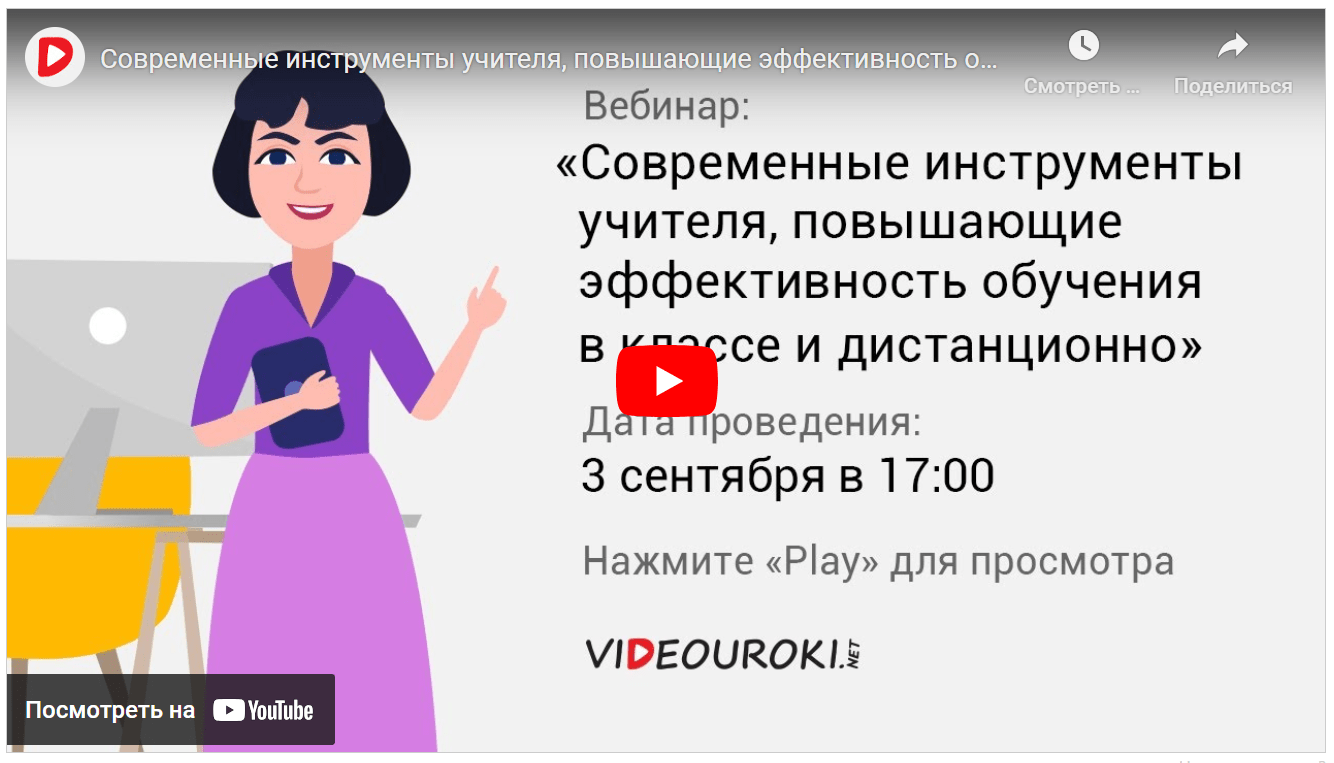
Вебинар для учителей
Свидетельство об участии БЕСПЛАТНО!