Приднестровская Молдавская Республика, Слободзея

СДЕЛАЙТЕ СВОИ УРОКИ ЕЩЁ ЭФФЕКТИВНЕЕ, А ЖИЗНЬ СВОБОДНЕЕ
Благодаря готовым учебным материалам для работы в классе и дистанционно
Скидки до 50 % на комплекты
только до
Готовые ключевые этапы урока всегда будут у вас под рукой
Организационный момент
Проверка знаний
Объяснение материала
Закрепление изученного
Итоги урока

Была в сети 26.02.2026 13:49

Реус Елена Сергеевна
учитель английского языка
58 лет
 38 498
 658
658 
Местоположение
Специализация
The importance of sport
Категория:
Английский язык
02.10.2017 20:33

Просмотр содержимого документа
«The importance of sport»
THE IMPORTANCE OF SPORTS
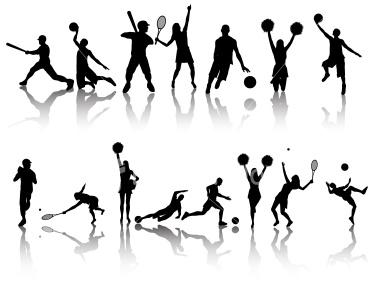
The importance of participating in sports and games is well-known. It does not only increase the quality of life but also improves the physical and mental development and communication skills of a participant, and even the spectator. Games and sports keep one physically and mentally fit. They keep one away from diseases relating to heart, obesity, mental stress and sleeplessness. They develop in the player self-confidence, self-reliance, discipline, justice, fair play and patriotism.
A sport is usually defined as an organized, competitive, and skillful physical activity requiring commitment and fair play. It is governed by a set of rules or customs. In a sport the key factors are the physical capabilities and skills of the competitor when determining the outcome (winning or losing). In contrast, some games such as card games and board games, though these could be called mind sports and some are recognized as Olympic sports, require only mental skills. Events such as scoring goals or crossing a line first often define the result of a sport. However, the degree of skill in some sports such as diving and figure skating is judged according to well-defined criteria.
Although they do not always succeed, sports participants are expected to display good sportsmanship, and observe standards of conduct such as respecting opponents and officials, and congratulating the winner when losing.
Sports in most countries take many forms. Sports can be divided into organized and non-organized, competitive and recreational, spectator and participatory (participative), team, dual and individual, amateur or professional. Competitive sports involve competition between two or more persons. For example, in a game of basketball, two teams compete against one another to determine who can score the most points. Athletes, besides competing against other humans, also compete against nature in sports such as whitewater kayaking or mountaineering, where the goal is to reach a destination, with only natural barriers impeding the process. Competitive sports arc governed by rules agreed upon by the participants. Violating these rules is considered to be unfair competition. A regularly scheduled (for instance annual) competition meant to determine the ‘best’ competitor of that cycle is called a championship. Recreational sports, as opposed to competitive, are sports done for recreation, not for a victory.
O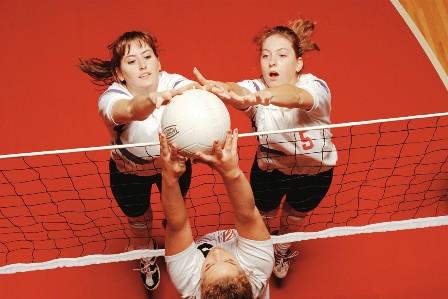 rganized sports are sports organized through institutions and organizations such as clubs, associations, schools and so on. Spectator sport is a sport that is characterized by the presence of spectators, or watchers, at its matches. When we distinguish between spectator and participatory sports, we can be focused on the nature of the kind of sports, taking into account the possibility to watch the sports. For instance, baseball, basketball, cricket, football and ice hockey are spectator sports, while hunting or underwater hockeys typically are not. Or, we can mean looking at the same kind of sport from different angles: if we have in view that a person watches a competition, this kind of sport is a spectator sport for him/her, if we mean that he/she takes part in it, it is a participatory sport. Many people make an emotional investment in their favorite spectator sports, and they attract huge crowds to encourage the favorite teams to victory. Spectator sports may be professional sports or amateur sports.
An individual sport refers to a sport in which participants compete as individuals, such as archery, athletics, cycling, fencing, etc., dual sports, such as dual tennis, and team sports, where teams compete against each other (such as cricket or football).
Professional sports, as opposed to amateur sports, are sports in which athletes receive payment for their performance. Amateur sports are sports in which participants engage largely or entirely without remuneration.
The benefits of sports are abundant. l or most people, the benefits of sports arc simply enjoying a favorite activity. Aside from being fun to play, the benefits of sports are that they are a great way to stay in shape. People who participate in sports on a regular basis tend to have more of a positive body image that those who have more sedentary life. They constructively use their energy which is great for keeping a person happy and healthy. They get an effective full body workout. The benefits of sports especially apply to children. Individuals who have played sports from an early age have stronger bones and stronger muscles. Playing sports is a fantastic way to get the exercise that your body needs to stay healthy. Participating in sports reduces the chances of blood cholesterol and lowers blood sugar levels. Taking advantage of the benefits of sports reduces the risk of hypertension as well as other disorders related to stress. Studies have found that people who
participate in sports on a regular basis are better at coping with the daily stress in their lives. Playing sports also reduces the chances of developing psychological disorders, such as anxiety and depression.
T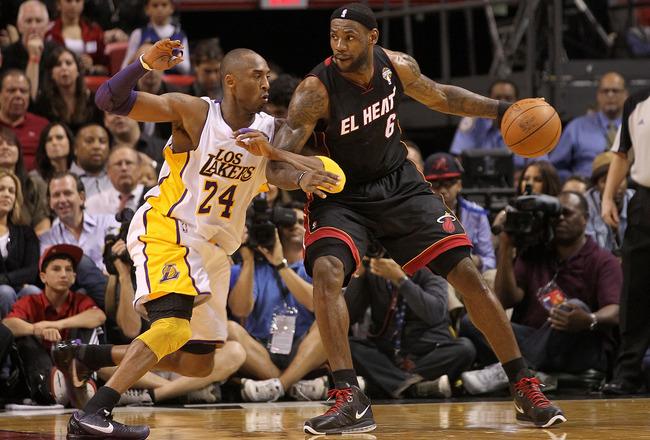 he benefits of team sports also include fostering team spirit and developing valuable leadership qualities. Team sports teach one to accept both failure and defeat with a positive attitude. The greatest benefit of team sports is the sportsmanship that is shown by all. A person will develop a sportive nature that will help him/her in many ways throughout the entire life.
Playing team sports is beneficial to the development of social skills. Team sports teach one how to interact with others and work together as a team to score goals and win the game. Individuals who take part in team sports learn to be respectful and glad to have played the game, no matter if the match ends in defeat or victory.
Doing sports is especially important for children, and the reasons are nearly the same. Being involved in sports helps children learn valuable skills for dealing with life’s ups and downs. Children learn how to strategic to come up with the best ways to score and win. They teach youth how to interact with others and work as a team. Sports also help students become more independent and feel better about themselves. The result is positive self esteem and self-confidence, which are extremely important for determining later happiness and success. One more aspect of sports that contributes to a healthy mind is goal-setting. Young people who have goals are more likely to be self-motivated and are usually able to accomplish more because they know what they need to do in order to get ahead.
B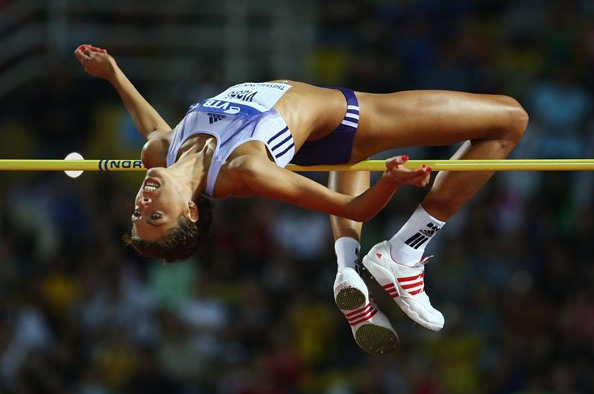 esides, studies show that children who participate in sports do better academically as well as with school activities.
The most common problem in adolescent sports is injuries. Each year, hospital emergency rooms see more than 2.6 million sports-related injuries in young people. Among children ages 5 to 14 years, the top sports injuries annually arc bicycling, basketball, football. The numbers of other sports injuries include skateboarding, hockey, gymnastics.
| competitive skillful abundant beneficial to fair play physical activity amateur sports participatory (participative)sports related to stress Leadership qualities
| соревновательный требующий навыков и умений, умелый полезный, благотворный для богатый,многочисленный,обильный честная игра физическая активность, физическая нагрузка любительский спорт массовый вид спорта
связанный со стрессом лидерские качества
|
10 nouns
10 adjectives
| physical activity
fencing obesity archery self-reliance a benefit anxiety a participant defeat | физическая активность, физическая нагрузка фехтование тучность, ожирение стрельба из лука уверенность в себе польза, выгода, преимущество беспокойство участник зритель поражение, проигрыш |
10 verbs
| to increase the quality of life to make an emotional investment in to impede to violate the rule to attract crowds to reduce the risk to accept failure to end with defeat to develop leader- ship qualities | повышать качество жизни соблюдать нормы поведения эмоционально вкладываться в мешать нарушать правило привлекать толпу снизить риск смиряться с неудачей закончить поражением развивать лидерские качества |
Phrasal verbs and expressions:
| to be characterized by smth
to take into account
to look at smth from different angles
to be judged according to
to have a view
to cope with stress
to compete against
it is considered to be
| характеризоваться чем-то
принимать во внимание
рассматривать что-л. c разных точек зрения
оцениваться в соответствии с
иметь в виду
справляться со стрессом
выступать против
считается, что |
Questions:
How can you explain: what is the importance of sports?
What forms can sports be?
Why are the benefits of sport so abundant?
Playing team sports is beneficial to the development of individual skills, isn`t it?
Is sportsmanship the greatest benefit of team sports?
Do injuries or obesity is the most common problem in adolescent sports?
What qualities team sports could teach?
What is the difference between professional and amateur sports?
Pros and cons of sports:
Sports help you to develop yourself physically and even mentally, because you need to create strategies, especially in team games.
Sports help you to stay in shape for those people, who have more sedentary life.
One of the benefits of sports is development of social and many other useful skills.
The most common problem is injuries.
People, involved in professional sport could have some serious diseases
If you are involved in team sports, you shouldn`t leave the team, because you`ll bring your team down
Questions 2:
What can you say about the benefits of sports?
Do you think sports help people? How?
Are you a fan of some sport? Tell about it.
Why is it so Important for us to stay in good shape?
Sports develop different kind of skills, does it? What skills can toy name?
Who could help people to stay in shape? What can you say about these people?
Dialog:
Mrs. Smith: -Hello, class
Class: - Hello, Mrs. Smith
Mrs. Smith: - Well, today we will be discussing the importance of sports. Ok, what do you think: are sports a valuable thing in our lives? If it is so, why?
Andrew - I think that it is really important, because it can help us to stay in shape and also develop ourselves.
Mrs. Smith: - Very good, something else?
Beth: - Yes, to my mind, sport is a real fun, because when you`re watching sport games, you support the team you like, imagine how you would act in different situations
Mrs. Smith: - It is very useful, thank you. And what are the negative sides of these games?
Sandy: - In my opinion, the most common problem is injuries and serious diseases, when, for example, people are boxing, they have a lot of bruises and injuries of head, so it is very dangerous for the brains.
Mrs. Smith: - Yes, I agree with you, Sandy, sports can be harmful. What about positive sides?
Kate: - Actually, sports have plenty of benefits. Among them are: good, healthy life; everyday developing (physically and mental); sedentary life. So, sports are very useful thing.
Mrs. Smith: - Thank you for being active, see you on the other lesson





Вебинар для учителей

Свидетельство об участии БЕСПЛАТНО!