казахстан, Алматы

СДЕЛАЙТЕ СВОИ УРОКИ ЕЩЁ ЭФФЕКТИВНЕЕ, А ЖИЗНЬ СВОБОДНЕЕ
Благодаря готовым учебным материалам для работы в классе и дистанционно
Скидки до 50 % на комплекты
только до
Готовые ключевые этапы урока всегда будут у вас под рукой
Организационный момент
Проверка знаний
Объяснение материала
Закрепление изученного
Итоги урока
Была в сети 22.11.2018 18:41

Tadzhimagambet Zhaniya Berdibekkyzy
ученица
21 год
 45
45
 255 923
Местоположение
Education in England
Категория:
Английский язык
12.11.2018 11:18

Просмотр содержимого документа
«Education in England»
Education in England
From Wikipedia, the free encyclopedia
Jump to navigationJump to search
| Education in England | |
|
| |
| Department for Education | |
| Secretary of State (Education) | Damian Hinds |
| National education budget (2008–09) | |
| Budget | £62.2 billion[3][4] |
| General details | |
| Primary languages | English |
| System type | National |
| Compulsory education | 1880 |
| Literacy (2003[5]) | |
| Total | 98 % |
| Male | 99 % |
| Female | 99 % |
| Enrollment | |
| Total | 11.7 million |
| Primary | 4.50 million (in state schools)[6] (2016) |
| Secondary | 2.75 million (up to year 11 in state schools)[6] (2016) |
| Post secondary | Higher Education: 1,844,095[7](2014/15) |
| Attainment | |
| Secondary diploma | Level 2 and above: 87.4% |
| Post-secondary diploma | Level 4 and above: 41.0% |
Education in England is overseen by the United Kingdom's Department for Education. Local government authorities are responsible for implementing policy for public education and state-funded schools at a local level.
England also has a tradition of independent schools (some of which call themselves "public schools") and home education; legally, parents may choose to educate their children by any permitted means. State-funded schools are categorized as selective grammar schools or comprehensive schools. Comprehensive schools are further subdivided by funding into free schools, other academies, any remaining Local Authority schools and others. More freedom is given to free schools, including most religious schools, and other academies in terms of curriculum. All are subject to assessment and inspection by the Office for Standards in Education, Children's Services and Skills, or Ofsted.
The state-funded education system is divided into stages based upon age:[10] Early Years Foundation Stage (ages 3–5); primary education (ages 5 to 11), subdivided into Key Stage 1 (KS1) Infants (ages 5 to 7) and Key Stage 2 (KS2) Juniors (ages 7 to 11); secondary education (ages 11 to 16), subdivided into Key Stage 3 (KS3; ages 11 to 14) and Key Stage 4 (KS4; ages 14 to 16); Key Stage 5 is post-16 education (ages 16 to 18); and tertiary education (for ages 18+).[11]
At age 16 the students typically take exams for the General Certificate of Secondary Education (GCSE) or other Level 1/2 qualifications. While education is compulsory until 18, schooling is compulsory to 16, thus post-16 education can take a number of forms, and may be academic or vocational. This can involve continued schooling, known as "sixth form" or "college", leading (typically after two years of further study) to A-level qualifications (similar to a high school diploma in some other countries), or a number of alternative Level 3 qualifications such as Business and Technology Education Council (BTEC), the International Baccalaureate (IB), Cambridge Pre-U, WJEC or Eduqas. It can also include work-based apprenticeships or traineeships, or volunteering.[12][13]
Higher education often begins with a three-year bachelor's degree. Postgraduate degrees include master's degrees, either taught or by research, and doctoral levelresearch degrees that usually take at least three years. Tuition fees for first degrees in public universities are up to £9,250 per academic year for English, Welsh and European Union students.[14]
The Regulated Qualifications Framework (RQF) covers national school examinations and vocational education qualifications. It is referenced to the European Qualifications Framework, and thus to other qualifications frameworks across the European Union.[15] The Framework for Higher Education Qualifications (FHEQ), which is tied to the RQF, covers degrees and other qualifications from degree-awarding bodies.[16] This is referenced to the Qualifications Framework of the European Higher Education Area developed under the Bologna process.
| Education in England | |
|
| |
| Department for Education | |
| Secretary of State (Education) | Damian Hinds |
| National education budget (2008–09) | |
| Budget | £62.2 billion[3][4] |
| General details | |
| Primary languages | English |
| System type | National |
| Compulsory education | 1880 |
| Literacy (2003[5]) | |
| Total | 98 % |
| Male | 99 % |
| Female | 99 % |
| Enrollment | |
| Total | 11.7 million |
| Primary | 4.50 million (in state schools)[6] (2016) |
| Secondary | 2.75 million (up to year 11 in state schools)[6] (2016) |
| Post secondary | Higher Education: 1,844,095[7](2014/15) |
| Attainment | |
| Secondary diploma | Level 2 and above: 87.4% |
| Post-secondary diploma | Level 4 and above: 41.0% |
Education in England is overseen by the United Kingdom's Department for Education. Local government authorities are responsible for implementing policy for public education and state-funded schools at a local level.
England also has a tradition of independent schools (some of which call themselves "public schools") and home education; legally, parents may choose to educate their children by any permitted means. State-funded schools are categorized as selective grammar schools or comprehensive schools. Comprehensive schools are further subdivided by funding into free schools, other academies, any remaining Local Authority schools and others. More freedom is given to free schools, including most religious schools, and other academies in terms of curriculum. All are subject to assessment and inspection by the Office for Standards in Education, Children's Services and Skills, or Ofsted.
The state-funded education system is divided into stages based upon age:[10] Early Years Foundation Stage (ages 3–5); primary education (ages 5 to 11), subdivided into Key Stage 1 (KS1) Infants (ages 5 to 7) and Key Stage 2 (KS2) Juniors (ages 7 to 11); secondary education (ages 11 to 16), subdivided into Key Stage 3 (KS3; ages 11 to 14) and Key Stage 4 (KS4; ages 14 to 16); Key Stage 5 is post-16 education (ages 16 to 18); and tertiary education (for ages 18+).[11]
At age 16 the students typically take exams for the General Certificate of Secondary Education (GCSE) or other Level 1/2 qualifications. While education is compulsory until 18, schooling is compulsory to 16, thus post-16 education can take a number of forms, and may be academic or vocational. This can involve continued schooling, known as "sixth form" or "college", leading (typically after two years of further study) to A-level qualifications (similar to a high school diploma in some other countries), or a number of alternative Level 3 qualifications such as Business and Technology Education Council (BTEC), the International Baccalaureate (IB), Cambridge Pre-U, WJEC or Eduqas. It can also include work-based apprenticeships or traineeships, or volunteering.[12][13]
Higher education often begins with a three-year bachelor's degree. Postgraduate degrees include master's degrees, either taught or by research, and doctoral levelresearch degrees that usually take at least three years. Tuition fees for first degrees in public universities are up to £9,250 per academic year for English, Welsh and European Union students.[14]
The Regulated Qualifications Framework (RQF) covers national school examinations and vocational education qualifications. It is referenced to the European Qualifications Framework, and thus to other qualifications frameworks across the European Union.[15] The Framework for Higher Education Qualifications (FHEQ), which is tied to the RQF, covers degrees and other qualifications from degree-awarding bodies.[16] This is referenced to the Qualifications Framework of the European Higher Education Area developed under the Bologna process.[17]

Contents
1History of English education
2Legally compulsory education
2.1Schools and stages
2.2State-funded schools
2.3Independent schools
2.4Education by means other than schooling
2.5Post-16 education
2.5.1Sixth form colleges / further education colleges
2.5.2Apprenticeships and traineeships
2.5.3Post-16 area reviews
3Higher education
3.1Postgraduate education
3.2Fees
4Adult education
5Qualifications Frameworks
6Criticism
7Funding
8See also
9References
10Further reading
11External links
History of English education[edit]
Main article: History of education in England
Until 1870 all schools were charitable or private institutions, but in that year the Elementary Education Act 1870 permitted local governments to complement the existing elementary schools in order to fill any gaps. The Education Act 1902 allowed local authorities to create secondary schools. The Education Act 1918 abolished fees for elementary schools.
Women's colleges were established in the 19th century to give women access to university education, the first being Bedford College, London (1849), Girton College, Cambridge (1869) and Newnham College, Cambridge (1871). The University of London established special examinations for women in 1868 and opened its degrees to women in 1878.[18] University College Bristol (now the University of Bristol) became the first mixed higher education institution on its foundation in 1876,[19] followed in 1878 by University College London (which had held some mixed classes from 1871).[20]
Legally compulsory education[edit]
Full-time education is compulsory for all children aged 5 to 18, either at school or otherwise, with a child beginning primary education during the school year they turn 5.[21] Children between the ages of 3 and 5 are entitled to 600 hours per year of optional, state-funded, pre-school education. This can be provided in "playgroups", nurseries, community childcare centres or nursery classes in schools.
The age at which a student may choose to stop education is commonly known as the "leaving age" for compulsory education. This age was raised to 18 by the Education and Skills Act 2008; the change took effect in 2013 for 16-year-olds and 2015 for 17-year-olds. From this time, the school leaving age (which remains 16) and the education leaving age (which is now 18) have been separated.[22] State-provided schooling and sixth-form education are paid for by taxes.
All children in England must currently therefore receive an effective education (at school or otherwise) from the first "prescribed day", which falls on or after their fifth birthday until their 18th birthday, and must remain in school until the last Friday in June of the school year in which they turn 16.[13][23][24] The education leaving age was raised in 2013 to the year in which they turn 17 and in 2015 to their 18th birthday for those born on or after 1 September 1997.[22] The prescribed days are 31 August 31 December and 31 March.[25][26] The school year begins on 1 September (or 1 August if a term starts in August).[27]
The Compulsory stages of education are broken into a Foundation Stage (actually covering the last part of optional and first part of compulsory education), 4 Key Stages, and post-16 education (sometimes unofficially termed Key Stage Five, which takes a variety of forms including 6th Form (covering the last 2 years of Secondary Education in schools).

Вебинар для учителей
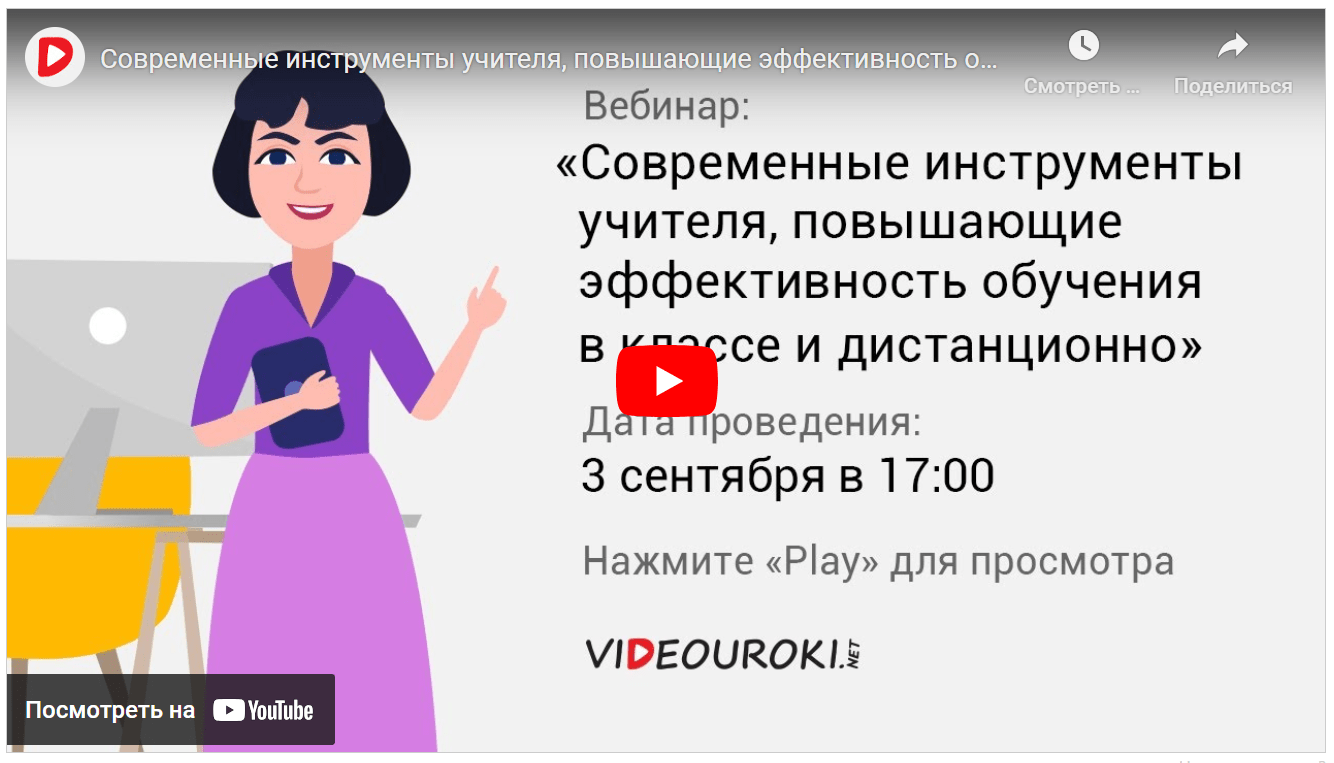
Свидетельство об участии БЕСПЛАТНО!